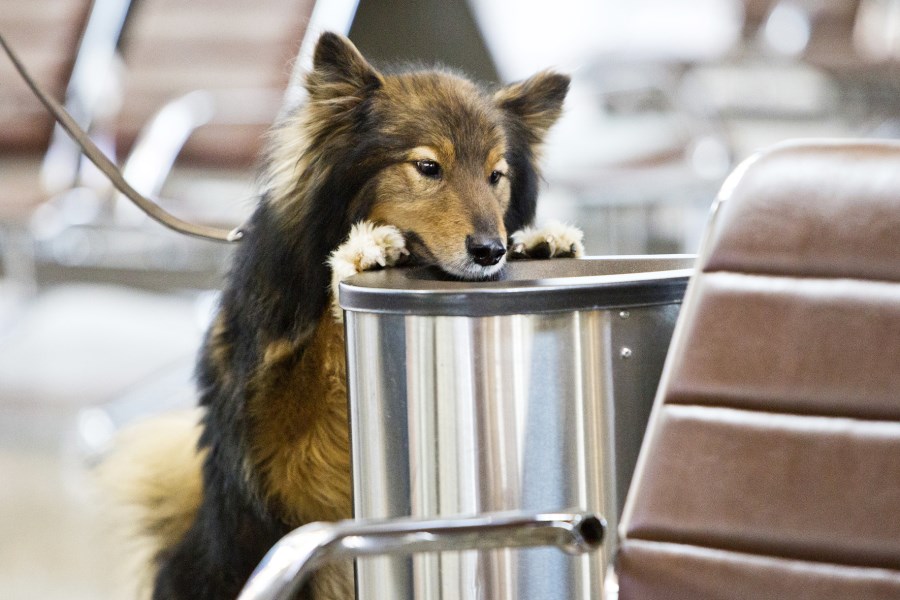
Besides its air travel operations, Aeroflot is known for developing and recently officially registering a new breed of bloodhound on December 19, 2018. It's called the "Sulimov Dog" or "Shalaika."
The breed's name, "Shalaika," is composed of two words that explain its origin: "jackal" and "laika." There's even a playful nickname, "shabaka." It's also called "shakal-laika" and "quadroon" (a quarter-jackal hybrid).
And "Sulimov's Dog" was named in honor of the scientist, the author of the idea and the chief breeder of the security service.
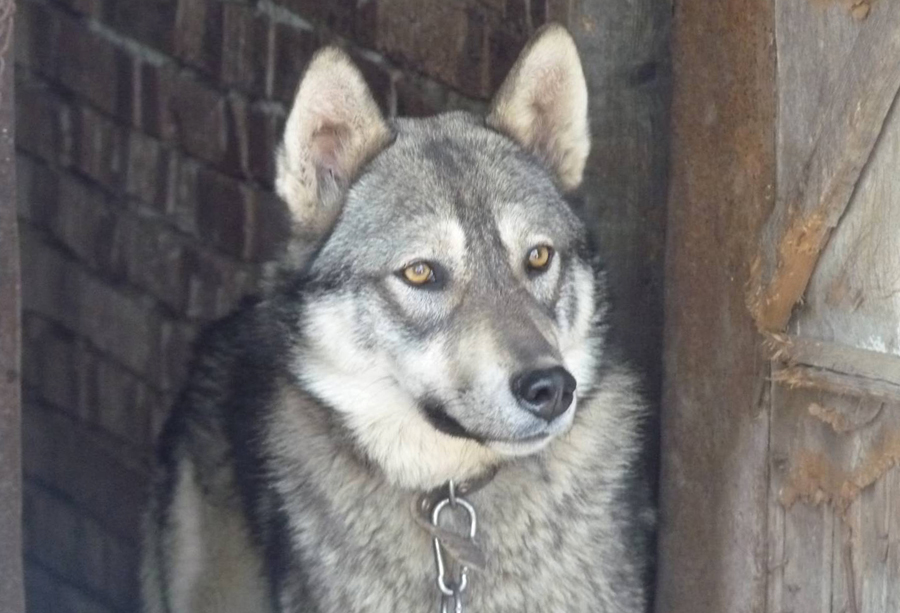
Aeroflot needed a bloodhound to inspect baggage and search for explosives and other prohibited items, equipped with special qualities: a keen sense of smell, unpretentiousness to conditions, and small size.
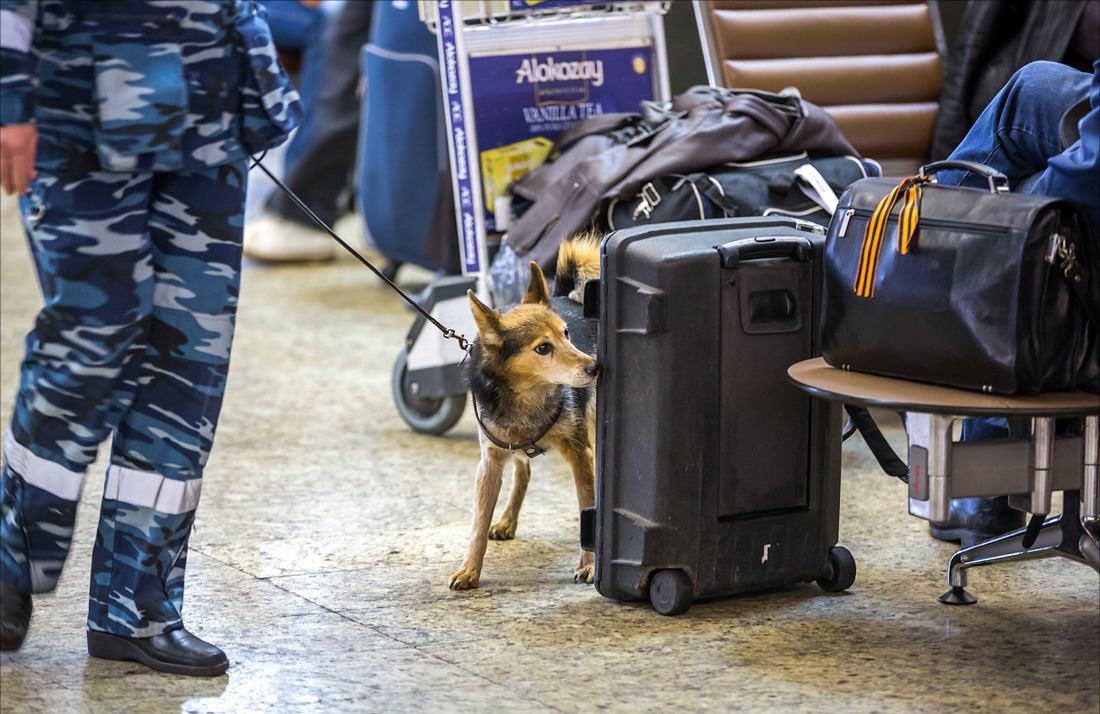
Klim Sulimov took on the task of breeding such a breed.
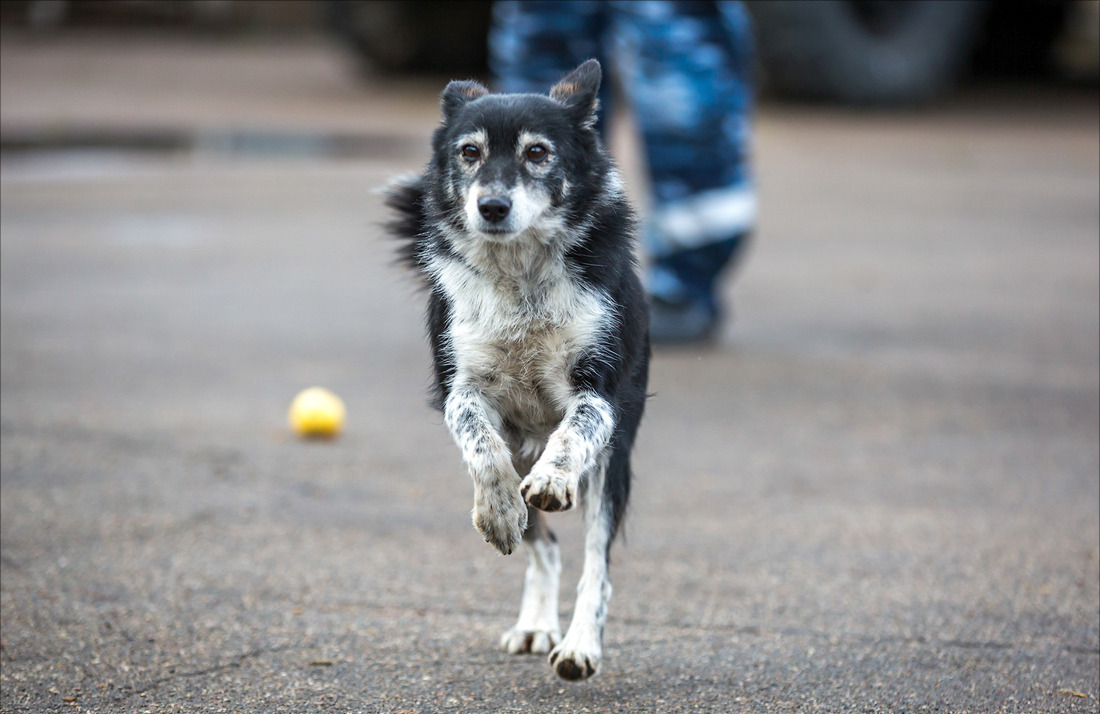
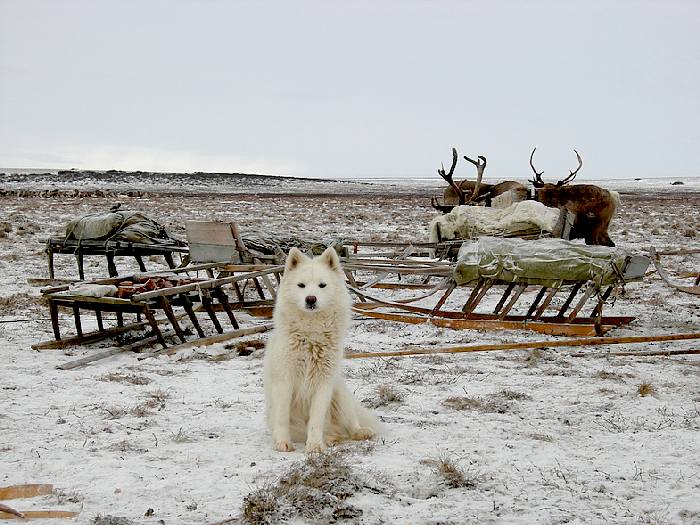
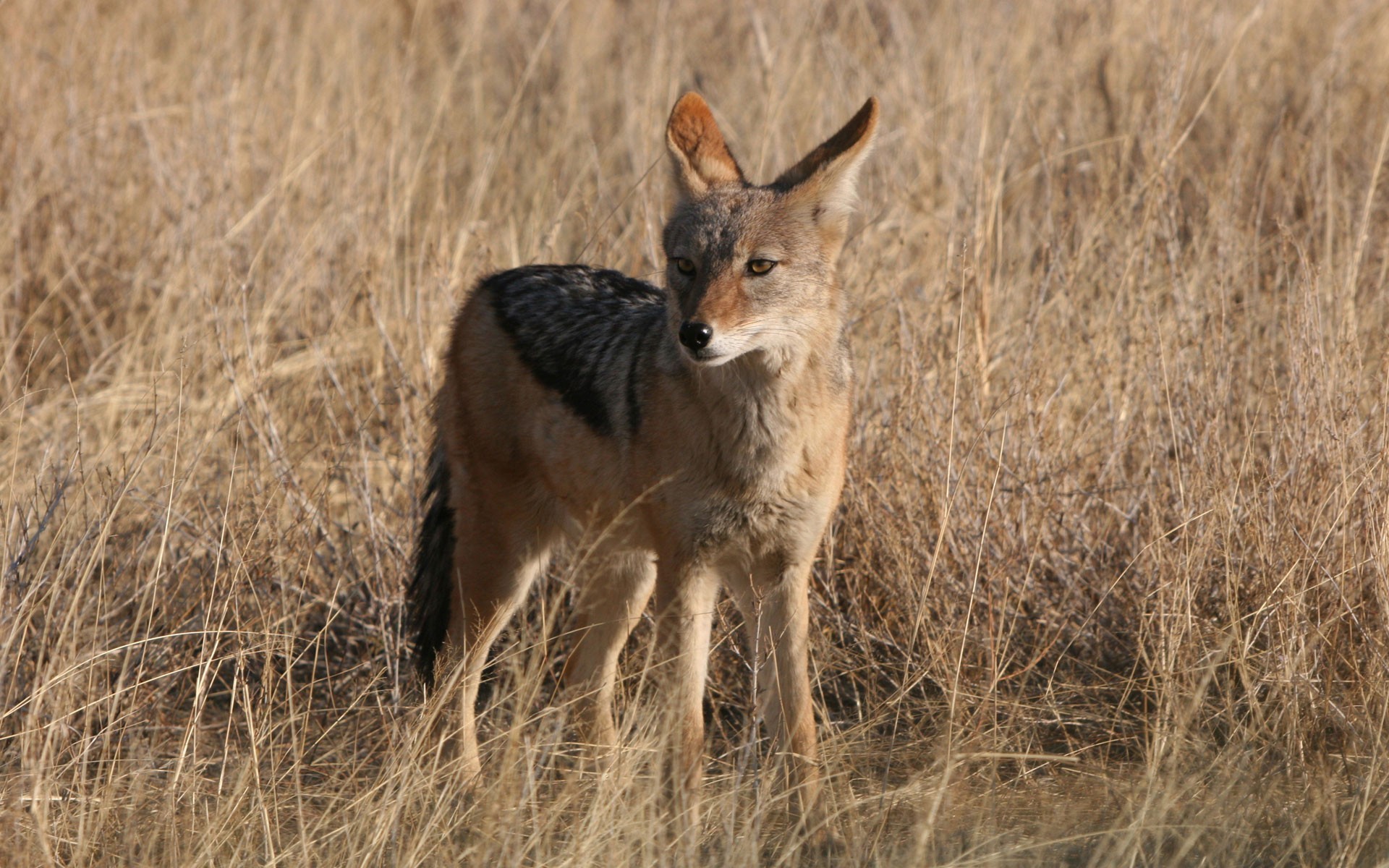
The breeding plan was developed back in 1975, and the first dogs entered service in 2002. The breeds chosen for the cross were the Nenets reindeer herding Laika and the Central Asian jackal. These two breeds possessed the necessary qualities for the job.
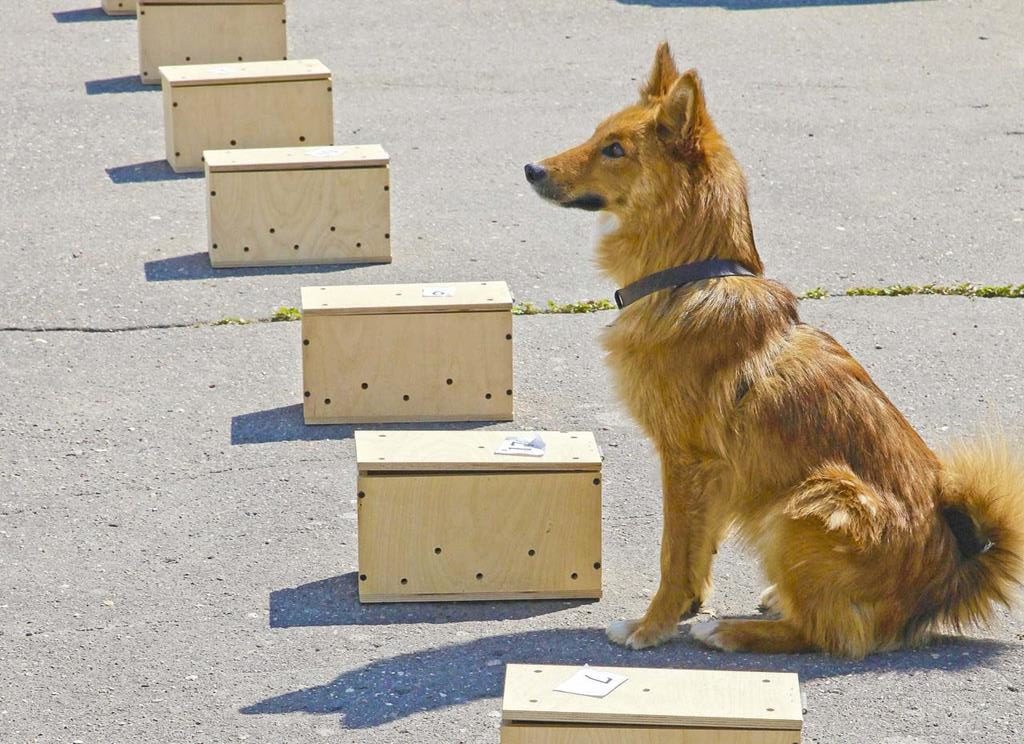
The reindeer herding Laika (Nenets Spitz) is an unpretentious dog, capable of working in the extreme conditions of the Far North at -50, -70 degrees.
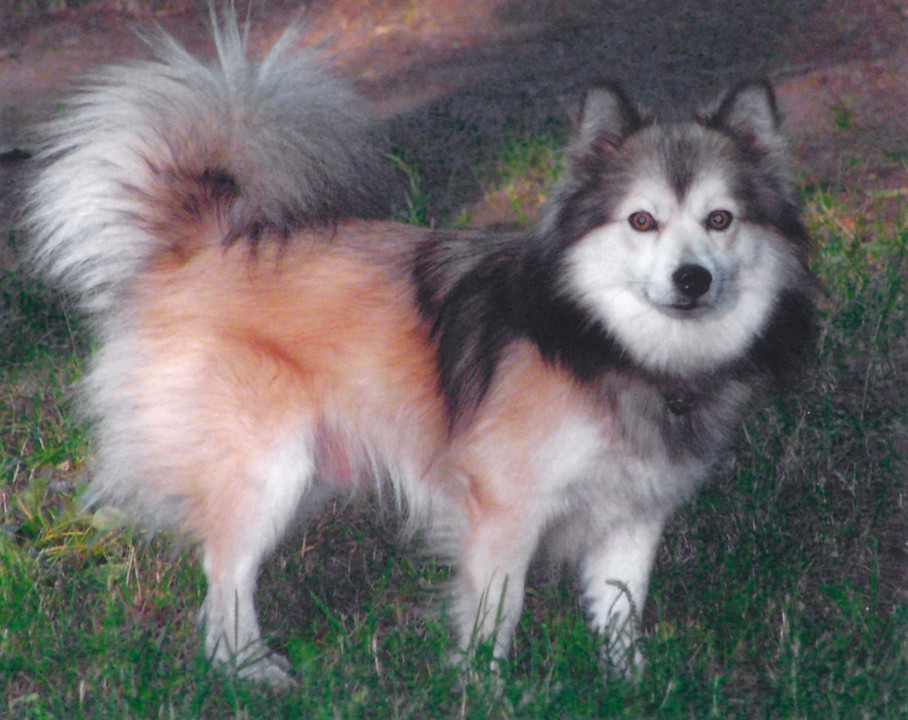
Her sense of smell is one of the best among canines.
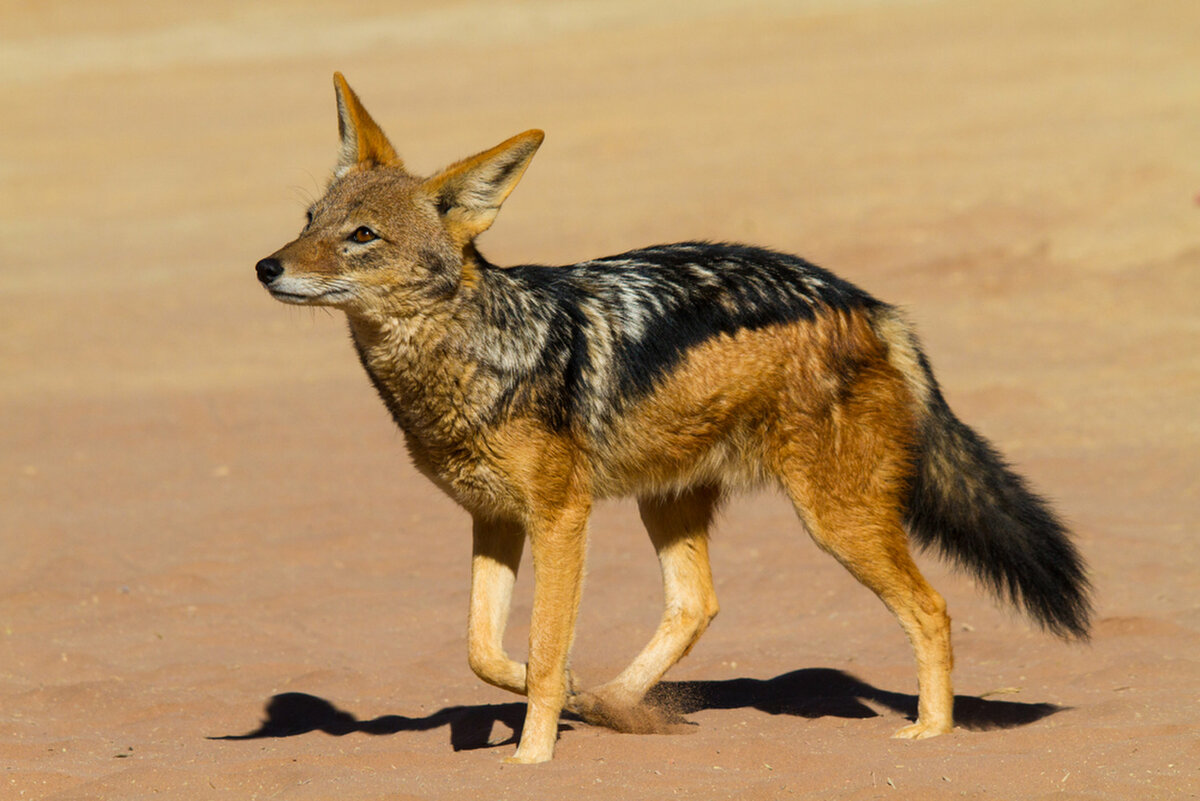
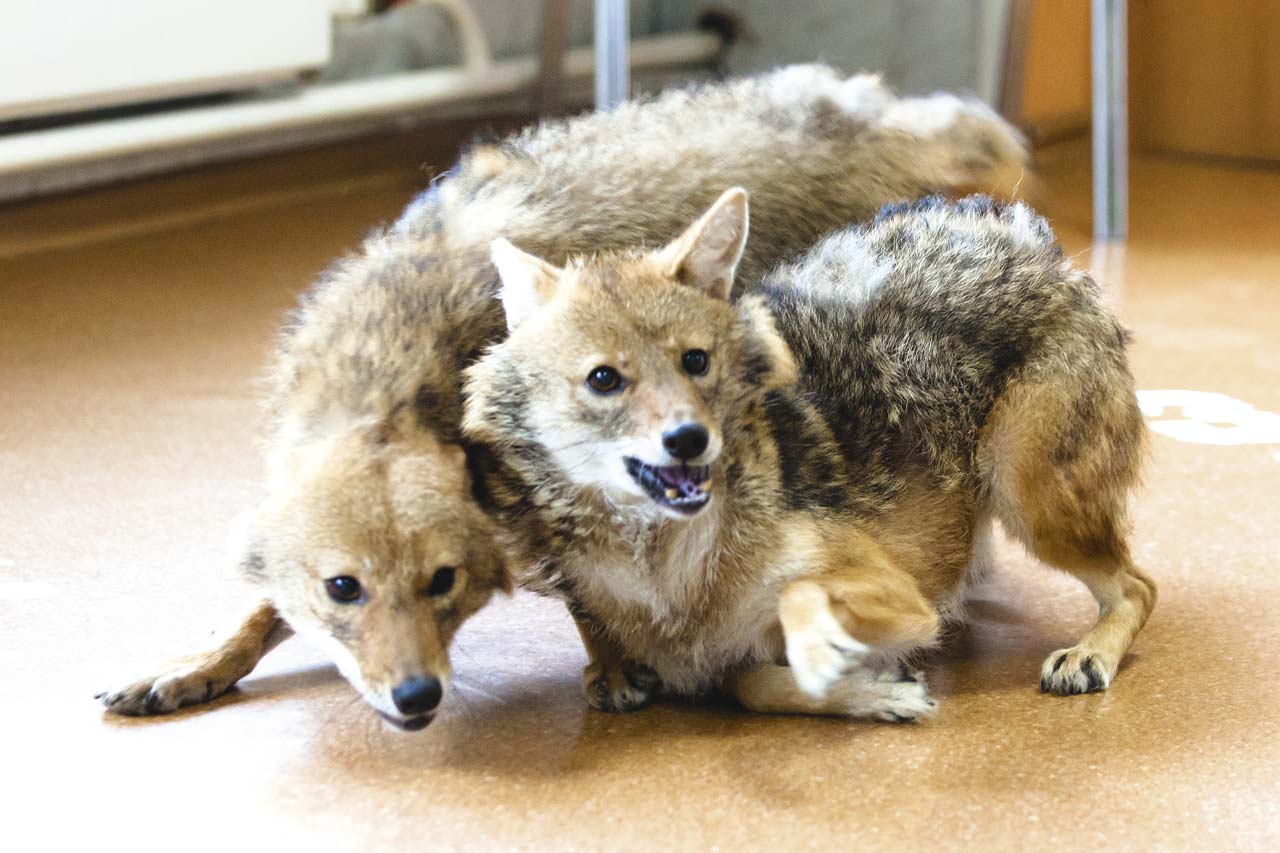
The Central Asian jackal retains an exceptional sense of smell and ability to work in very hot conditions (up to +50 degrees).
But his wool is not suitable for working in the cold.
The resulting crossbreeding breed has a “super sense of smell” and gives even a shepherd dog a run for its money.
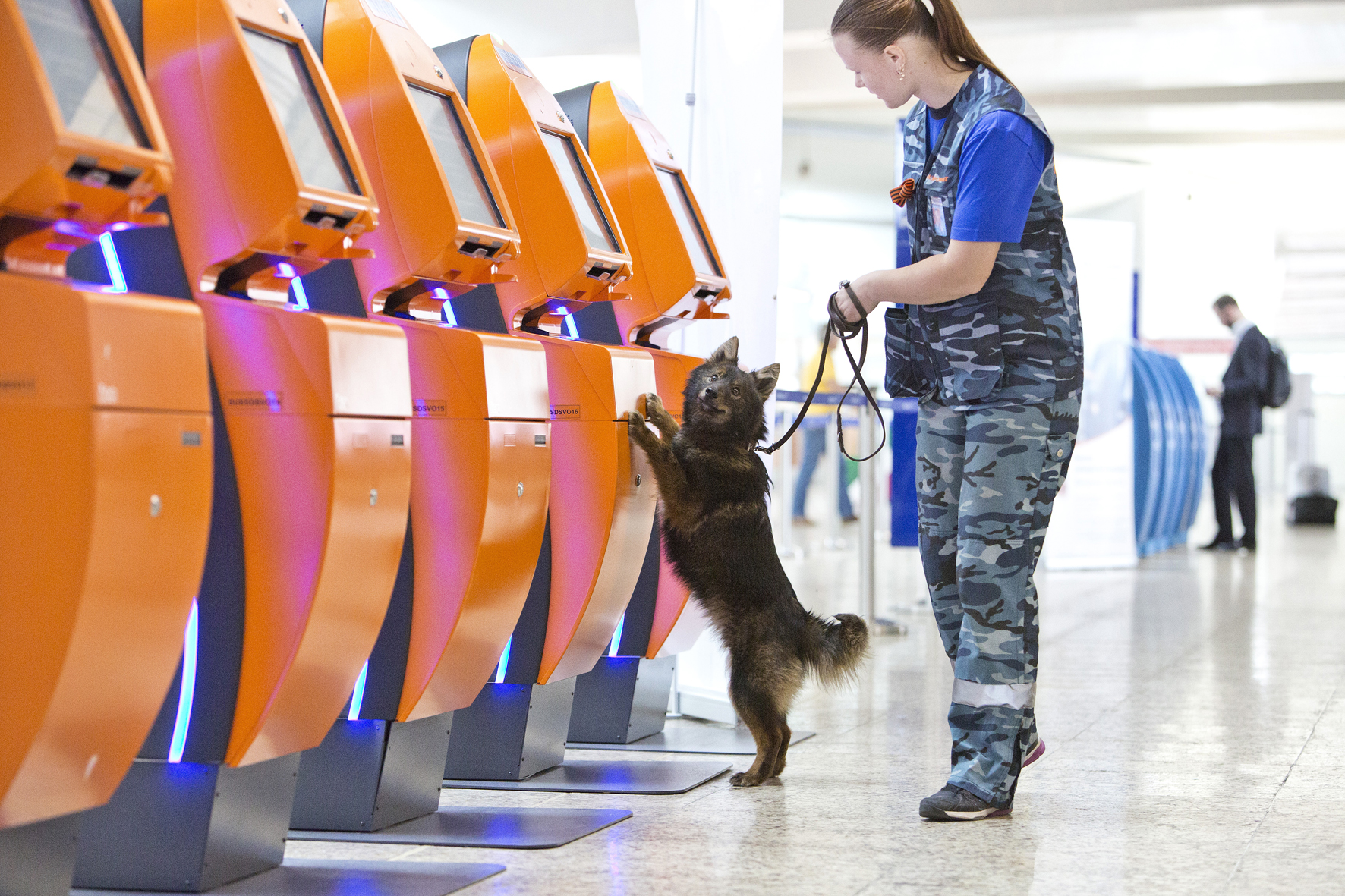
Thanks to its small and peaceful appearance, the dog doesn't intimidate passengers as it passes through the security checkpoints, scrutinizing everyone and their luggage with equal attention. Its endurance allows it to operate in all climate zones of our country, at temperatures ranging from -70°C to +50°C.
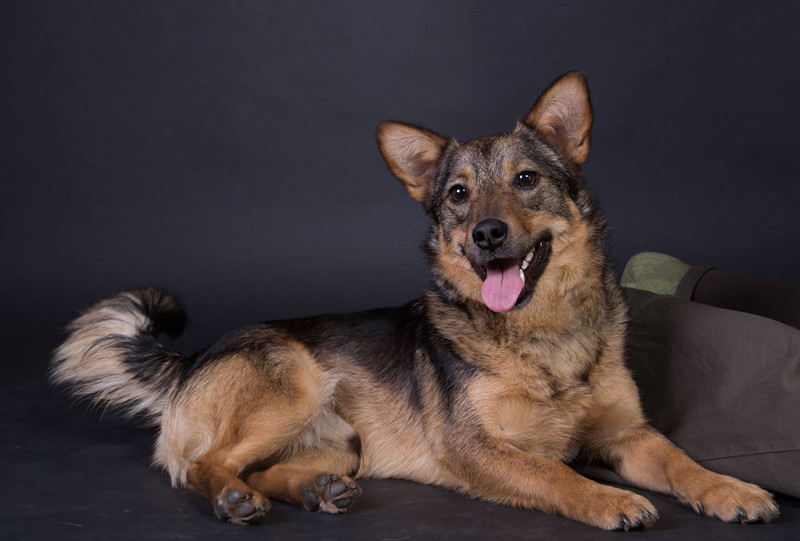
It was quite difficult to crossbreed the freedom-loving jackal with a dog. To achieve this, the animal's puppies were nursed with a reindeer-herding Laika, so that the young would become "one of the dogs." Jackals in the wild flatly refused to mate with dogs.
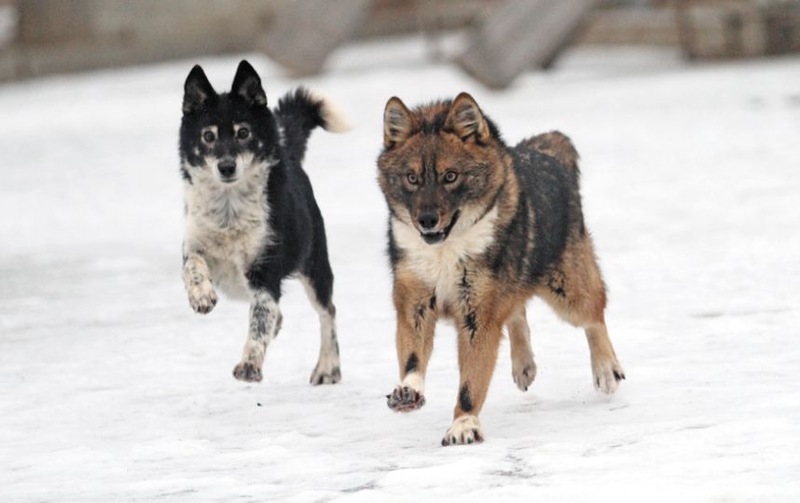
The resulting crossbreeds were very difficult to train, so they were crossed again with the Nenets Laika. The resulting dogs were only one-quarter related to jackals.
Thanks to their excellent sense of smell, shalaykas can easily find weapons, explosives, drugs, or missing people.
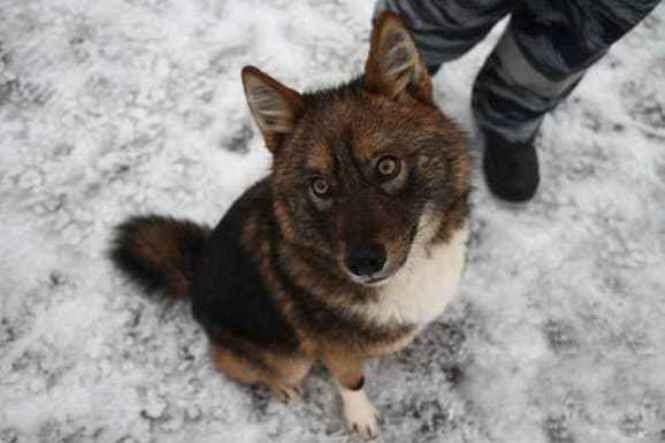
Aeroflot currently employs 50 dogs. These dogs make a mistake about one in two hundred times.
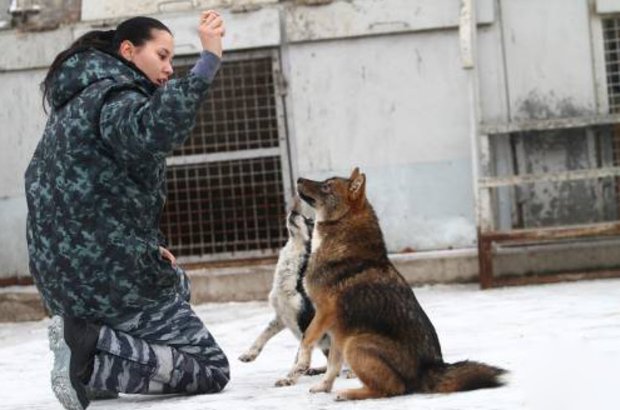
Forensic scientists are increasingly using Shalaykas for their work, and Western dog handlers are also showing interest in this breed.
It's not yet possible for a dog lover to acquire one. Few have been bred, and the selection process is still ongoing. This dog is not suitable as a companion—the jackal genes are present. This breed was intentionally developed so that it doesn't bond with a single owner (to ensure uninterrupted baggage belt checks when working with different handlers), but it is distinguished by its excellent intelligence and trainability.