 Raising calves for meat can be a profitable business, but it requires creating suitable living conditions and formulating the right diet for the calves. To avoid spending a lot of time caring for the animals at home, it's recommended to purchase young calves as early as late April so they can be put to pasture immediately. The lack of a pasture near the barnyard won't be a significant obstacle. A dedicated pen can be built and located in an adjacent area, keeping in mind the recommended space per calf: 8-12 square meters.
Content
Characteristics of the diet of young animals
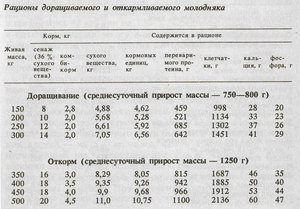 In winter, calves are given it as feed. hay, root crops and compound feedIn summer, the main diet consists of seasonal feed—fresh grass. To ensure the young don't suffer from food shortages, the average daily requirement is calculated:
- hay – 3 kg;
- root vegetables – 2 – 4 kg;
- concentrates – 1.5 kg per head.
Yearling calves need to be fed double the succulent feed allowance, and the amount of compound feed is reduced to 1 kg. The cattle diet typically consists of the following:
- Drink from concentrate.
- Succulent feed.
- Grass or hay.
When the calves are 6 months old, they can you give food scrapsPotatoes are quite heavy food for calves, so they need to be prepared by boiling and mashing.
When raising cattle at home, green fodder is first introduced in small portions, as sudden changes in diet can cause digestive problems, which will impact weight gain. During the first few weeks, 10-15 kg of feed per head per day is allowed, given only after roughage. By the end of the week, this proportion should reach 70 kg. Concentrates with 50-100 grams of salt should be fed twice daily.
The fastest way to achieve desired weight gain is to feed animals cereals, legumes, and composite plants. These should include leaves, which are a rich source of fiber, nutrients, and vitamins.
When raising livestock at home, it is necessary to regularly take care of the premises itselfThe area where the calves are kept must always be kept dry. To achieve this, the soiled layer must be removed daily and the bedding must be changed once a month.
Where to start growing?
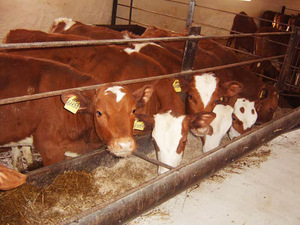 This business is best suited for rural residents: it doesn't require much time throughout the year. A little time and effort in the summer is enough to earn a handsome sum for a bull sold for meat in the fall.
The best place to purchase young animals is from dairy farms where the required number of animals is kept in large numbers. This way, you can be sure that the breed you purchase is the one stated by the seller. When choosing a suitable breed, it is recommended to buy those raised in the region. This will ensure that the young animals will have no difficulty acclimating to the environment.
Selection of livestock
When choosing young animals for growing for meat, it is necessary take into account the following characteristics:
- Age should be 3-4 months;
- Weight - approximately 100 kg.
Caring for young cattle isn't all that difficult; finding the right feed is easy. Those planning to raise just a few head of cattle, keeping a few bulls on their own farm and raising some for meat, don't need to register. However, if you plan to raise a dozen head of cattle, you'll need to register as a private entrepreneur.
When raising a large number of bulls (from 10 heads), you service personnel will be requiredThe shepherd will be responsible for grazing the calves, and the herdsmen will provide feeding conditions and maintain the premises where the cattle are kept.
You will also need to use the services of a veterinarian on a number of occasions: to administer preventative vaccinations and to help treat cattle diseases.
Features of fattening a heifer for meat
Raising calves at home isn't easy for a budding entrepreneur. They must have a certain theoretical foundation to help them choose the right feed for their cattle, as well as create favorable conditions for their maintenance and care. When raising calves for meat, It is customary to distinguish three main stages:
 Preparatory feeding. Its main goal is to provide the young animals with a significant amount of food. Given their fussy eating habits, calves' diets should include silage, hay, and straw.
- The main period. At this stage, the same problems must be solved as in the first.
- The final stage. Calves' food requirements are already reduced, so their diet must be adjusted, increasing the amount of concentrates and succulent feed.
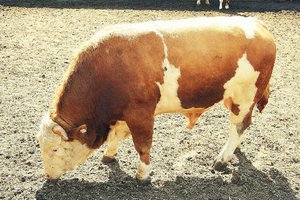 Preparatory feeding. Its main goal is to provide the young animals with a significant amount of food. Given their fussy eating habits, calves' diets should include silage, hay, and straw.
Significant weight gain can be achieved provided that a diet is prepared for the calves. optimal nutrition scheduleThey need to be fed three times a day at regular intervals. Before feeding, the calves must prepare their feed in a specific manner: grains must be crushed or steamed, potatoes must be boiled and mashed, and root vegetables must be peeled and washed. For better digestion, young grass must first be withered, then added to the diet in small portions, gradually increasing the amount.
The presence in the calves’ diet of feed that exceeds their physiological needs has a positive effect on muscle development, weight gain, and meat quality.
Calves that were given insufficient feed for a short period of time begin to grow rapidly within the first few weeks after being transferred to a normal diet. However, if the calves continue to receive insufficient feed throughout the entire season, this leads to developmental delays.
A great help for the farmer is the presence of processing plants nearby - sugar, brewery or distilleryThey can be used to obtain food waste from production, which can be fed to bulls as young as six months of age.
When raising calves for meat, special attention must be paid to the quality and quantity of feed. Following these and other raising recommendations, yearling calves can gain seven times their birth weight, and by the age of 1.5 years, they can gain at least ten times their birth weight.
How to achieve good results?
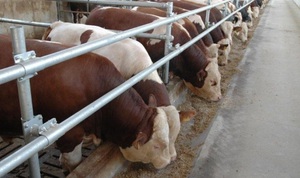 Any farmer who has raised cattle for meat can confirm that it is a very profitable endeavor: with minimal labor input, favorable conditions for calf growth and weight gain can be created in a short period of time.
One of the key factors in quickly obtaining high-quality meat is providing calves with high-quality feed in large quantities. Calves aged 6 to 12 months especially need them. If animals are poorly fed, their bones and ligaments begin to grow rapidly, and the meat becomes tough.
Fattening methods
When raising calves for meat, you can choose one of the following fattening methods:
- Short. It takes a short period of time, up to 1.5 years, and upon completion, bulls can weigh 400 kg or more.
- Long-term. This involves actively feeding the young for 7-8 months. During this period, weight gain can be very rapid, reaching 500 kg. The meat is of the highest quality—fatty and juicy.
- Medium. Intermediate. This fattening method involves providing animals with increased feed amounts compared to the previous method. It takes 5-6 months. By the end of the growing process, the animals gain 400-450 kg in weight.
Month-old calves are allowed to be given to pasture. Here they can be up to 16 hours a dayHowever, given their fragile bodies, care must be taken to ensure that the grazing area has water and shaded areas.
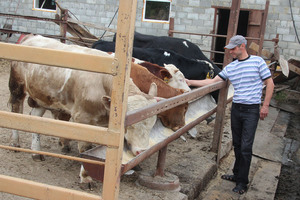
If there's no meadow near the cattle yard, bulls can be kept in a specially equipped pen with a canopy. Yearling bulls require special attention—they must be tethered in the pen, which will help develop a calmer disposition and improve their nutrition.
Conclusion
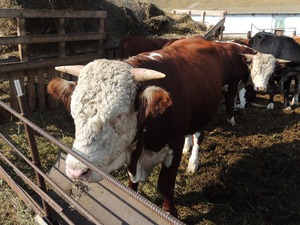 Raising fattened bulls is a profitable business that even those with little experience in the industry can engage in. However, without the right knowledge, success will be very difficult. Weight of animals and quality of their meat It depends on many factors. The most important factor is nutrition, which must be balanced and supplied to calves in sufficient quantities.
It's also important to choose the right breed of bulls, as raising non-native cattle can cause difficulties acclimatizing. It's also important to remember that bulls, like all domestic animals, are susceptible to disease, so vaccinations and ongoing health monitoring will be necessary.