Specialized dry dog food contains all the vitamins, minerals, and trace elements necessary for the healthy development of your pet. The product's composition is tailored to the age and characteristics of the breed. Many dog owners avoid dry food, preferring to prepare their own meals. The following foods are recommended for these pets.
Meat bones

Meat bones for dogs are not so much food as a treat. However, it is not recommended to buy chicken, pork, or rabbit bones for this purpose, as they can cause mechanical injuries. It is better to choose veal ribs.
Meat bones are an excellent alternative to brushing teeth, as chewing removes excess plaque. Bones are also a good source of phosphorus, calcium, and other nutrients essential for a dog's healthy development. This helps prevent many gastrointestinal problems.
Veterinarians do not recommend giving bones to very young puppies, and to adults, give them 2-3 times a week.
Meat
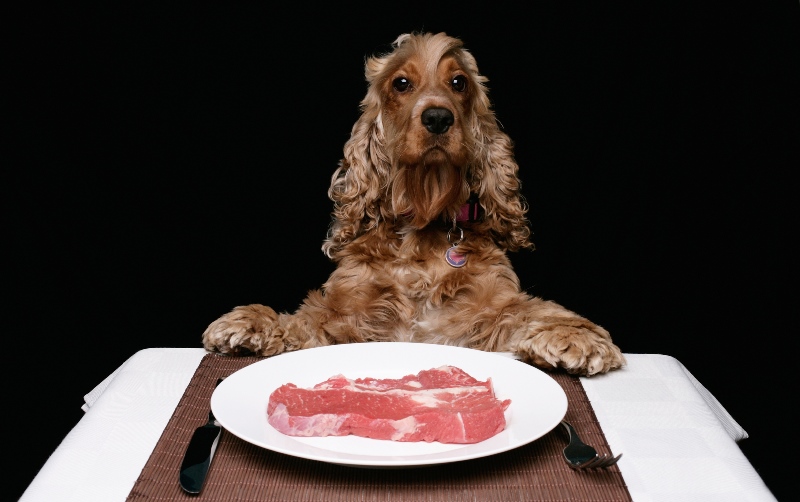
Beef, chicken, and turkey are beneficial for dogs. The energy value and amino acid content depend on the bone and fat content. The more muscle tissue the meat contains, the more beneficial it is for dogs. Raw meat is best, but it must be of very high quality. When in doubt, boil it.
The amount of meat in a dog's diet depends on its body weight. For puppies under 6 months, it should be 6-7% of their body weight, while for puppies over 6 months, it should be 3-3.5%. A 5 kg puppy requires approximately 300-350 g of meat, while a 1-year-old dog weighing 20 kg requires 600 g.
Meat can be mixed with grains. This is permitted by the BARF (Biologically Appropriate Raw Food) feeding system. Dogs can be fed buckwheat, rice, and rolled oats.
Offal
They are a source of many vitamins, such as A, E, K, and B vitamins, as well as protein, essential fatty acids, selenium, potassium, and other micronutrients. They should make up about 10-15% of the diet, and it's best to feed organ meats no more than twice a week (or daily, but in smaller quantities).
However, liver should not exceed 5% of the total diet, as it contains high levels of vitamin A, which can lead to liver stones. Heart should also be given sparingly, as it can be poorly digested. A 5 kg puppy requires approximately 500 g of organ meats per week, and a 20 kg, 1 year-old dog requires 2 kg per week.
Offal is given boiled, except for liver, kidneys, udder and tongue.
Fruits and vegetables
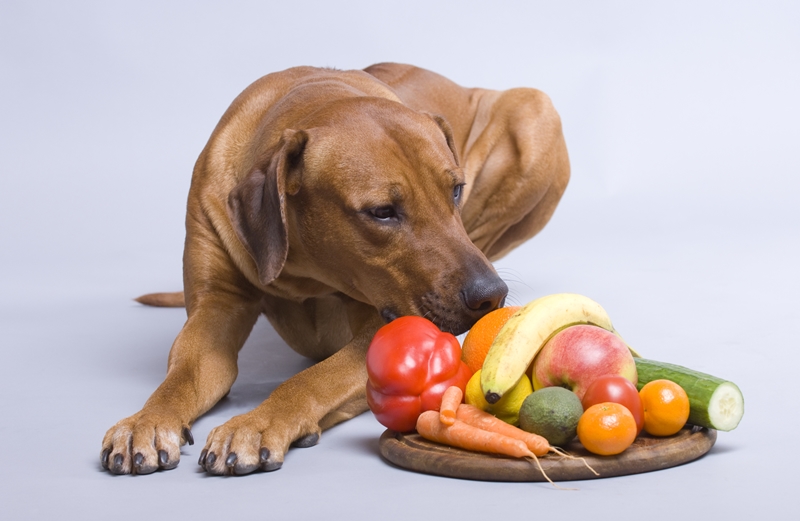
Vegetables and fruits are rich in fiber, which improves digestion and prevents cholesterol buildup in blood vessels. These foods don't necessarily need to be included in your daily diet.
The most beneficial foods for dogs are raw zucchini (especially relevant for older pets), carrots (prevents the development of malignant tumors), cucumbers (suitable for overweight animals), celery stalks (improves heart function), boiled pumpkin (reduces the level of acidity in the stomach), seaweed (an excellent source of iodine), apples, bananas, and sour pears.
Even approved foods can only be given if the pet does not have a negative reaction to them.
The daily requirement is 2-3% of a dog's body weight. For example, a one-year-old dog weighing 20 kg is recommended to be fed 400-600 g of fruits and vegetables.
Oils

Oils are a source of Omega-3 and Omega-6 unsaturated fatty acids, which help the body fight infection, maintain a healthy coat, and improve your pet's mood. Oils also contain vitamins, such as A, E, and D, which are natural antioxidants.
You can introduce sunflower oil (prevents cardiovascular diseases, has a calming effect), corn oil (reduces the risk of allergies, prevents dandruff), flaxseed oil (has anti-inflammatory properties, has a positive effect on the heart and immune system), pumpkin seed oil (has an antiparasitic effect) and fish oil (promotes healthy coat and skin) into your dog's diet.
Only unrefined oil is considered beneficial. It should be given once daily in courses, meaning included in the diet once a year for 2-3 weeks. A few drops are sufficient for puppies, and up to 1 tablespoon (if the dog is small, reduce the amount) per feeding for an adult dog.
Dairy products
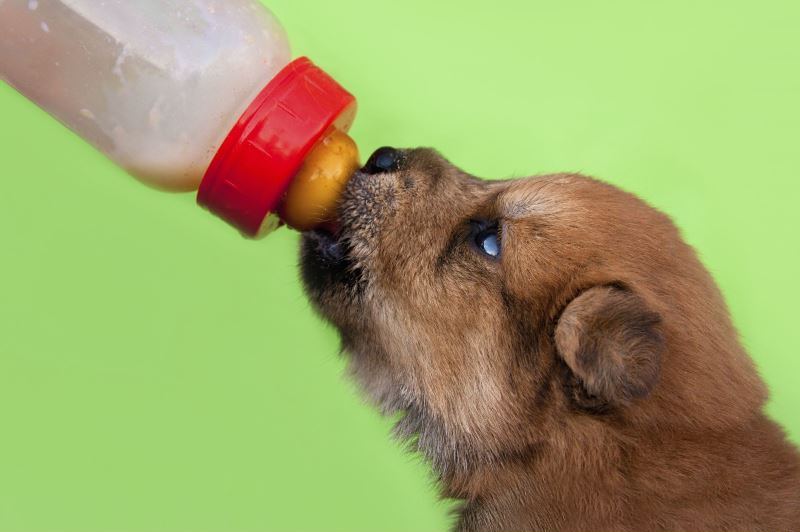
Lactose, which is found in milk, can be dangerous for dogs, as their body may not produce the enzymes needed to digest it. If your pet doesn't experience any adverse reactions, they can occasionally enjoy low-fat milk (which can be diluted with water), but not skim milk.
Fermented milk products have a wider range of uses. Kefir (1 teaspoon to 6 tablespoons 2-3 times a week) is easily digested and normalizes digestion, cottage cheese (1-6 tablespoons per day) can replenish protein deficiency in pregnant women, and yogurt (1 teaspoon to 100 ml per day) provides the body with beneficial vitamins and minerals. Additionally, you can give 20 to 70 grams of hard cheese as a treat for any achievement, choosing low-fat varieties.
The amount of food depends on the dog's weight and age. Fermented milk products are recommended for dogs over 3 months of age.