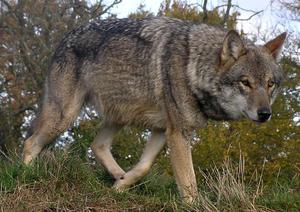
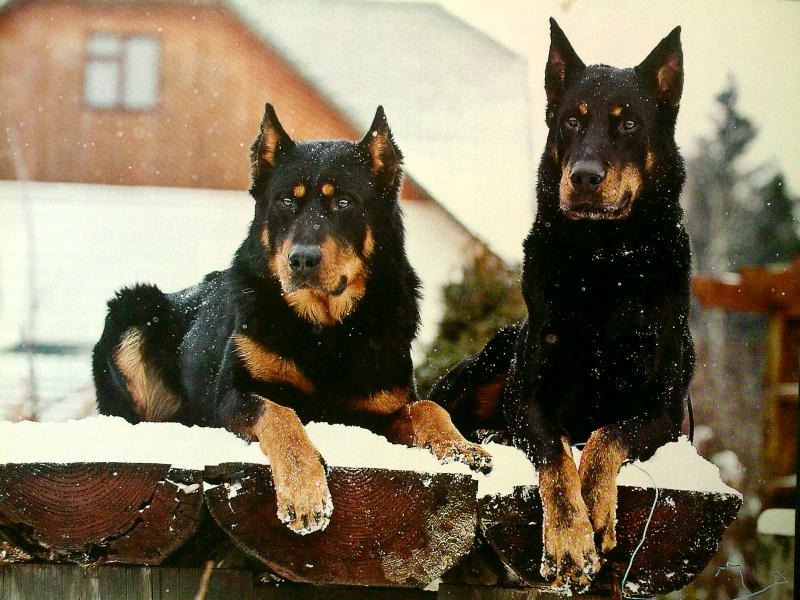
Exotic pets are becoming increasingly popular. Experts are developing increasingly interesting dog breeds by crossing domestic and wild animals. These exotic predators are distinguished by their size, strength, and wild-like appearance.
Shalaika
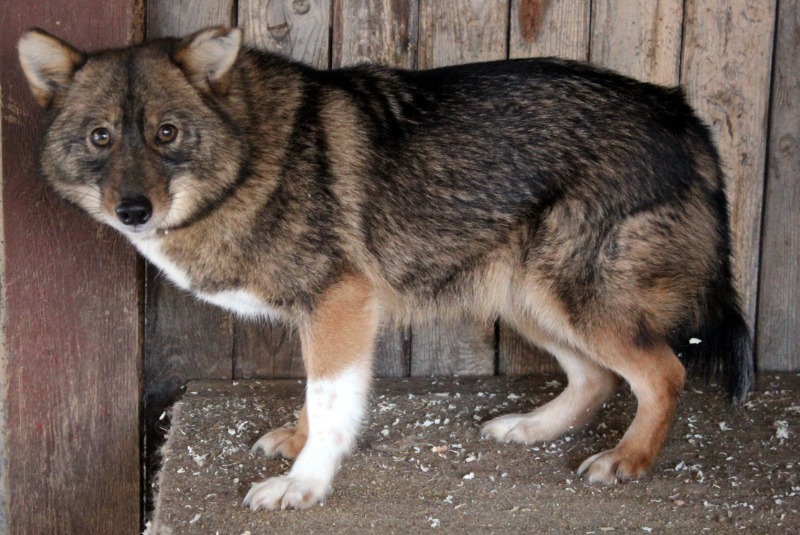
The Shalaika was developed by crossing a Central Asian jackal and a Nenets Laika. This unique breed was developed by a Russian breeder working for Aeroflot's canine service.
Jackals were chosen because they have an excellent sense of smell, a strong immune system, and thrive in heat, able to work at temperatures as high as 40 degrees Celsius, feeding on plants. They can easily detect plant-based drugs. The reindeer-breeding Laika was chosen for its cold tolerance; they can easily tolerate temperatures around -70 degrees Celsius, making this hybrid ideal for search and rescue work in any weather conditions.
Shalaikas have a muscular, medium-sized body with strong legs and a thick, bushy tail. These dogs have pointed wolf-like ears and small amber eyes. Their fur is very thick and coarse, allowing them to withstand cold and strong winds. Due to their small size, Shalaikas can crawl into any crevice and are highly intelligent, fearless, and energetic. Due to their wild genes, these dogs are very willful, independent, and do not become attached to people.
Saarloos wolfdog
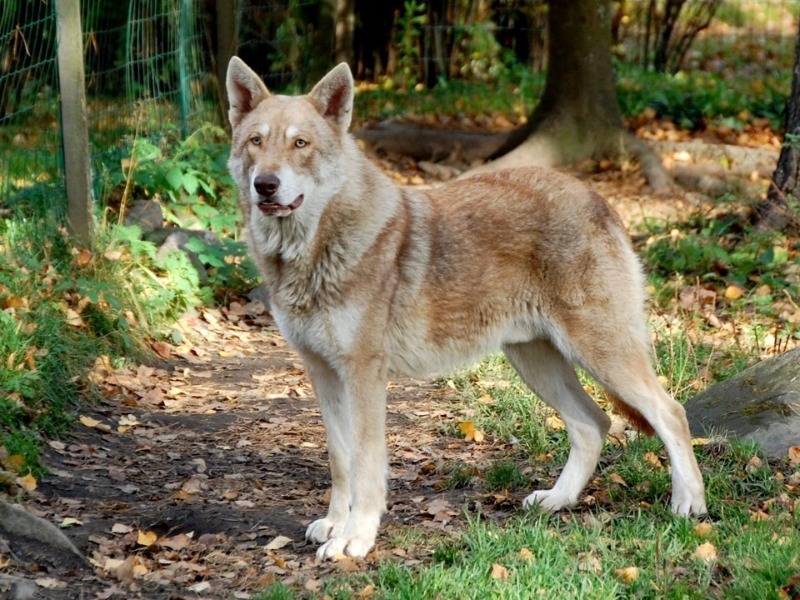
The breed originated in the Netherlands through crossing a German Shepherd and a wolf. They have a well-proportioned body, weighing approximately 40 kg and standing 60–75 cm tall. They have a wolf-shaped head, medium-sized erect ears, yellow eyes, and a close-lying coat of a dark gray or brown color.
The Saarloos wolfdog is a working breed. It lives by pack law and recognizes its owner as the leader without prior training. Although independent, these animals develop a certain attachment to their owners. They follow their instincts to maintain a safe distance from potential threats, whether from people or animals, and will never attack out of fear or without reason. These animals cannot bark, but only howl like a wolf.
Saarloos dogs are used in Europe as guide dogs and in rescue work. The breed's wild instincts limit their use as service dogs.
Wolfdog
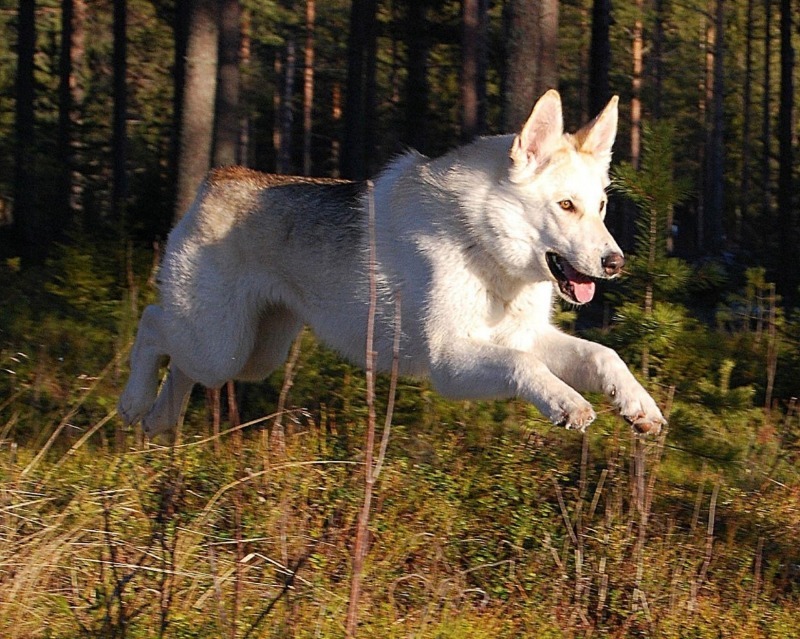
Wolfdogs are a hybrid of wolves and dogs. In many countries, cynologists have attempted to crossbreed wild animals and domestic dogs to produce a working breed with enhanced olfactory abilities.
Hybrids of this breed closely resemble wolves, weighing between 30 and 50 kg, though some individuals reach 65 to 70 kg and stand 60-70 cm tall. They have a large head, upright ears, almond-shaped amber or brown eyes, and a stern, alert gaze. Wolfdogs have large fangs, sharp teeth, and strong jaws. They have a well-muscled chest, a straight back, and strong, long legs. They have a wiry, straight, and smooth coat, and their coloring ranges from black, gray, or off-white.
Representatives of this breed are smarter than wolves and stronger than dogs. They are not afraid of humans, have a more developed sense of smell, and possess great endurance. This hybrid is much healthier than dogs, and their lifespan can reach 20 to 30 years. They are somewhat trainable, so wolfdogs are used for security duties, in the military, or on border patrols to search for intruders.
Volamut
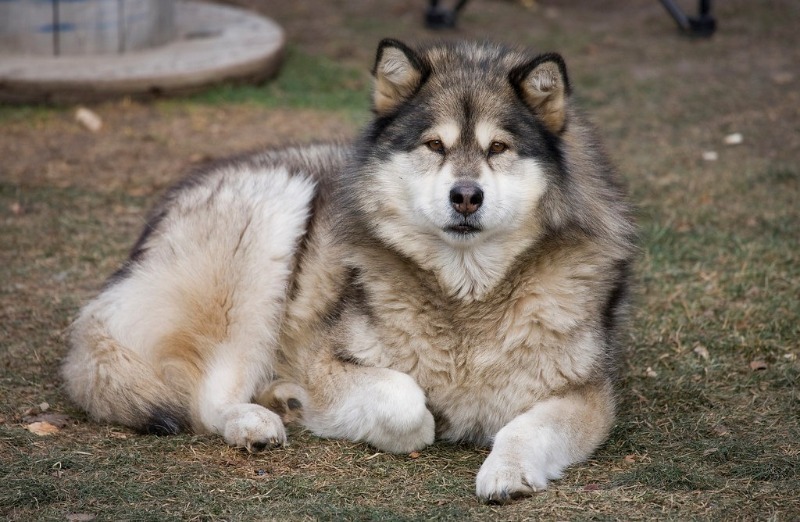
This breed, which became popular in the 2000s, was developed in the United States by crossing an Alaskan Malamute and a timber wolf, hence its other name—the Alaskan Malamute Hybrid. These dogs are quite large, with males sometimes weighing up to 79 kg (175 lbs) and standing 60 to 75 cm (24 to 30 inches) at the withers. They are very similar in appearance to wolves, with a wedge-shaped muzzle, erect, pointed ears, and a white or gray coat with distinct light spots.
Volamutes are very active and agile, so they require more space and thrive in large areas. They need daily exercise, otherwise they may become destructive. They may dig large holes in the yard, chew on objects, display territorial aggression, and get into conflicts with other pets.
Shikoku
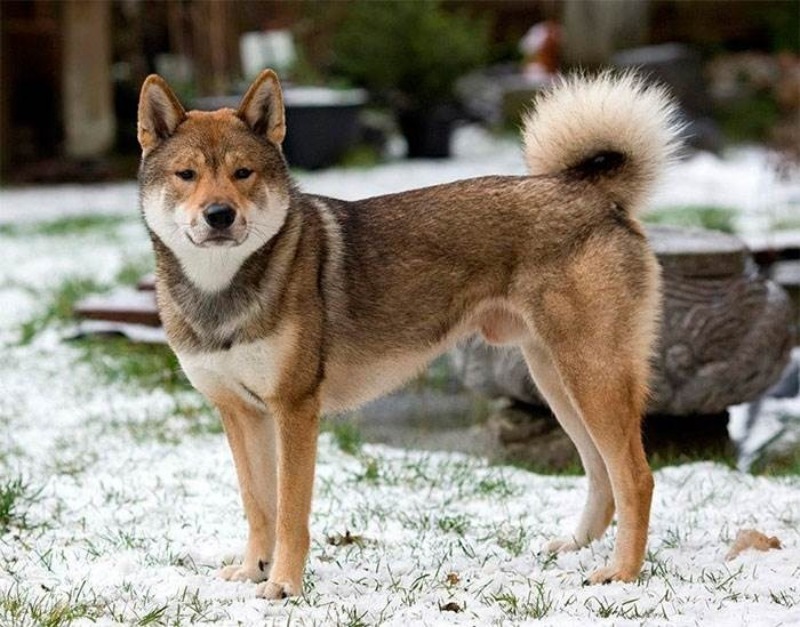
An ancient Japanese dog breed developed in the Middle Ages to hunt wild boar and deer in mountainous terrain, the Shikoku is a very rare breed and is protected.
These animals resemble wolves in appearance, possessing the same smooth and swift movements. Their excellent jumping ability allows them to navigate the mountains with ease. These dogs are medium-sized and well-muscled, with erect, pointed ears, prominent cheekbones, and small, triangular eyes. Their backs are strong and straight, their limbs are well-muscled, and their hind legs have well-developed hocks. These dogs have a broad, muscular loin and a curled, bushy tail. They stand 46–52 cm at the withers and weigh 16–26 kg.
Shikokus have excellent hunting skills; they are very energetic, resilient, and require exercise. These dogs are very observant and curious, devoted to their owners, good-natured, and obedient, but are rarely good with children. They require respectful treatment, otherwise they will snap.