Some dog breeds look like anything but a dog. Prepare to be seriously overwhelmed—here's a list of breeds whose puppies will make you want to adopt them. But their charming appearance requires special attention and care.
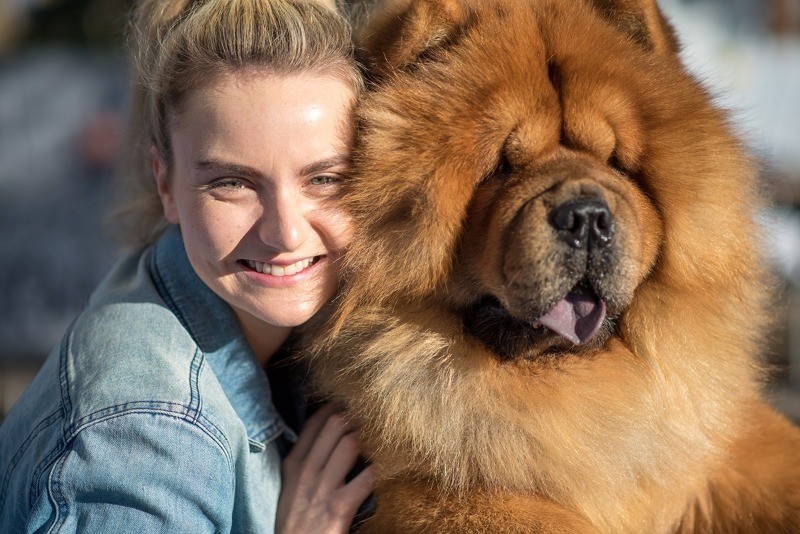
Newfoundland
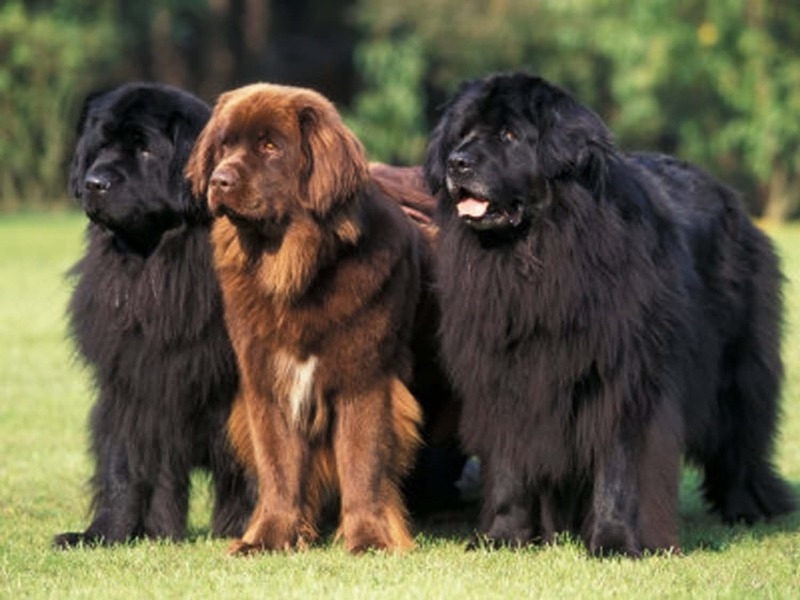
A gentle giant, the Newfoundland is a courageous and intelligent working dog. He is first and foremost a family companion, but also makes a great partner for travelers and hikers.
With their huge paws, fluffy fur, round dark eyes, and chubby cheeks, a Newfoundland puppy could easily pass for a black bear. Brown and black-and-white Newfoundlands are also attractive. Their coat requires constant grooming: bathing them with a special product two to four times a month and brushing them three to four times a week with a stiff-bristled brush. A Newfoundland's haircut shouldn't be drastic; their thick coat protects them from the cold in winter and the heat in summer.
Alaskan Malamute
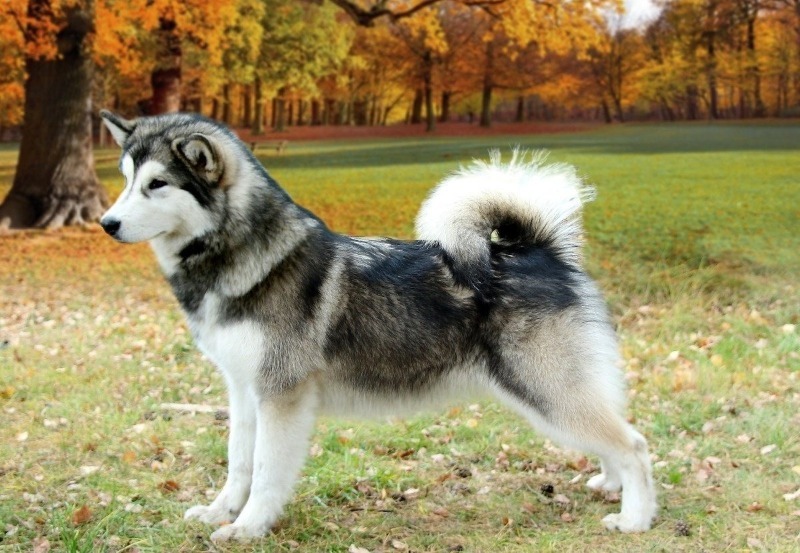
Originally bred for tasks such as hunting polar bears or pulling heavy sleds, the Malamute is now a popular dog breed among families and people with active lifestyles.
With their fluffiness, huge paws, and cheeks, these puppies look like they'll grow up to be elegant white and gray bears. They require bathing every 6-8 weeks, and their long coat with a thick undercoat should be brushed daily or at least every other day. Their thick, moderately wiry coat doesn't require clipping. Malamutes are typically gray to black or red in color.
Chow Chow
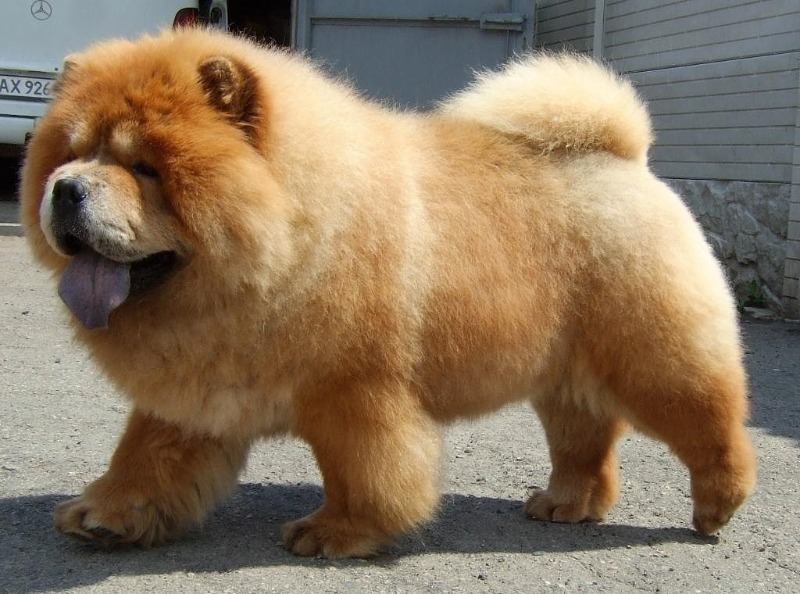
Independent and dignified, the Chow Chow is devoted to one person, although it gets along with all family members. It makes an excellent guard dog, protecting you from strangers.
The purple tongue, teddy bear-like fur, and bear-like gait are distinctive features of the breed. Chow Chows are low-activity dogs and can happily live in any home, including apartments.
While puppies of other breeds still look like dogs as they mature, the Chow Chow, at any age, resembles a teddy bear. Red Chows are most common, but they can also be black, red, blue, and even white. They are exceptionally clean dogs; bathing them two to four times a year with high-quality shampoos and conditioners is sufficient, and grooming them two to three times a week with special brushes is necessary. Many owners are against clipping their Chow Chows, but if you decide to have them trimmed, trust a professional; even an experienced groomer can sometimes spend several hours on the job.
Pomeranian
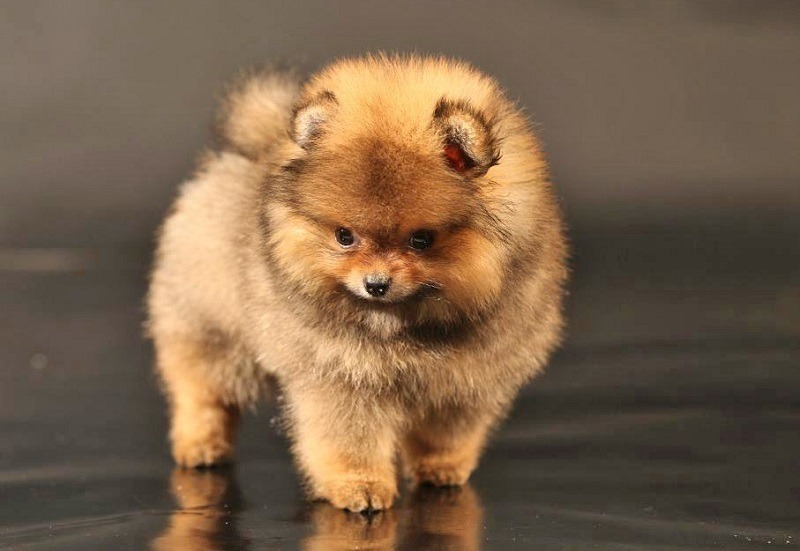
A small, toy-sized dog, this proud yet playful dog looks like a small, fluffy teddy bear. The breed's calm nature and affectionate nature are beloved by many.
Miniature Pomeranians of the teddy bear type have a round head, a shortened, flattened, and wide muzzle, and close-set, round eyes. They appear chubby on the cheeks, but this is an optical effect caused by the thick hair on the cheekbones. The chin is slightly raised, and the tip of the nose is turned up. They resemble a Chow Chow or a miniature teddy bear.
Grooming is simple, but daily brushing is recommended. Pomeranian dietary irregularities can affect the condition of their coat. The Pomeranian looks especially attractive with a short haircut, which makes them look like a plush toy. Red, white, or chocolate—a puppy of any color is incredibly cute.
Poodle
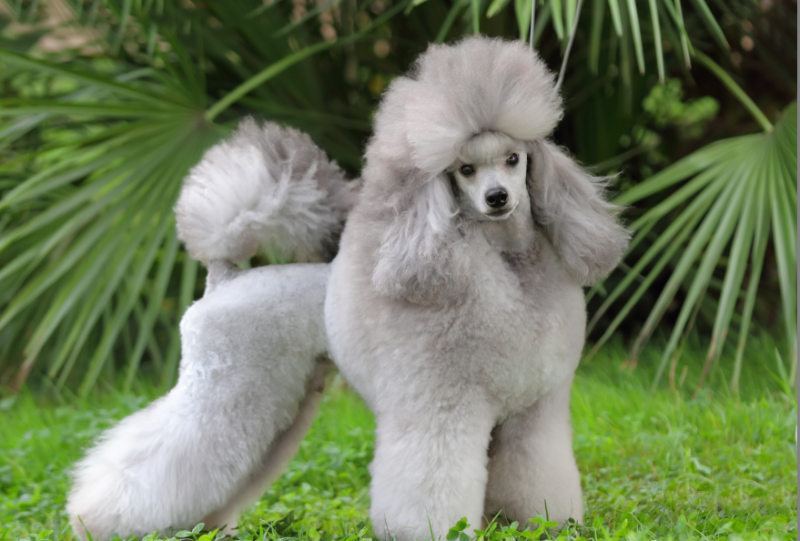
Boundless energy and a sunny disposition make the poodle an excellent family dog. No other breed has a more developed sense of humor than the poodle.
Poodle puppies, especially chocolate ones, resemble teddy bears. So you can't be sure which one is a poodle and which is a toy. White, blue, and peach poodles are also common. Their coat is hypoallergenic, but it does require regular care and grooming. You'll need to use not only shampoo but also conditioner. Starting at six weeks of age, you should accustom your poodle to being brushed. A poodle's haircut can enhance its beauty and grace.
Goldendoodle
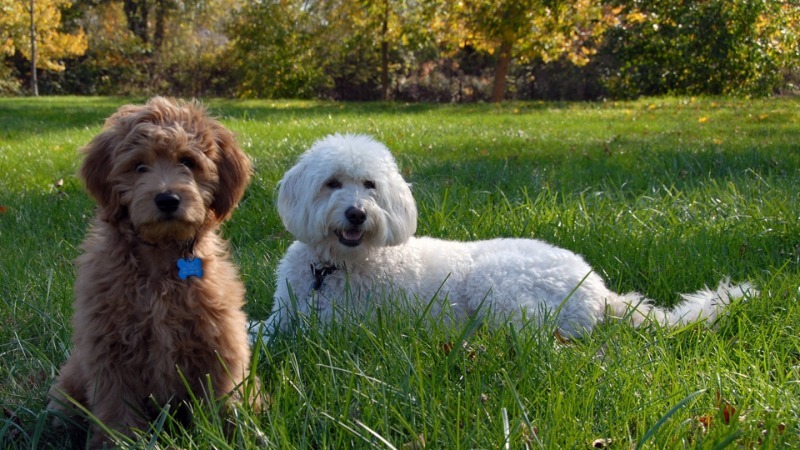
Smart, friendly, and affectionate with a moderate activity level, they require a long walk every day. They are companion dogs. They love people and should live indoors, not outdoors.
It won't surprise anyone if the teddy bear's inspiration is a Goldendoodle puppy with black eyes and a furry coat. Coat color varies. As a puppy, it resembles a teddy bear cub, which, for some reason, barks. The lack of an undercoat makes it a non-shedding breed, but it's important to keep the coat in excellent condition and prevent mats from forming. A "teddy bear" cut not only makes the dog cuter but also prevents infections caused by dirt accumulation on the face and head. While a straight-coated Goldendoodle only needs to be brushed once a week, a curly-coated one requires daily brushing.
 Alexey
1 comment