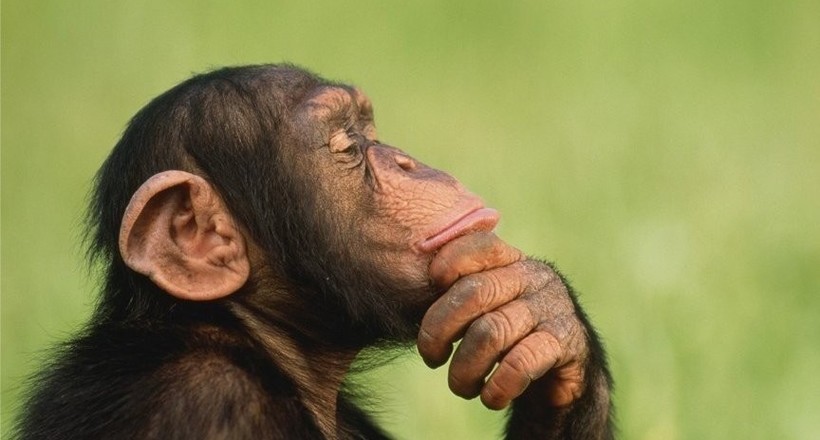
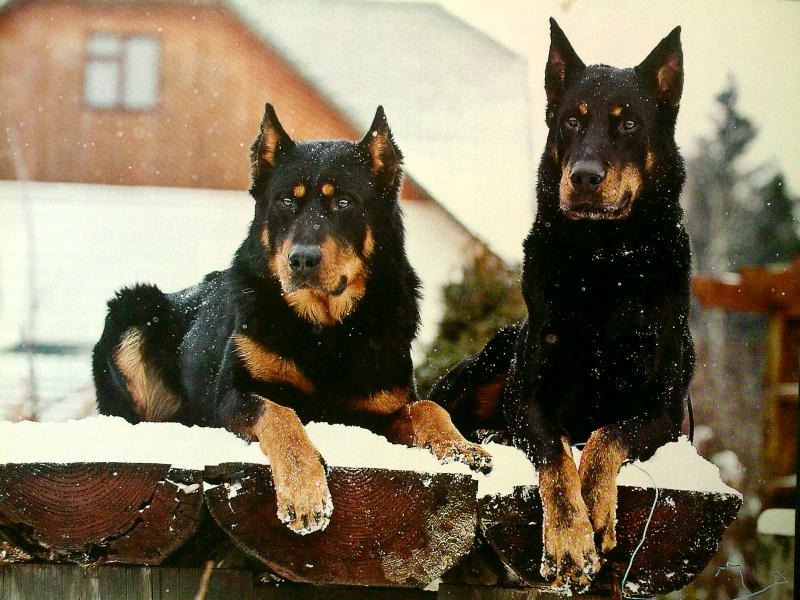
Memory, in various forms, is present in all species of higher animals. Therefore, the behavior of a human, cat, or dog will be determined primarily by life experience, and only then by instincts.
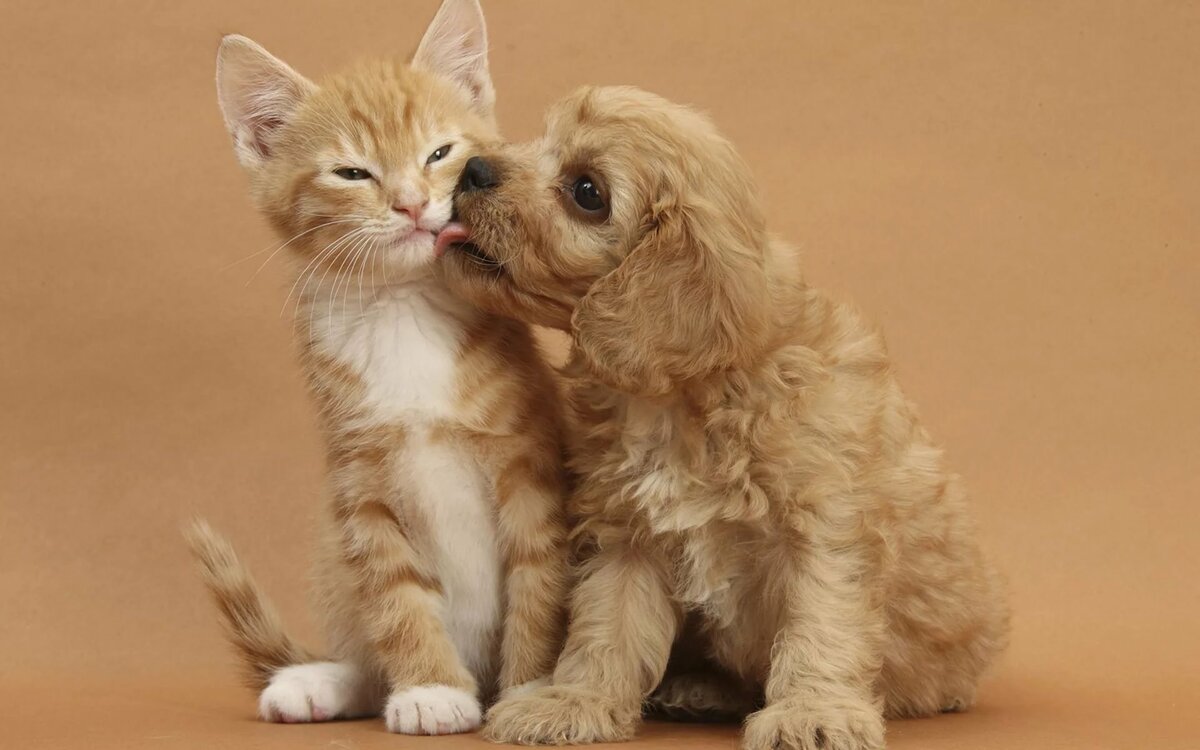
How animals remember
Today, scientists agree that the mechanical parts of the cerebral cortex responsible for memory function similarly in us and in animals. However, humans have significantly greater memory capacity.
Compared to humans, animals have a different memory structure. We remember based on associations with specific images and details. Animals, on the other hand, have a highly developed odor analyzer: their memory processes are most often associated with olfaction.
The memories of our smaller brothers are pure: they, unlike human ones, cannot be subject to analysis or evaluation.
Animals have several types of memory:
- motor skills are reflected in physical skills;
- emotional - helps to build associations;
- figurative - is applied to individual features (for example, auditory or gustatory).
An animal's brain has difficulty remembering sequences of sounds and text, so using gestures is much more important during training. Stressful situations experienced by animals negatively impact memory processes.
How do dogs and cats recognize their owner?
Pets develop a certain image of their owner based on smells, sounds, and visual cues. Zoologists believe that to recognize "their" person, a cat or dog only needs to receive a minimal characteristic, and from that, others will develop.
Almost all cats have an innate preference for solitude, but many still form strong bonds with their owners. Most often, pets compare humans to caring mothers, while they themselves see themselves as a small kitten. Japanese scientists conducted a large-scale study on this topic. Both their owners and strangers approached domestic cats. However, the cats were unable to see the person at the time.
When the owner's voice was heard, the cat turned its head and its pupils dilated. The pet was ready to meet its owner halfway, but when it couldn't see them, it remained where it was, awaiting further information. Cats aren't capable of expressing their emotions as vividly as dogs, but they remember their owners well.
Italian scientists explored the question of how dogs recognize their owners. Their research revealed that our four-legged friends use their eyes for this purpose. As long as a pet has good vision, they will always recognize their owner.
In a scientific experiment, a dog and two different people were placed in the same room. The dog showed greater interest in its owner, and at the end of the experiment, it exited through the same door. However, when the same people (the owner and the stranger) began moving around the room with a bag over their head, the dog lost interest in the situation and its owner.
Of course, smell also plays a significant role. Thanks to this ability, a dog recognizes its owner even if their appearance has changed. Dogs have an incredible ability to recognize their owner even after a long separation. This is true if the person is associated with only pleasant memories.
How to train animals so they remember quickly
There are 3 basic rules for training animals.
- Give them new information in small portions and systematically, so that it fits into the material they already know.
- Each of your actions must be repeated a certain number of times.
- The learning process is conducted in a playful manner. Let it evoke some emotions in the animal!
While dogs are easy to train, cats are much more challenging. Any owner who wants to teach their cat anything must be well aware of the peculiarities of their memory. For a furry animal, only the most essential information is valuable. A cat won't remember the appearance or smell of people who haven't shown them any attention, but will cherish the image of someone who once hurt them for years.
Therefore, training an animal needs to be reinforced with meaningful things: food, affection, praise. Cats remember the sound of a refrigerator door opening or the rustling sound of a bag of dry food for their entire lives. Scientists have discovered that cats have a strong short-term memory. Dogs, on the other hand, have a more developed long-term memory, and their short-term memory lasts no more than 5 minutes (in cats, it lasts an average of 12 hours).