A new tax on animals may be adopted in Russia in 2019. The draft text is already being developed.
What is it for?

The tax also exists in some European countries.
According to lawmakers, the tax will encourage pet owners to be more responsible. Tighter controls on pet ownership will require each animal to be issued a veterinary passport, which will record its vaccinations and illnesses. In addition, microchipping of pets will become mandatory. Previously, this procedure was voluntary.
The chip will make it possible to locate an animal. Now, the owner of a dog that bites (or simply frightens) a passerby will not be able to escape punishment. The owner will have to ensure that the dog does not wander outside the yard or apartment alone and without a muzzle and leash.
The reasons why hamsters and guinea pigs are subject to the law are still unclear. These animals are unable to harm passersby because they are kept indoors.
It is assumed that taxes should cover the additional costs of installing a chip, treatment, and maintaining records in the animal's passports. Consequently, the adoption of the law will have a positive impact on the country's economy.
How much and for what will you have to pay?
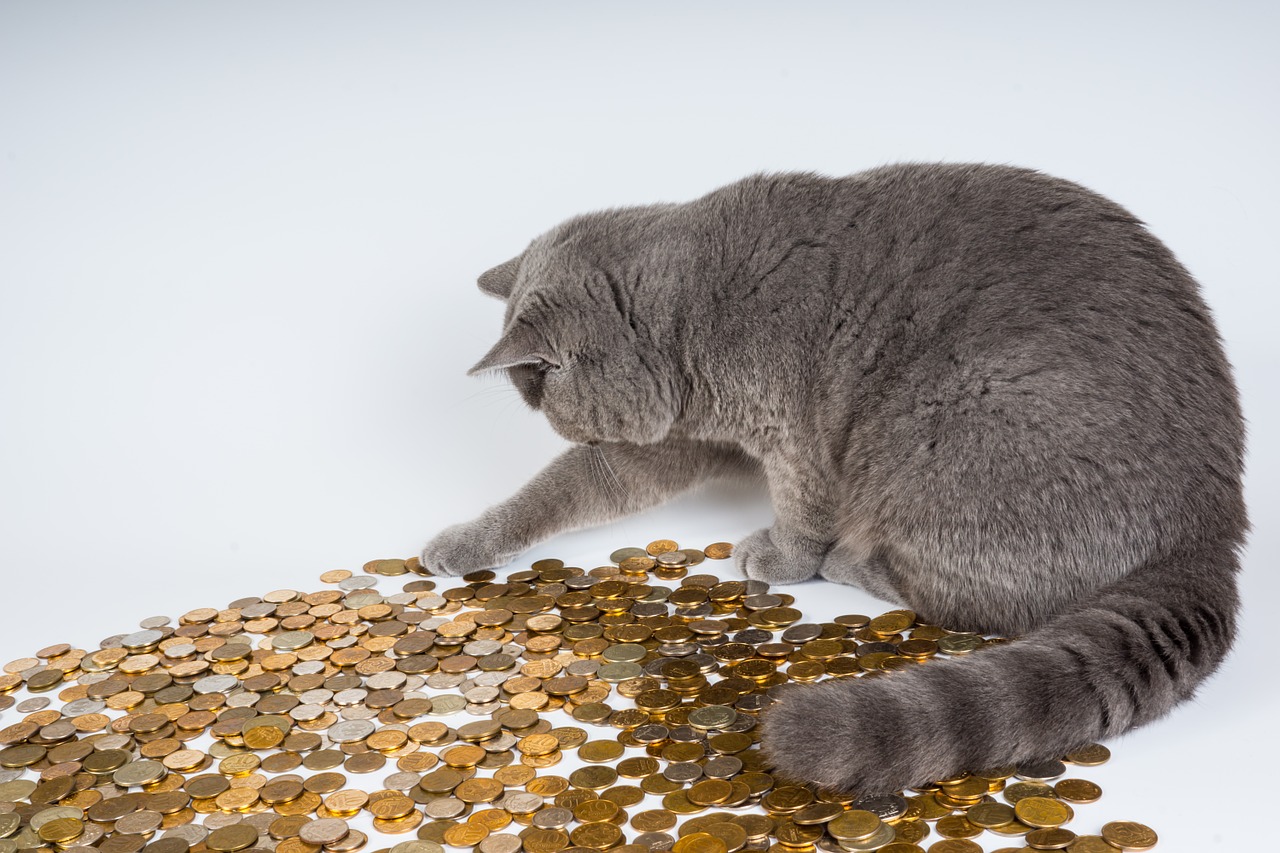
The tax is supposed to be paid annually
The draft document is currently being developed, so only approximate pet tax amounts can be indicated:
- dogs - from 1,200 to 15,000 rubles depending on size and breed;
- cats - on average 5000 rubles;
- hamsters - 120 rubles;
- Chinchillas and guinea pigs - 800 rubles.
There are no plans to tax the keeping of farm animals and birds, as well as aquarium fish.
Implanted microchips will help hold accountable unscrupulous breeders who sell animals that violate the breed's standards.
Possible consequences
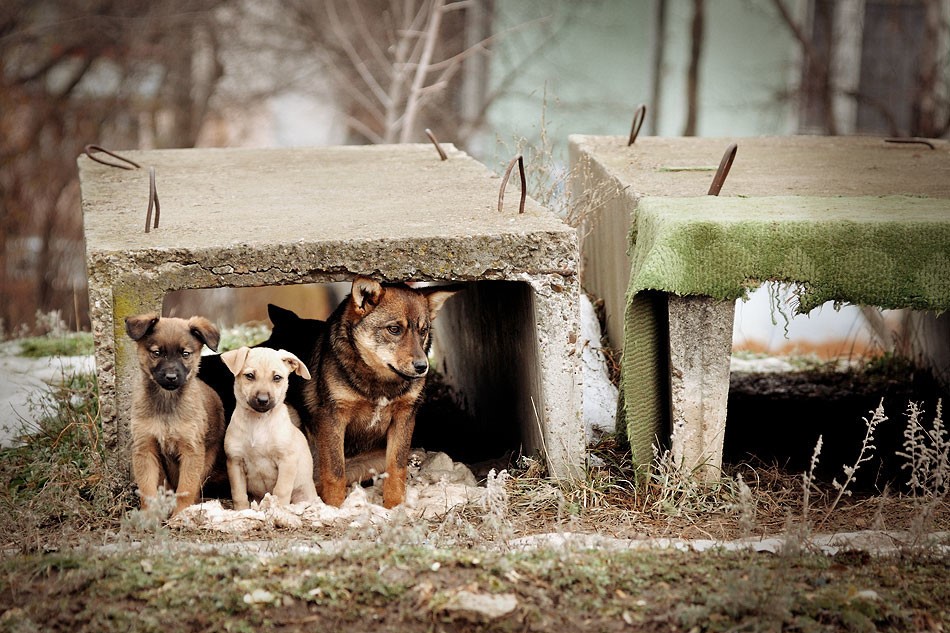
The introduction of the tax may lead to an increase in the number of homeless animals.
Animal rights activists are wary of the potential negative consequences. They believe that only a few owners will develop a responsible attitude toward their pets. Only elite show animals, which were already quite expensive to purchase and maintain, will be microchipped and registered. Those same cats and dogs picked up off the streets by pensioners and children will once again become homeless after the tax is introduced. The country will see a huge number of animals whose owners are unable to afford taxes and veterinary procedures.
This will also increase the burden on the country's economy. The cost of trapping and sterilizing stray animals will be paid for by federal budgets.
There is also no information yet about the owners' liability in case of non-payment of taxes.
So far, there are no specific details regarding the pet tax. Pet owners can only hope that lawmakers will correct all the shortcomings in the upcoming law, which are already evident.


 Andrey Timeskov
1 comment