The decision to get a pet has already been made. The next step is choosing your future pet: a dog or a cat, a large breed or a small one, and which is more expensive. Therefore, before deciding on a pet, it's a good idea to research the habits and requirements of different breeds.

Food costs
This is the main expense item and depends on how the animal will be fed: natural food or prepared food.
Eating natural foods requires time and money. You need to buy fresh produce; cook cereals, meat, and vegetables, and then take supplements like vitamin and mineral complexes.
Prepared food is already balanced and contains all the necessary vitamins and micronutrients; you just need to calculate the daily feeding requirement correctly. While cats require roughly the same amount of food (there's not much difference between their sizes), small, medium, and large breed dogs have different daily feeding requirements.
Small breeds (up to 10 kg) with an active lifestyle require up to 200-250 grams per day, medium breeds (up to 30 kg) - about 400 grams, and large breeds sometimes need more than 800 grams if the pet's lifestyle is quite active.
In any case, nutrition depends on the size and individual characteristics of your dog or cat. The key is to find the optimal amount of food for your pet that will ensure their well-being.
Therefore, cats and dogs of small breeds are less expensive in terms of nutrition.
Basic care costs
Shampoos and combs are essential for both dogs and cats. These days, there are shampoos for grooming, parasite prevention, and skin protection. It's worth remembering that pets don't need frequent bathing.
If you decide to get a long-haired dog, you'll need to consider grooming. This procedure is especially recommended for Yorkshire Terriers and Shih Tzus. Cats, however, don't require grooming, unless the owner wants a trendy haircut.
In this expense item, long-haired breeds of dogs will be more expensive.
Main expenses for medical services
Annual vaccinations are mandatory for all pets, and the cost will vary depending on the dog or cat's weight, as the dosage is determined individually.
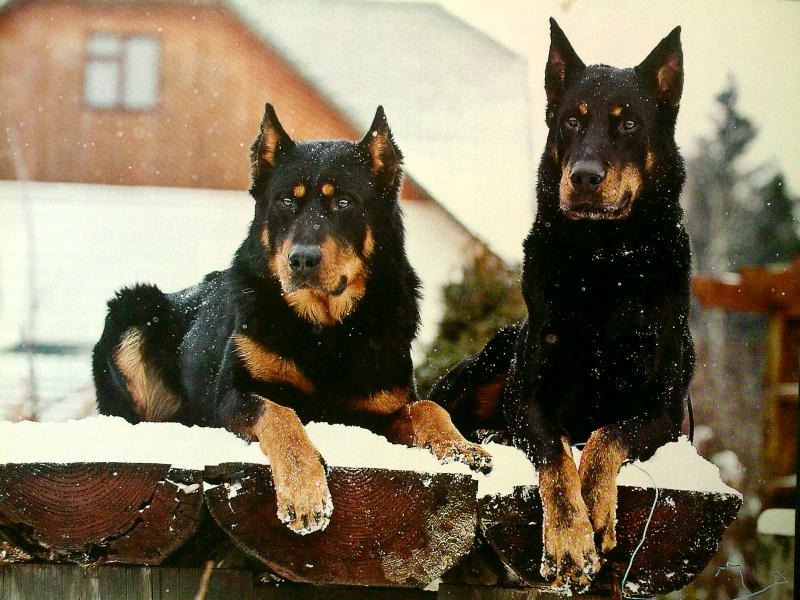
Vaccinations for a large breed like the Asian Shepherd are quite expensive. Furthermore, spaying and neutering will be an additional expense if the owner isn't purchasing a purebred dog or cat for breeding.
It's also a good idea to have your pets examined regularly; it's important to monitor their health and prevent the development of diseases.
Large breed dogs are the most expensive when it comes to vaccinations.
Basic expenses for pet leisure items
Each pet should have its own place - a bed and at least one toy.
Cats don't always spoil their beds with their attention; there are people who are completely indifferent to this item.
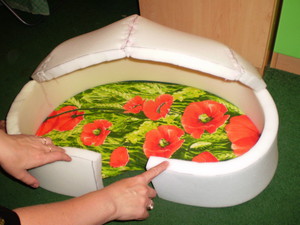
But dogs love their place and should have their own "corner" so they know where to sit or lie down when they hear the "place" command. The larger the dog, the larger the bed should be, and therefore, the more expensive.
Dogs also love various toys—rubber balls, bones, chickens, and rope bones. On walks, they don't mind playing with them: catching a ball or chewing on a rubber bone.
Cats are more comfortable when they're on their own, so a rubber ball with a bell inside is enough, or even better, a stick with feathers hanging from it. Cats prefer hunting to playing.
Therefore, when it comes to pet leisure, male and female cats are less expensive.
Special expenses
Cats, for example, need a scratching post and cat litter if they don't have direct access to the outdoors. But for cats living in a private home, these expenses are eliminated: they can sharpen their claws on a tree, and the litter is completely unnecessary.
Small cats and dogs living in apartments should have access to grass, as their digestive systems often leave much to be desired. Large breeds have an advantage in this regard.
Treats for training and praise will be a particular expense for dogs, because without them, it will be difficult to turn a dog into a well-behaved friend.
According to statistics, maintaining a large-breed dog costs approximately 1,500,000-2,000,000 rubles per month. The largest portion of this money goes toward food and medical care. Small-breed cats and dogs are less expensive, but are unlikely to protect the home from unwanted guests if the purpose of owning a pet is not only to please the family but also to protect the home.
 Vitaly Otdelnov
1 comment