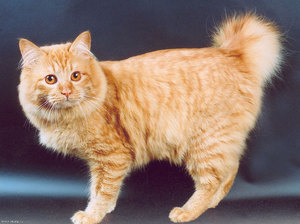
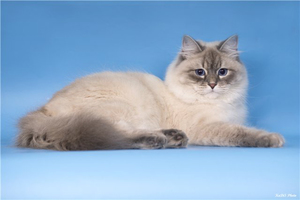
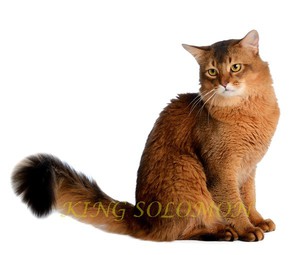
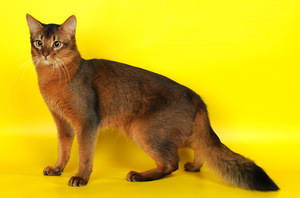
 The Somali cat is one of the well-known names for a longhaired cat breed whose ancestors are the purebred Abyssinian. Known as the "domestic fox," these animals are highly active and energetic, making them ideal pets for those with an active lifestyle. However, if your favorite pastime is relaxing on the couch, you might want to consider a different breed.
Content
A bit of history
Although much time has passed since the Somali was first registered as a separate species, no expert can yet say for certain how this breed originated. One theory is that it was the result of a genetic mutationSome scientists say that the Somali cat was created by crossing an Abyssinian with an unknown longhaired cat.
The first representatives of this breed chose New Zealand, the USA, Australia and Canada as their place of residence. A characteristic feature Abyssinian cats had long, shiny fur. However, given the task at hand get purebred animals, the offspring did not arouse any interest at that time and at the first opportunity they were distributed to everyone who wanted them.
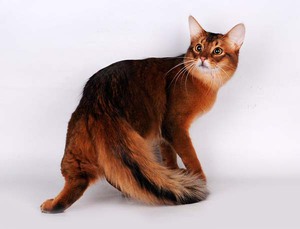 In 1963, a remarkable event took place in Canada: during a local cat show, visitors were introduced to a long-haired Abyssinian, presented by breeder M. Mayling. A few more years passed, and a similar event took place in the United StatesAmerican Evelyn Mague, who made efforts to promote the breed, managed to register the first representative of the breed, which was later given the name Somali.
Already in those years, many breeding scientists began to unite, resulting in the creation of the Somali Lovers' Club in the 1970s. But at the official level This breed was recognized only in 1978 in the United States. Today, these animals are also known in the European part of the Eurasian continent.
Description of the Somali cat
Representatives of this breed are medium to large-sized animals, typically weighing no more than 4–6 kg. Their distinctive features include a slender, graceful body complemented by well-developed muscles.
The main external characteristics of Somalis are:
- The head is of medium size, wedge-shaped, with beautiful and smooth outlines, and at the end there is a rounded, clearly defined chin without an underbite;
- The ears are quite large, pointed at the tips, and have a wide, arched base. Their striking appearance is due to tufts of hair adorning the inside, extending to the other edge of the ear. Some individuals may have tufts at the very tips of the ears;
 The Somali breed's appeal lies in its exceptionally beautiful, almond-shaped eyes, which have a dark outline, creating a painted-on effect. A thin black line runs vertically across the eyes, while a curved horizontal line leads to the ear, accentuating the almond shape. Eyes of amber, hazel, or greenish-yellow shades are captivating, making it difficult for anyone meeting these cats for the first time to take their eyes off them.
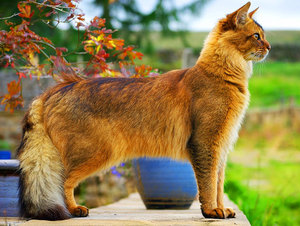
- Somalis have a graceful and unusually flexible body, which is also very muscular, ending in an incredibly flexible, long, and fluffy tail. The chest is prominent, and the back is slightly arched, making the animal appear ready to spring at any moment. Small, oval paws complement the body perfectly, giving the animal a finished look.
- Somalis have fine fur, yet very dense and soft. A rich undercoat is essential for this breed, providing protection from the cold. The coat is unevenly distributed across the body: short on the shoulder blades, longer on the back, and very long at the very bottom, where the belly is.
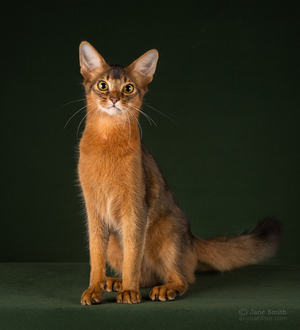 The Somali breed's appeal lies in its exceptionally beautiful, almond-shaped eyes, which have a dark outline, creating a painted-on effect. A thin black line runs vertically across the eyes, while a curved horizontal line leads to the ear, accentuating the almond shape. Eyes of amber, hazel, or greenish-yellow shades are captivating, making it difficult for anyone meeting these cats for the first time to take their eyes off them.
Somalis are distinguished by the presence of a frill on their neck and tail. This is much more pronounced in males than in females.
The main characteristic by which one can recognize a Somali cat is its distinct ticked coat. All hairs have several colors, and they always have dark-colored transverse hairs running through them. However, cats may also have other colors:
- sorrel (red with a copper tint);
- fawn (harmonious combination of beige and pink tones);
- wild color (various shades of brown in combination with ocher, red, orange);
- silver, blue, etc.
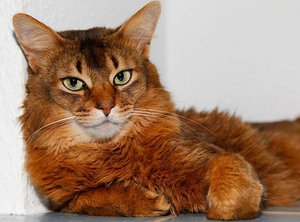 sorrel (red with a copper tint);
The character of Somalia
All Somali cats, without exception, are very active and lively creatures. They can't sit still, so they try to be mischievous, play, and get into mischief at the first opportunity. Before purchasing a purebred Somali kitten, a person needs to be prepared for the fact that his apartment will often be in disarray Dishes break, things are misplaced, and toys are scattered everywhere. His pet will cause these troubles both during the day and at night. When the cunning "fox" tires of his mischief, he will apologize to his owner, turning his intelligent, bottomless eyes upon them.
The Somali cat's defining trait is tenacity and courage. Therefore, they will do anything to get what they want. If strength proves insufficient, they resort to purring or devoted affection and tenderness. Somalis enjoy being stroked behind their fluffy ears and on their backs.
It is not recommended to leave Somalis alone and limit their attention. Otherwise, they will become sad and depressed. If this there is nothing you can doWhen choosing these cats, it's best to find a mate for her right away. Otherwise, you'll have to take her with you at all times.
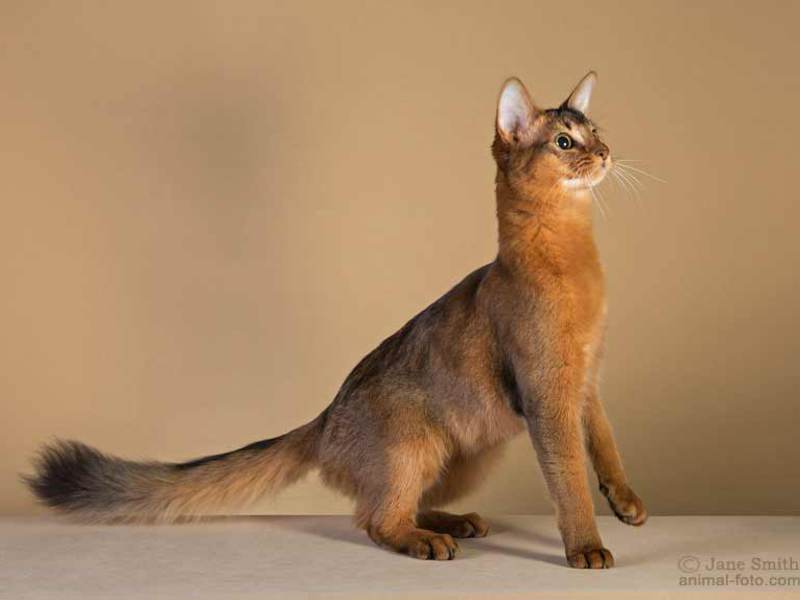
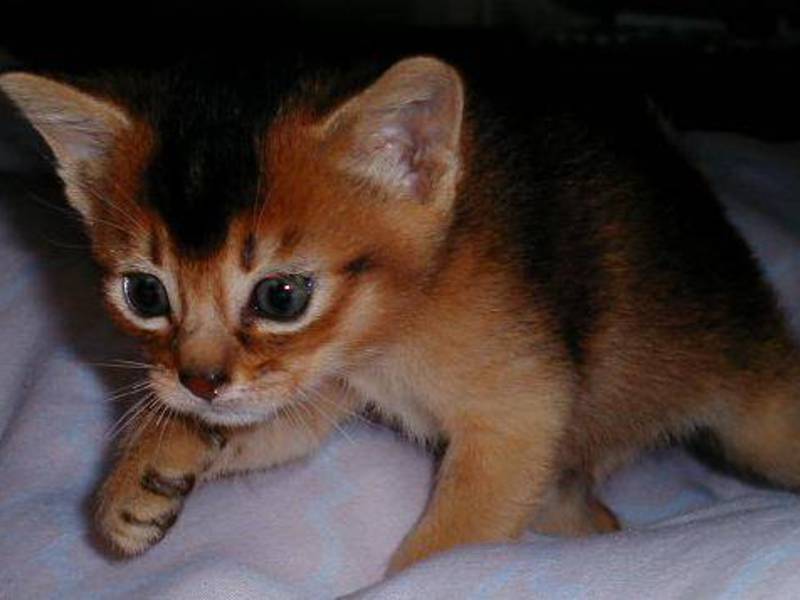
Somali cats enjoy playing with toys in the water. They love watching objects floating in the water. This sight makes many members of this breed want to nudge them with their paws. But,to establish a yeshiva in a Somali's homeThe owner should purchase a sufficient number of toys in advance. If there aren't enough, the Somali cat will begin to use household items, including the owner's personal belongings.
Unlike their relatives, Somalis are an exclusively domestic breed, so they do not enjoy spending long periods of time outdoors.
Care tips for a Somali cat
 Somali cats are exceptionally strong and healthy animals, rarely prone to genetic abnormalities. However, they can sometimes experience health issues, primarily with their teeth and gums. at certain periods of their lives There is a risk of protein metabolism disorders. Therefore, owners should constantly monitor their Somali cat's diet to avoid such problems.
Nutrition
Somali kittens are generally not picky eaters. Therefore, they happily devour both dry food and any other food they can get their hands on. If the base The Somalis' diet consists of dry food or canned cat food, then you need to choose them especially carefully, making sure that they are of high quality and have not expired.
- Before purchasing dry food, carefully read the ingredients. The best food for your pet will be one that contains beneficial substances and the necessary vitamins.
- If you're accustomed to feeding your Somali cat natural foods, it's best to choose steamed, boiled, or raw fish. Including fresh vegetables, meat, and dairy products in your Somali's diet is a good idea. However, in any case, pay special attention to the quality and quantity of food, as this affects the health and activity of the growing kitten.
- If you feed your kitten too often, giving it large portions, it may experience metabolic disorders, obesity, and other equally dangerous diseases.
Grooming
 Kittens can be accustomed to bathing even in early puppyhood. This will be very beneficial, as they will not be afraid of water activities later on. If you want your pet to always have a luxurious, fluffy coat that won't mat, it requires special attention. To achieve this, You will have to bathe your Somali cat from time to time., using specialized shampoos and gels.
At the end of the procedure, it is necessary to comb his fur very carefully, using a special brushSomalis are generally light shedders, but regular brushing will help prevent dead hair buildup and matting.
As a Somali kitten grows, its claws will continue to grow, so they also need to be cared for, trimmed as needed. you will have to buy nail clippers or special clippers. However, before trimming, it's a good idea to disinfect the tools and nails in a weak alcohol solution or hydrogen peroxide.
The Somali's ears are no less important and require proper care. Owners should regularly monitor their condition, cleaning and rinsing them to prevent infection.
If you've decided to bring a little friend into your home, you'll need to devote a lot of attention to ensuring they grow up healthy. Therefore, it's a good idea to vaccinate them in the first few months of life and make sure they visit the veterinarian regularly.
Conclusion
Somalis have many qualities that attract their owners. Many people love these animals for their playful nature, making Somali cats wonderful companions who will help you relax. However, to make yours... the favorite always remained cheerful, he needs to be given adequate attention. This applies not only to choosing the right food but also to caring for his coat. Even though Somalis shed little, it's still a good idea to take special measures. After all, when a cat is kept clean, it not only looks beautiful but also stays healthy.