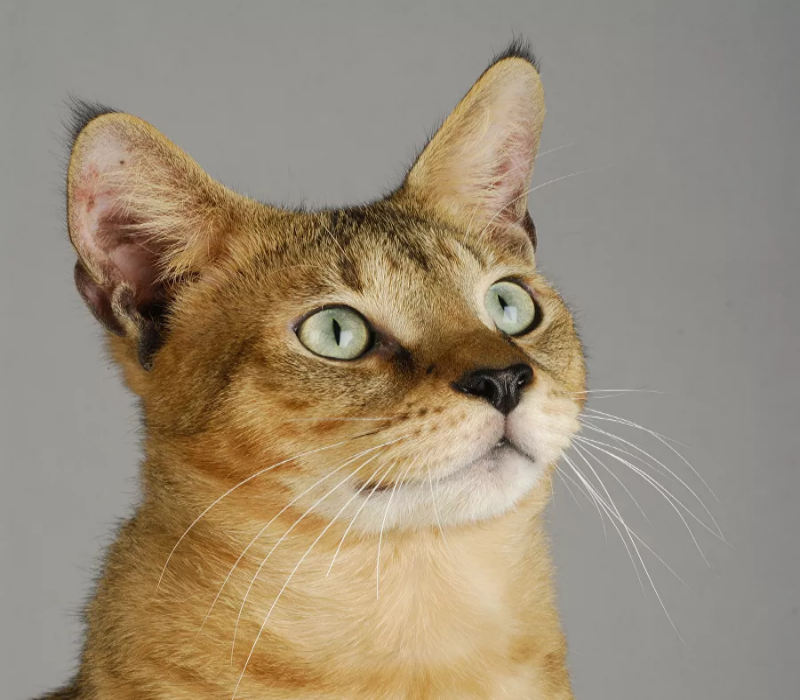
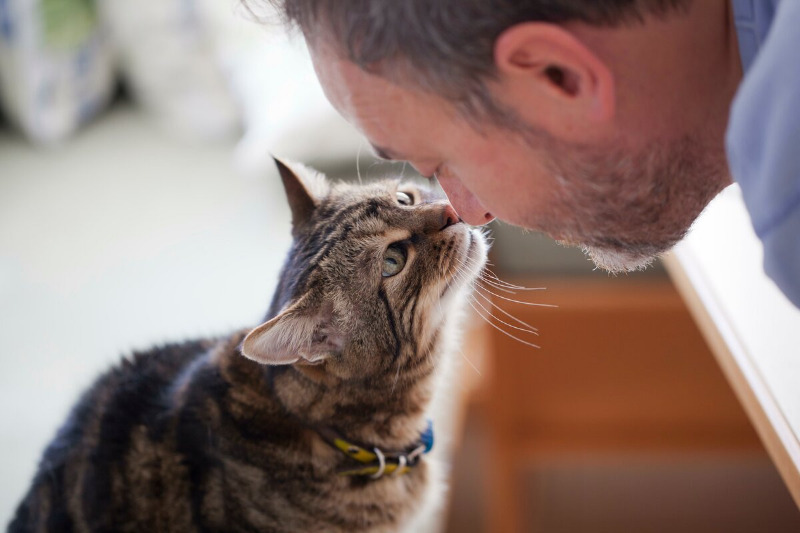
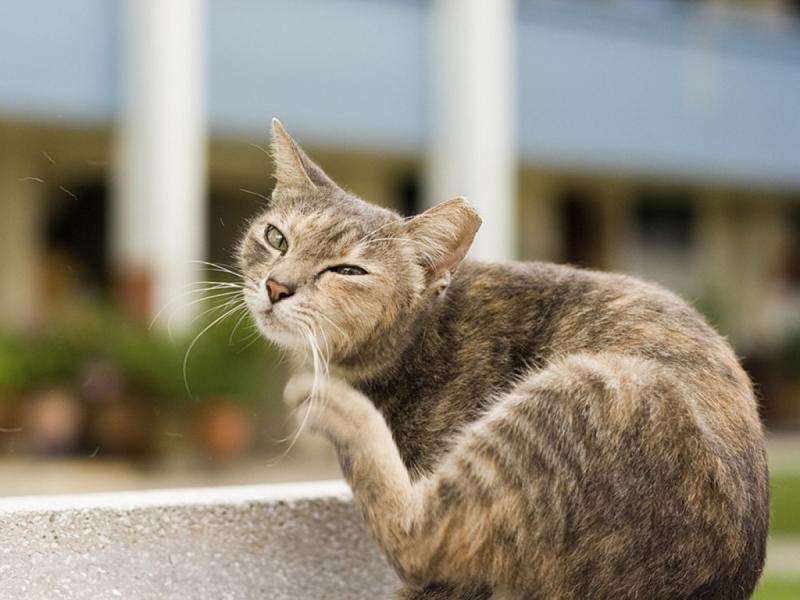
Cats' pupils can change very quickly, from narrow slits to a full circle and back again. This reflects the pet's physiological state and its reaction to its surroundings. Let's look at the main causes of pupil dilation in cats.
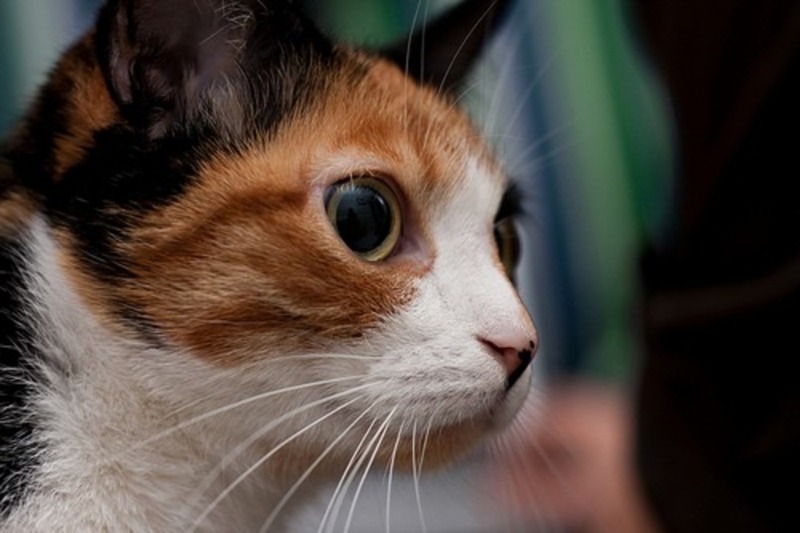
Reaction to darkness
In a dark room or at night, a cat's pupils are always dilated—this is completely normal. This physiological characteristic helps them see better and more clearly in low light.
As soon as the light is turned on, they turn into narrow stripes again.
During play or hunting
A cat's pupils are constantly dilated during play and hunting, even when it's hunting a paper mouse. Firstly, this allows the animal to see potential prey more clearly and better judge the distance between objects. Secondly, this is a natural response to the release of active adrenaline. After the game, everything returns to normal.
The cat is scared
Fear, surprise, or aggression are also accompanied by significant pupil dilation. A cat's vision is such that everything appears blurred. When excited, the animal intuitively seeks to maximize the focus on the source of discomfort.
In addition to dilated pupils, signs of discontent in a pet may include hissing, pressed ears, and fur standing on end.
Chronic anxiety
If your cat appears calm, but one or both pupils are constantly dilated, it's time to take a closer look. It's quite possible there are some health issues with your pet.
For example, your pet may suffer from chronic anxiety. This can have various causes, ranging from a change of residence to the addition of another animal to the household. The following signs can help you recognize this condition:
- change in appetite (lack of appetite or, conversely, increased interest in food);
- problems with the toilet (the cat ignores the litter box);
- unwillingness to take care of one's own fur;
- attempts to constantly hide;
- increased excitability and alertness;
- incomprehensible lethargy of the animal.
Long-term stress can negatively impact a cat's health. The sooner the cause is identified and addressed, the better.
Severe pain
Dilated pupils in cats can also be observed when they are in pain. You can tell if your pet is unwell by the following behavioral signs:
- the cat is sedentary;
- meows loudly and continuously;
- moves unnaturally.
The animal may be suffering from kidney or stomach colic, heart disease, infections, or cancer. In any case, it is necessary to take it to the veterinarian as soon as possible.
Sexual instinct
During the "cat wedding" period, a cat's pupils may be constantly dilated. This is normal. This is the body's response to hormonal changes.
Classic signs of a roused reproductive instinct include loud meowing, pressing the pelvis to the floor, raising the tail, frequent urination, and licking the perineum. There's no cause for concern: the pupils will return to normal after the heat period ends.
Poisoning
If, in addition to dilated pupils, your cat exhibits poor coordination (unsteady gait) and vomiting, this indicates poisoning. It's important to note the frequency of vomiting, stomach contents, and eye reactivity to light, and take your cat to the vet immediately.
Dilated pupils are usually a sign of poisoning, which cannot be neutralized on your own.