Today, there are over a hundred known cat breeds and 700 varieties. All of them have distinctive features, sometimes quite interesting. We'll tell you about the breeds that surprised us with their ears.
Dwelf (Dwelf)
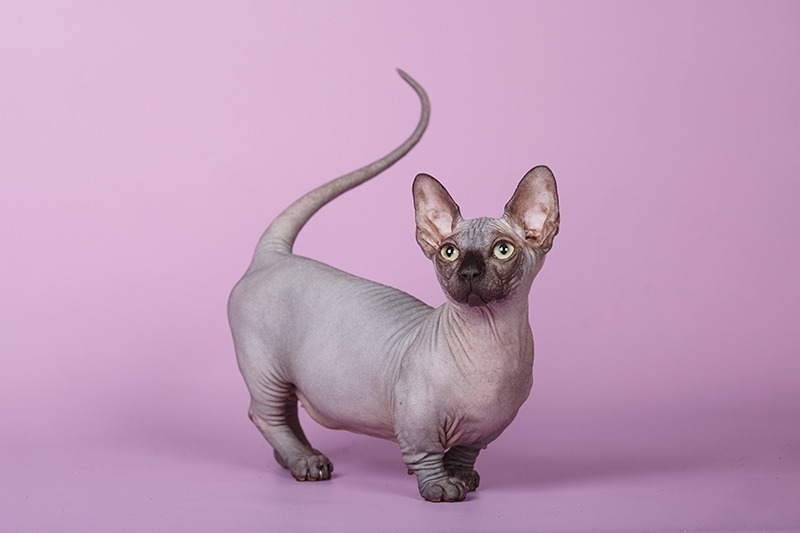
His name is a combination of his appearance and his dwarf stature. The breed is considered a designer one, as it was developed by crossing breeds with several mutations. A distinctive feature is his unusually shaped ears, which curve toward each other. His skin feels like suede, and his whiskers and eyebrows may be short or absent.
Dwelfs are excellent companions for those with plenty of time to spend with them. These cats prefer to be around people, so they should be included in all family activities and not left alone. Dwelfs are playful, intelligent, and trainable, love toys, and easily perform funny tricks.
Orientals
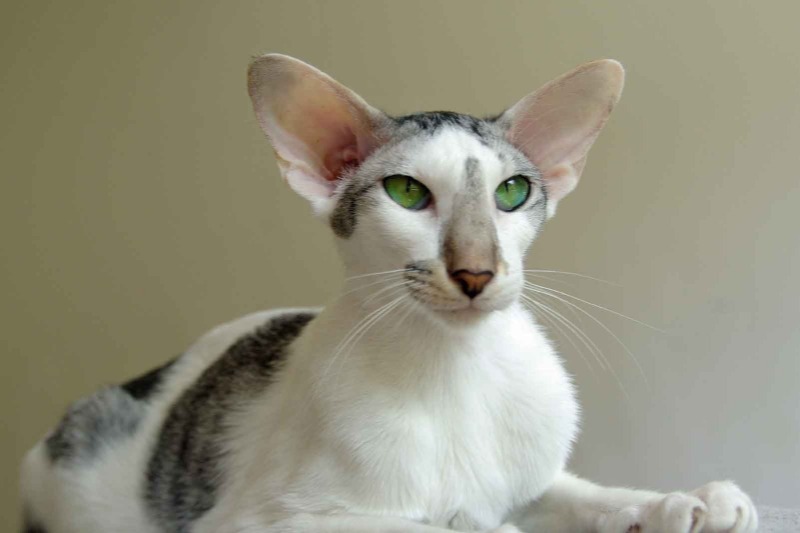
From the tip of his nose to the tip of his long tail, this cat captivates those around him with his elegance. He glides gracefully across the room on long, slender paws. The lines of his angular head flow into his large, flared ears, and his beautiful almond-shaped eyes are a sight to behold.
The breed arose from crossing several other cats. After World War II, many domestic cat breeds were threatened with extinction. To revive the Siamese, breeders in England began turning to Russian Blues, Abyssinians, and British Shorthairs. This extensive selective breeding resulted in the kittens that became the foundation for the Oriental breed.
Unlike other cat breeds, which are shy and wary of strangers, most Orientals enjoy meeting new people and will readily jump into a guest's lap. These cats can be trained to perform tricks and enjoy perching in high places (such as on top of the refrigerator or cabinets) to keep an eye on what's going on below.
Devon Rex
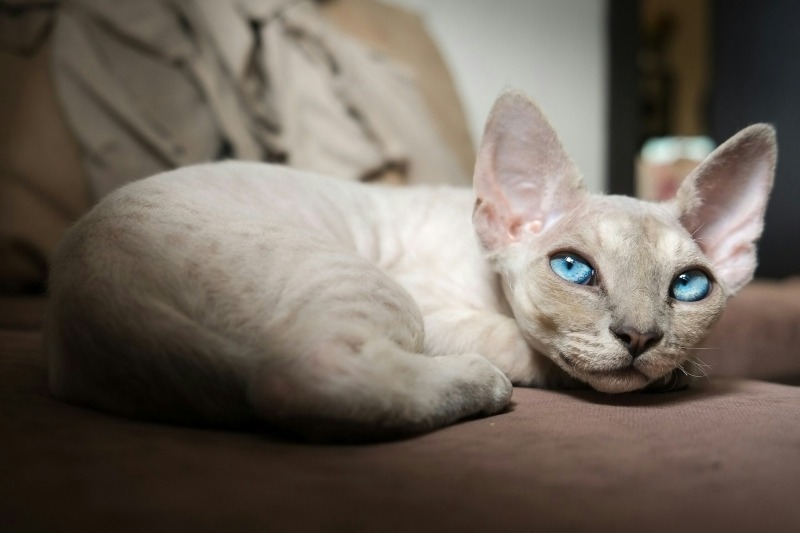
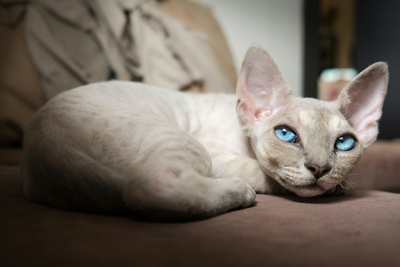
The Devon Rex's appearance is far from typical of cats. It has a long neck, an unusually shaped head, and huge ears, set against an "elfin face" with large, mischievous eyes.
Devon Rex are a cheerful and loving breed with a laid-back nature and delightfully silly habits. They follow their owners around the house, purring and meowing joyfully. Children become their best friends, as both are tireless and inventive in their play.
The breed possesses an almost canine devotion. Their favorite resting place is in a person's arms, landing on their lap as soon as their owner sits down. Don't be surprised if you find a Devon under a blanket or on a pillow. They are very attached to all family members and don't like being left alone for long. However, Devons do enjoy the company of other pets and can even make friends with a rabbit or ferret.
A tendency to overeat is perhaps cats' only flaw. These sly little creatures can look at your plate as if they haven't been fed in a week, even if it's a salad with olives.
American Curl
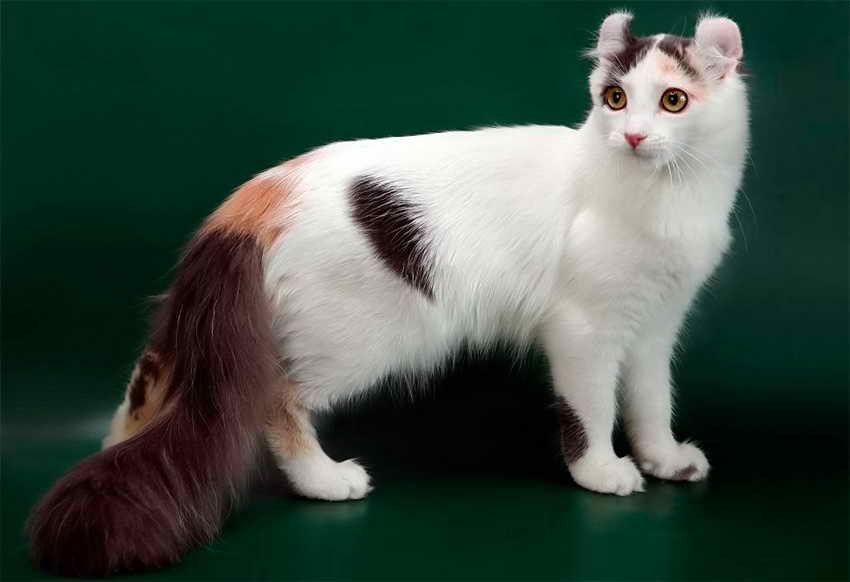
One of the youngest cat breeds. Its history began with a natural genetic mutation that first appeared in a stray black kitten with long, silky fur and ears folded back in a peculiar way. Geneticists believe this trait was caused by a dominant gene. Cat lovers began breeding them, and in 1986, the new breed was registered.
Friendly and affectionate, American Curls are known for their love of children. They are rare cats who actually seek out children rather than run away from intrusive cuddles. American Curls are often called the Peter Pan of the cat world. It's not uncommon to see adult cats running around the house with the same joy as kittens. Males and females are equally active. Curls can be trained to fetch objects, they can also open doorknobs, and when resting, they will happily settle into a lap.
Scottish Fold
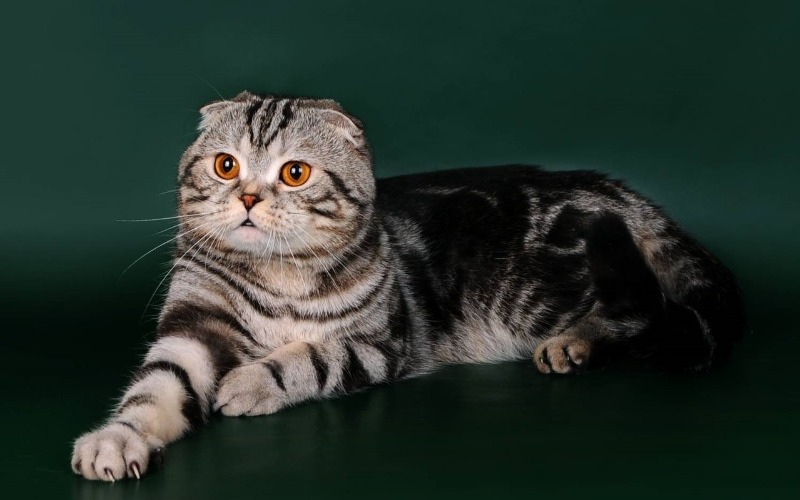
The Scottish Fold cat has a dominant genetic mutation that causes folds in the ear cartilage. This causes the ears to hang forward, giving the breed its distinctive appearance. The more folds, the closer the ears lie to the head. The cartilage appears straight and normal at birth, but begins to fold after approximately 21 days.
Scottish Folds are generally friendly, cuddly cats and don't mind the presence of other pets. They are very attached to their people and don't like being alone.
Kinkalow
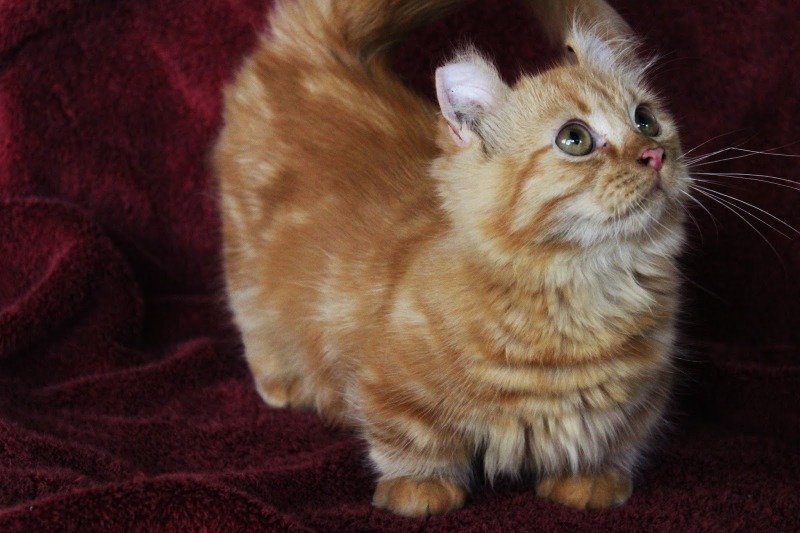
The first specimen of this dwarf breed was born in 1997, the result of crossing an American Curl and a Munchkin. The Kinkalow is a cat weighing no more than three kilograms. Its distinctive features are its long tail and unusual, curved ears. Despite its diminutive size, these animals have strong skeletons and well-developed muscles. Their entire body is covered in soft, shiny fur of various colors.
These little cats are blessed with a cheerful disposition. They remain playful, inquisitive, and mischievous into old age. The breed gets along well with other pets and requires little grooming. Kinkalows need regular walks to maintain muscle tone.