The Devon Rex is an exotic cat breed developed in England. These pets are known for their sociability and unique appearance. They quickly bond with other household members, animals, and strangers. Those considering a Devon Rex cat should familiarize themselves with their personality, care, and maintenance, as well as learn about their feeding and lifespan.
Content
Description of the breed
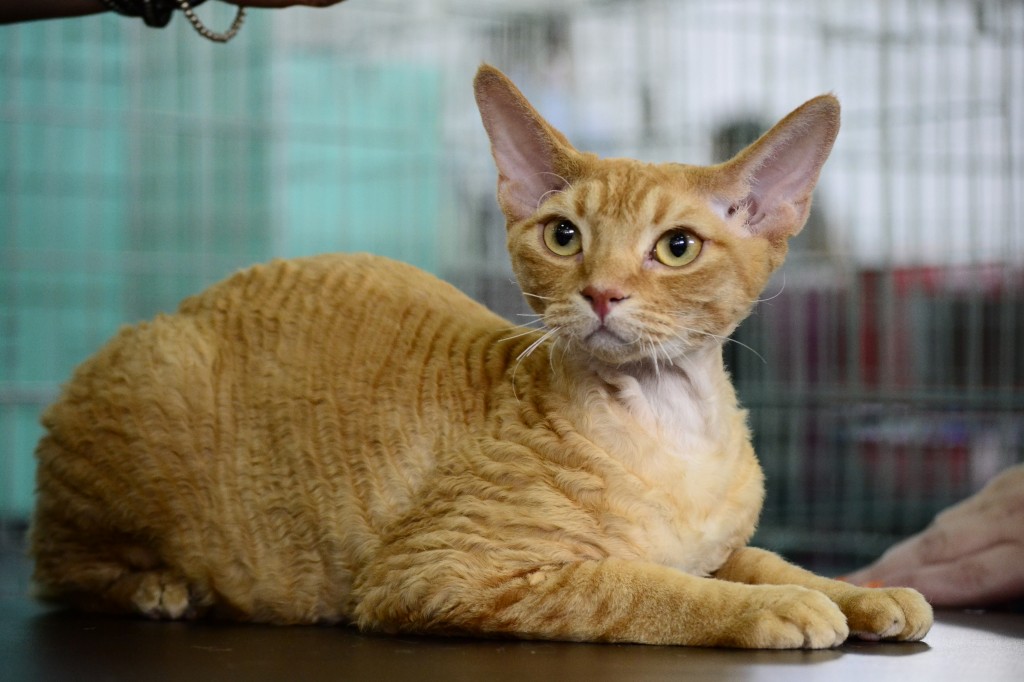
Devon Rexes are small in size, reaching no more than 35 cm in height. Weight varies depending on the animal's sex. Females are much more compact, weighing 2.5 kg, while males weigh no more than 4.5 kg.
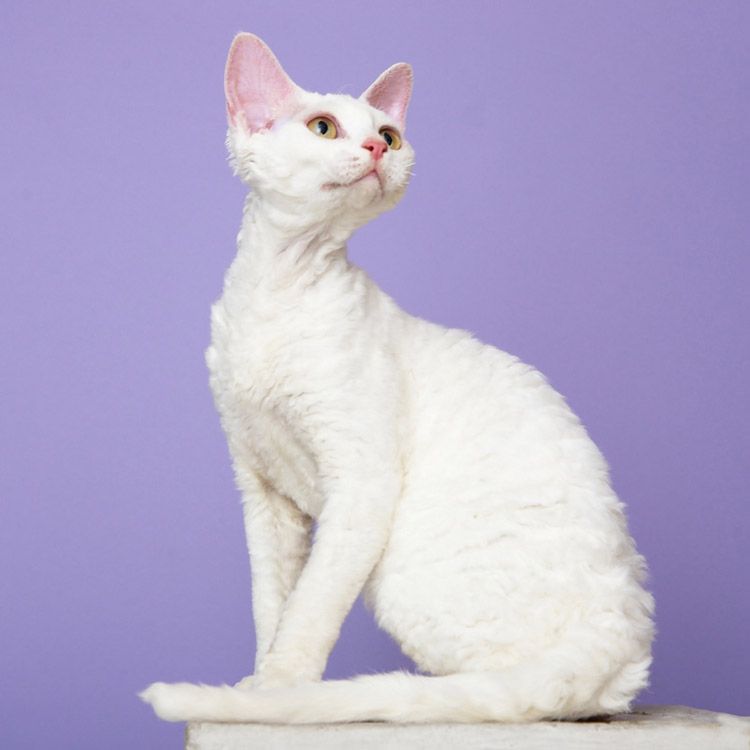
Devon Rex cat breed standard and description:
- The body is stocky. The chest is powerful.
- The limbs are tall and straight. The front legs are shorter than the hind legs.
- The tail is thin and long. Its tip is sometimes slightly rounded.
- The head is small. The nose is upturned.
- The eyes are large and set wide apart. The color of the irises should match the coat color. The only exception is the Siamese color, in which the irises can be a rich blue.
- The ears are large and set wide apart. They may have small tufts.
A distinctive feature of this breed is their short, fine, curly coat. The hair on the thighs, sides, and face is longer than on the rest of the body. Straight coat or lack thereof is considered a fault and such cats are not allowed to be bred. The hairs can be any color. Inclusions and spots of various shades are possible.
The average lifespan of a cat of this breed is 14-18 years.
Character
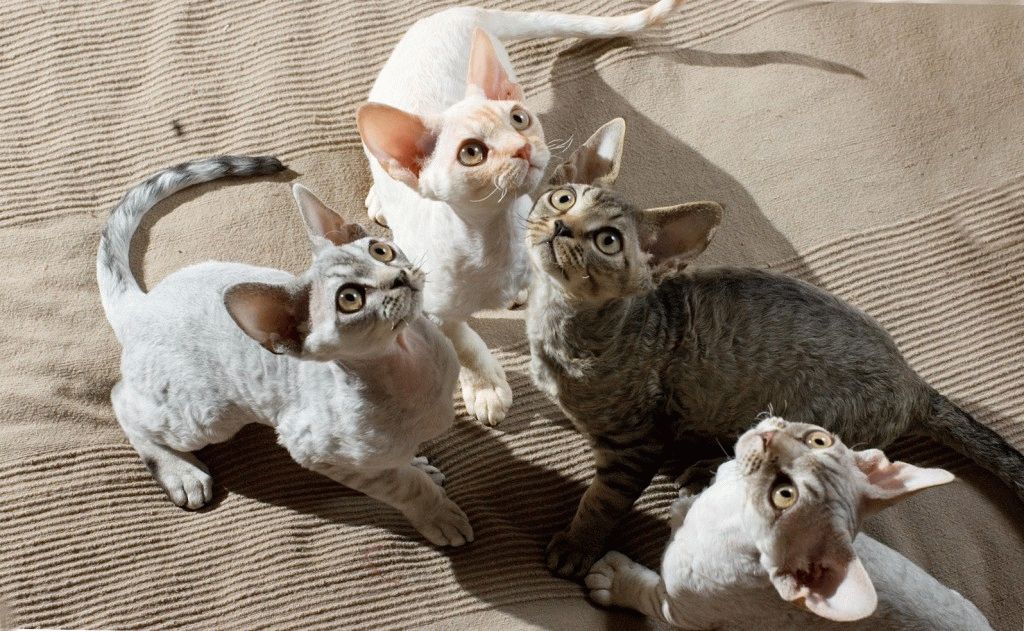
Devon Rexes are friendly and sociable pets. They quickly become attached to their owners, demanding increased attention. These active animals love to play with children and other pets living under their roof. They only find it difficult to get along with other cats.
They are quite intelligent and smart. Cats are not prone to unjustified aggression toward strangers and animals.
Advantages and disadvantages
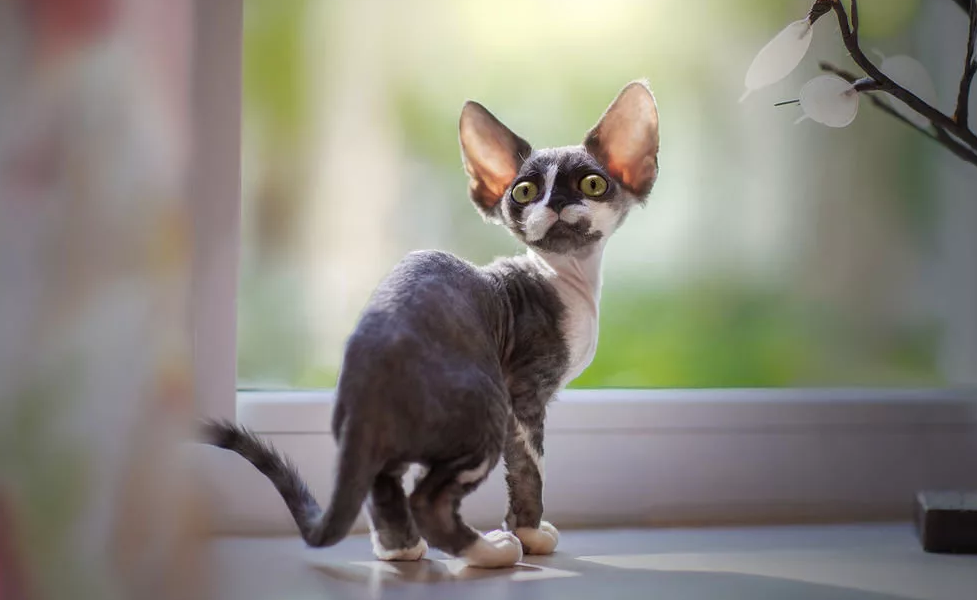
Among the advantages of this breed it is worth highlighting:
- non-standard appearance;
- good health;
- undemanding in care;
- friendliness;
- easy to learn.
One of the breed's shortcomings is their excessive activity, which can lead to injury. Another drawback of Devon Rexes is that they struggle with separation from their family members. Leaving your pet alone for long periods of time is not recommended, as this will lead to psychological trauma.
Content
Devon Rexes thrive in small apartments and country houses. Regardless of where they live, you'll need to provide them with certain amenities and purchase the following supplies:
- 2 bowls (for food and water);
- tray and litter for it;
- a special scratching post;
- various toys;
- a small house or a regular bed.
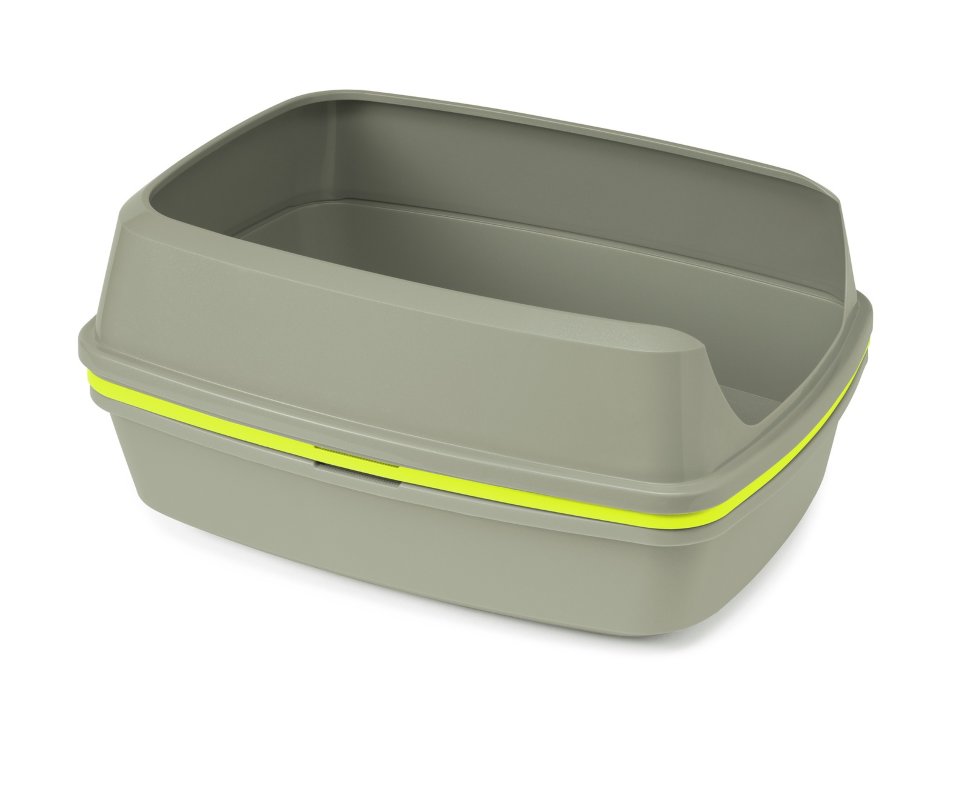
It is desirable that the cat's toilet has high sides. This design prevents litter from spilling onto the floor when burying it. It's recommended to choose a litter mixture based on your cat's preferences. It's best to initially purchase clay litter, which is safe for kittens and the most convenient to use. If your cat doesn't like the contents of the litter box, you can switch to a wood or silica gel mixture.
A scratching post will help prevent damage to furniture. A standard model is suitable for kittens, as it's much easier to train them to use one than adult Devons. For an older cat, it's advisable to purchase a scented one.
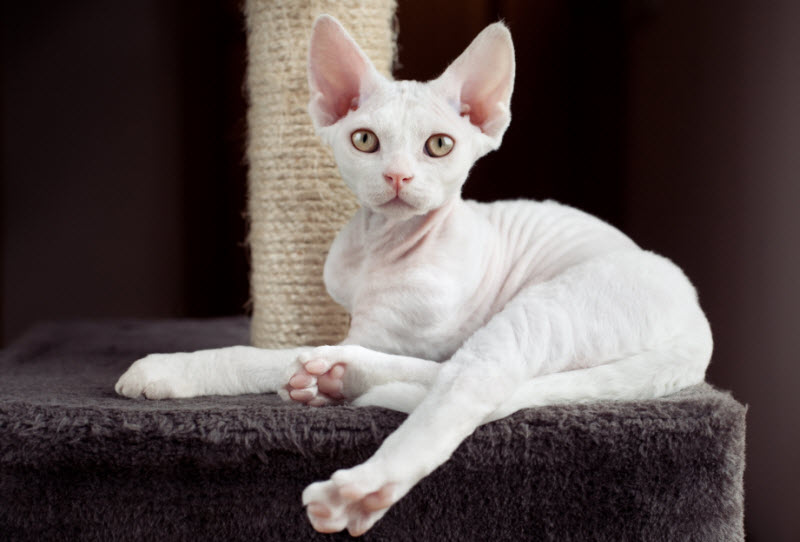
Mice and small balls are ideal for a playful pet. A great alternative is a special play structure, which not only provides entertainment but also serves as a scratching post and playhouse.
Care
You can groom your pet yourself or entrust the procedures to a professional groomer. You'll also need to create a balanced diet for your cat.
Grooming includes procedures such as:
- cleaning your pet's eyes, ears and teeth;
- nail trimming;
- bathing;
- combing out the hair.
Grooming
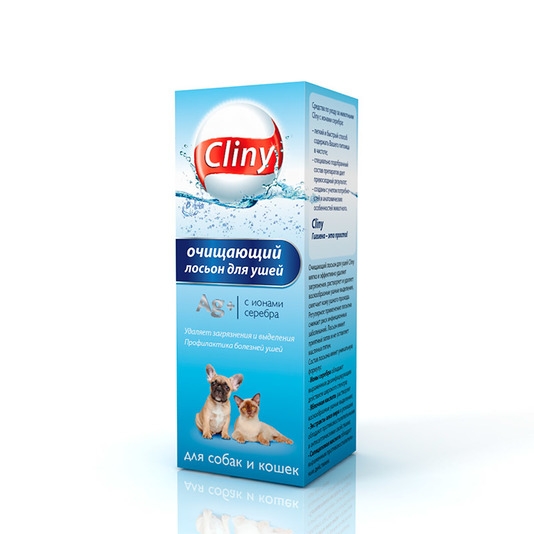
A Devon Rex's ears and eyes should be cleaned once a week. Use cotton pads for this procedure. To clean the eyes, soak them in warm water first. When cleaning the ears, use hydrogen peroxide or a special lotion available at a veterinary pharmacy. Teeth should be brushed with a specialized toothbrush and toothpaste once every two weeks.
Devons' fur gets dirty much faster than other cats' because their sebaceous glands don't absorb the oils. The frequency of bathing depends on the individual characteristics of this breed. Some cats need bathing once a month, while others need it several times a week.
During During the procedure, you need to use shampoo for cats, since products intended for people cause allergic reactions in pets. It is advisable to purchase a specialized product for short-haired breeds for the Devon Rex.
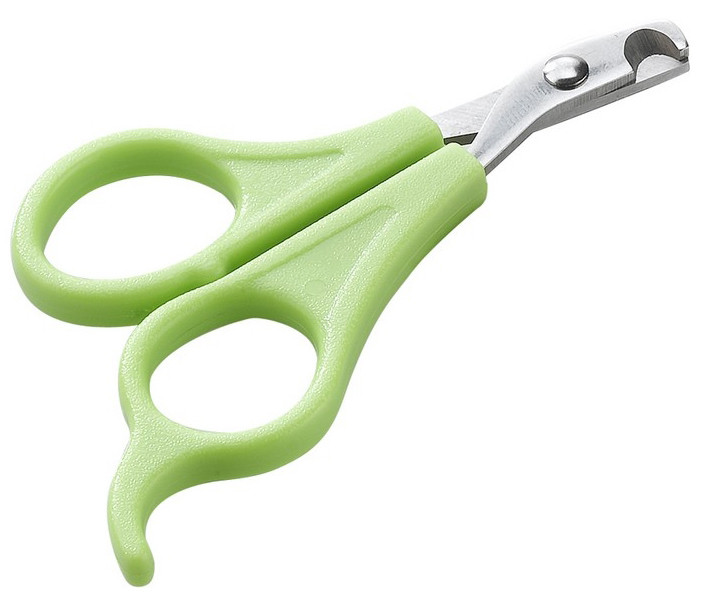
The coat should be brushed twice a month using a special brush. The pet's claws should be trimmed as needed using a small nail clipper.
It is advisable to accustom the Devon Rex to all procedures from an early age.
Nutrition
The Devon Rex can be fed either commercial food or natural foods. Mixing these two diets is not recommended. When choosing a natural diet, consider feeding the following foods and dishes:
- lean fermented milk products (yogurt without fillers, fermented baked milk, cottage cheese);
- boiled chicken, turkey and duck (peeled);
- raw veal and rabbit (previously frozen);
- lamb and boneless sea fish (occasionally);
- offal (ventricles, heart);
- boiled chicken and quail eggs;
- bananas, corn and melon (occasionally);
- buckwheat and rice porridge in water.
When feeding a natural diet, a Devon Rex's diet should consist of 80% meat and 20% vegetables or cereals. Giving your pet pork in any form, bread, table scraps, or feeding them sweets, smoked meats, or pickles is not recommended.
When feeding a diet consisting of natural foods, the Devon Rex should be given vitamin and mineral supplements. It is recommended to entrust the selection of the appropriate supplement to a veterinarian.
It is preferable that ready-made canned and dry food be premium or super-premium (1st choice, Farmina N&D). The cat should always have a bowl filled with clean water freely available.
Diseases and treatment
Although Devon Rexes are generally healthy, they are prone to the following health conditions:
- Myopathy. A hereditary disease that causes muscular dystrophy. It develops due to a metabolic disorder in the tissues.
- Hypertrophic cardiomyopathy. This heart disease most often develops in adult cats. It causes thickening of the myocardium and a reduction in the volume of blood pumped by the heart. Without timely treatment, the disease can lead to the death of the pet.
- Hip dysplasia. The disease is hereditary. Cats with dysplasia are at increased risk of hip luxation.
- Coagulopathy. The disease develops when a pet's body lacks vitamin K and is often caused by a genetic mutation. It disrupts blood clotting, often resulting in death without medical treatment.
- Hereditary patella dislocation. The disease is most often diagnosed in kittens that have reached 4 months of age. It progresses as the kittens grow.
Because Devon Rexes have thin fur, they are much more susceptible to colds than other cats. Therefore, they need to be protected from drafts and hypothermia.
All of the above-mentioned diseases are quite serious, and their treatment should be carried out under the supervision of a veterinarian. Most often, treatment is medication, but in some cases, surgery is required. Preventive examinations, which are recommended to be performed once a year, will help identify problems.
Breeding
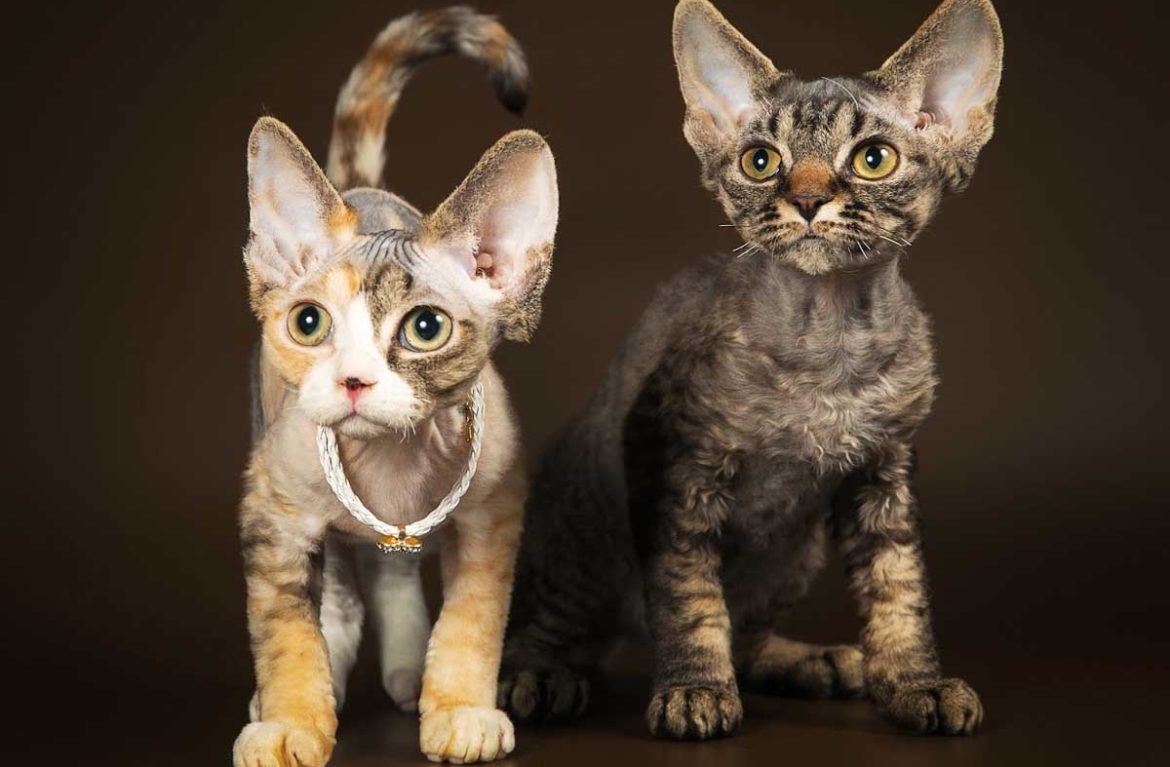
Breeding of representatives of this breed should be carried out under the supervision of experienced breeders, since pets have certain characteristics. Animals have a problem with blood group compatibility, and the slightest error in matching leads to the death of the offspring.
Devon Rexes mated under the supervision of specialists result in the birth of healthy kittens. Most litters consist of no more than four kittens, each weighing approximately 100 g.
A pet owner may encounter difficulties not only during mating, but also after the birth of the offspring. If the baby's blood type does not match the mother's, the incompatible antibodies that enter the baby's body during breastfeeding can kill it. Strong kittens will survive, but the tip of their tail will fall off at 2 weeks of age.
It is recommended to separate the kittens from their mother immediately after birth and feed them with a specialized formula for three days. On the fourth day, the kittens can be returned to the mother.
Nickname ideas
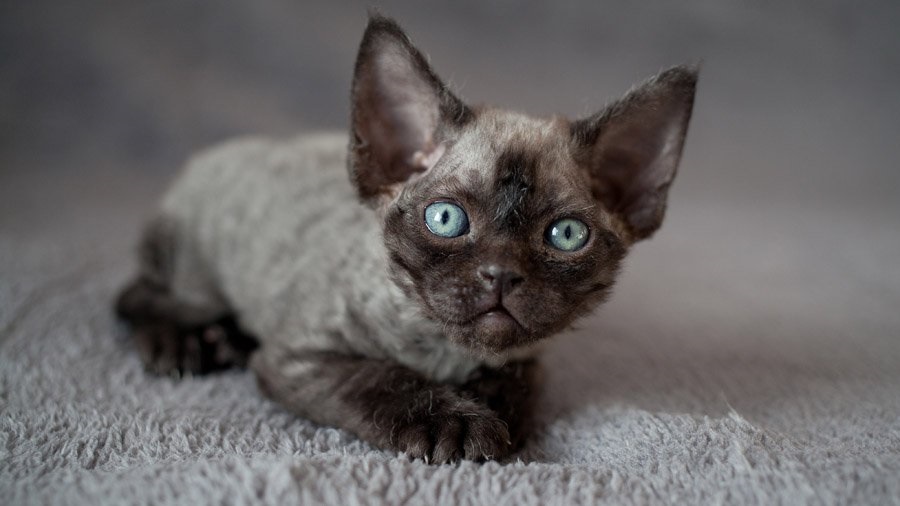
Distinctive features of this breed are their curly fur and large ears, which make them look like elves. When choosing a nickname for a Devon Rex, you can use these as a guide or choose a name for your pet based on its place of birth, namely the county of Devonshire.
The following nicknames are suitable for boys:
- Elf;
- Justin;
- Graph;
- Arthur;
- Aubrey.
Among the interesting names for a cat, it is worth highlighting the following:
- Agatha;
- Patricia;
- Lola;
- Martha;
- Sabina.
The Devon Rex will become a devoted friend to its owner and an excellent playmate for small children. This intelligent pet will quickly learn basic house rules and adapt to a new environment. Proper care and regular veterinary checkups will help prevent the development of illnesses.