Scratching is a natural urge for any cat, not just for physiological reasons but also for socialization. This behavior can express a wide range of feelings and desires.
Physical exercise
It's no secret that cats love to scratch furniture, wallpaper, and their owners' hands. But why do they do it?
First and foremost, it's a physiological need. Scratching is a form of exercise, requiring the cat to stand on its hind legs, arch its back, and move its paws. This helps the cat exercise its muscles, helping them maintain tone.
Another reason is a small space and lack of exercise. If a cat is kept indoors all the time, the only thing they can do is scratch furniture, carpets, and other objects. This is because during walks, the animal has the freedom to run, jump, climb trees, or hunt. Naturally, such opportunities are not available in a city apartment.
To prevent this from becoming a problem, you need to provide your cat with exercise equipment.
It may consist of:
- houses;
- ladders;
- crossbars;
- scratching posts and other elements.
Pets usually love to play on such equipment, and this allows for a complete solution to the problem of physical activity.
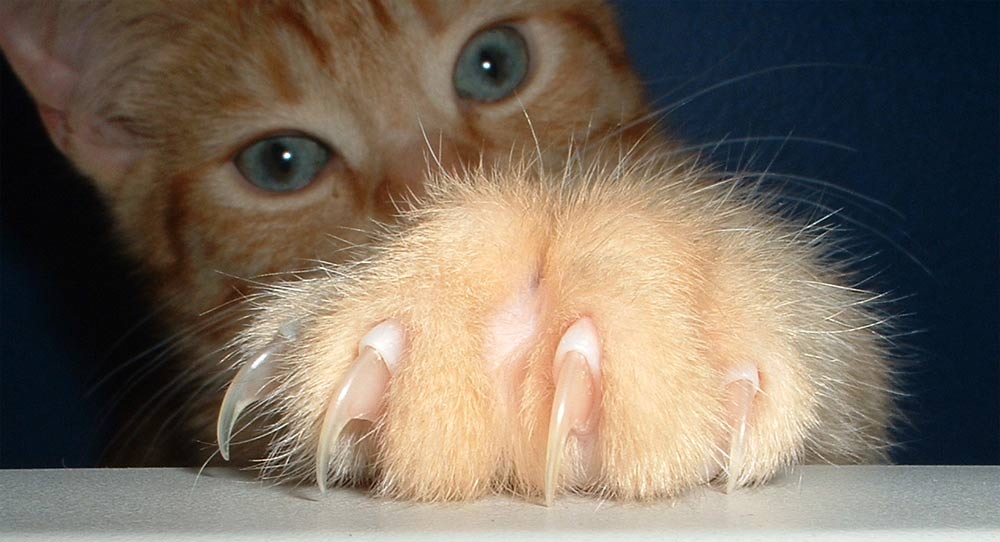
Sharpening claws
In the wild, cats sharpen their claws naturally through hunting, climbing trees, and fighting with other cats. In an apartment, this becomes difficult, so cats must maintain their claws in other ways.
If this is not done, too much keratinized tissue will grow on the claws, after which they will begin to break and injure the cat.
Never scold your cat for scratching, as they're simply trying to satisfy their physiological needs in the conditions you've provided. The solution is a simple scratching post, which you can buy at any pet store.
Territory "mark"
Among other things, scratching is a way for cats to mark their territory. Cats have special glands between their toes that secrete a scent, and after scratching, a specific odor remains on objects, indicating that their territory is occupied. If there's more than one cat in the house, the cat will scratch with redoubled intensity to mask the scent of their "competitors." This problem can be solved with special sprays available at pet stores or veterinary pharmacies. These products have a scent that pets recognize as familiar, reducing their need to mark.
Getting your attention
If a cat is lacking attention, it may try to get it in some rather unusual ways. One of them is scratching objects.
Sometimes animals attract attention by scratching their owner's hands or chasing their feet. This behavior is called play aggression, and it's nothing more than an invitation to play. This behavior is typical of young animals; with age, play aggression subsides, but the scratching habit remains. Over time, this can become a problem.
To prevent this from happening, avoid provoking your pet into such games. Don't use your hand as a toy. Furthermore, the cat shouldn't perceive your owner's hand as a source of danger; otherwise, it will run away or attack at every opportunity. Avoid provoking your cat into aggressive play by pushing or attacking it.
Pets also begin to scratch aggressively after prolonged petting and purring. Any cat owner knows that sometimes a cat's affectionate behavior suddenly turns aggressive, and the cat begins biting and clawing. The reason is simple: this behavior indicates that the pet is satiated and signals that the petting should stop.
Don't punish your pet for scratching furniture or your hands. This won't work. A negative reaction, aggression, or yelling from the owner will only frighten the animal, which will lead to a loss of trust and even worse behavior.