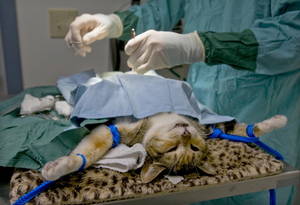
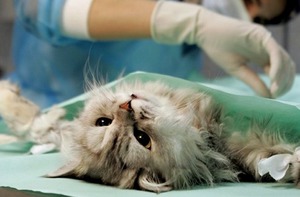
 Perhaps not all owners know that when sending their pets for neutering, they will have to completely change their diet and feeding schedule after the operation.
A cat's nutrition after castration directly impacts its well-being and lifespan, so it's crucial to understand what actions to take and what to pay attention to after the procedure.
Why should a cat's diet change after castration?
Castration surgery provokes hormonal changes in the whole bodyThis cannot but affect the animal's habits, behavioral changes, and taste preferences.
Neutering a cat removes the fundamental instinct that has driven it its entire life, driving it to grow and lead a physically active life in pursuit of dominance over other members of its species. After the surgery, the cat's physiology typically forces it to switch to another readily available pleasure, which is eating more food.
After castration, the animal requires special attention and first of all the owner should pay attention to:
- Decreased activity.
- Urogenital system.
- Kidney function.
These three factors play a major role in the lifespan of an animal, so any problems that arise should be taken seriously.
Decreased activityThis will undoubtedly lead to obesity. This means it's essential to ensure a balanced diet. Furthermore, you shouldn't overfeed your cat, even though the animal will show signs of malnutrition. After all, the energy previously expended on physical activity won't be used up, but will instead be stored as fat, which, in turn, will worsen the animal's overall well-being.
The genitourinary system of this animal develops by the age of one year. This development occurs under the sensitive guidance of sex hormones. Therefore, if a cat is neutered before this age, urinary problems may arise. Underdevelopment of the urethra can lead to urolithiasis, which will cause pain when urinating.
The main reason for the formation of kidney stones in cats is imbalance of salt in the bodyBefore castration, the animal's body functioned normally. The surgery disrupted the mineral breakdown process, which is why stones can form.
Therefore, it's impossible to claim that neutering a cat will make him disabled and potentially cause a host of problems. However, it's important to consider the specific needs of the cat after the surgery to prevent potential illnesses.
What should be the diet of neutered cats?
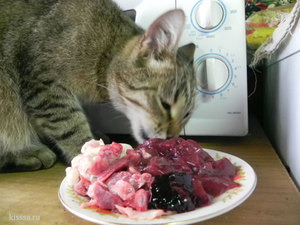 In light of all the above, it's important to feed your cat properly after neutering. This will make life easier for owners and their pets after this surgery. The diet should be balanced and fed accordingly. in precisely measured portions, which are prescribed in accordance with the weight and age of the animal.
The main rule is to avoid giving in to cat tricks and overfeeding, as cats may express their displeasure with their demeanor and demand more than the established norms. Keeping the consequences in mind, it's important to adhere to the established norms and adhere to generally accepted feeding portions.
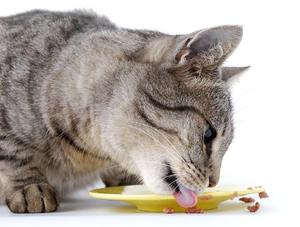
It is easiest for owners when a domestic cat eats purchased food, in which everything is already balanced, and the packaging indicates the exact portions recommended for different age and weight parameters.
But to feed your pet properly, you must first select high-quality, individualized food that meets the needs of your neutered cat. For example, there are foods specifically designed for pets. To make the choice even easier, there are special foods for neutered cats, which are indicated on the packaging. Furthermore, some manufacturers also list the age range for which the food is intended.
Manufacturers produce both dry and canned food for neutered cats, which is ideal for the sedentary animal during the post-surgery period. These foods contain minimal amounts of mineral salts, which can trigger kidney stones. Furthermore, manufacturers have taken into account that carbohydrates increase appetite, which pets in this category do not need at all, and their content in food for neutered animals has been reduced.
One of the most important factors for a cat's health is constant access to clean drinking water. Water flushes out all excess waste from the body, including salts, which are so detrimental to the health of a neutered animal. Insufficient fluid intake will cause thickening of the urine, which can subsequently lead to urinary tract obstruction.
How to properly feed a cat dry food?
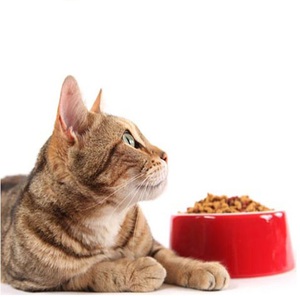 Feeding a neutered cat regular dry food intended for healthy cats is strictly prohibited. This is because the food's composition may not be suitable for an animal that has undergone such a surgery. Choosing such food will lead to tragic consequences, which will have to be dealt with later.
To avoid unnecessary complications immediately after surgery, it's important to select a special food for your pet designed for neutered cats. Choose a reputable manufacturer that produces premium food. This ensures the food's ingredients match those listed on the packaging and will help your pet stay healthy and happy for as long as possible.
The rules for feeding dry food are simple:
- The animal must have constant access to water (the usual daily requirement is doubled).
- You need to feed according to the norms indicated on the packaging.
Feeding natural products
As much as dry food may make life easier, feeding natural foods is considered healthier and more appropriate. However, this diet entails the hassle of choosing foods that won't harm a neutered animal.
What and how to choose for a cat after castration:
 Both meat and fish should not be fatty.
- Sea fish is not suitable due to its high salt content; you should choose only river fish.
- Low-fat dairy products at least twice a week.
- Add boiled porridge to meat products.
- Buy or grow cat grass.
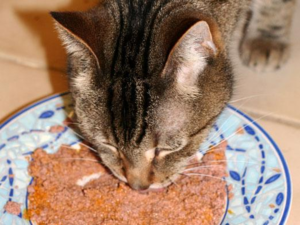 Both meat and fish should not be fatty.
Under no circumstances should you feed your animal the same foods that all other household members eat. Sausages and other semi-finished products of the modern food industry can seriously harm the health of a castrated animal.
Before neutering a cat, you need to understand all the complexities of caring for and feeding the animal after the surgery. Weigh the pros and cons before deciding whether or not to neuter your pet.