It's not uncommon to see cats being walked by their owners on the street. However, veterinarians disagree on whether indoor cats need outdoor walks. Some insist that they need new experiences and fresh air. Others believe these furry creatures can easily get by without being walked.
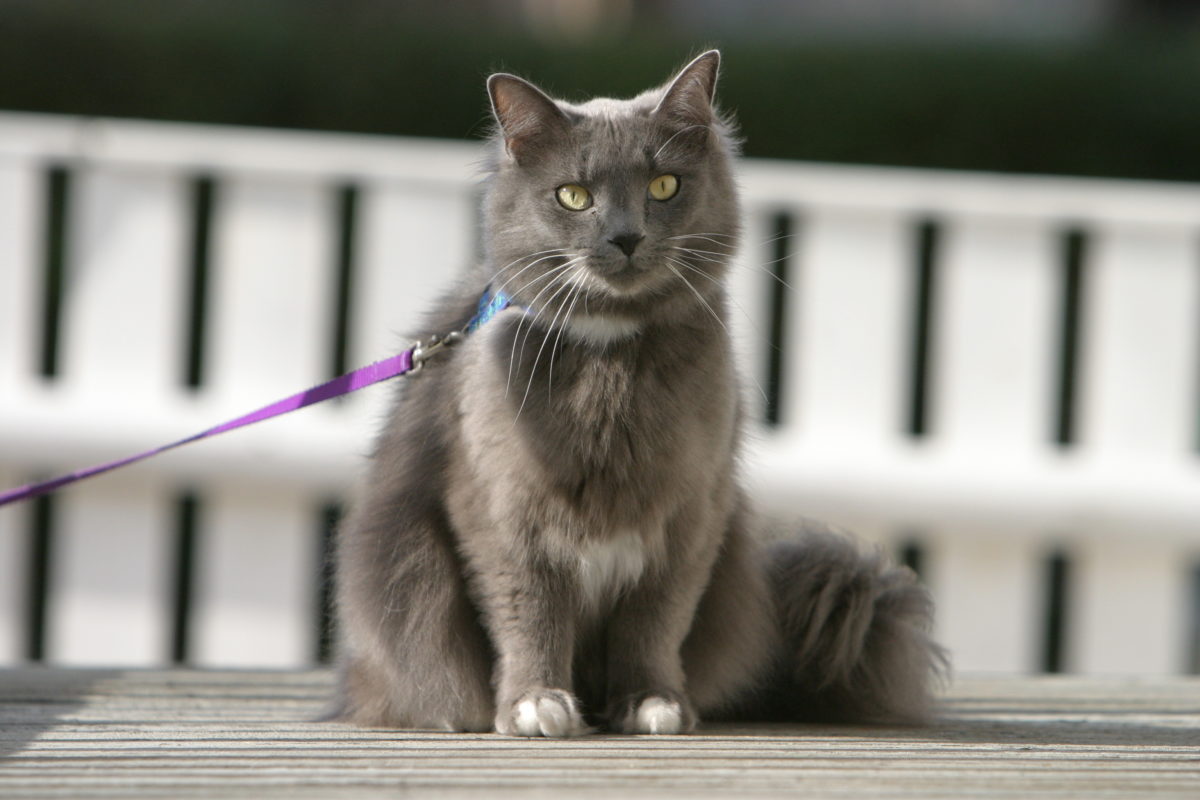
When should you take your cat for a walk?
Taking your cat for a walk is good for their health. Animals that roam outdoors rarely become obese and are more resilient. Furthermore, a healthy lifestyle will help maintain your furry friend's natural instincts. Walking adds variety to their normal, quiet life. However, only a healthy cat should be allowed outside.
Walking can be done with the owner or freely. In the latter case, pets go for walks and return home on their own. This is how their life unfolds in a summer cottage or in the countryside.
But in the city, animals shouldn't be left unattended. There's heavy traffic and large crowds of people. A cat might get scared. Therefore, it's safer to walk it with its owner. However, a leash can also be stressful for a pet. Cats perceive it as a restriction on their freedom. In times of danger, a furry animal can't run away or hide. And this makes them nervous.
For a house cat living in an apartment, going outside is always a big risk. Therefore, it's up to the owner to decide whether their pet should go for walks. There's no definitive answer to this question.
Which pets are not recommended for walking?
There are some animals that are forbidden to take outside. For these cats and their owners, walks can be a major challenge.
It is not recommended to walk animals in the following cases:
- Kittens under 5 months old. They have very weak immune systems, and being outside can lead to viruses or unfortunate injuries.
- These are impressionable, aggressive, and timid animals. They pose a danger to others. A sudden movement or scream can trigger aggressive behavior. The cat may attack its owner or a stranger, become frightened, or flee.
- During heat, female cats gather all male cats around them. If owners don't want to have problems, it's not advisable to take their pet for walks during this time.
- Without a flea collar or vaccinations, your cat could become infected and pick up insects. Treatment is expensive, so it's not worth the risk.
- Walking is not recommended for a pregnant cat during late pregnancy. If your pet has never been outside, it's best not to do so during this period.
- Sick animals, those that have recently recovered from an illness or undergone surgery, should stay at home.
Pets over 10 years old should not be taken outside if they have never been outside. At this age, animals are not interested in open spaces; they have already become accustomed to their established lifestyle. Taking them outside can be very stressful.
How to prepare a cat for walks
It's important to acclimate your pet to the outdoors from puppyhood. Adult cats who have never been outdoors before experience stress from unfamiliar sensations and smells.
You can start walking your dog at two to three months. Before you begin, do the following:
- Get your pet routinely vaccinated against infectious diseases. In urban areas, cats can contract infections from another cat, a sick bird, or a person. Urban cats are typically vaccinated against infectious rhinotracheitis, rabies, calicivirus, and chlamydia.
- Protect your cat from worms and fleas. Apply drops to the withers or purchase a flea collar.
- Buy your pet a harness. Walking your cat without one is not recommended. The animal may become frightened by unfamiliar surroundings and run away. The harness should be made of lightweight synthetic material and up to two meters long. Not all cats will accept a harness the first time. Some require gradual training. To do this, put the harness on your cat at home during playtime. Gradually, your cat will get used to the leash, and walks will become a positive experience.
The Pros and Cons of Cat Walking
For indoor cats, as well as their owners, there are both positive and negative aspects to going outside.
Benefits of walking outside:
- Keep your pet in good physical condition and healthy. Walks will help your furry family member sleep better and have a better appetite. Their metabolism will improve.
- Your pet won't get bored.
Disadvantages of cat walks:
- The animal may become stressed.
- There is a risk of getting sick.
Pet owners also have advantages to walking their pets. They can spend more time with them and enjoy more outdoor activities. However, walking can increase veterinary expenses.
It's best to choose a quiet place for walks, such as a park. It's best to carry your feline to the walk in a carrier. The first walk should last no more than 20 minutes. Gradually, you can increase the time. In good weather, walks can last up to two hours. When walking your cat, ensure the harness isn't too tight. Restricting its movement will cause discomfort.
Owners are wondering whether it's safe to take their cat outside in winter. If your cat has a long hair and a thick undercoat, such as a Norwegian Forest Cat, Siberian Longhair, or Maine Coon, it's safe to do so. They thrive outdoors even in mild temperatures down to -10°C. However, short-haired pets are best kept indoors in freezing temperatures.
There are cat breeds that are prohibited from taking walks. These include Sphynxes, Munchkins, and Bambinos.
By walking a cat properly, owners can avoid worrying about their pet becoming stressed or ill. The cat will be healthy, develop a healthy appetite, and continue to delight its owner.