The internet is filled with videos of cats reacting comically to valerian: making loud noises, rolling on the floor, and unable to stand. Actinidin, a true feline pheromone that drives your pets crazy, is to blame. However, valerian is far from the only plant capable of inducing a state of euphoria in cats.
Catnip
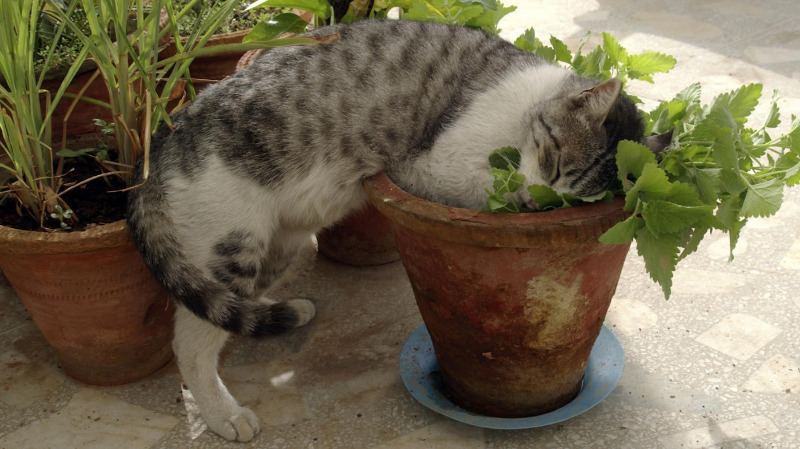
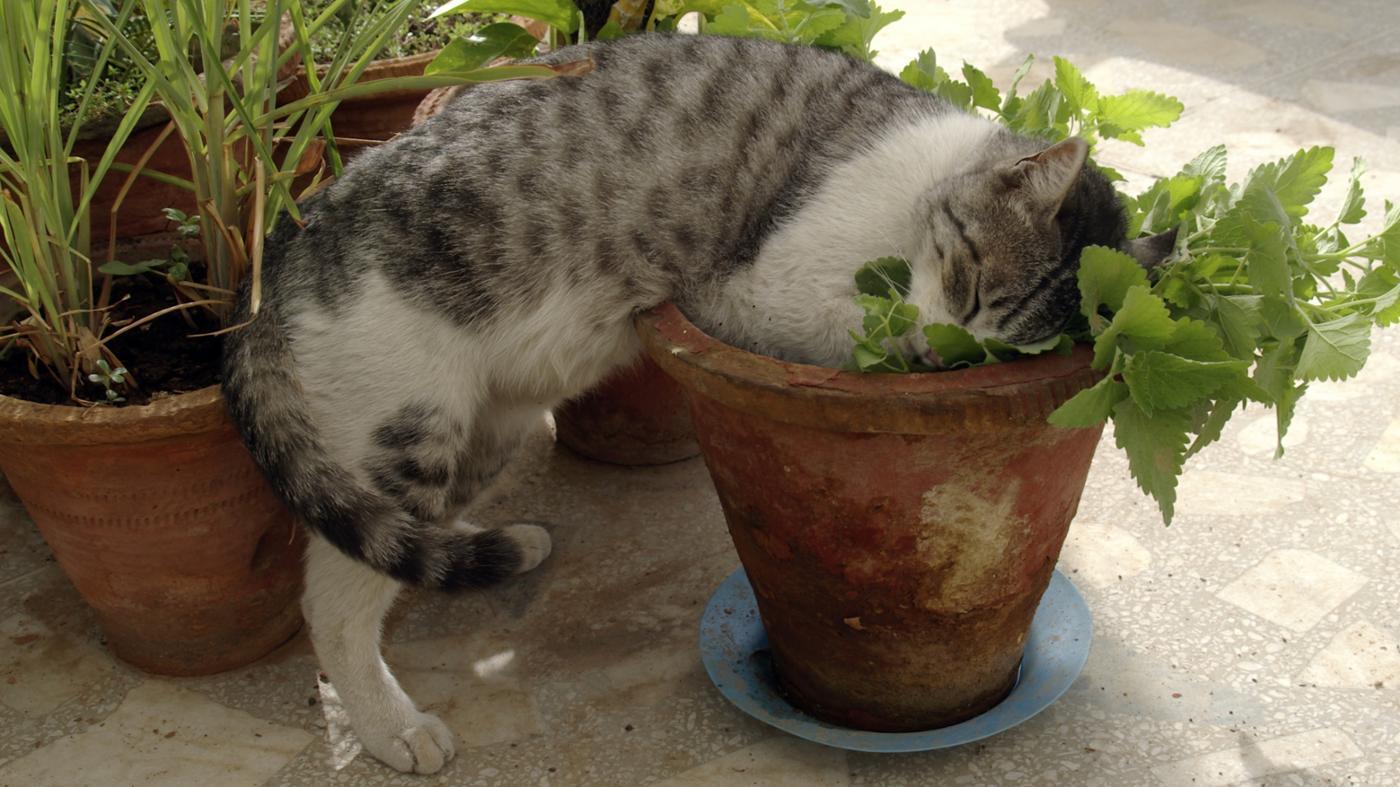
Another name for the plant is catnip. It has a unique scent that attracts cats. The essential oils contained in the plant are absorbed into the animal's respiratory tract when it inhales its aroma. This triggers a signal in the brain that can induce a state similar to severe alcohol intoxication or even hallucinations. Adult cats begin to behave like kittens: jumping, purring, playing, and cuddling. This can last for 15-20 minutes. Then the effect wears off, and the cat will likely want to sleep.
Despite its intoxicating effects, catnip is not a narcotic and is not addictive. Veterinarians even recommend its use for medicinal and educational purposes:
- increased appetite;
- litter box and scratching post training;
- treatment of helminthic infestation;
- Fighting aggression - a little dried catnip can calm your pet.
Catnip can be used fresh or dried. Pet stores often sell vitamins and treats containing this herb.
Juniper
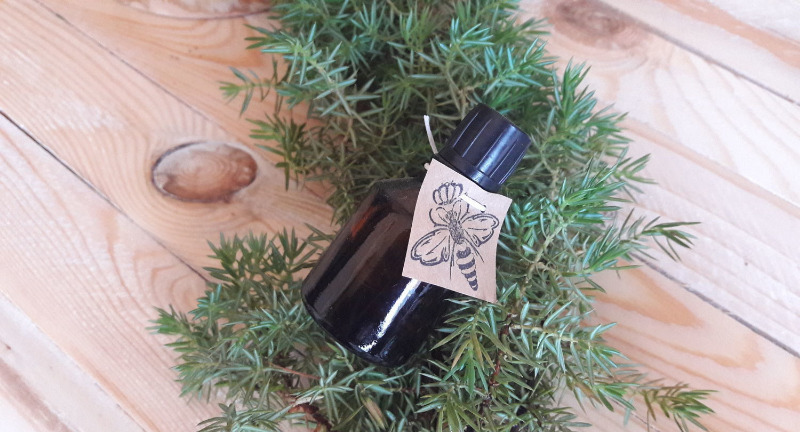
Fresh juniper doesn't particularly attract cats. However, in the form of essential oil, this plant has an effect similar to catnip: it promotes playfulness. It is most often used to train cats to move to a new place, bed, scratching post, or litter box. The effect can be enhanced by mixing juniper and catnip, which will encourage your pet to stay in the treated area.
This plant also has medicinal properties:
- good diuretic effect;
- antiallergic action;
- treatment of joint inflammation (arthritis).
In addition, cats enjoy gnawing on juniper branches: this way they sharpen and clean their teeth.
Olive
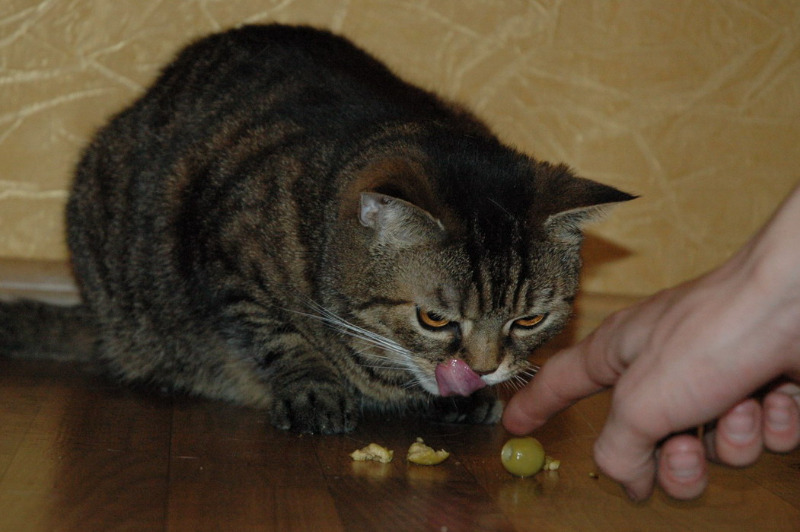
Many owners have noticed their pets begging for olives as soon as they smell the scent coming from an open jar. Having received the treat, the cats chase it across the floor, play with it, lick it, and sometimes even eat it. In Greece, local cats may even nibble on the bark of olive trees, sharpen their claws, or simply rub themselves against the trunk. This is due to oleuropein, a biologically active substance that has a stimulating effect on these furry creatures. It's this substance that gives olives their tart flavor, so appealing to cats.
Olives have beneficial properties:
- lower cholesterol levels;
- improve metabolism;
- rich in various vitamins and microelements.
However, canned olives reduce their nutritional value by half. Manufacturers add excessive amounts of salt and preservatives to ensure long shelf life. Therefore, feeding your cat too many olives is not recommended.
Honeysuckle
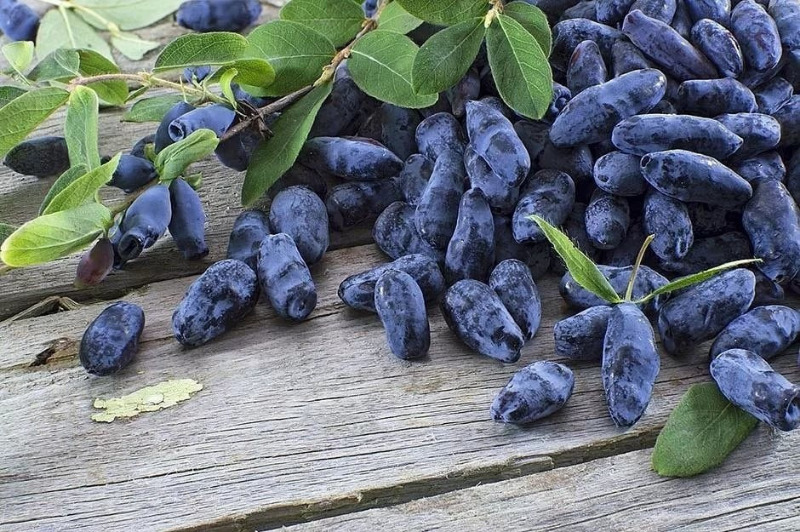
The scent of honeysuckle attracts cats even more than valerian. Once your pet spots the plant in your garden, they won't want to leave it and will constantly feast on it. Honeysuckle has a powerful calming effect and helps combat stress, depression, and insomnia, so its leaves are used for therapeutic purposes.
However, be careful: honeysuckle berries are poisonous to cats! You can inhale the plant's aroma as much as you like, but don't let your cat eat it. Keep a close eye on your pet, otherwise they risk poisoning.
Carrot
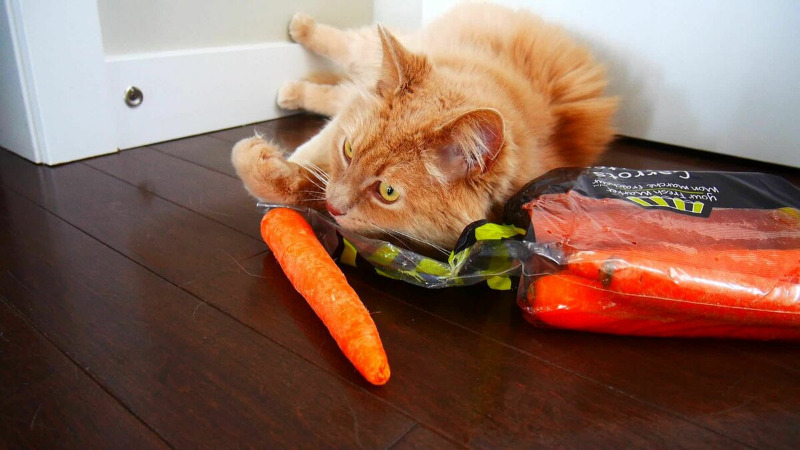
Not all cats are fond of this vegetable, but some are obsessed with the smell of raw carrots. Carrot tops have a scent similar to valerian, making them particularly appealing to purrs.
Carrots contain a large number of vitamins and minerals that have beneficial effects on vision, immunity, and the gastrointestinal tract. Therefore, there's nothing wrong with treating your pet to them occasionally. We recommend serving them grated, otherwise your cat may break teeth or have difficulty digesting them.
 Elena M
1 comment