Many cats enjoy eating sunflower seeds. This is not surprising, as this treat provides vitamins, minerals, and nutrients. However, introducing sunflower seeds into a cat's diet requires caution, as otherwise, they can cause harm instead of benefit.
Benefits of sunflower seeds for pets
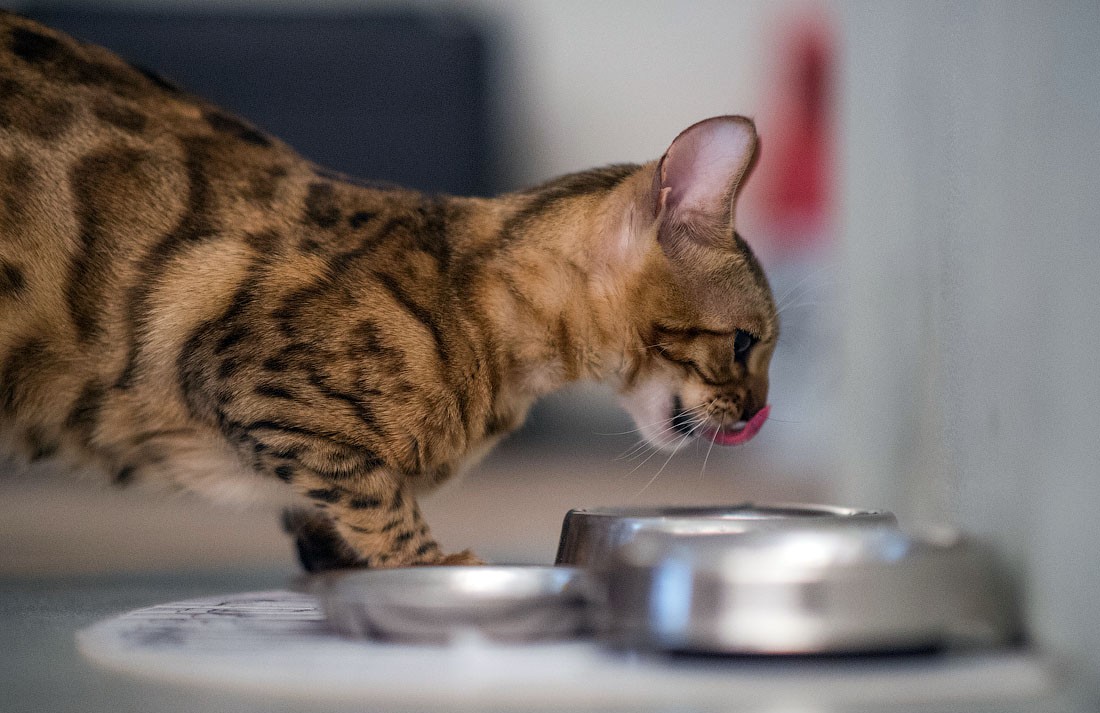
Sunflower seeds are beneficial for cats due to their fatty acids, proteins, trace elements, and vitamins. Regular consumption of sunflower seeds gives your pet's coat a healthy appearance, making it thicker and shinier. Furthermore, their overall vitality is improved, as their composition has a beneficial effect on the cardiovascular and nervous systems.
Sunflower seeds contain a complex of B vitamins, which are responsible for the normal functioning of the nervous system. Vitamin A improves vision, vitamin E helps strengthen blood vessel walls, and vitamin D supports bones, nails, and teeth. Furthermore, the product contains a large amount of amino acids and polyunsaturated fatty acids, which have an antioxidant effect and have a beneficial effect on the appearance and quality of the coat.
Sunflower seeds also contain a number of micro- and macroelements:
- zinc;
- calcium;
- iodine;
- iron;
- phosphorus;
- selenium;
- sodium;
- silicon;
- magnesium.
To avoid any side effects, limit the amount of seeds you eat. A tablespoon of crushed seeds every 2-3 days is sufficient.
What harm can sunflower seeds cause to a cat?
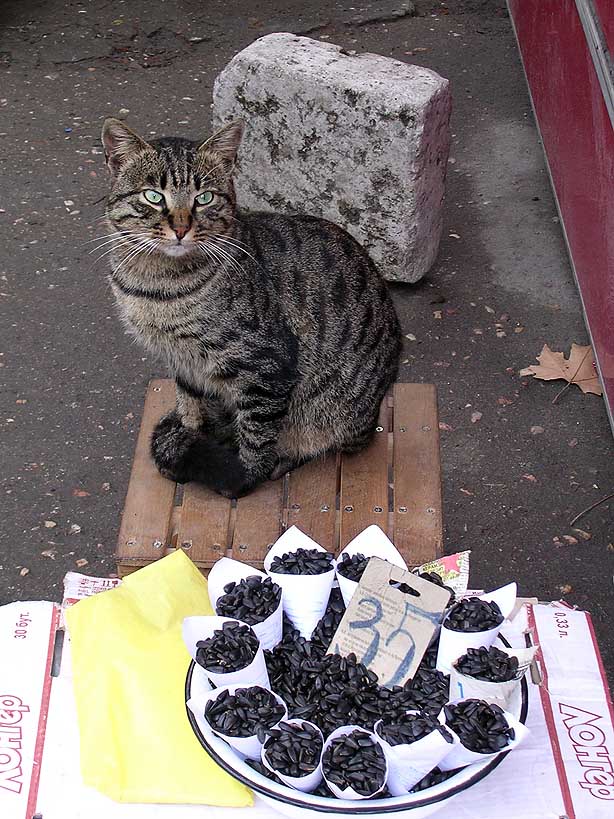
A single seed eaten by an animal, including the shell, will naturally pose no harm. Problems can arise when consuming large quantities of unshelled seeds. The shells accumulate in the intestines, forming a plug that will prevent defecation, leading to an obstruction. In this case, without prompt veterinary care, the pet is at high risk of death.
In addition to blockage, unpeeled seeds can cause the following problems:
- trauma to the gums, which can lead to their inflammation;
- a cut in the mucous membrane of the throat, which in severe cases can result in death;
- minor intestinal damage, which can eventually lead to the cat developing cancer.
Furthermore, any seeds contain a lot of fat, which can be harmful to a cat's health, especially if they have liver problems or high cholesterol. The high phosphorus content of these seeds is also undesirable for animals. It's also important to remember that cats are carnivores, so their gastrointestinal tract is poorly adapted to digesting plant foods, which can lead to allergies.
Which cats should absolutely not eat sunflower seeds?
Sunflower seeds are not suitable for every cat's diet. This depends on the individual animal's health. Do not feed this product to your pet in the following cases:
- with elevated cholesterol levels;
- in the presence of liver diseases;
- if you are allergic to sunflower oil;
- for diseases of the gastrointestinal tract, accompanied by ulceration of the mucous membrane;
- in case of inflammation of the oral cavity and gums (until they are eliminated).
Experts also advise against feeding seeds to kittens under six months of age, as they may develop intestinal obstruction (even with refined seeds). Furthermore, commercial sunflower seed pastes and halva should not be given to cats. They contain sugar, which should be excluded from a cat's diet.
Whether or not to feed seeds to your pet is a personal decision. However, when given according to the recommended guidelines, this product can enrich your pet's diet and provide essential vitamins, minerals, and other nutrients.
 Galina
1 comment