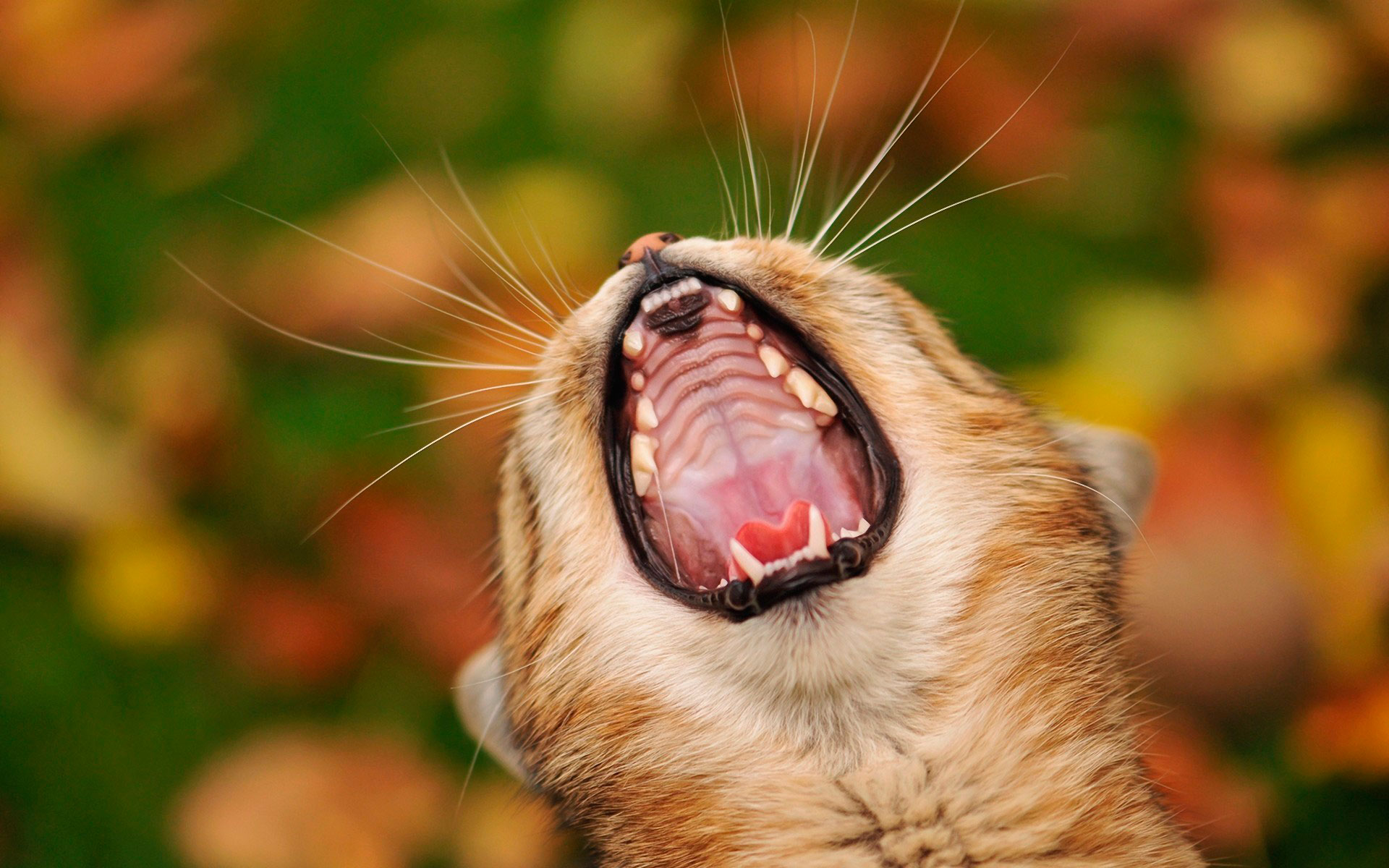
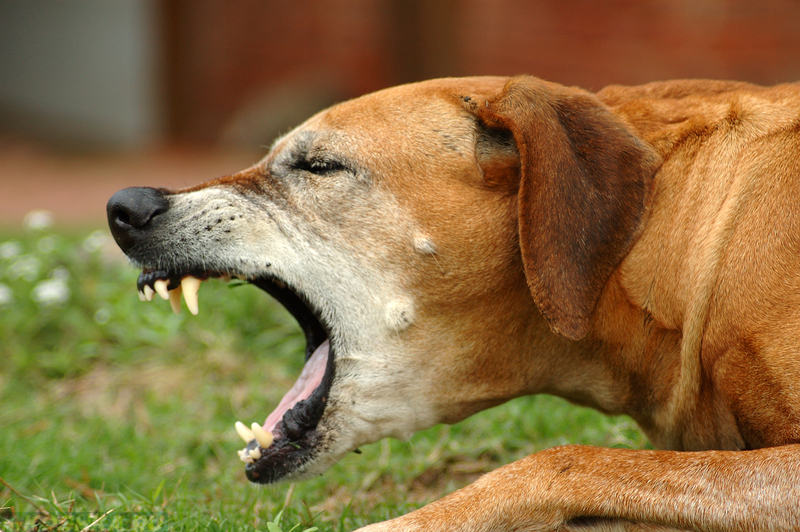
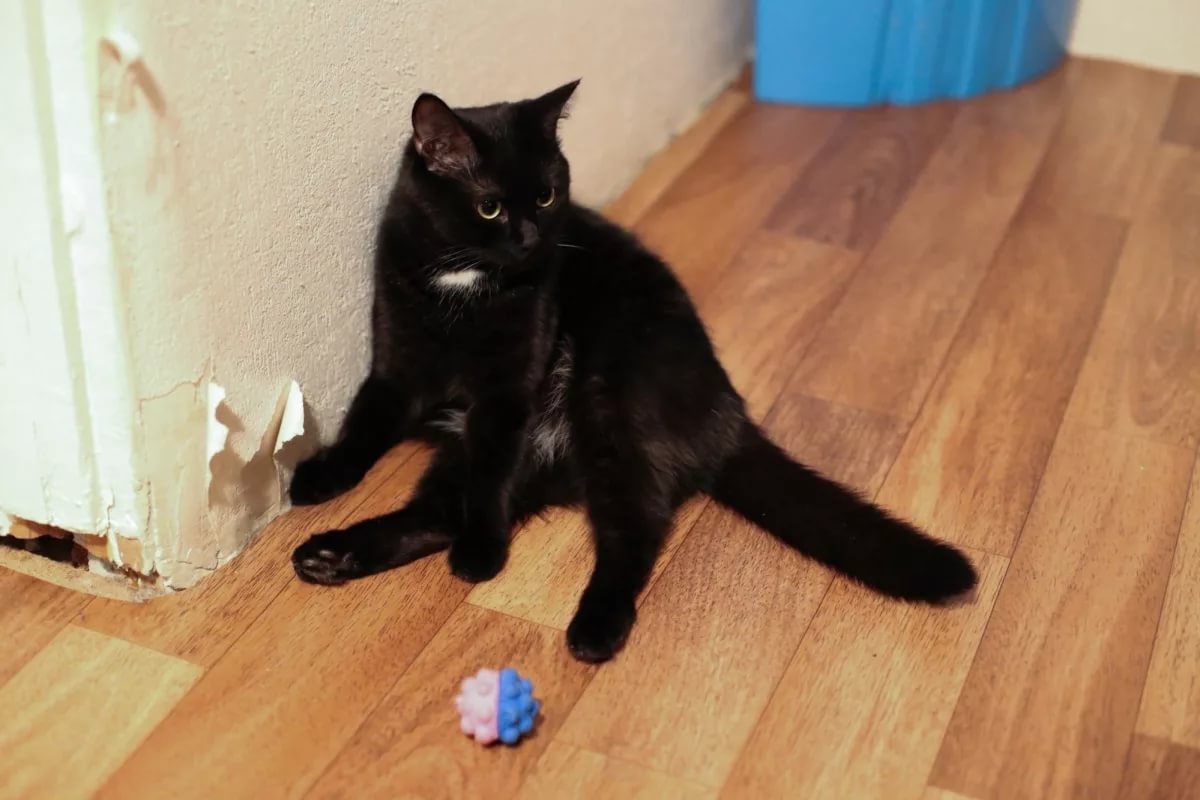
When your cat coughs and wheezes, stretching out and pressing itself to the floor, you need to pay attention to its subsequent behavior. It could be doing this to remove hair from its stomach, or it could be suffering from a respiratory condition.
Why does my cat wheeze and cough?
Domestic cats often lick their fur. Sometimes they pick up hairs with their rough tongues and accidentally swallow them. Gradually, the hairs accumulate in the stomach, forming a small lump. This lump is called a trichobezoar and causes discomfort for the cat. The cat begins to cough, wheeze, stretch out, and even press itself to the floor to remove the lump from its stomach.
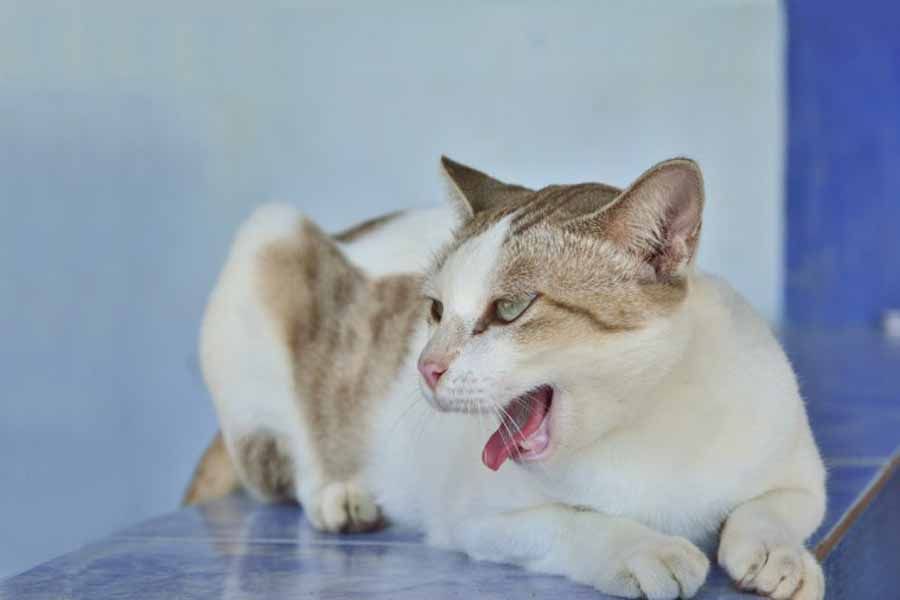
But there are other reasons for this behavior:
- Allergies that progress to asthma. Even cats can suffer from this condition, accompanied by a cough;
- Pneumonia. It's also called inflammation of the lungs. It's accompanied by a persistent cough and lethargy. The cat appears sick and inactive.
- Bronchitis and other respiratory diseases. In this case, your pet may behave as usual, but will often cough and wheeze.
- Other causes that can only be determined in a veterinarian's office.
What to do
Pay attention to the frequency of your cat's coughing and wheezing. If it coughs infrequently and passes the lump after bending and other movements, there's no cause for concern. If this happens frequently, you should brush your pet yourself to reduce the risk of developing a ringworm.
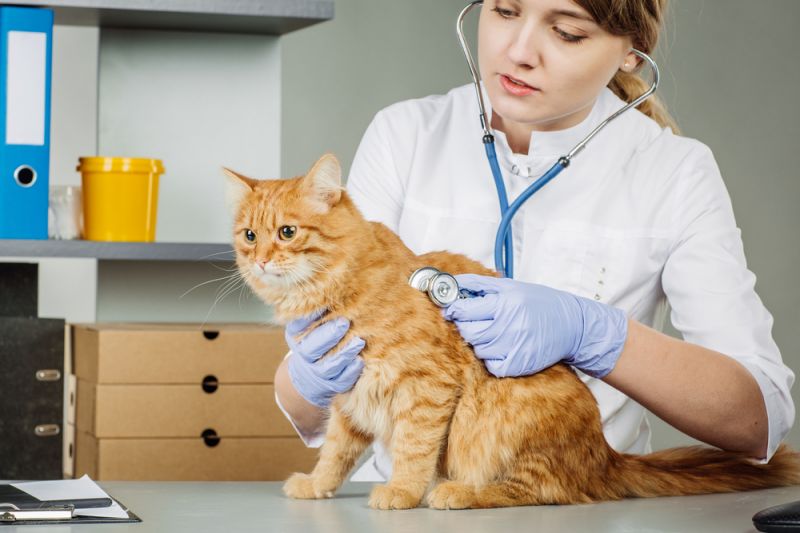
If the cause is not a hairball, you should immediately contact a veterinarian. Your cat may have bronchitis, pneumonia, allergies, or asthma. In that case, professional treatment is needed.
Pet health is always a concern for owners. If your cat is acting strangely and you can't find an explanation, you should consult a specialist.