Pregnancy is a difficult time in a cat's life, especially if she's expecting kittens for the first time. The sooner a diagnosis is made, the more effectively you can help your pet and do everything possible to ensure the health of both mother and kittens.
How to tell if a cat is pregnant?
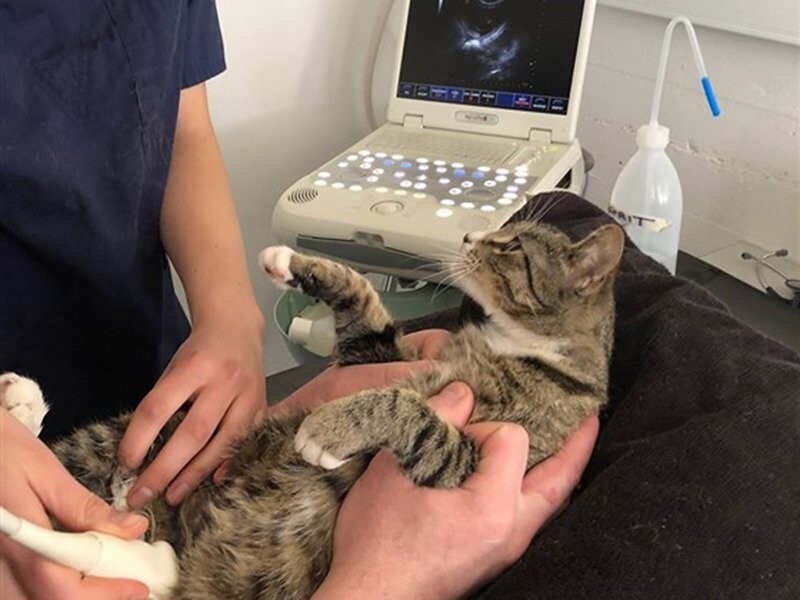
The most accurate way to determine pregnancy in an animal is an ultrasound. With this, a veterinarian can diagnose fertilization as early as day 15. By day 40 of pregnancy, it's possible to determine how many kittens the mother-to-be will have.
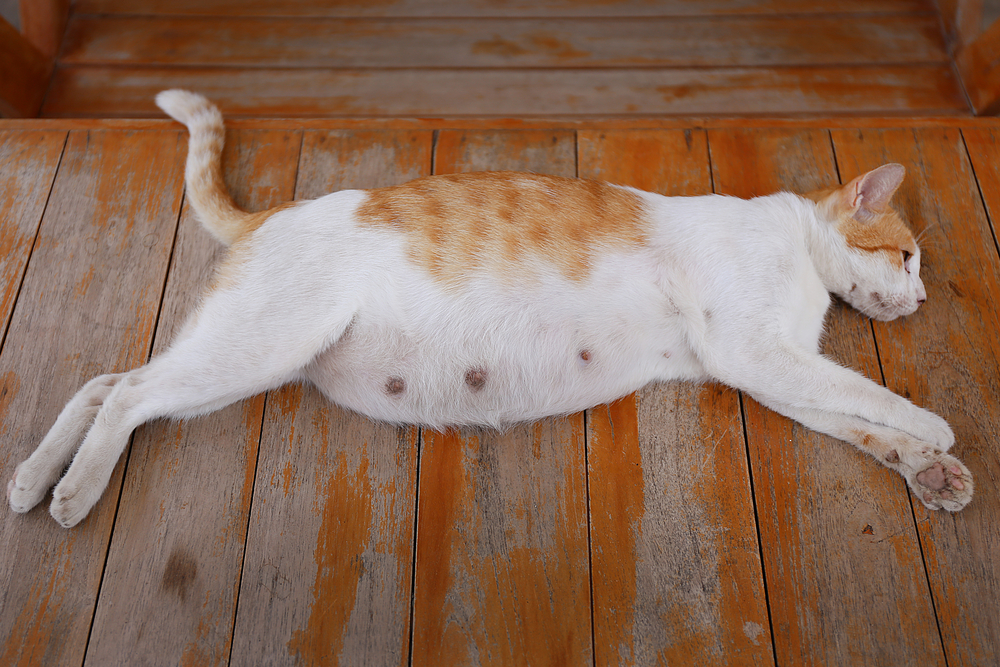
To avoid putting your cat through unnecessary stress, you can try to determine pregnancy yourself using the following signs:
- Morning sickness. It doesn't affect all cats, but it is possible.
- Redness of the nipples. This is especially noticeable if the distal nipples under the front paws become more intensely red.
- Fatigue and drowsiness. The cat sleeps more and becomes less active.
- Frequent urination. Kittens are putting pressure on the bladder.
- A rounded belly. This symptom doesn't appear immediately, but rather about 3 weeks after conception.
- Increased appetite. The cat will begin to eat for herself and her kittens.
- Weight gain. The kittens are developing, and the cat is getting heavier.
- Need for affection. By mid-pregnancy, your cat will purr more often and demand attention.
Please note: as soon as you suspect your cat is pregnant, you should stop giving her any medications, including antiparasitic medications. These can have a negative impact on the kittens.
Top 7 tips for the owner of a pregnant cat
In general, pregnancy in cats is much easier than in humans, and a healthy, active cat doesn't require human assistance. However, to ensure a speedy recovery after birth and healthy kittens, it's important to provide proper care.
- As soon as you suspect your cat is pregnant, take her to the veterinarian for a checkup. The vet will confirm if everything is okay and recommend vitamins if needed. This is especially important, as cats often suffer from false pregnancies, a condition that requires veterinary attention.
- Take care of your pet's nutrition. If you prefer dry food, choose one with a higher meat content. Food labeled "for pregnant and nursing cats" is ideal. The portion should be increased gradually, by 10-15%. In later pregnancy, it's recommended to feed your cat more frequently, 3-4 times a day.
- Buy your cat a comfortable bed and place it in a darkened area. If your cat already has a bed, even better: try moving it to a quiet, calm spot where no one will disturb your cat's rest.
- Change your cat's litter box more often. Hygiene is more important than ever during this period.
- Prepare for labor in advance. Find out the doctor's or midwife's number. If necessary, you can provide assistance to the mother in labor.
- During pregnancy, rest is essential for your cat. Try to keep other pets and children away.
- Give your cat extra attention and affection. This will help her calm down and cope well with her condition and the birth itself.