Obesity in domestic cats is increasingly being diagnosed—one in two pets is overweight. This inevitably leads to the development of other health problems. This problem can be addressed through diet and physical activity.
Exploring the Cat's Body
Your pet should be examined while it's sleeping. If a cat lies down and resembles a rectangle, with the length two to three times greater than the width, this indicates emaciation. In short-haired and hairless cats, this diagnosis will reveal visible ribs, pelvic bones, and chest joints.
At normal weight, the pet's body also resembles a rectangle, but with a smaller difference between width and length. The ribs and pelvic bones should not be prominent.
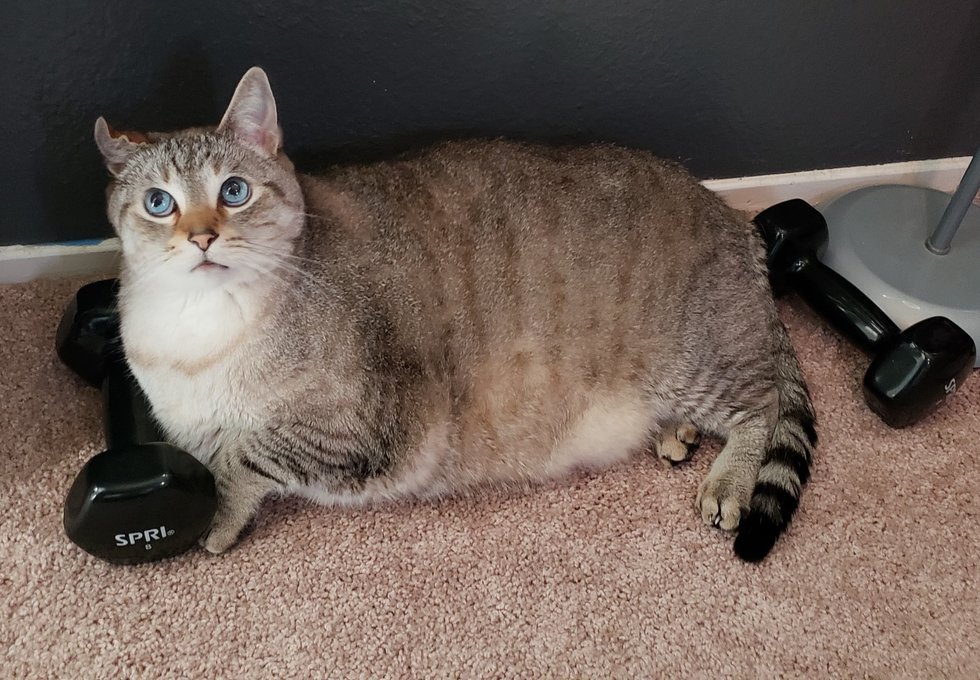
If the cat's body is more oval or even circular, this is cause for concern: it clearly shows excess weight. Obesity is characterized by a significantly enlarged abdomen.
The owner will get more information about the cat's body type through palpation. Normally, the ribs, pelvis, and chest are easily palpated, and there are small fat deposits in the abdominal area. If the bones are difficult to feel, but still possible, this indicates overweight. A thick layer of fat is visible on the back, ribs, and abdomen, indicating severe obesity.
It's also worth observing your pet's behavior. An overweight cat becomes lethargic, doesn't play, sleeps a lot, and has a heavier gait and shortness of breath.
The easiest way to tell if your pet is becoming obese is by weighing them. Just know the average weight for your pet's breed and compare it to the results.
We show the pet to the veterinarian
If you notice your cat gaining excess weight, consult a veterinarian. The vet will calculate the ideal weight for your pet. To do this, the specialist will measure the head circumference, spine length, chest circumference, and waist circumference.
A veterinary examination is also necessary to determine the cause of weight gain. Sometimes this is simply due to overfeeding, while in other cases, obesity develops due to internal organ pathologies or hormonal imbalances.
The doctor can also prescribe a weight loss program for your pet, which includes dietary nutrition, exercise, and sometimes special courses.
The main thing to remember is that weight loss should be gradual; sudden weight fluctuations are dangerous to your pet's health.
How to put a cat on a diet
Avoid going to extremes and drastically reducing your cat's portions. Starvation can lead to liver, kidney, and heart problems.
If you feed your cat natural foods, start by reducing their calorie content. Eliminate fatty meats and high-fat dairy products from the menu. Vegetables, white fish, and seafood are beneficial for an overweight cat.
In addition to reducing fat content, portion sizes should also be reduced. Feed your pet frequently, 4-5 times a day. Food should not be left freely available on the plate; only the designated portion should be provided. Clean water should always be readily available.
If your cat was fed with food, there's a solution here too. Dietary cat foods are now available. The feeding guidelines are listed on the packaging, and all you have to do is strictly adhere to them.
Don't forget about exercise. Start by taking your cat for walks in the fresh air. At home, play with your cat more often, and invest in toys and teasers. You can also create a training complex that will allow your cat to frolic even when you're not around.
Weigh your cat weekly and record any changes in weight. Don't forget to visit your veterinarian until your pet's weight returns to normal.
Excess weight can lead to many problems, so try not to overfeed your cat and monitor their physical activity. Show your love for your pet by playing together, not by giving extra treats.