Most animals end up on the streets due to human error. They are often abandoned, lost, or become homeless due to the death of their owner. Absolutely any animal can become unwanted. Both purebreds and mongrels are not immune to this fate. The lives of former pets are at risk. They cannot find food or defend themselves. It's good that there are people who can take responsibility for the life of an abandoned animal.
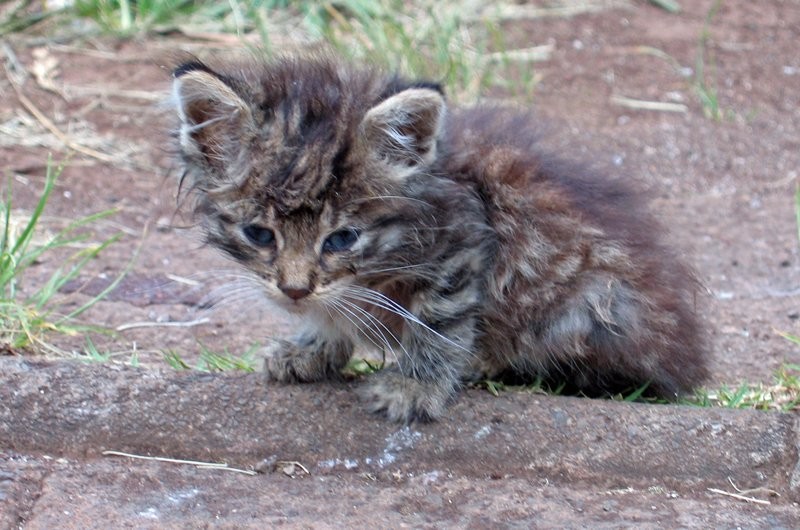
Go to the vet
So, you've found a kitten, a cat, a puppy, a dog... An animal that's lived on the street, even for a short time, is rarely healthy. Therefore, the first thing you need to do is take it to a veterinary clinic.
The vet will examine the animal for visible signs of illness and injury. A physical examination will reveal flea and lice infestations, as well as any fractures and dislocations. The vet will examine the ears for ear mites. If left untreated, ear mites can develop into tumors. The vet will also examine the oral cavity for ulcers. Blood will be drawn to detect more serious conditions. A Wood's lamp with ultraviolet light will detect ringworm.
It's not recommended to immediately treat or wash the animal. The foundling should be isolated for at least a couple of days or until you know the test results. Place it in a spacious cage, lock it in the bathroom, toilet, or on the balcony, providing it with food and plenty of water. Leave it in a warm and quiet place for the time being. The temporary habitat should be disinfected daily with disinfectants.
Any treatment for worms and skin parasites is toxic. Therefore, you should wait until the animal has adjusted or the test results are available.
Wash your pet and get rid of fleas
After a couple of days, wash the animal with a special anti-parasite shampoo. Or use household tar soap. After treatment, dry the foundling thoroughly. A washed dog usually takes about 24 hours to dry. Taking a wet animal for a walk is not recommended unless it's hot outside.
After a week, apply special drops to the withers to combat external parasites. If no serious illnesses are detected, deworm after 10 days. Repeat the deworming treatment after another 10 days.
Stronghold drops eliminate both external and internal parasites in a single application. They are also the least toxic to animals.
In any case, the doctor will recommend a treatment plan.
Get vaccinated
Once the test results are ready, no viruses are detected, the animal's appetite and stool are normal, and deworming has been completed, then it's ready for vaccination. Veterinary clinics will recommend which vaccinations are most effective. After the procedure, closely monitor your pet. If their health worsens, contact the veterinary clinic immediately. After immunization, your pet will be issued a veterinary passport, and you can also immediately microchip it.
Take care of castration
Spaying and neutering foundlings is a necessary and effective measure. It will prevent further stray, unwanted animals from ending up on the streets. It will also protect females from pyometra (inflammation and decay of the uterus).
Veterinary clinics typically collaborate with animal welfare volunteer movements, where sterilization of all foundlings is mandatory. Therefore, veterinarians' skills in such procedures have reached a very high level. They undertake surgeries on pets as young as 3-4 months old.
Don't forget about proper nutrition
Another important factor for health, longevity, a beautiful coat, clear eyes, the best possible immunity, and a cheerful disposition is proper nutrition. Owners choose the diet themselves—either prepared food or natural food.
Premium foods provide everything they need. And, according to manufacturers, such food is already sufficiently balanced.
But experienced breeders believe that animals still need natural food. After all, the gastrointestinal tract has been shaped over centuries by a specific diet.
In the wild, predators eat the entire liver first. Therefore, meat and liver, scalded rather than boiled, are essential for building immunity and maintaining proper gastrointestinal function. Fermented dairy products include kefir and low-fat cottage cheese. Wild animals also eat watermelon, carrots, oats, cucumbers, cabbage, and pumpkin. Therefore, adding raw vegetables to their diet is also essential.
If you realize you can't keep a foundling, find it a new home. Contact animal rights organizations and advertise your search for a new home through them. Let our actions make the world a better place. A foundling's grateful gaze and devotion are irreplaceable.