Your first aid kit should always be kept out of reach of your pet. This article explains how medications can harm your pet.
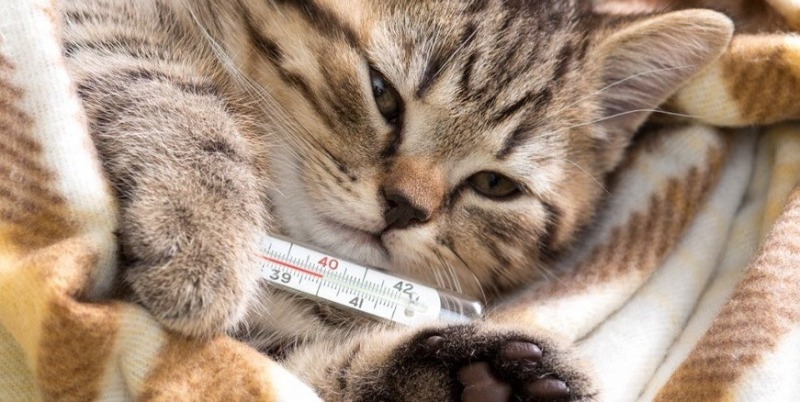
How your medications can harm your cat
A passion for exploring the world around them is in cats' blood. The sight and smell of medications draws them in. But medications that are safe for humans pose a serious risk to pets. Even minimal doses of some medications can be fatal to your pet.
Why is medication packaging attractive to cats?
Cats are strongly attracted to medications, primarily because of the smell of the medication itself. However, pets also find the outer packaging appealing. Chemicals used in plastic manufacturing have odors and tastes that are attractive to animals. The smooth surface of the packaging may be tempting for licking and chewing. The rustling sound of the packaging can entice cats to play, where they will bite, chew, and gnaw at the packaging, trying to get to the medication itself. Such behavior is dangerous to your pet's health. Playing with the packaging can cause choking, suffocation, or intestinal obstruction.
Which groups of medications are the most dangerous for pets?
Many human medications can cause poisoning in pets, sometimes even death. The most dangerous are:
- Products containing valerian extract. The effects of valerian on cats are similar in potency to those of a strong, addictive drug on humans. Tablets and alcohol-based tinctures containing a high percentage of valerian extract are particularly dangerous. After ingestion, pets may experience mental disorders, panic, and hallucinations.
- Phenol-containing medications. Of these medications, paracetamol is the most common in home medicine cabinets. These medications are highly toxic to cats and, even in small doses, can cause serious harm to the animal's body.
- Analgin and aspirin. These pills negatively affect internal organs, causing bleeding or toxic anemia.
- Amphetamines adversely affect the central nervous system. After administration, the animal experiences elevated temperature, blood pressure, increased respiration and heart rate, and seizures.
- No-shpa. This drug causes paralysis of the lower extremities.
- Zinc supplements can cause serious kidney and stomach problems in pets.
Remember, at the first sign of poisoning, you should immediately contact a veterinarian. Prevention is always better than cure. So, remember to keep your first aid kit out of your cat's reach.