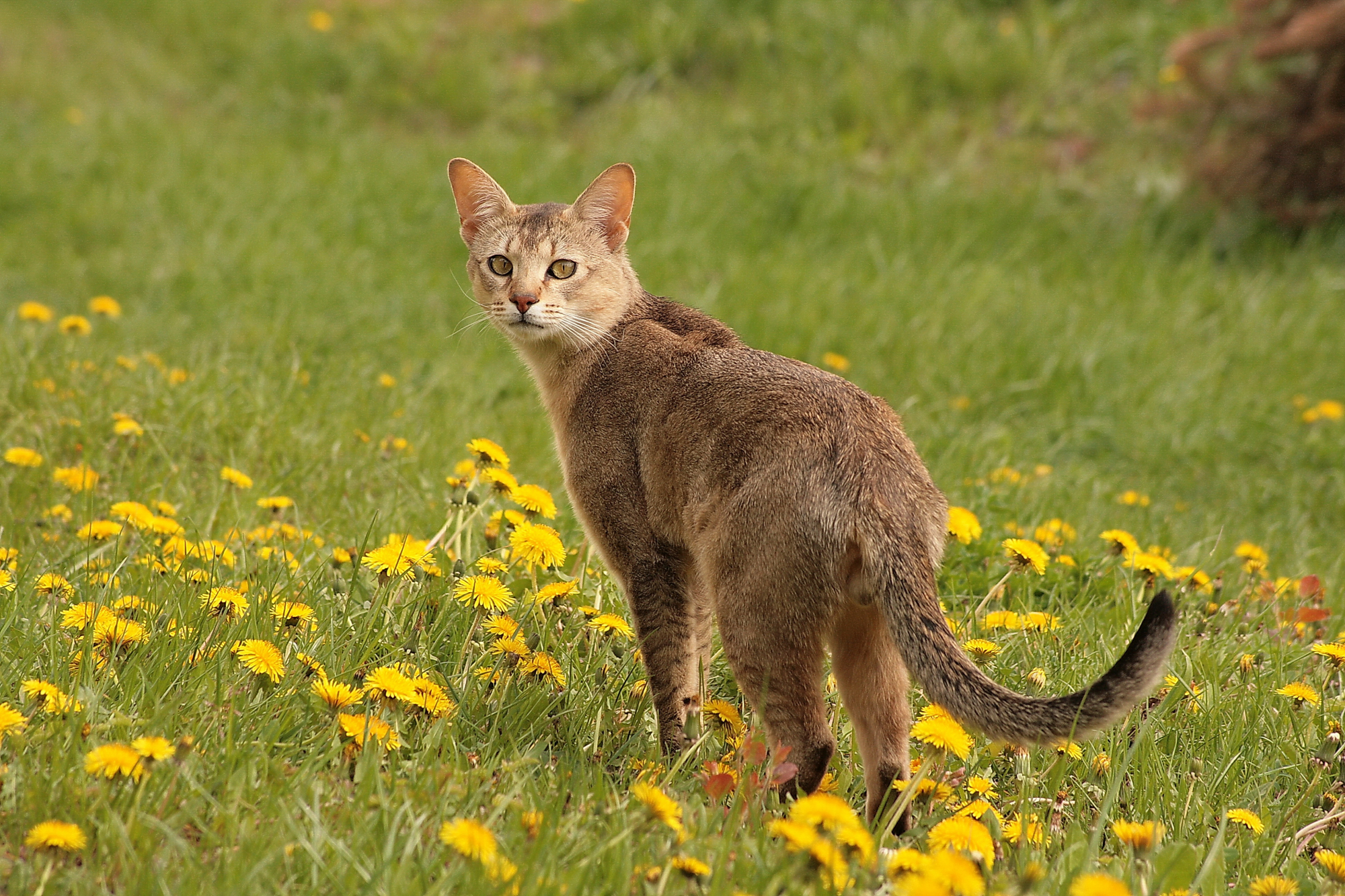
The Chausie is a hybrid breed created by crossing jungle cats with domestic cats. The name comes from the Latin name for the swamp lynx, Felis chaus. These cats possess the exotic appearance of predators and a good-natured disposition. Chausies quickly adapt to any living conditions, a trait they inherited from their wild ancestors. With proper care, they can live for about 20 years.
Content
Origin of the breed
The Chausie's homeland is Ancient Egypt, where their ancestors, the jungle cats, lived. They lived alongside humans, hunting waterfowl and small rodents. Their mating with domestic cats produced the first hybrids of astonishing beauty.
The Chausie was first discovered in 1970, when tourists from the United States saw Egyptians keeping wild cats in their homes. Cat breeders became interested in these cats and began attempting to domesticate them. Breeders set themselves the goal of creating an animal that would resemble a wild cat in appearance but have a good-natured nature.
In 1995, the International Cat Association adopted the standard, and in 2003 the breed was officially recognized.
Description of appearance
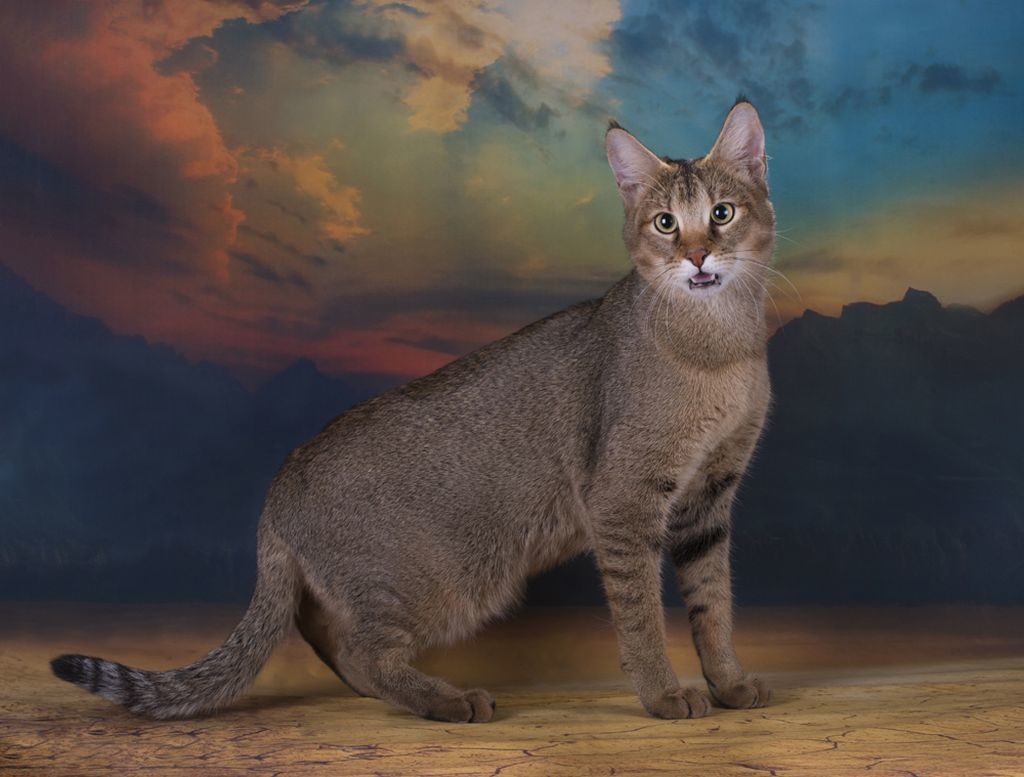
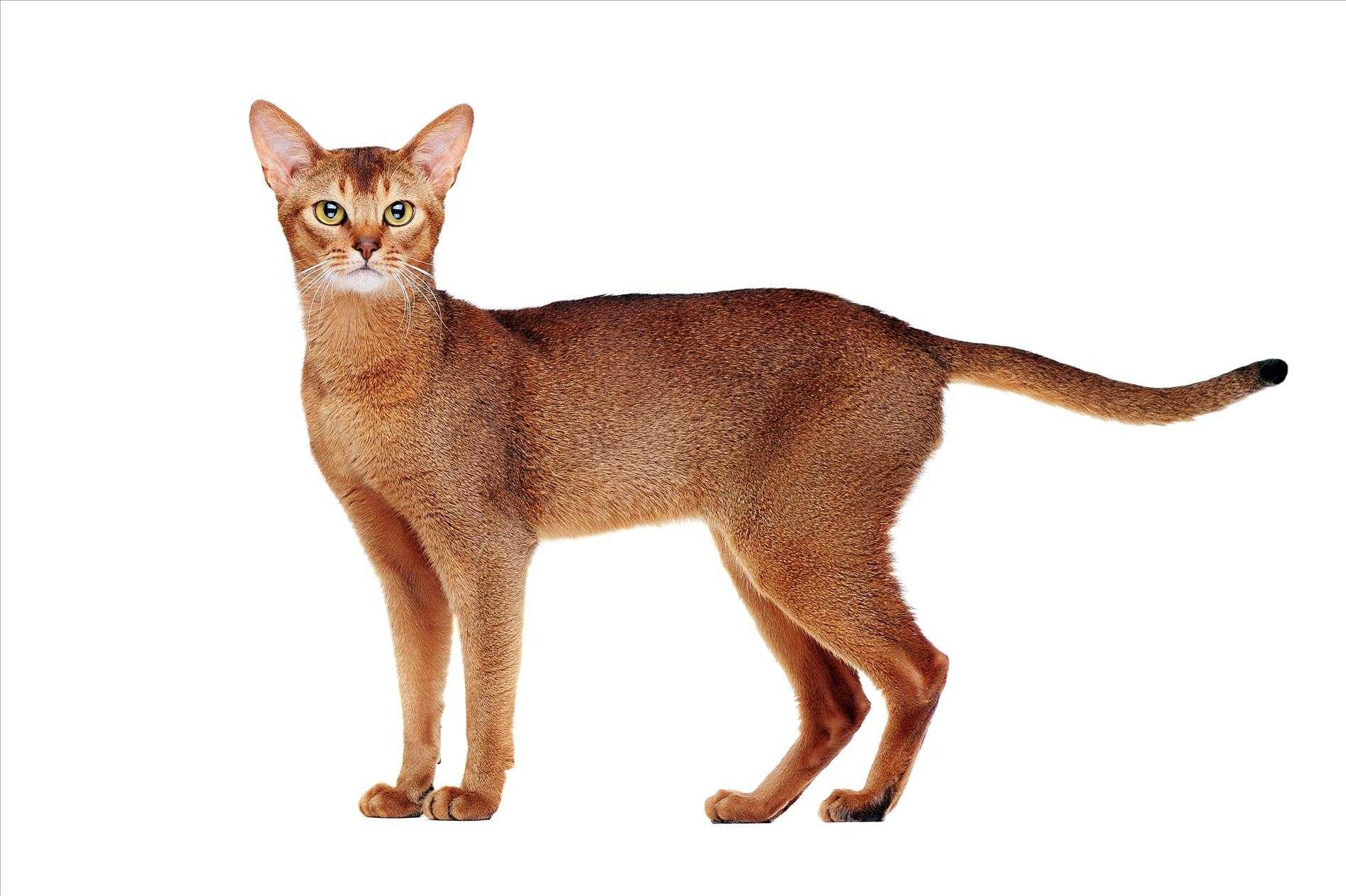
Chausies weigh between 4 and 15 kilograms, and stand about 40 centimeters tall at the withers. Males are 20% larger than females.
Exterior Description:
- wedge-shaped head, high cheekbones, flat forehead;
- almond-shaped eyes, the color of the iris varies from yellow to green;
- pointed ears are set high and may have tufts;
- muscular build;
- long neck;
- broad back and chest;
- narrow shoulders and pelvis;
- powerful limbs with tenacious fingers;
- thick tail.
The animals' fur is soft and shiny, resembling a thick, velvety carpet. The head, paws, and tail are covered with elastic, ticked (striped) hairs.
Color standards:
- Ticked silver;
- Black;
- Ticked tabby.
Regardless of color, the ear tufts and the tip of the tail should be black.
Types of Chausie
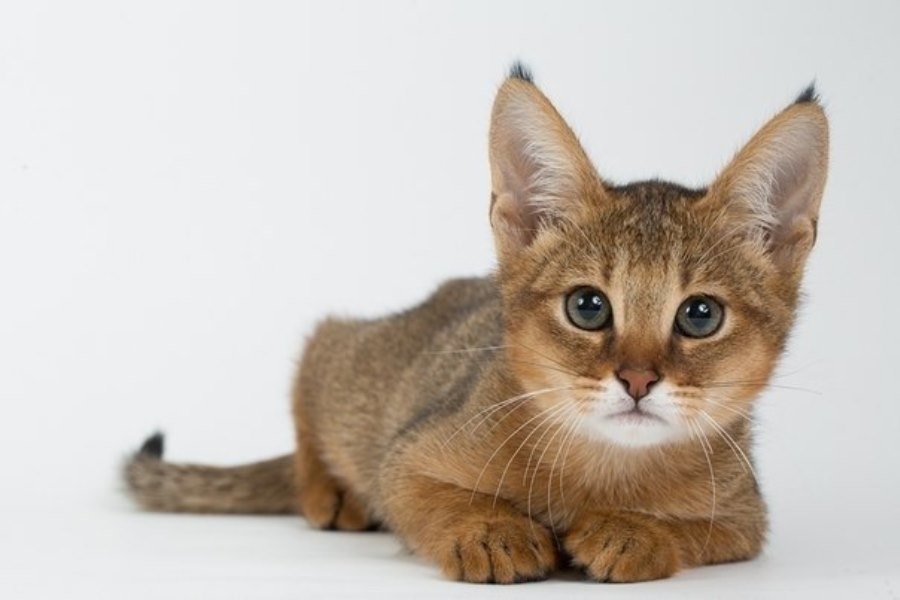
Representatives of the breed should resemble jungle cats as closely as possible. However, interbreeding with domestic cats leaves its mark on their appearance. Chausies are differentiated depending on the generation in which they were crossed with a wild cat.
- F1. Direct descendants of a male Hausa cat. These animals resemble jungle cats in appearance, weigh about 15 kilograms, and possess the temperament of a predator.
- F2 cats are second-generation descendants of the Hausi. They have a more loyal nature and weigh about 10 kilograms.
- F3. Descendants of the F2 Chausie. These pets resemble a jungle cat in appearance, weigh no more than 10 kilograms, and are distinguished by their calm disposition.
- F4 and F5. Animals born in the fourth or higher generation after mating with a wild cat. These pets are fully socialized, weigh about 5 kilograms, and have a good-natured nature.
Character
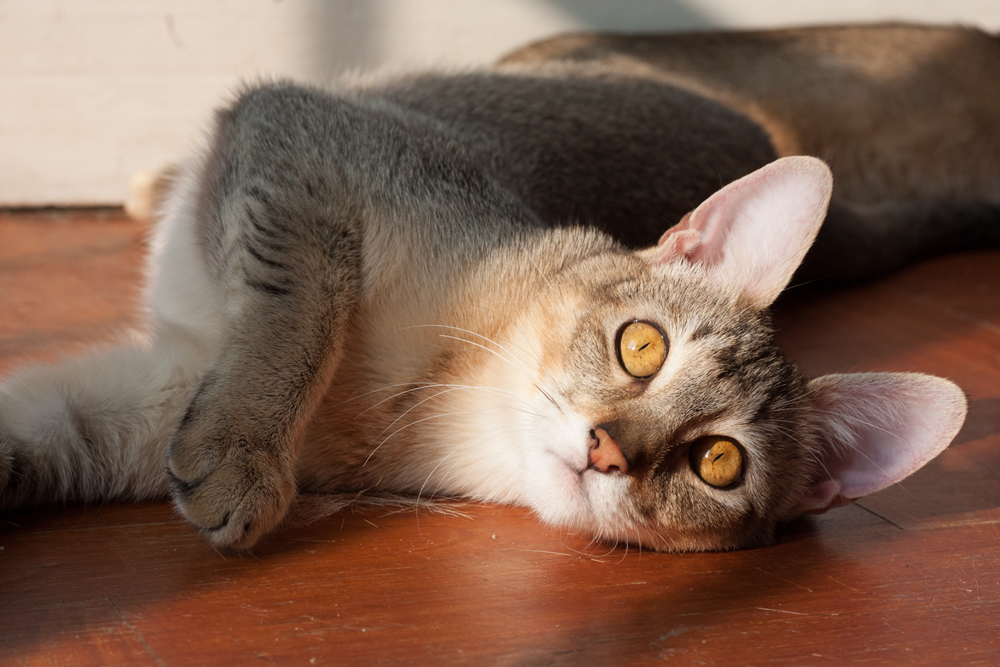
Despite the fact that the blood of wild cats flows in the veins of the Chausie, they are distinguished by their kind and peaceful nature. These animals have large claws, but they retract them when in contact with human skin. These cats are devoted to their owners and are able to sense their moods. However, they do not accept subservience and can display an independent nature.
Chausies are inquisitive, enjoying meeting new people and being the center of attention. Jungle cat descendants pose no danger to children or other pets, except for hamsters, birds, and fish—they view them as prey and will hunt them.
Representatives of the breed are completely unafraid of water, they swim well, and are adept at catching fish. Chausies also enjoy heights and enjoy playing on cabinets and attics.
These animals are known to hoard food. They may steal food from the kitchen and hide it in a secret place, so owners should keep a close eye on them.
Pros and cons
Chausie cats have many advantages, including the following:
- exotic appearance;
- sociability;
- love for the owner;
- good attitude towards children.
The disadvantages of the breed include:
- high price for kittens;
- hyperactivity;
- super-curiosity.
Buying a kitten
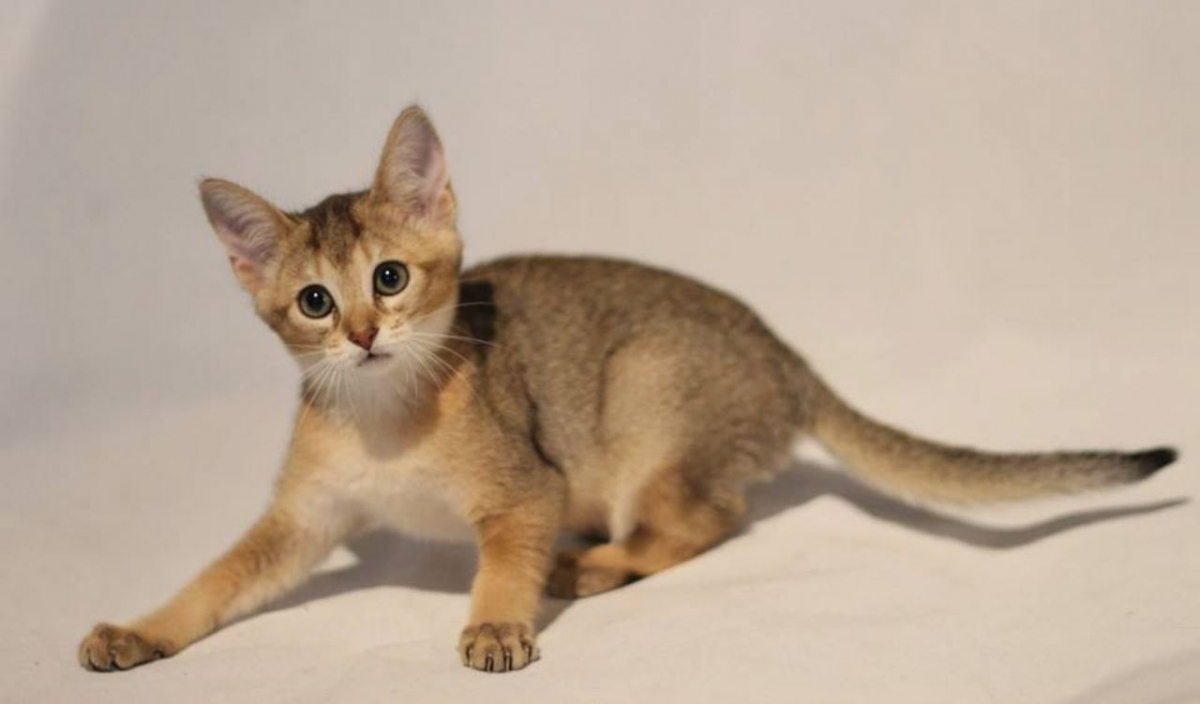
Specialized catteries breed and sell Hausy kittens. Kittens reaching three months of age are ready for new homes. When choosing a pet, you need to look at its parents and read their documents. Breeders are required to provide future owners with a card containing the date of birth, name and pedigree, as well as a veterinary passport.
Healthy animals can be distinguished by the following characteristic features:
- the appearance meets the standard;
- there is no dandruff or bald spots on the coat;
- ears and eyes are clean;
- the claws on the paws are not deformed;
- The kittens are friendly, active and curious.
The Chausie is a rare and expensive breed. Prices for F1 and F2 kittens range from 500,000 to 800,000 rubles. F3 and F4 kittens cost around 200,000 to 400,000 rubles. F5 kittens can be purchased for 100,000 rubles.
Care Features
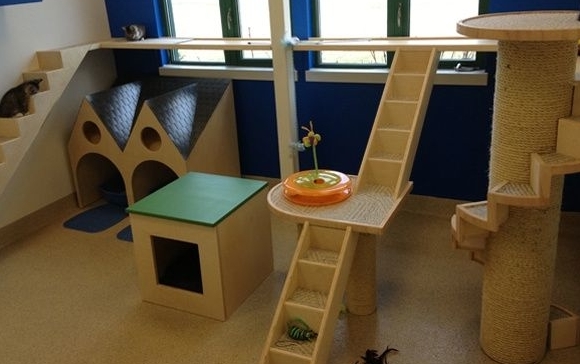
Chausies need space, so a private home is the best place to keep them. Apartment-dwelling Chausies should be given access to fresh air.
These breeds are incredibly energetic and curious. To avoid damaging property, they need a dedicated play area. This should consist of several tiers and a playhouse, as they love to play at heights. Kittens need toys and frequent handling. They can become feral due to loneliness and lack of social interaction.
Caring for a House should include the following hygiene procedures:
- The coat is combed twice a week with a special massage brush.
- Clean the ears and corners of the eyes weekly. This procedure is performed using cotton pads soaked in warm water.
- Bathe your pets as they get dirty with a special cat shampoo. Frequent washing can cause dandruff and make their fur lose its shine.
- To clean cats' teeth, tendons are included in their diet. Tartar is removed using ultrasound at a veterinary clinic.
Nutrition
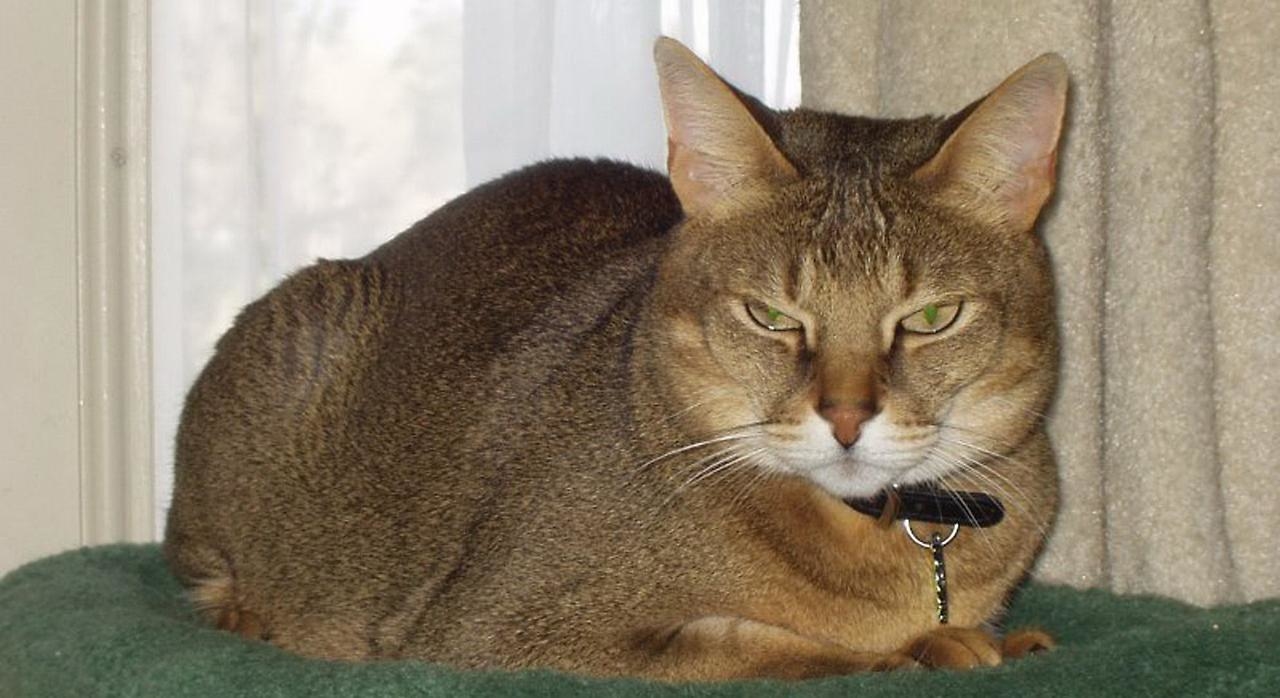
Representatives of the breed are prone to gaining excess weight, so they should be protected from excess food. Kittens are fed four times a day, while adult cats are transitioned to two meals a day. Super-premium foods for animals with sensitive digestion (Hill's, Royal Canin, ProPlan) can be used as a diet. When feeding natural food, the menu should include the following foods:
- raw meat (rabbit, chicken, beef);
- raw offal (lungs, heart, liver);
- fermented milk products (fermented baked milk, cottage cheese, kefir);
- raw quail eggs.
The weight of one portion is 5% of the animal’s body weight. ZIt is prohibited to feed cats flour products, grains and potatoes. Drinking water should be freely available.
Upbringing
Cats of this breed are highly intelligent and quickly understand what their owner wants. First, the kitten needs to be toilet trained. When the kitten starts meowing and darting restlessly around corners, place it in the litter box and wait for it to do its business. It is possible to potty train a Chausie, but it will take a lot of time and patience.
Descendants of their wild ancestors have large claws that can damage furniture. Any attempt to scratch furniture should be stopped and taken to a scratching post. This can be treated with Smart Spray, which will attract their attention.
From an early age, animals should be taught not to bite or scratch family members. During training, be firm and assertive. Hitting or yelling at pets is not recommended, as they will lose trust in their owner and become aggressive.
This breed must be walked on a leash and harness. To train the animal, it needs to be equipped with harnesses several times a day and walked around the apartment or house.
Mating and care of offspring
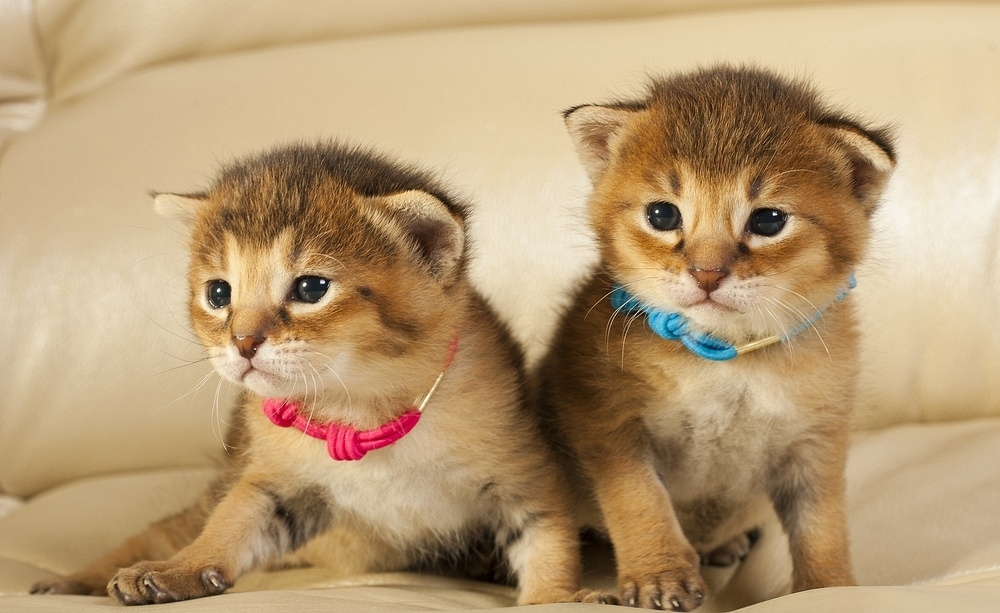
Chausie breeding should be done by professionals. F1, F2 and F3 males are sterile, so it is very difficult to obtain purebred offspring. A cat's pregnancy lasts approximately 9 weeks. Two weeks after mating, weakness and nausea may be observed. During the second half of pregnancy, the mother's mammary glands and abdomen enlarge. Fetal movement begins at 7 weeks.
A few days before giving birth, the mother cat becomes restless and rushes around the house in search of a secluded spot. A "nest" can be constructed from a cardboard or wooden box. It's best to use newspaper as bedding to prevent the kittens from getting tangled or suffocating. During the first week after giving birth, the box should be heated with an infrared lamp. The temperature should be at least 30°C (86°F), and it should be reduced by 3°C (30°F) every seven days.
Labor lasts from two to six hours, with kittens born every five to 30 minutes. After the kitten is born, the mother will chew through the umbilical cord. If she doesn't, the owner will cut it with sterile scissors, 2.5 cm from the kitten's belly.
Suitable names
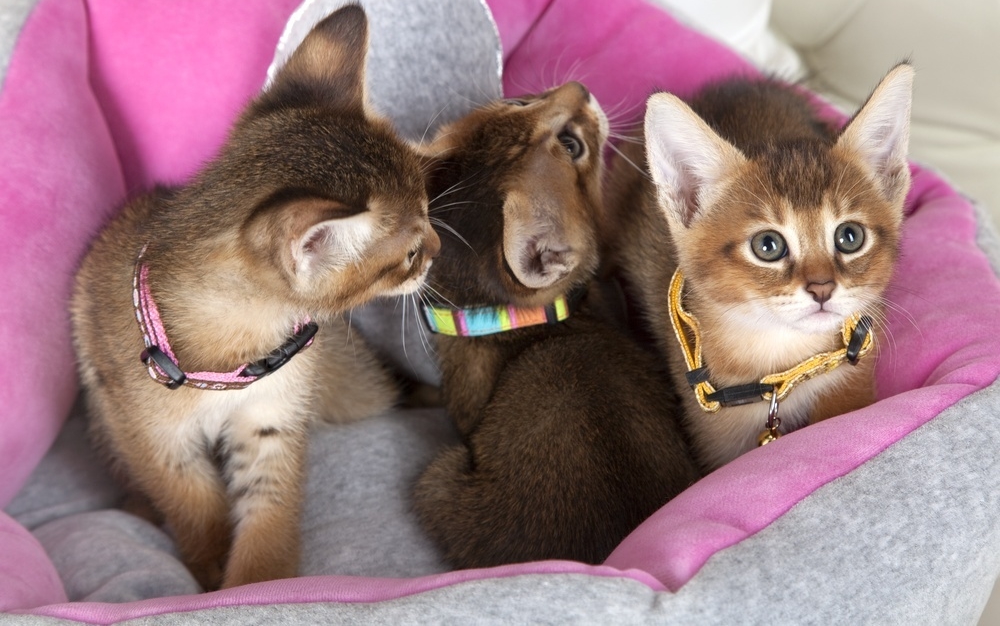
It's important to name your kitten from the first days it arrives home. There are several ways to choose a nickname:
- Use your imagination and come up with a unique nickname for your pet that matches its appearance or habits.
- Name your animal after a famous actor or singer, a favorite literary character or movie hero.
- Open a list of cat names on the Internet and choose a suitable one.
Girls can be called by the following names: Amelie, Aiza, Bella, Gella, Julie, Annie, Jolie, Kessie, Polly, Yuna, Yanta.
The following nicknames are suitable for boys: Cupid, Aizik, Ice, Black, Barin, Wulf, Jag, Icarus, Coconut, Leo, Teddy.
Health
Chausies are generally healthy and rarely get sick. The only problem with this breed is their voracious appetite. This uncontrollable craving for food can lead to obesity, which in turn can lead to heart disease.
To keep your pet healthy, you need to take the following preventative measures:
- Get examined at a veterinary clinic several times a year.
- Keep your pet vaccinated on time. The first vaccine against calicivirus, rhinotracheitis, and panleukopenia is administered at nine weeks, and the second one a month later. A rabies vaccine is administered at six months. Adults are vaccinated once a year.
- Conduct deworming treatment once every three months. You can use Drontal, Caniquantel, or Praziquantel suspension tablets.
- From March to November, apply drops against fleas and ticks (Dana Ultra, Frontline) to the withers every month.
Chausies are unique animals, as their ancestors are wild cats. Before getting a kitten, it's important to familiarize yourself with the breed's characteristics, as keeping exotic pets is quite expensive and labor-intensive.