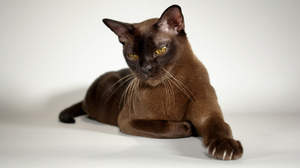
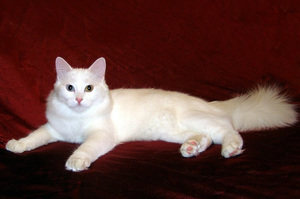
 Humans first encountered Turkish Angoras many centuries ago. When Europeans first encountered them in the 16th century, they were immediately captivated by the cats. Therefore, from that time onward, these animals became regular inhabitants of royal palaces, where they were often kept on the laps of nobles.
The Turkish Angora stands out from its relatives with its unique charm, giving it the appearance of a Byzantine princess. However, it lacks any hint of pride, a fact that underscores its gentle nature and good-natured disposition. Therefore, despite the changing eras, Turkish Angoras have remained consistently popular.
Content
General description of the breed and character of the Angora cat
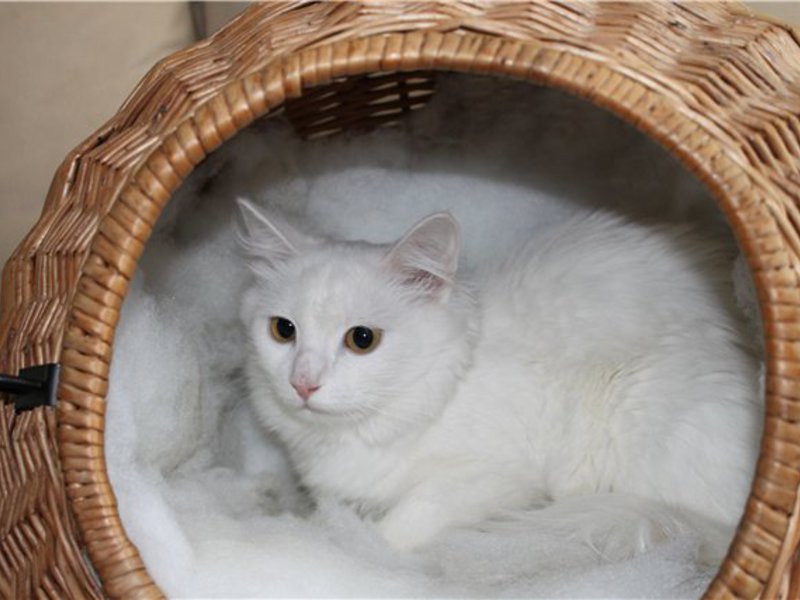
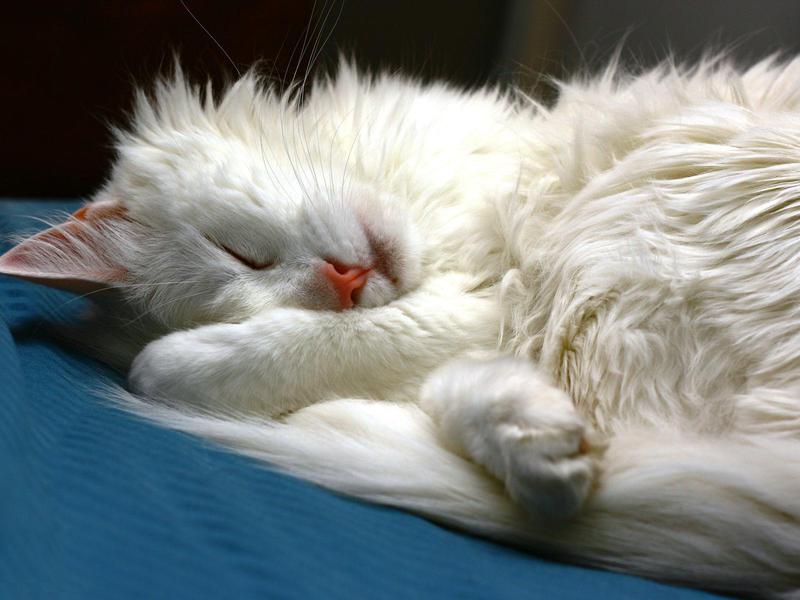
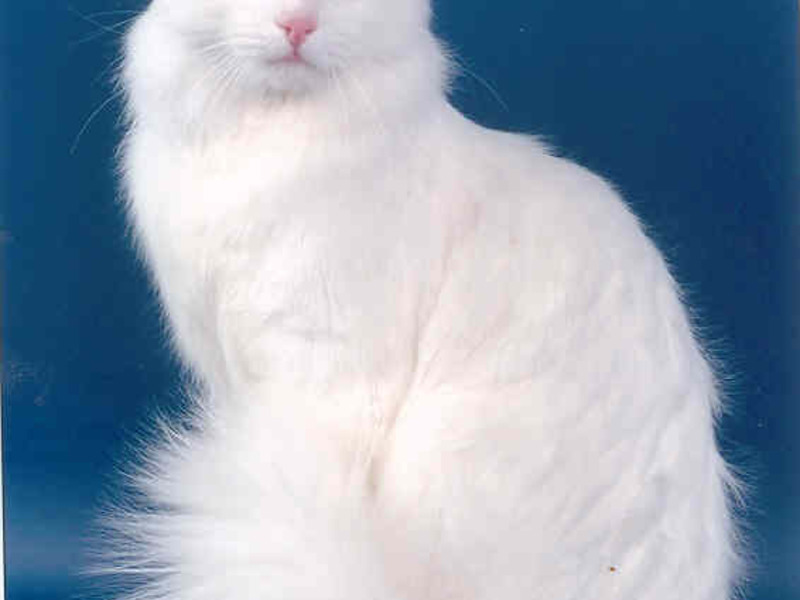
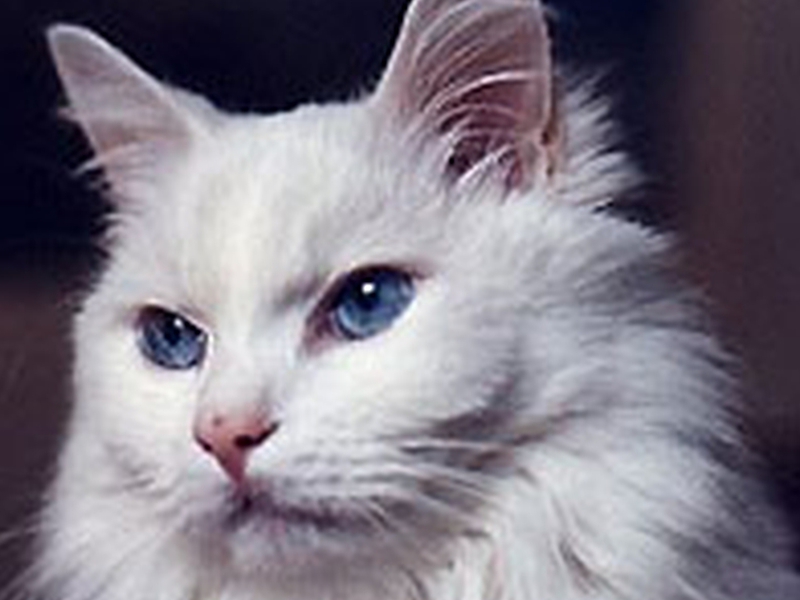
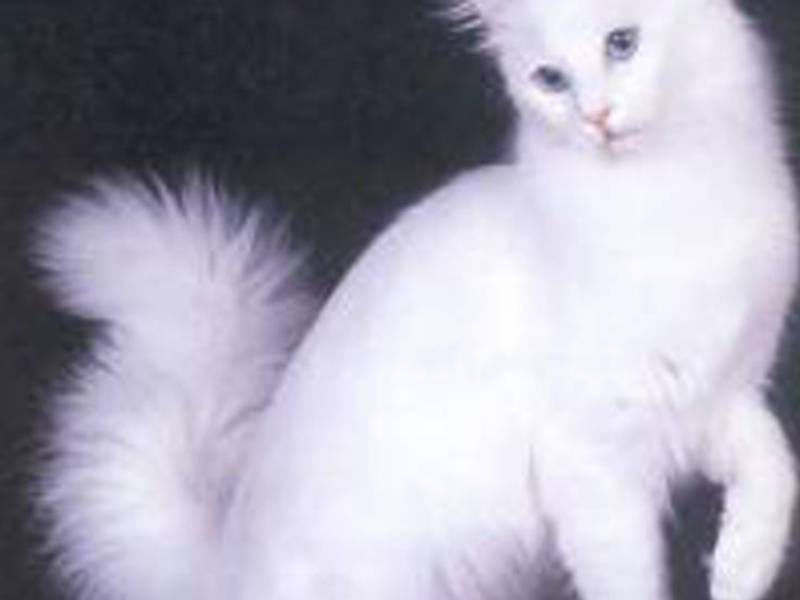
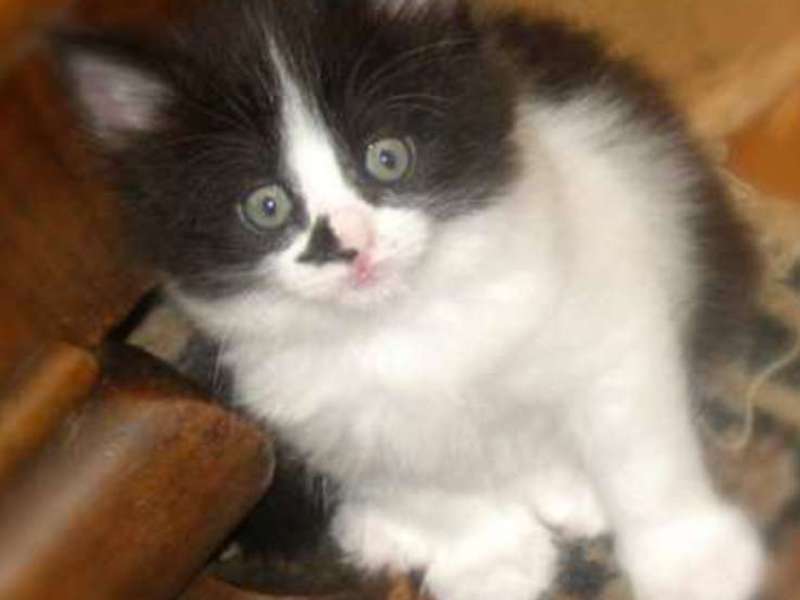
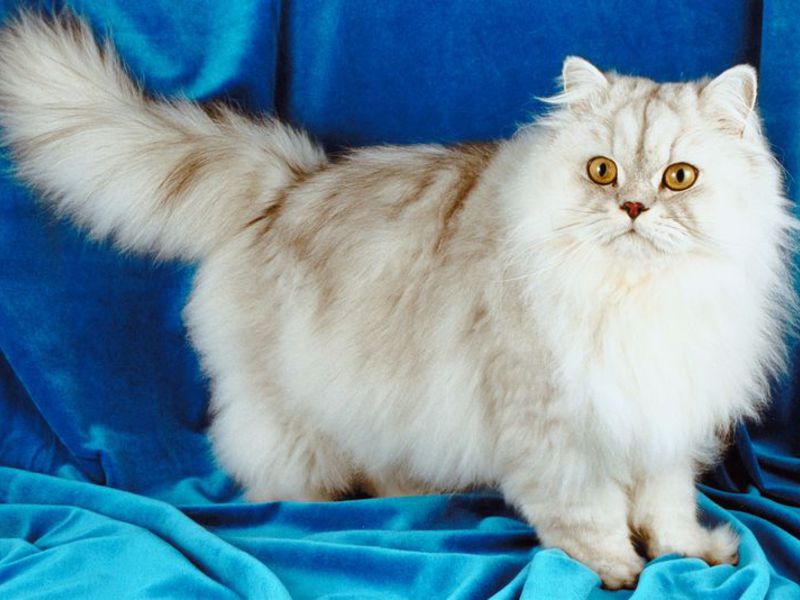
The photo of these animals stands out among many others, because they are truly unique creatures that every cat lover would do well to get to know better.
What the Turkish Angora and Turkish Van breeds have in common is that the representatives of these families descended from the most ancient domestic catsThey got their name for a reason: it's the old name for the capital of Turkey. In the 18th century, these animals were common in Europe, where they were typically kept by wealthy city dwellers. Throughout history, they were regarded as sociable house cats and were given much attention due to their rich, lush fur.
Our compatriots became acquainted with representatives of this cat breed after the Russo-Turkish wars. Here, too, they were held in high esteem. With the advent of the twentieth century, white Turkish Angora cats became particularly prized, often appearing in merchant houses and on greeting cards.
Main characteristics of Turkish Angora
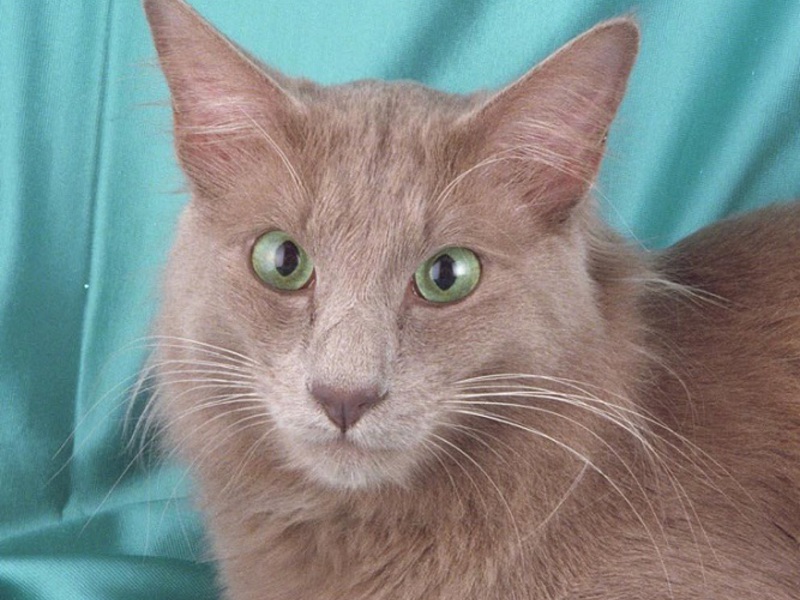
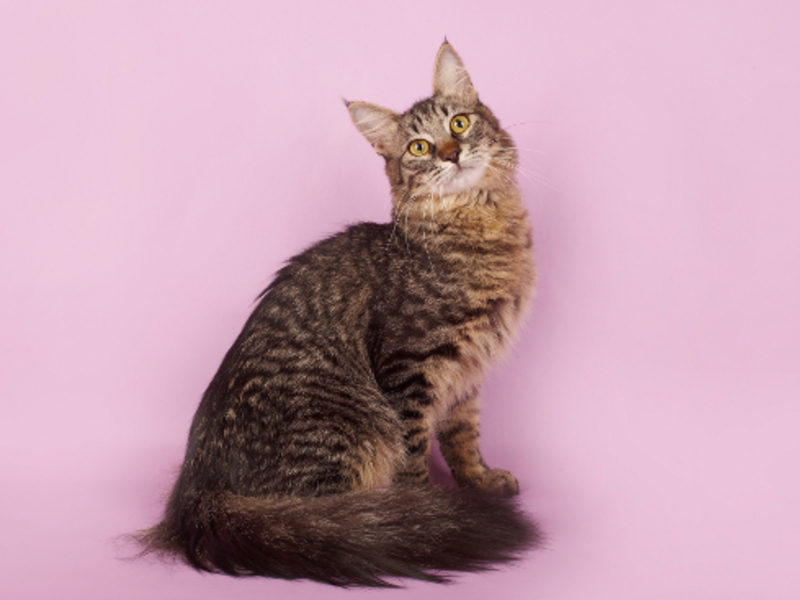
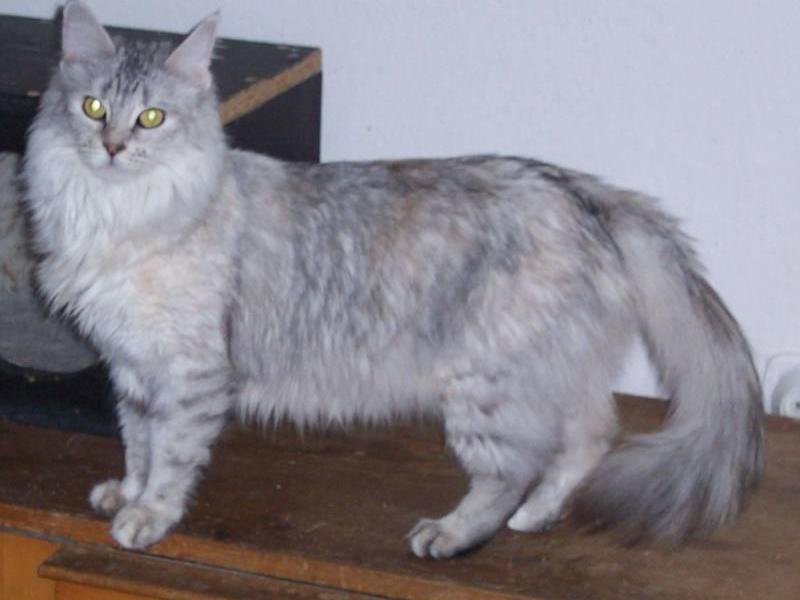
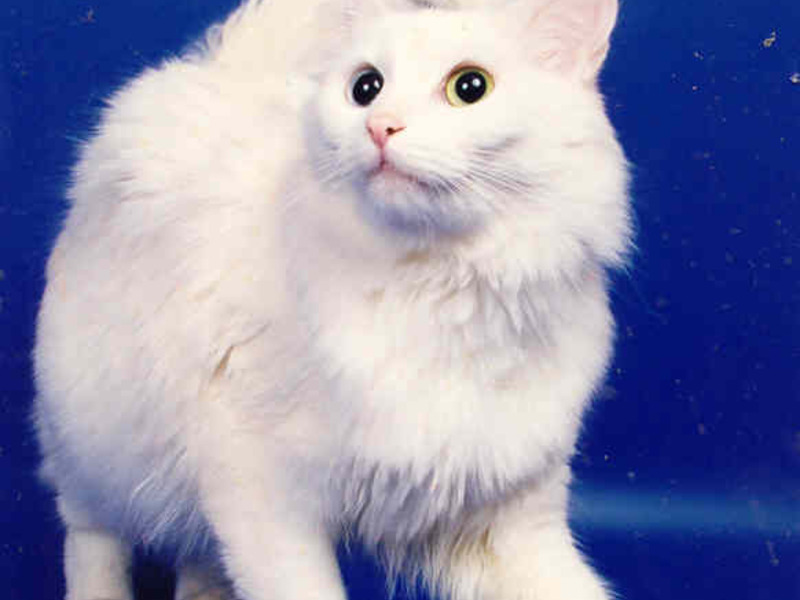
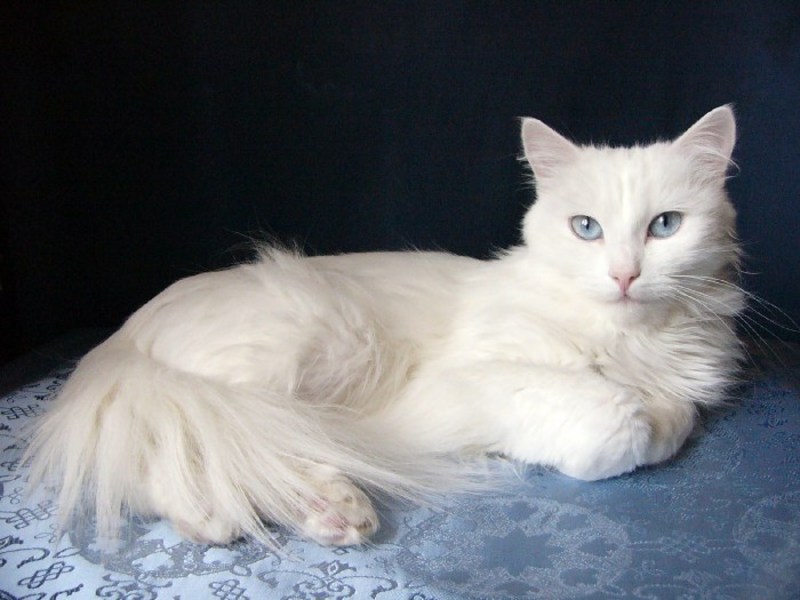
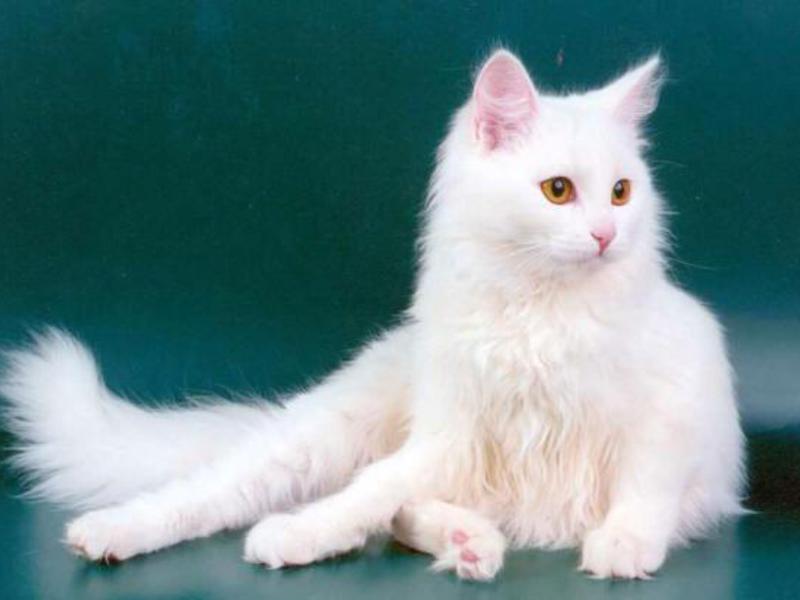
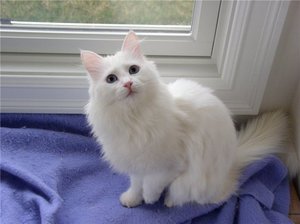 The photo of these cats only gives an idea of a few different color variations, but in reality there are many more.
This is a family of cats includes many different types, and it's the bright white cats that are most common. These animals are bred primarily in European countries. And although several centuries have passed, these Angora beauties still look the same.
According to international associations and clubs, only animals born to ancestors brought from Turkey or the Istanbul Zoo could be considered Angoras. However, this situation changed in the 1950s, when not only American but also other countries' clubs began to consider cats of other colors to be Angoras. Therefore, the presence of a bright white coat was no longer the only characteristic by which a cat could be considered a Turkish Angora. Today, this family is more than numerous and includes animals with black, blue, red and many other colorsHowever, this does not apply only to chocolate, lilac and Himalayan species.
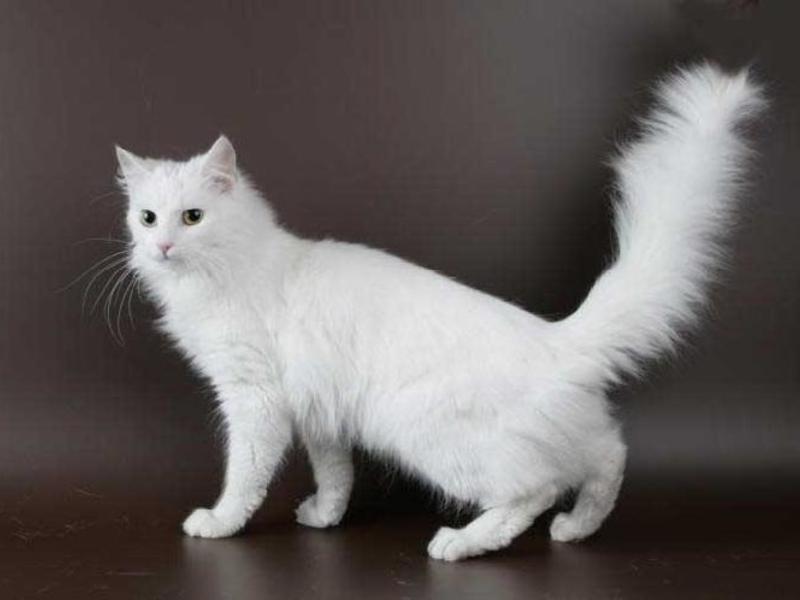
 The Turkish Angora's most distinctive feature is its elegant body, distinguished by its impressive size. This animal's appearance creates the impression of a true lady, graceful and elegant. The Turkish Angora's body structure is perfectly proportioned, and the animal itself appears very powerful. The rear end is slightly raised;
- The neck, which appears as powerful as the body, lends a slender appearance. The cat has well-developed shoulders and chest. The back is well-muscled, and the loin is broad and strong. The long legs, adorned with round paws, also appear strong. Thanks to its body structure, the Angora has excellent jumping ability, and when it leaps, it seems as if it is flying.
- The Angora's tail is also unique, strongly resembling an ostrich feather. It's quite long and wide at the base, but tapers toward the tip. Each section of the tail is adorned with long, fluffy hair.
- Turkish Angoras have a short, wide head that tapers to a point at the base, giving it a triangular shape. The chin is slightly rounded. The nose is medium-sized and slightly slanted. The ears are shortened, tapering at the tips, and also show signs of drooping.
- Angoras have particularly expressive eyes, which are blue or light amber. Domestic Angora cats mostly have green eyes, which makes them unique.
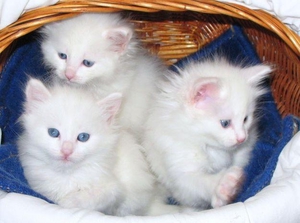 The Turkish Angora's most distinctive feature is its elegant body, distinguished by its impressive size. This animal's appearance creates the impression of a true lady, graceful and elegant. The Turkish Angora's body structure is perfectly proportioned, and the animal itself appears very powerful. The rear end is slightly raised;
In all their behavior, cats of the Angora breed demonstrate tenderness and affectionThey develop very friendly relationships with humans, and these animals can often sense their owner's mood. Angora cats are extremely active; they dislike being alone and enjoy human company, with whom they can sit for hours. They are highly intelligent and very quick-witted, so with the right approach, they can be trained to open doors or turn off lights. Many note that Angoras are somewhat sluggish, and in some cases, quite phlegmatic individuals have been encountered.
Choosing an Angora kitten
When choosing an Angora kitten, you should approach it with caution. If you come across an unscrupulous breeder, you risk purchasing a non-pedigree kitten that only resembles an Angora cat in appearance. Often, such sellers offer white half-Persians to uninformed buyers, presenting them as Royal Angoras. If you cannot guarantee that the breeder won't cheat you, it's best to seek help from a felinologist, who will easily understand the breed of cat they're trying to sell you. If you've found a reputable seller, they'll be happy to show you the kittens' parents and documents confirming their pedigree.
Selection rules
It is not easy to make a mistake when choosing an Angora kitten, because here there are certain rules, which you need to know before visiting the nursery.
- Purchasing an Angora cat before she's 12 weeks old would be a mistake. Kittens are usually still weak before this age, so they need to nurse for a while. Furthermore, moving can be very stressful for them, as they're not yet accustomed to independent living. Well-developed kittens aged three to four months are constantly on the move, playing with their littermates.
- It's best to choose an Angora kitten that's accustomed to human company. Before purchasing, it's important to thoroughly examine the animal: a healthy kitten shouldn't have an unpleasant odor, its coat should be clean, and there should be no discharge around the eyes or ears. A sign that an Angora kitten is sick can be its tummy. If it's hard, it's likely worms.
- When paying the stated price for a kitten, you should receive documentation from the seller—a veterinary passport. It should contain vaccination and deworming records. A pedigree is also required, but a kitten card can be issued instead. This can be used to obtain a pedigree from the club where the mating was registered. Care should also be taken to fill out the passport correctly: it should include information about two vaccinations administered at 9 and 11 weeks of age. If this information is missing, it is best not to purchase the kitten. Keep in mind that many catteries and private breeders are willing to sell Angora kittens only if a contract is signed. This document defines the obligations and responsibilities of the parties.
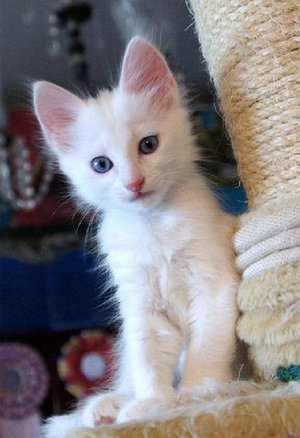 Purchasing an Angora cat before she's 12 weeks old would be a mistake. Kittens are usually still weak before this age, so they need to nurse for a while. Furthermore, moving can be very stressful for them, as they're not yet accustomed to independent living. Well-developed kittens aged three to four months are constantly on the move, playing with their littermates.
Features of maintenance, care, health
Turkish Angoras are distinguished by their endurance and resistance to diseases, making them ideal for raising at home. These felines won't cause much trouble for their owners:
- To keep your pet looking attractive, you'll need to regularly brush their fur and use a special brush. During shedding season, this will need to be done much more frequently—at least 2-3 times a week.
- The least amount of problems with caring for the Angora coat occurs for those owners whose kittens do not have an undercoat;
- During shedding season, it's recommended to bathe your pet more frequently, as this helps remove dead hair. When bathing, use special shampoos designed for cats.
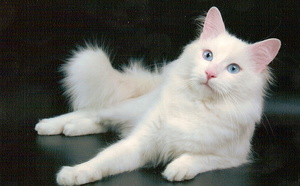 To keep your pet looking attractive, you'll need to regularly brush their fur and use a special brush. During shedding season, this will need to be done much more frequently—at least 2-3 times a week.
Angoras are also attractive to many because very rarely get sickHowever, in some cases, minor deviations may occur. This primarily concerns hearing problems, but thanks to the efforts of breeders, this condition is becoming less common today. Owners should also constantly monitor the condition of their pet's teeth and gums, taking appropriate measures at the first signs of tartar buildup. These cats live as long as other breeds—15 years.
If you want to give your pet more joy, then buy it for him toys designed for catsMany owners often get a scratching post first, so their pet can indulge in their favorite activity. Don't give up on this accessory, as it will protect your furniture and wallpaper from sharp claws. Once your cat gets the hang of it, they'll be able to file their claws on their own.
Turkish Angoras will never refuse other foods, so their diet can include more than one dry food. However, despite their omnivorous nature, it's best to feed them a single food. Make sure your cat always has access to water, as they drink a lot throughout the day. In addition to the basic recommended foods, you should also include grass in your diet: By eating it, they will be able to remove the hair that will accumulate in their stomach.
Turkish Angoras are prone to deafness, a common problem among all white cats. Deafness can occur in one or both ears.
Turkish Angoras are generally considered long-lived, but to increase their lifespan they only need favorable living conditions in the home.
Kennels and clubs
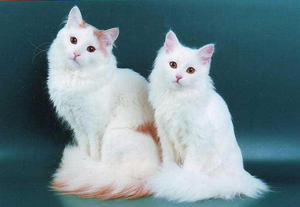 The first Russian cattery of Angora cats began its work in 1987. For their breeding white cats were used, which at that time did not have pedigrees. In some places, cats of Turkish origin were bred, but their pedigrees were incomplete. The birth certificates included with them contained information only about the parents.
Today, anyone can acquire a purebred Angora cat. Even the small number of these felines in Russia doesn't hinder this. The minimum price for these animals is is 2000 rublesBut depending on the grade, the cost of angora can vary greatly.
Conclusion
Turkish Angoras aren't just cute creatures that can become a loyal companion. People who meet these animals for the first time can't help but notice their beauty. Every part of their body is accentuated by their elegance and graceIt's therefore not surprising that many people in our country want to own an Angora cat. They're not particularly difficult to care for, as the main challenges are related to grooming their fur. Overall, they're generally trouble-free, rarely getting sick and eating a wide variety of foods.