The diversity of animals on Earth is so great that many species remain poorly studied. Among them is a predator known as the fire cat, or Asian golden cat.
This cat was named after the Dutch zoologist Conrad Jacob Temminck, who discovered and described it in 1827.
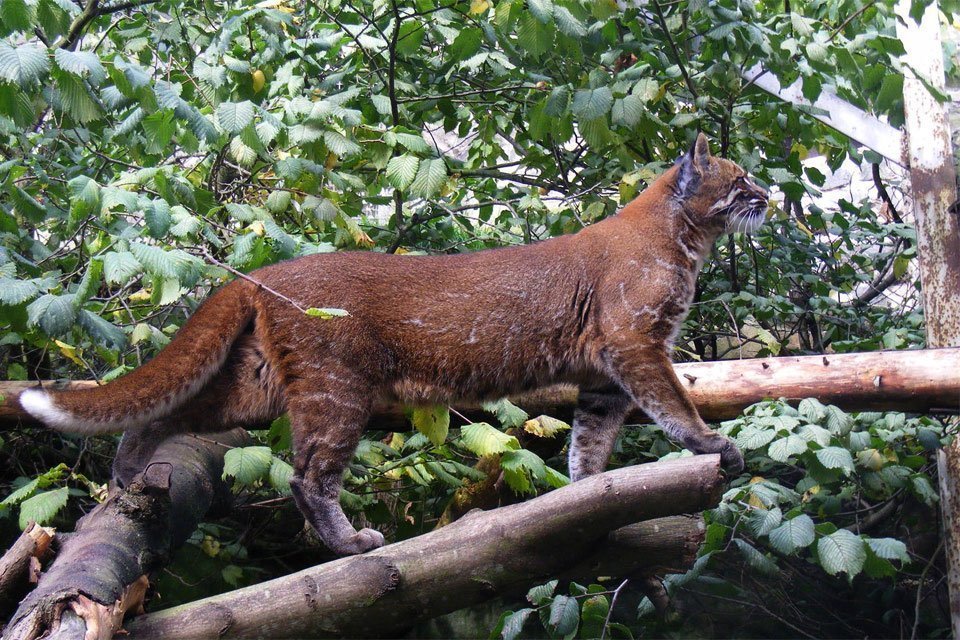
It lives in the southeastern tropical and deciduous forests of Asia - from the Himalayas to Indochina - and in the highlands, rising to an altitude of 3,000 m.
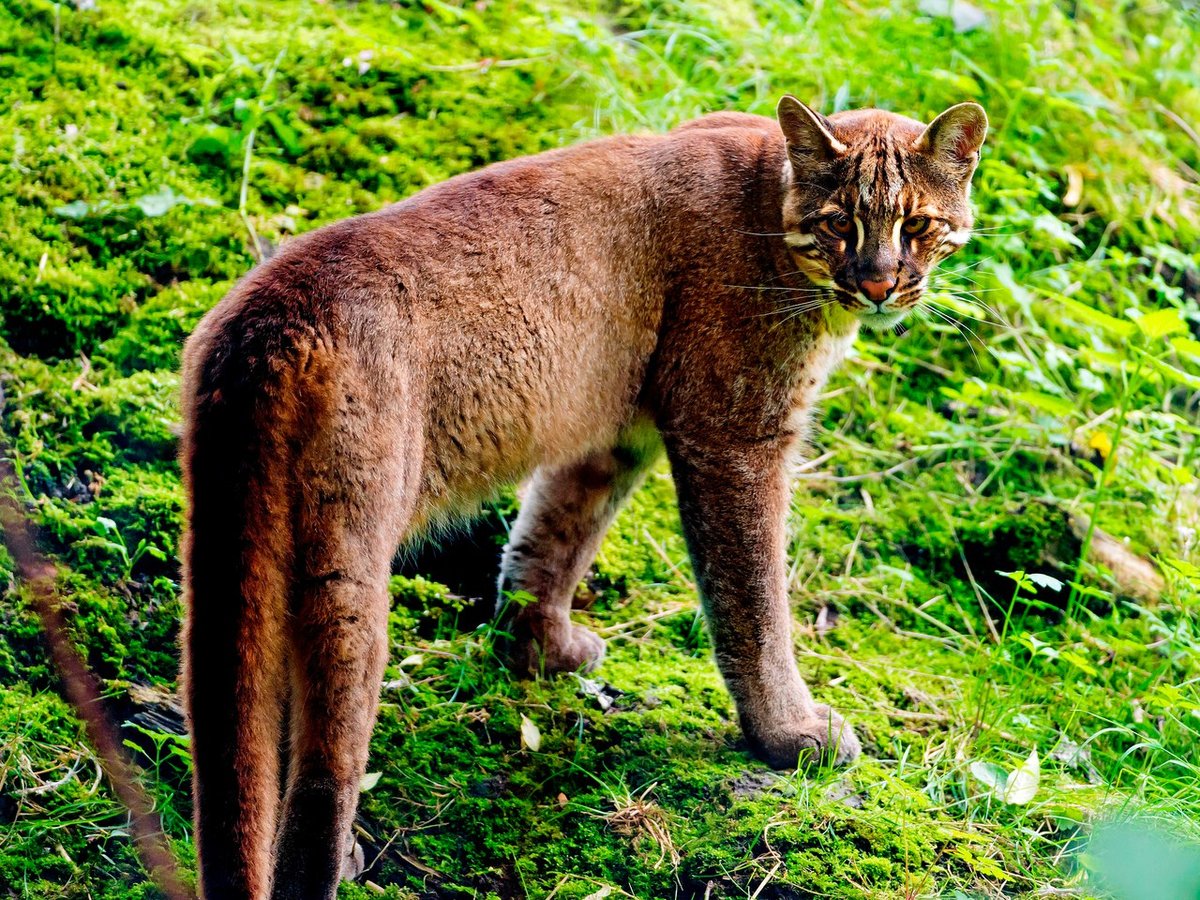
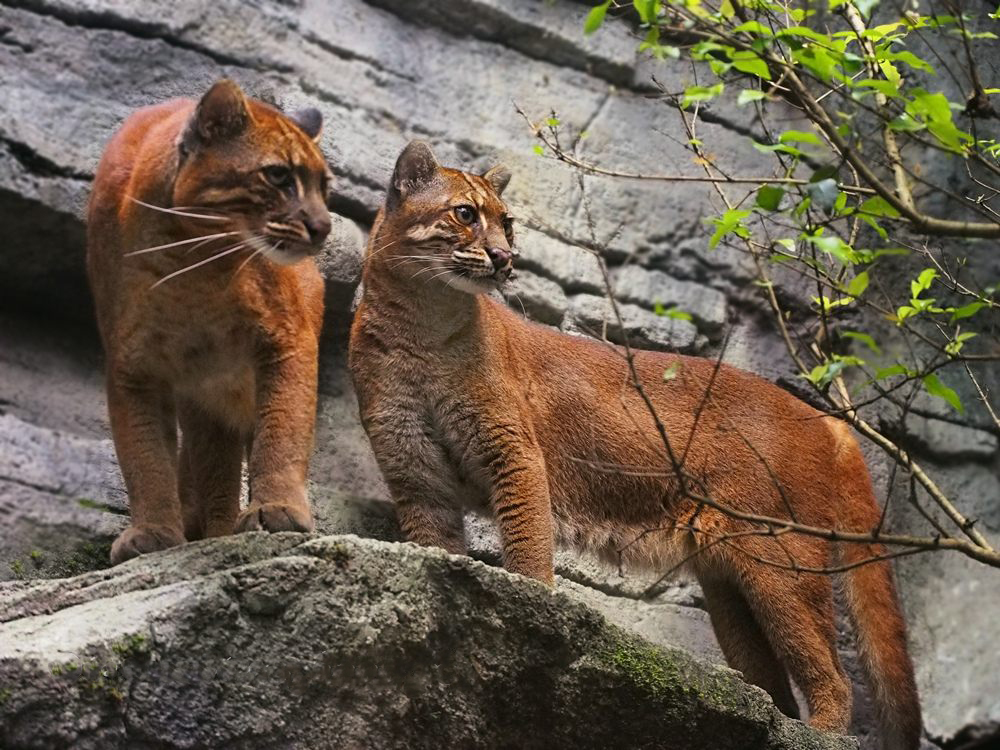
In appearance it looks like a miniature copy of a puma.
Locals regard the fire cat as a talisman, a medicine, and a delicious meal all rolled into one: its meat is considered a delicacy, its bone dust is used as an antipyretic, and its fur has become a protective amulet.
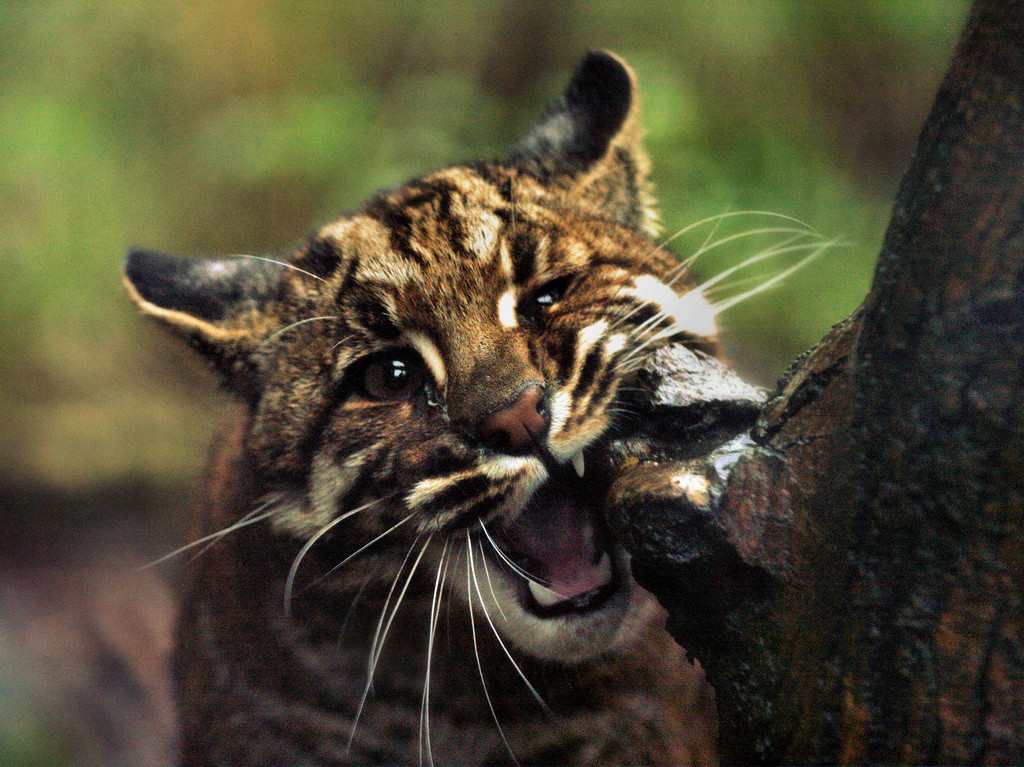
It is believed that if you burn a tuft of a golden cat's fur, it will scare away all the tigers in the area, and if you take its fur with you, you can be sure of no attack from any cats.
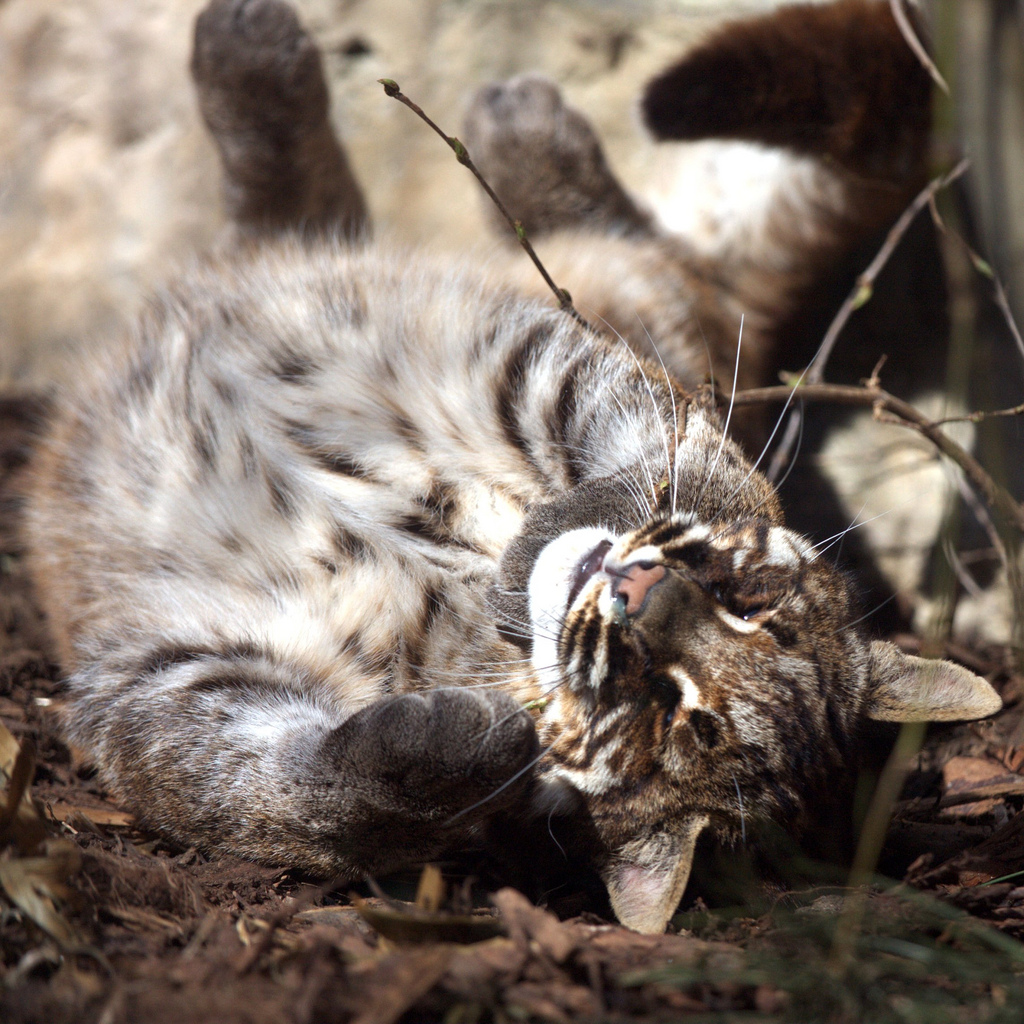
Fire cats themselves try in every possible way to avoid possible encounters with people and never attack first.
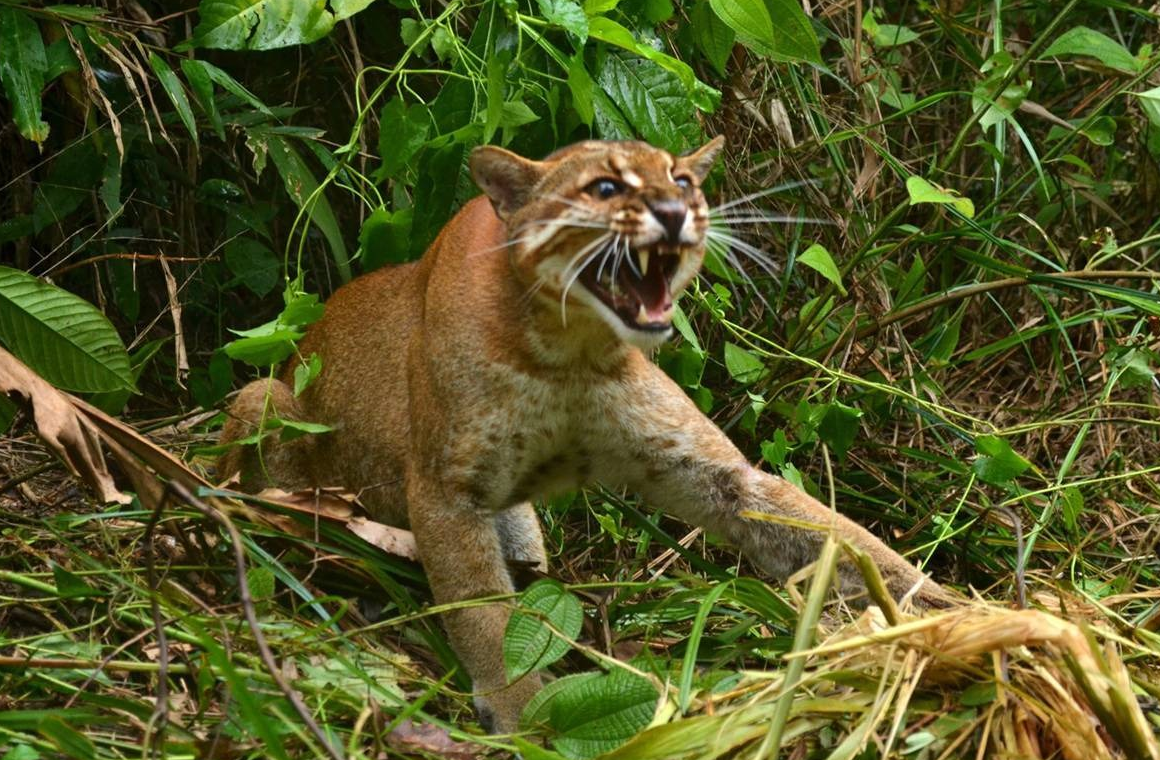
Their body length is about 100 cm, their weight reaches 16 kg, and their height at the withers is up to 52 cm. The tail is long, up to 55 cm.
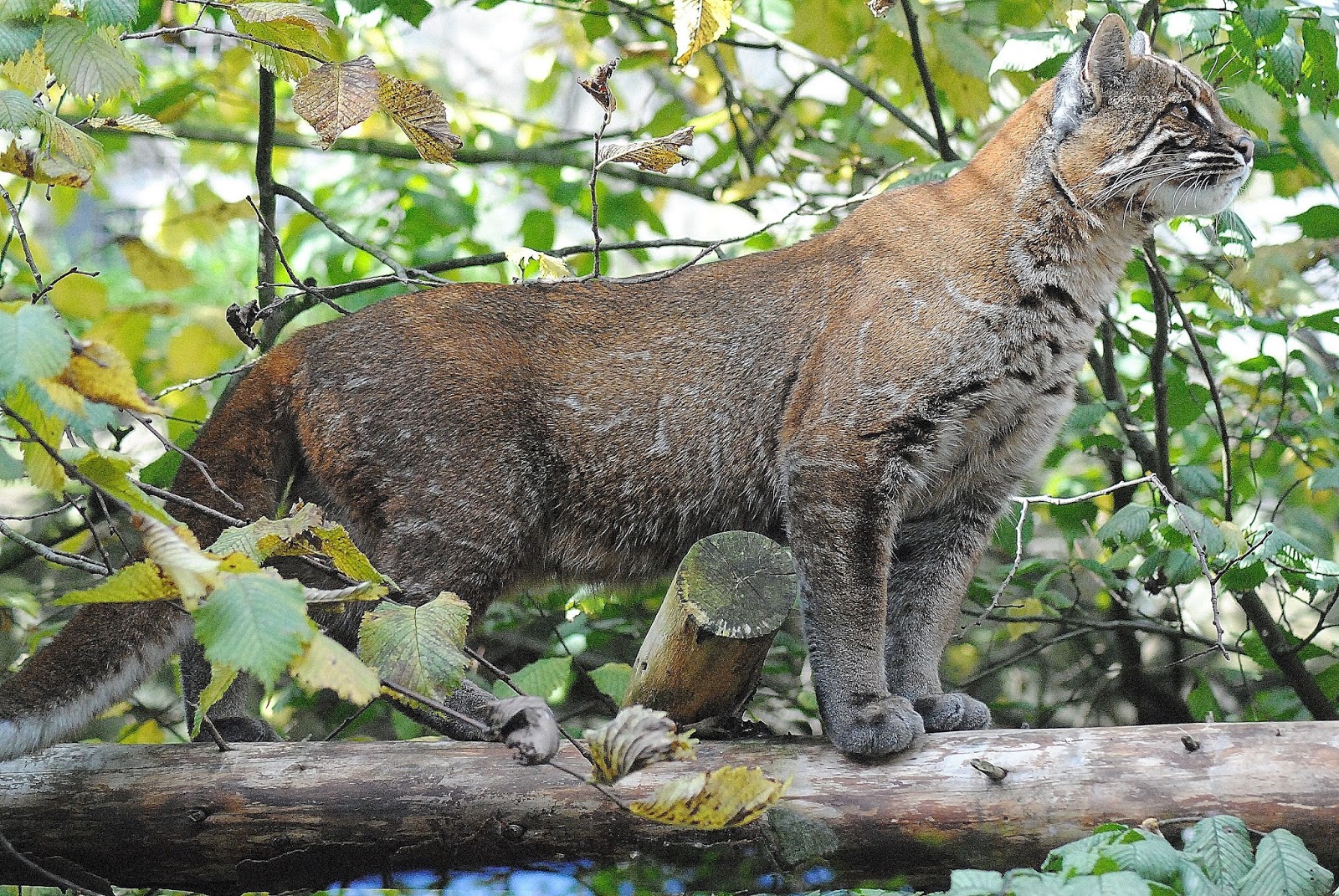
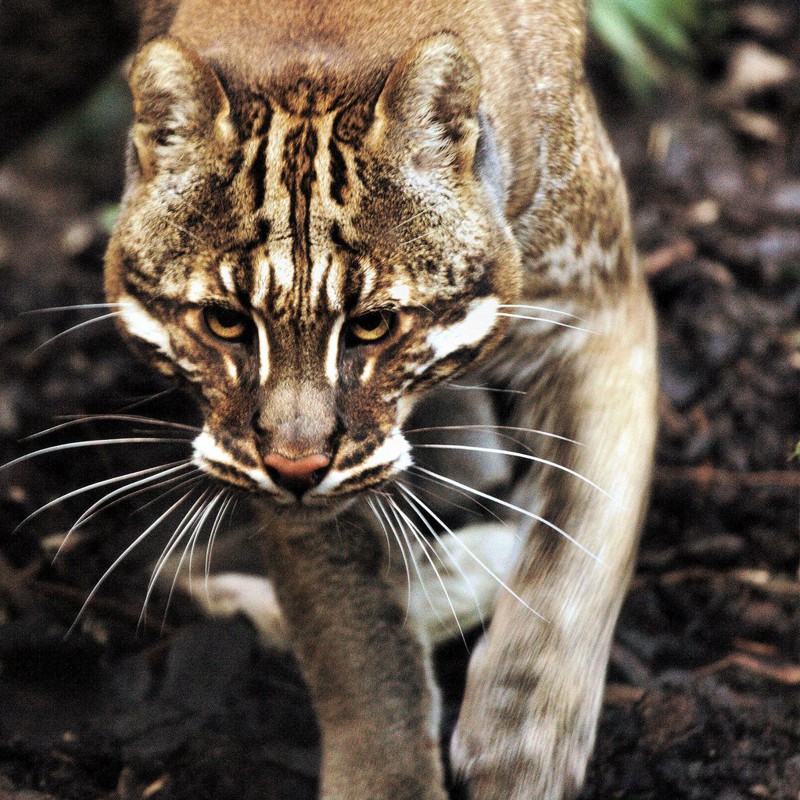
The Fire Cat has a dense, thick golden-chestnut coat, although black and grey colours are less common.
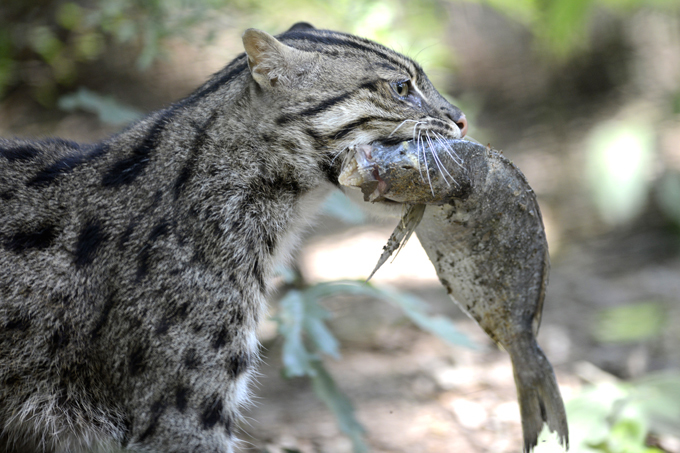
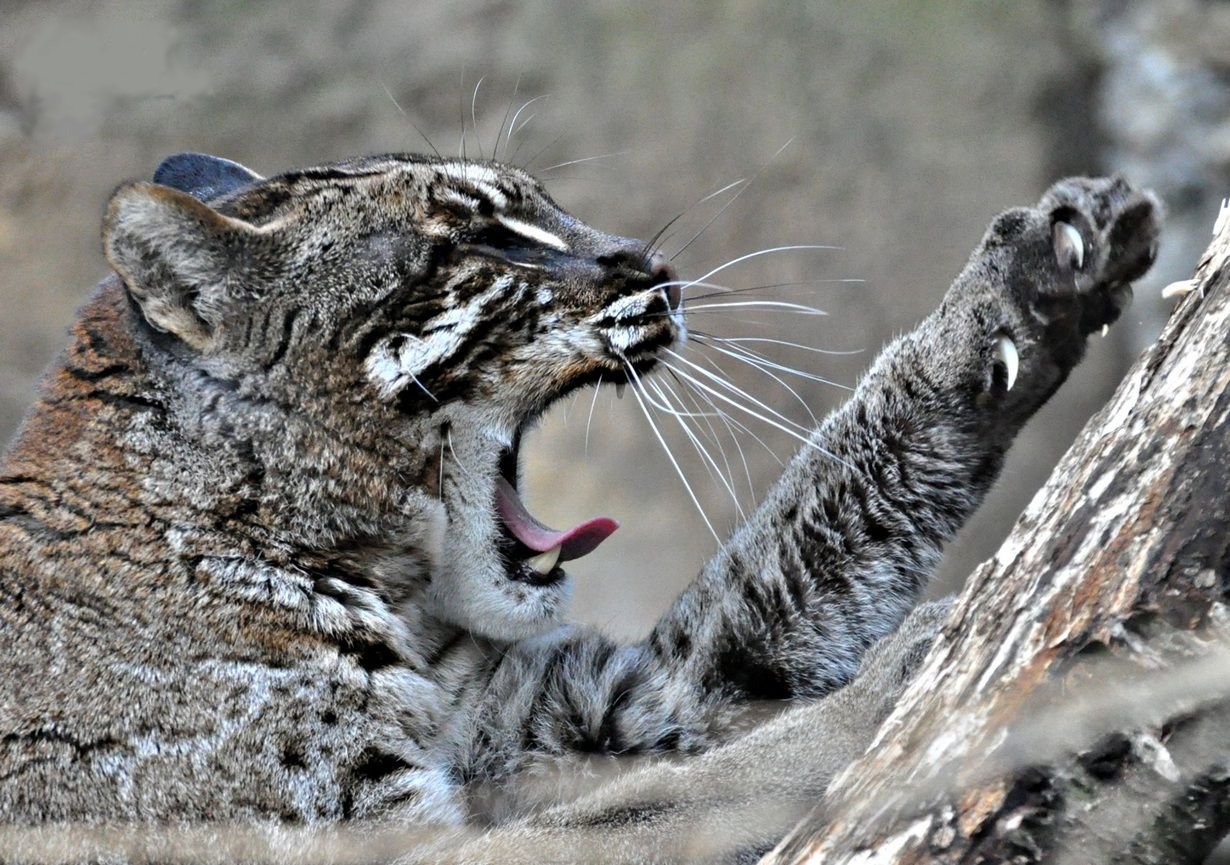
The muzzle has a clearly defined pattern of white stripes.
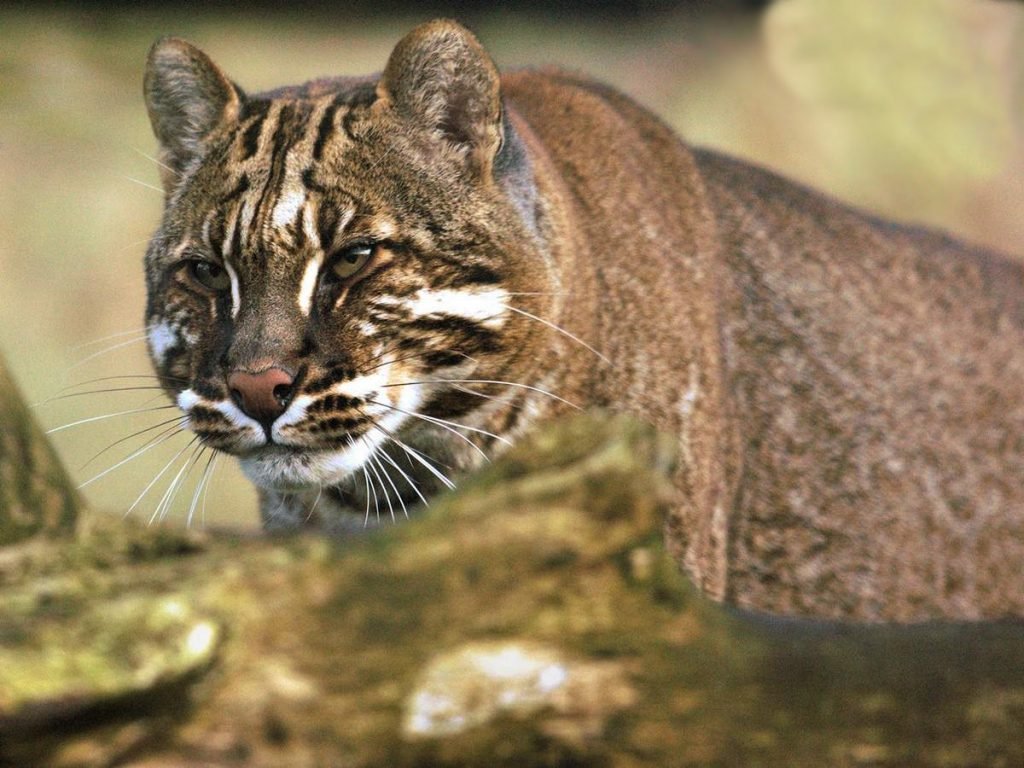
They hunt at any time of the day, but more often in the evening - mainly for small rodents, but they will also hunt birds or reptiles.
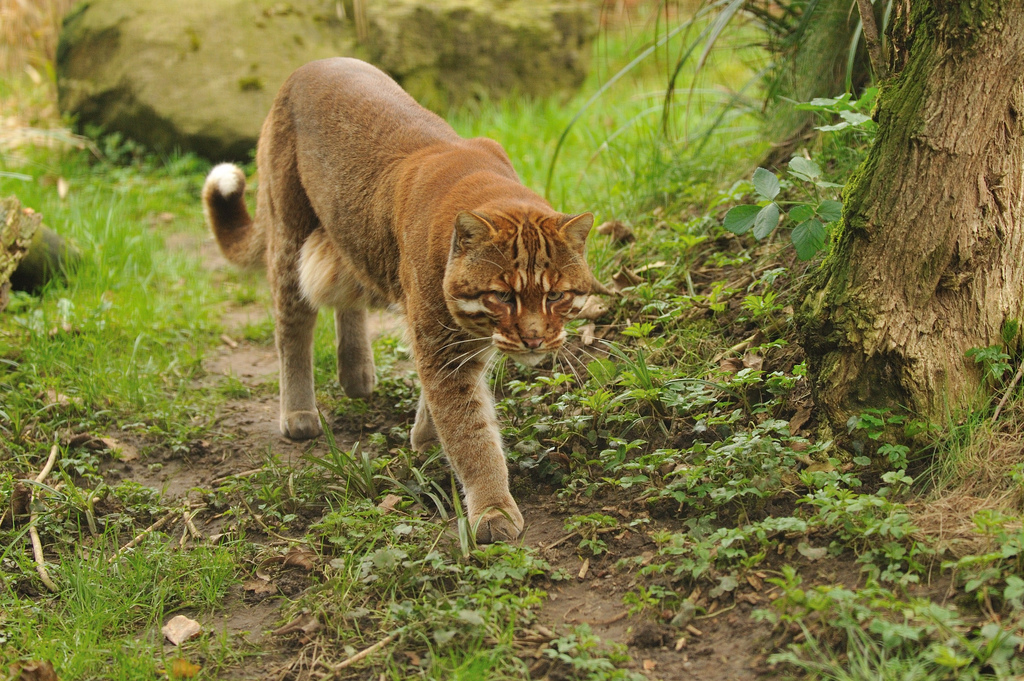
Large adult cats can even attack deer, buffalo, goats and calves.
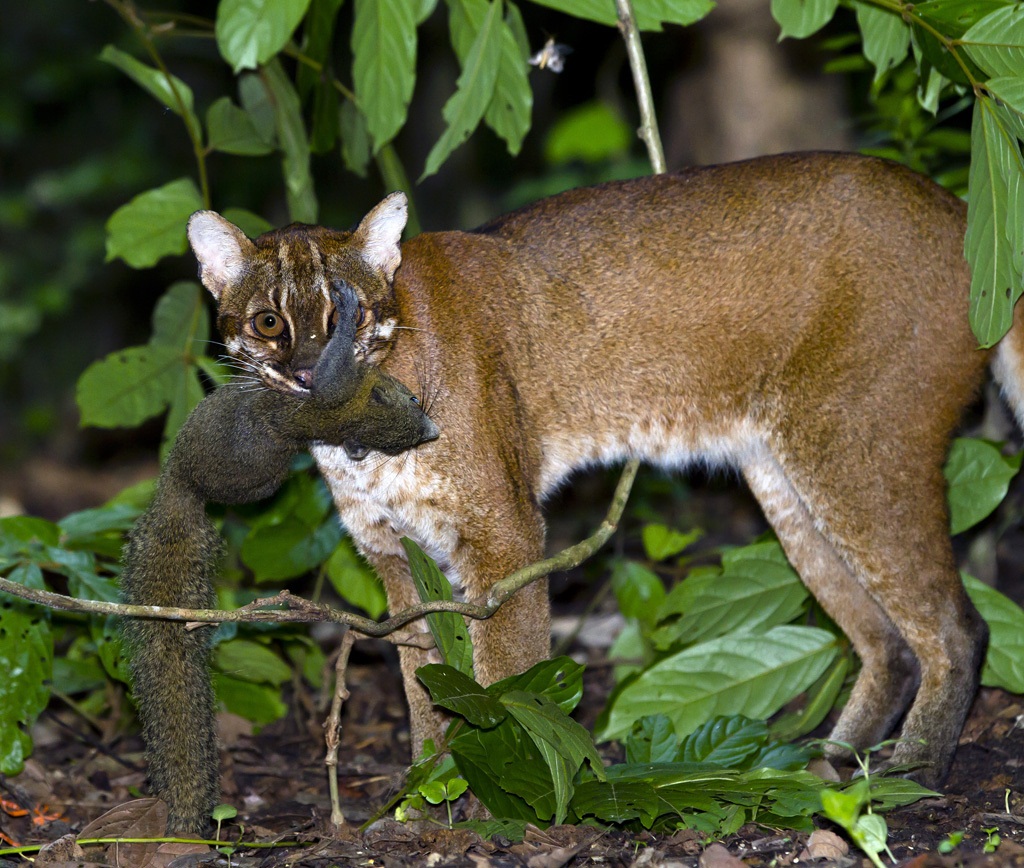
They have excellent vision, smell, and hearing. Golden cats move very quietly and can sit on a branch for hours, stalking prey before attacking.
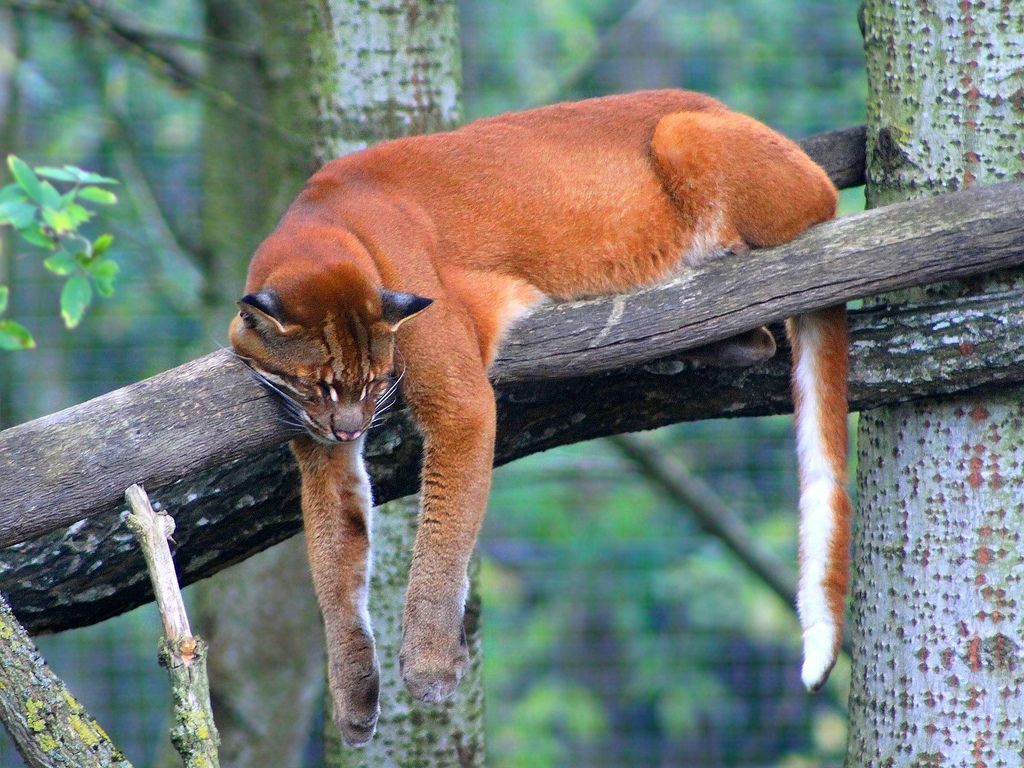
After making a precise leap, they kill their prey with a bite to the back of the head. If the attempt is unsuccessful, the cat will not pursue and finish off the prey, but will instead move on to find a new one.
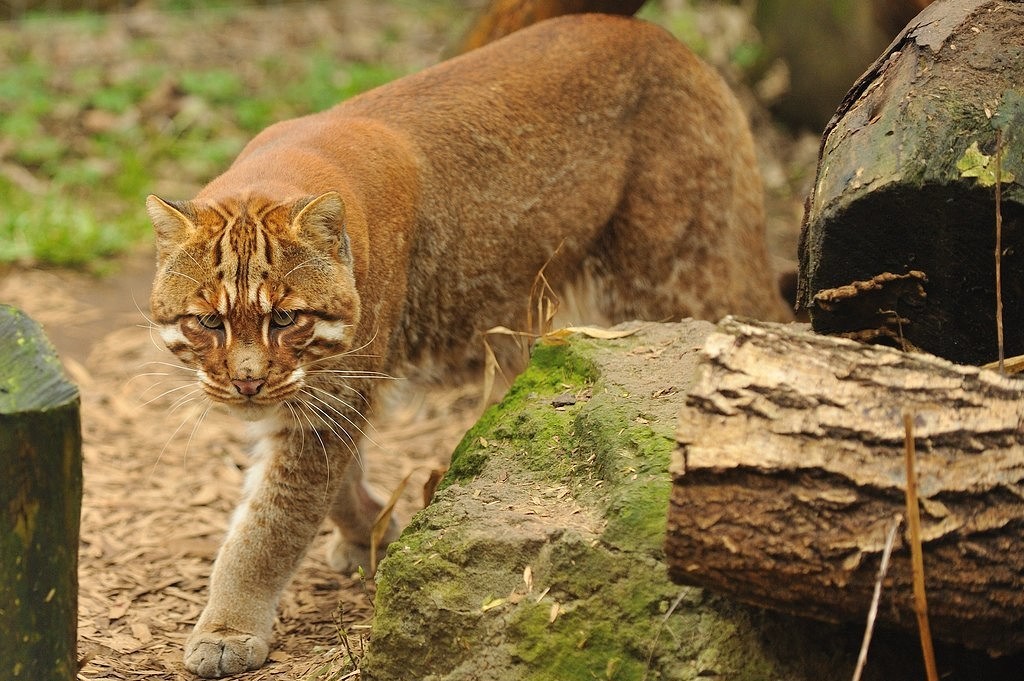
In the wild, these cats live in pairs. They make dens in rock crevices, burrows, and tree hollows.
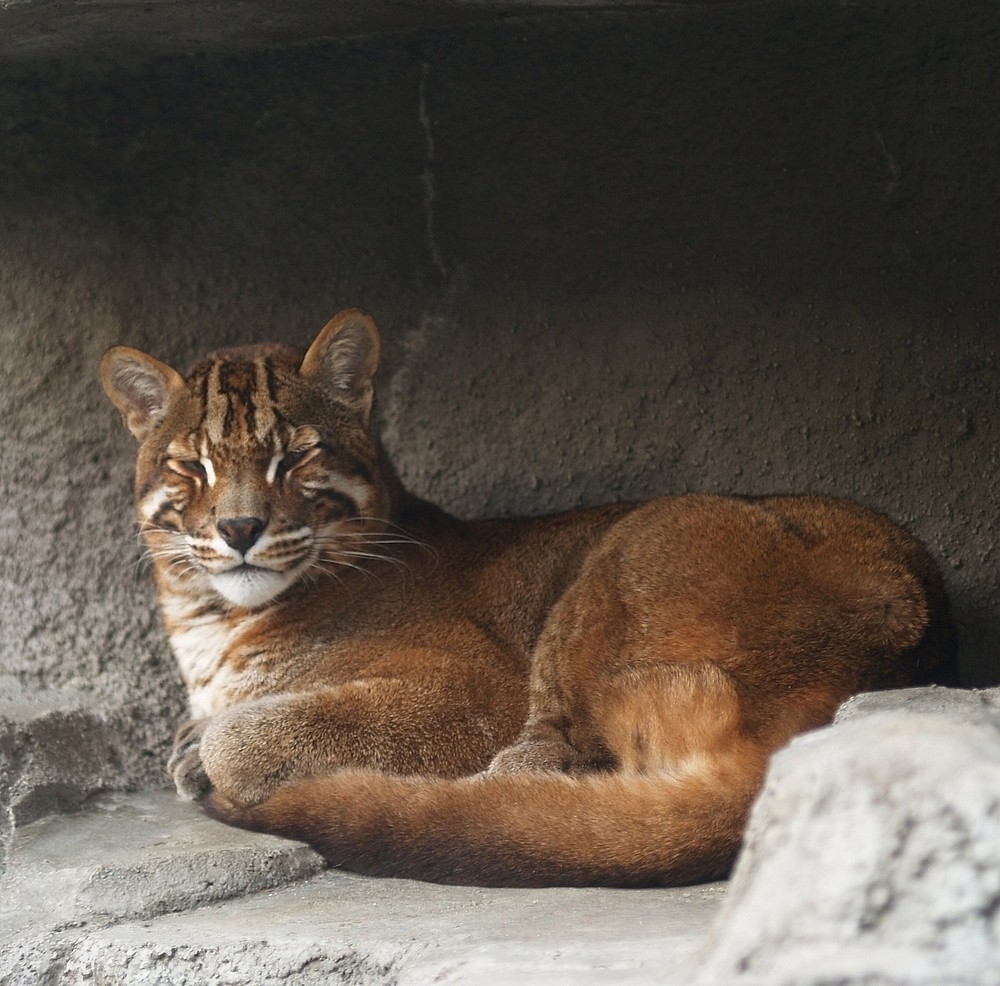
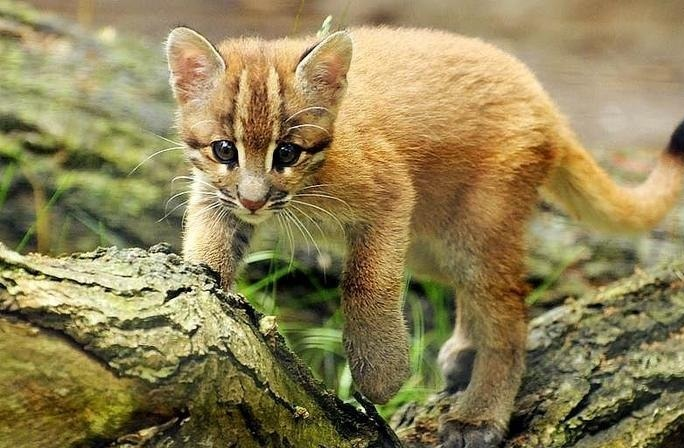
They typically give birth to two or three kittens. The babies are darker in color, and their fur is longer and fluffier than that of adults.
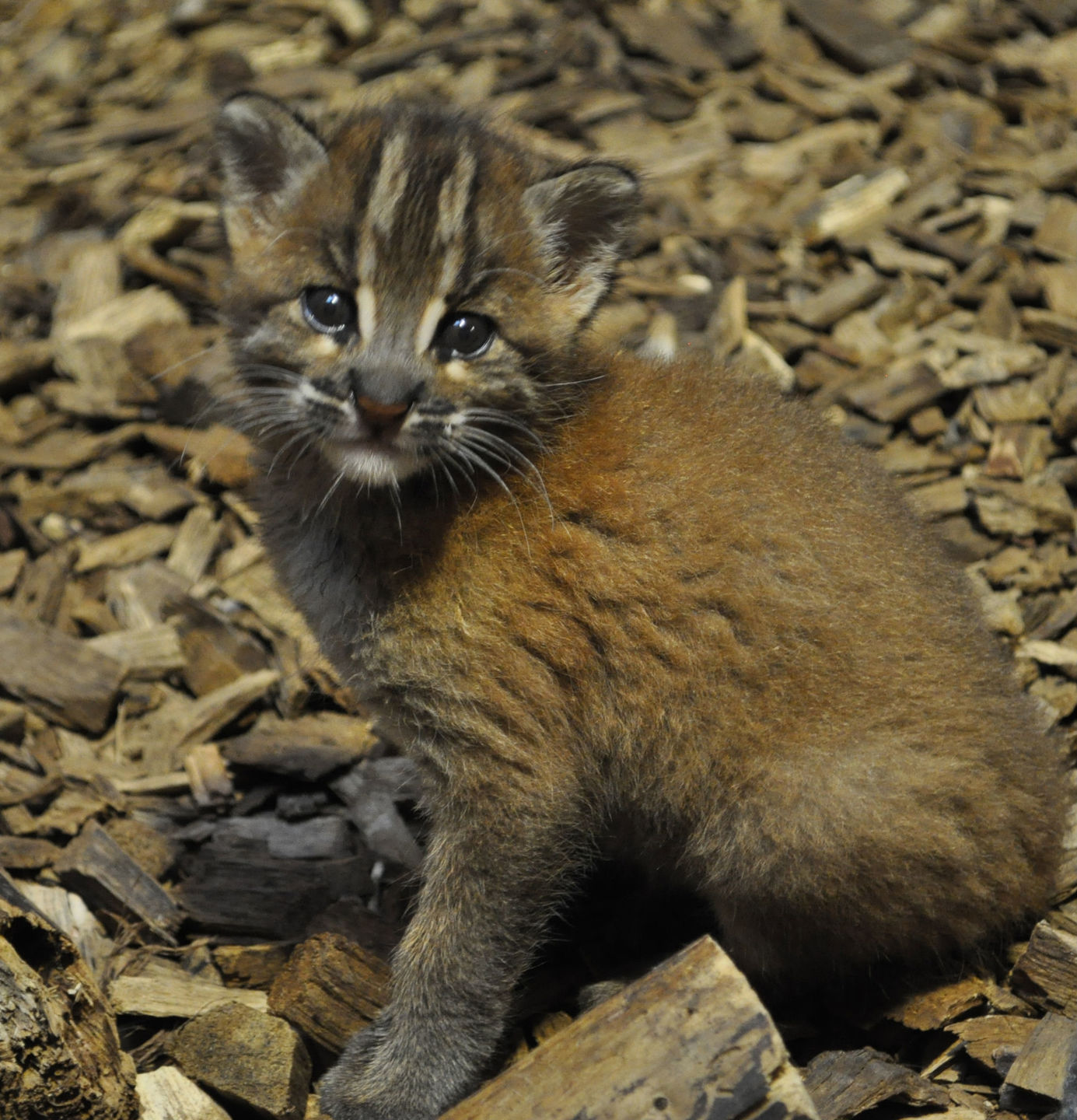
The male takes an active part in raising the kittens.
They also hunt in pairs, unless, of course, the female half is distracted by offspring.
These furry animals live from 12 to 20 years.
Currently, these cats are critically endangered and listed as endangered, with a population estimated at only 10,000 individuals. They are extremely difficult to tame and can only be kept in enclosures. A cat can cost several thousand dollars.