Cat owners want to make their pets' lives as comfortable as possible. To ensure your cat feels comfortable, is always in a good mood, and doesn't damage furniture and carpets, follow these simple yet effective tips for creating a comfortable home.
Organize a secluded place
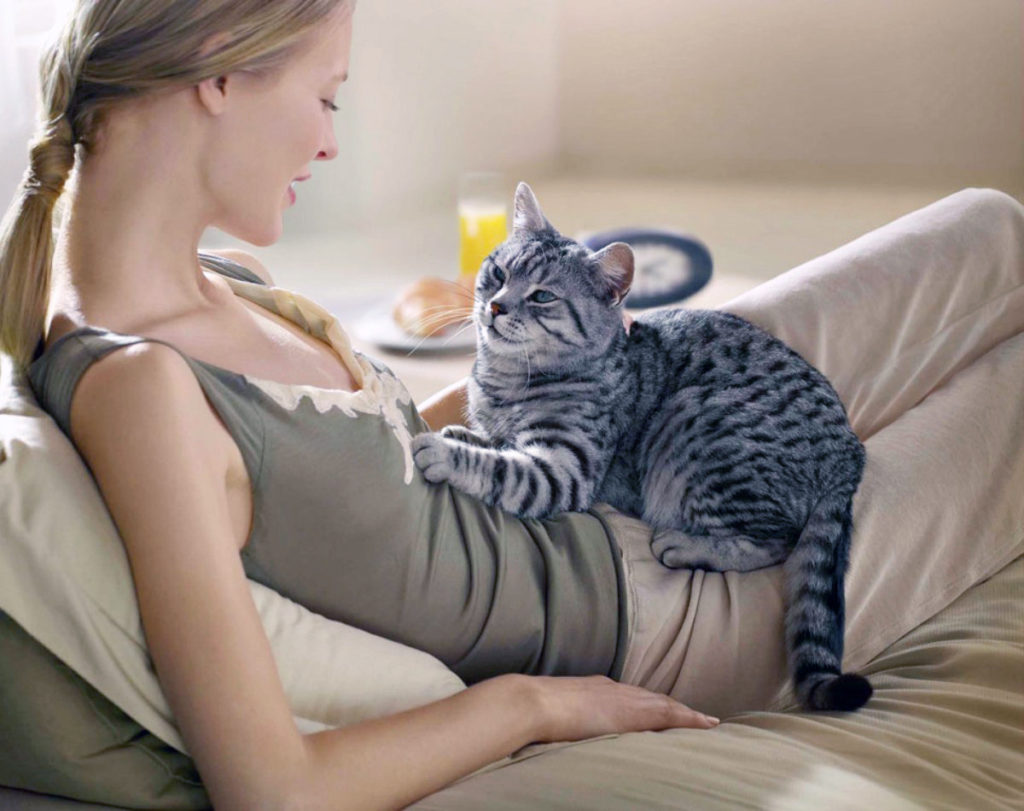
A cat, like a person, sometimes wants to be alone, especially if there are children in the house or guests are invited.
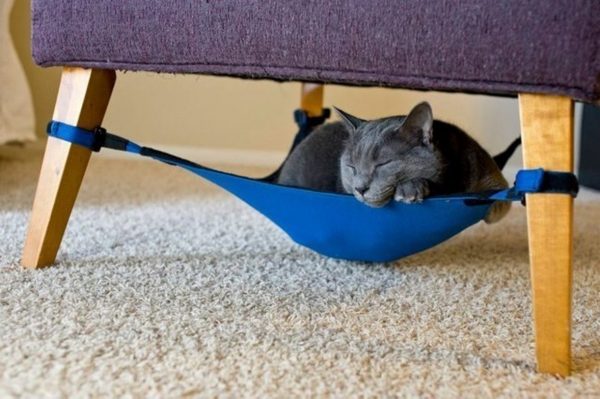
Be sure to provide a secluded spot for your furry friend. This could be a special pet house where your kitty can hide, or simply a soft bed in a far corner of the room or behind a closet. If space is limited and quiet spots are hard to find, create a cat nook under the table.
It's important that the cat's resting place away from people isn't in a busy hallway or near a television. Place the cat house near a radiator or on an insulated balcony. If the apartment has several rooms, choose the furthest room and one that's rarely visited during the day for the secluded spot.
Cats, especially older ones, get tired of people and want to take a nap alone for a while. A cat's house is also a place where they can hide from any danger.
Teach family members, especially children, that the cat should not be disturbed in its home. If the kitten suddenly hides in its corner after a fun game, that's it, the kitten is tired, and the game should stop. Once your furry friend has rested, slept, and is bored, it will come back to you on its own.
There are cats that don't need a quiet corner. These animals are accustomed to being around people from childhood; they are very sociable and curious, and they enjoy being at the center of things, keeping an eye on everything and being in control. But even for these socially adapted pets, a cozy bed in the corner of a busy room is a good idea.
More water
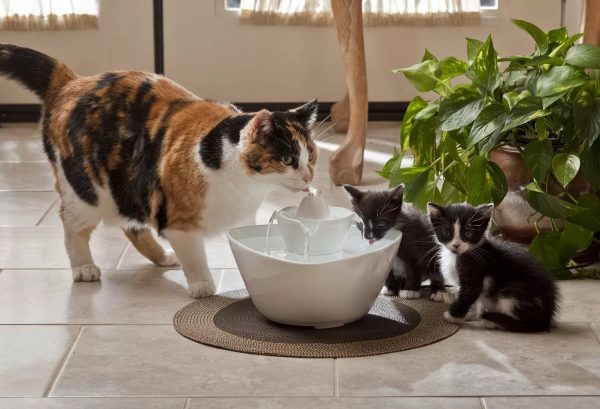
Always make sure your pet has fresh, clean water.
On average, a typical five-kilogram cat drinks about 150 ml of water per day. A neutered cat should drink slightly more to prevent urolithiasis. Animals fed exclusively dry food drink more. The generally accepted norm is 2-3 times more water than food. If a cat eats 100 g of kibble per day, it will drink approximately 250-300 ml of water.
Animals that eat natural food or canned food in sauce consume less water and get all the missing moisture from the feed.
There's no need to force your cat to drink; your pet knows how much to drink. Just make sure the water bowl is always full.
Don't give cats tap water. It contains too many heavy impurities that can be harmful to your pet's health.
It's best to buy clean bottled drinking water for cats. This will cost about 100 rubles per month. If you can't afford bottled water, filter tap water or let it sit for 24 hours.
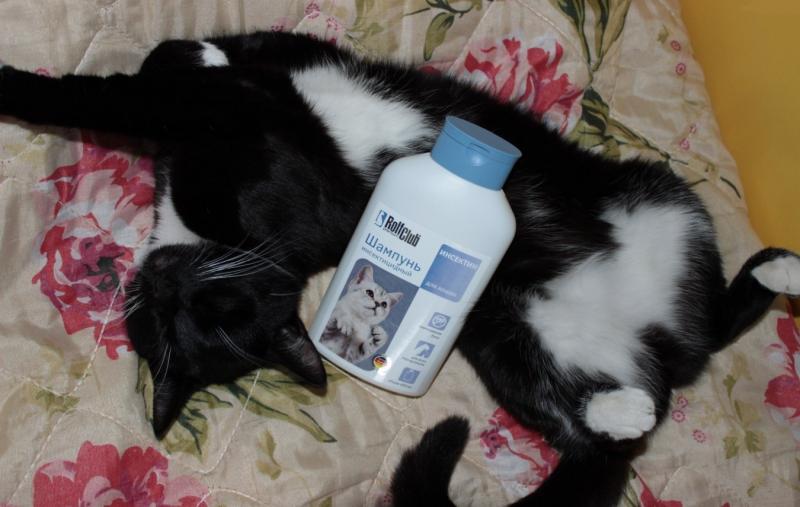
Don't forget to brush your pet.
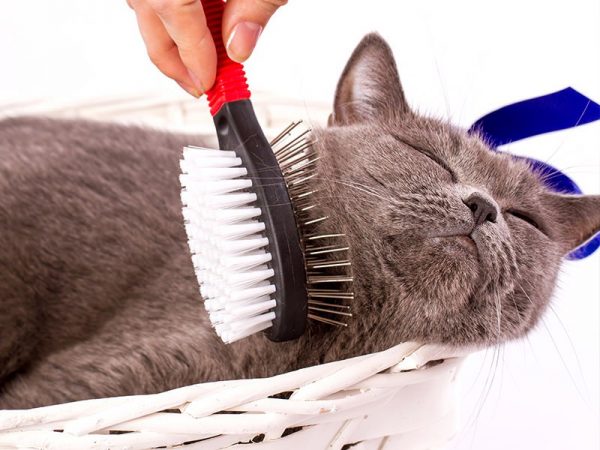
Besides the obvious benefits of removing excess fur and preventing tangles, many cats enjoy brushing.
It's important to accustom a kitten to a brush from puppyhood, especially if it has long hair. As an adult, when a cat first encounters a brush, brushing it can be challenging.
The brush itself also plays an important role. Make sure the bristles or teeth are not sharp and won't scratch your pet's delicate skin.
Brushing is a very important procedure. It not only helps remove excess hair but also dead skin cells and parasites. A regularly brushed cat will prevent licking its fur and will avoid digestive problems.
Brush your pet only in the direction of hair growth, never against it. Long-haired cats should be brushed once a day, and twice a day during shedding season. For short-haired cats, brushing once every two days is sufficient.
Make scratching posts for your cat
Scratched furniture and peeling wallpaper in the corners—that's what you can expect if you don't have a scratching post. A cat's claws grow quickly and need to be filed and trimmed. You can trim their claws yourself as they grow, or you can take them to a veterinarian. The procedure is quick, painless, and relatively inexpensive. Between trims, your cat should regularly file their claws. Therefore, a scratching post is a must.
The selection of scratching posts in stores is simply huge, but the most common ones are the following:
- made of sisal or jute - made in the form of planks or posts wrapped with rope made of natural fiber, quite durable;
- with carpet - a board covered with carpet is not very durable and tears quickly;
- Cardboard ones - made from many layers of corrugated cardboard, the most affordable, but not the most durable.
All scratching posts are divided into 5 types:
- Wall-mounted stationary. Attaches to the wall, taking up minimal space. Mount at a height that your cat can reach with its paws.
- Corner. Essentially the same as wall-mounted, only made from two boards fastened together and bent at any angle. Available for external or internal corners.
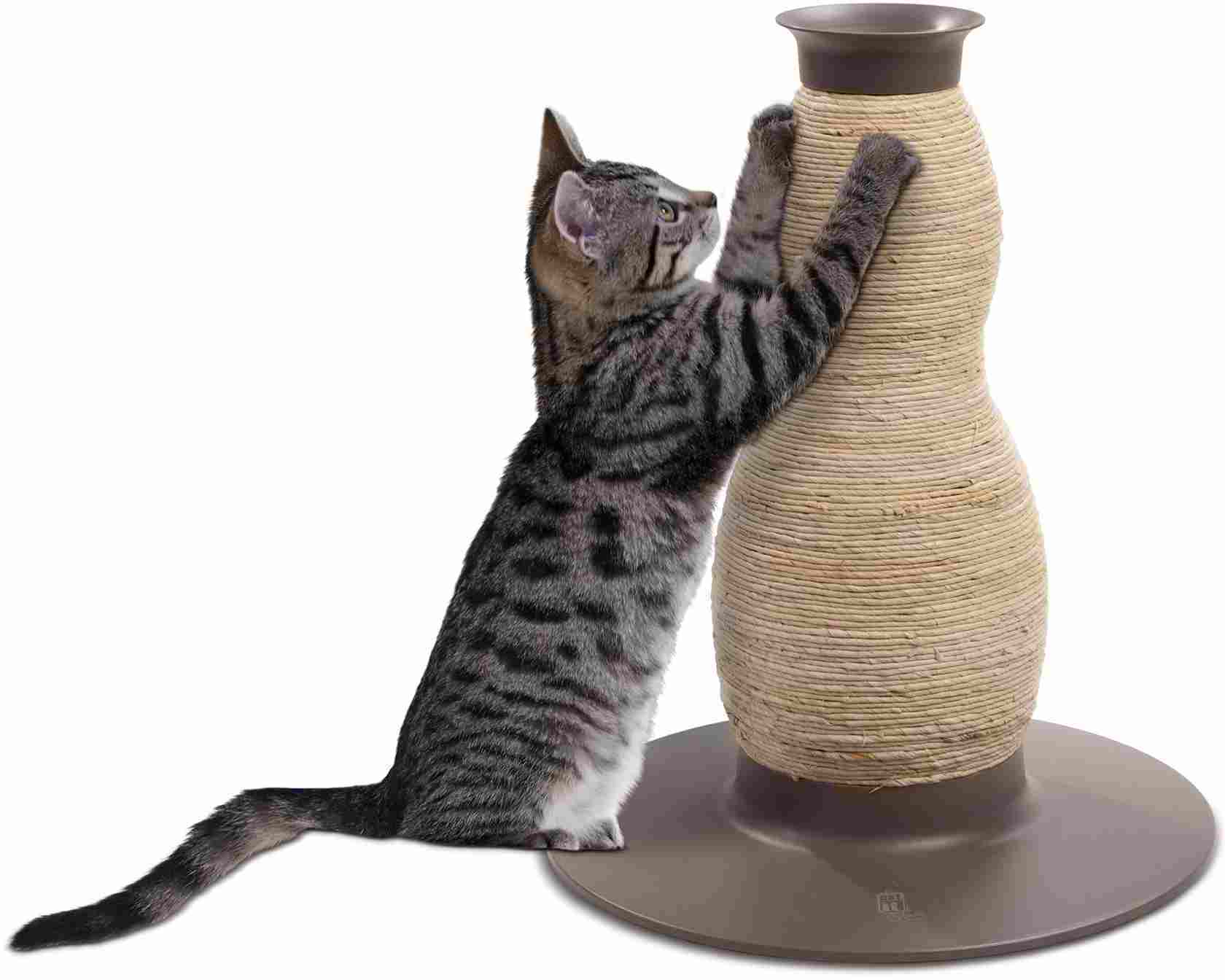
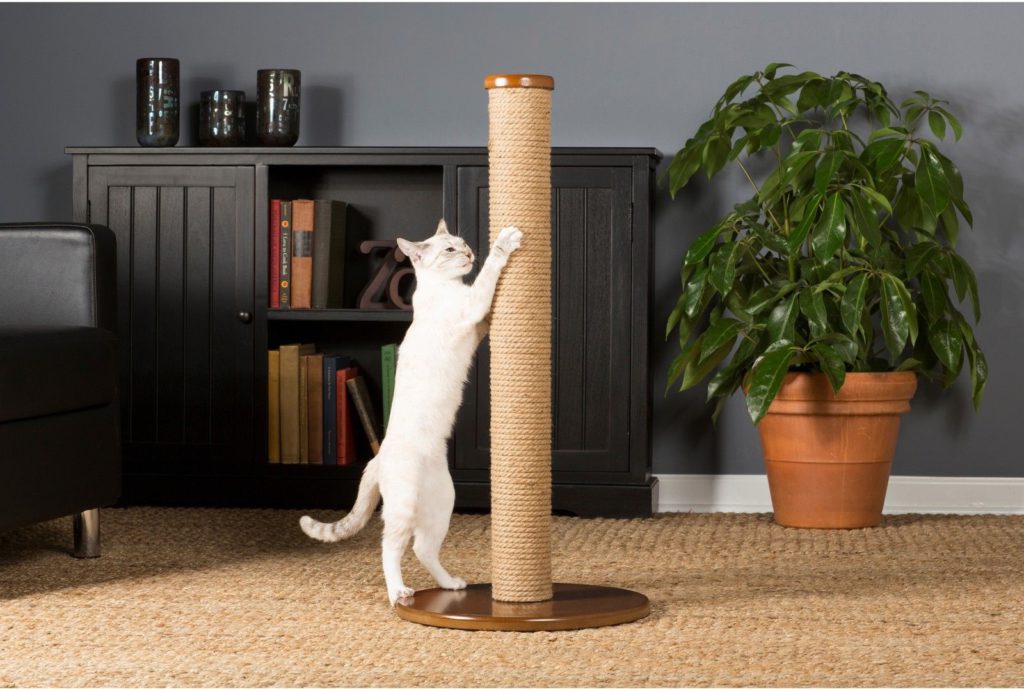
- Posts. Made in the form of a post on a stand, a ball or other toy on a string is often attached to the top of the post to make scratching more interesting for the cat.
- Floor-standing. They come in the form of a regular board, a board with legs (like a low table), a slide, a wave, or any other shape that can't be mounted on a wall.
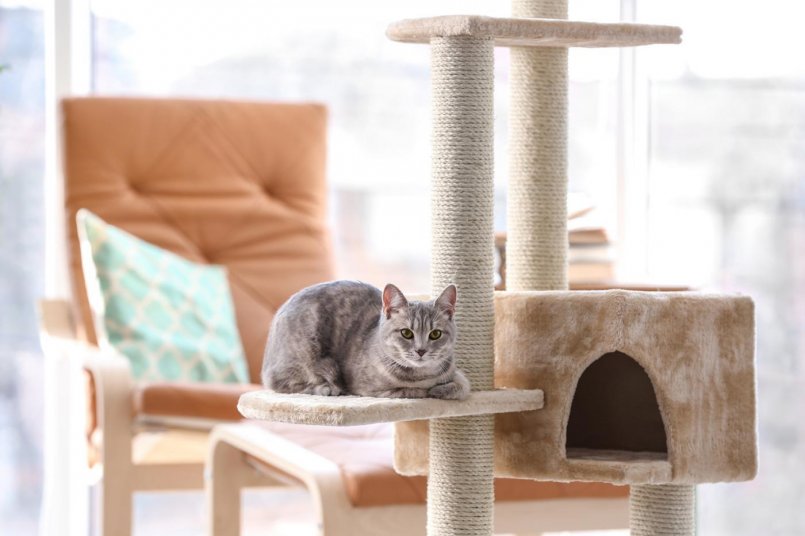
- Complexes. Play complexes with two or more levels. They include a playhouse, ladders, beds, toys, and scratching posts. Scratching posts are most often placed on posts that support the structure. They require a lot of space and are ideal for owners with multiple pets.
Experts recommend purchasing several scratching posts so that your cat can sharpen its claws anywhere in the apartment.
By providing your pet with this necessary minimum, both you and your pet will be satisfied.