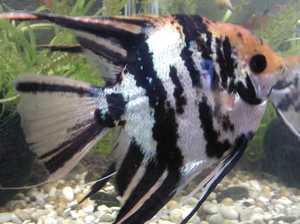
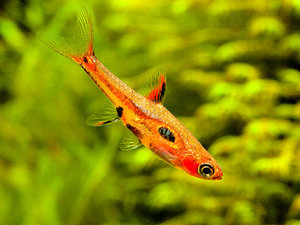
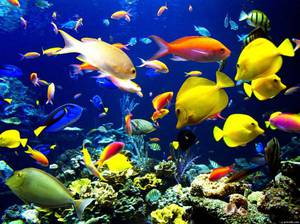
Many people keep fish to watch their soothing movements underwater. Whether it's a single large fish in an aquarium or a whole colorful school of them, they all have different personalities. Some sedately cut through the water, some are playful and daring, and still others timidly hide among the decorations.
However, aquarium pets, like any other animal, are susceptible to stress. This stress can cause illness and even death. To avoid such a situation, it's important to recognize it early.
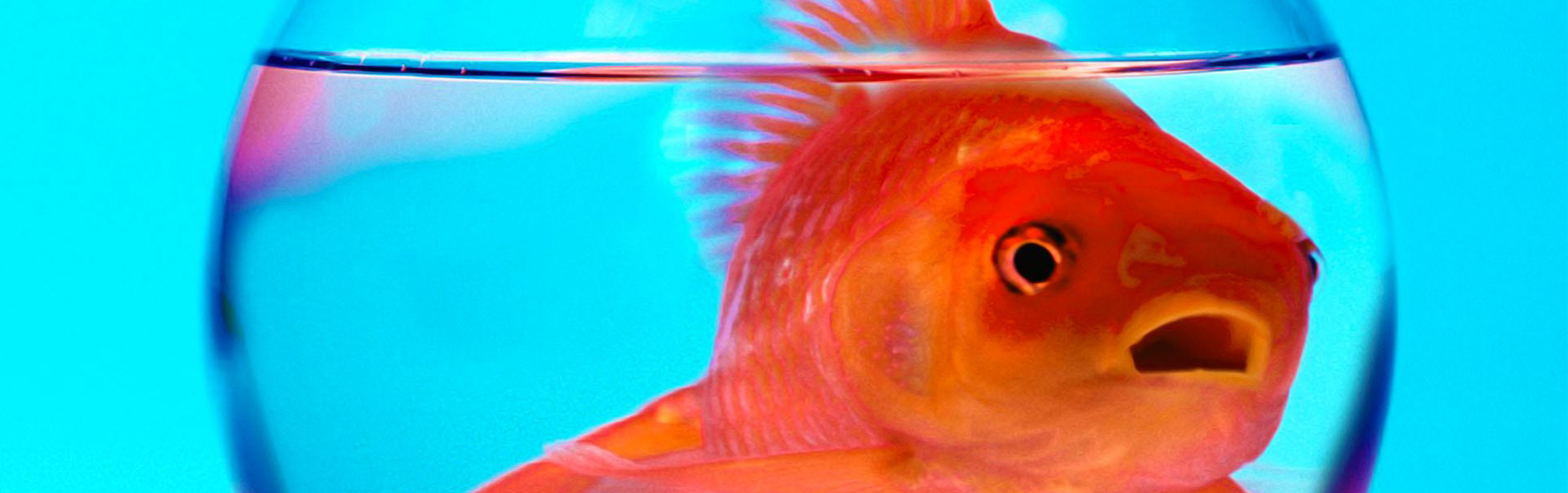
Observe the fish's appetite
Since the life cycle of aquarium inhabitants is not very diverse, any of the disturbances can signal that something is wrong with the fish.
Changes in food intake can indicate a problem. If your pet shows no interest in a new batch of food in the aquarium, it's likely stressed. This can be a problem, as stress weakens the fish's body and makes them susceptible to body parasites, such as gill worms.
If your pet doesn't eat properly, it won't get enough energy to heal and recover.
It's important to accurately determine whether the fish's refusal to eat is due to a stressed mental state or an improperly formulated diet. If the fish swallows the food and then spits it out, it's time to change the food. A wide selection of foods designed to prevent food stress are available at pet stores.
Why is it important to pay special attention to the diet of your aquarium inhabitants? Some aquatic creatures are peaceful. If they are given the wrong, belligerent tankmates, they may experience fear and stress as a result. They become less concerned about food and more preoccupied with their own safety. If they lack nutrients, their vitality decreases and they become lethargic. Furthermore, their immune system suffers, making them an easy target for various infections.
Therefore, before adding different types of fish to an aquarium, it is worth paying attention to how compatible their proximity is.
How do fish react to others?
Another cause of stress in fish is overcrowding. When you go to a pet store looking for aquatic inhabitants, you're spoiled for choice. However, overcrowding is absolutely essential.
Some species will inevitably become dominant, while others will become stressed. To eliminate this stress, you need to eliminate its source. In this case, incompatible fish will need to be separated.
When purchasing several types of fish, it is worth paying attention to the following factors:
- Comfortable living conditions. Some aquarium inhabitants prefer warm water, while for others this condition will be unacceptable and, as a result, stressful;
- It is recommended to keep fish of similar sizes. That is, active fish with active fish, small fish with small fish, and large fish with large fish.
If the compatibility of underwater inhabitants is observed, they will feel quite comfortable.
Pay attention to the activity from the movement
By observing your pets' activity, you can accurately determine how they feel.
So, if a fish moves rapidly and frantically, it's a sign of stress. However, if it was previously moving steadily and unhurriedly, the cause is likely acute and sudden.
This may be due to the following:
- other types of fish;
- sorting out relationships with relatives;
- quality of water in the tank.
Large numbers of fish, whether of the same species or different species, can lead to fights, which can result not only in injury but also in stress.
If active fish suddenly become lethargic, the cause is most likely water-related. High levels of ammonia, nitrite, and chlorine cause aquatic inhabitants to avoid the source and stay away from it. Since an aquarium is a confined space, escape is impossible. In this case, the fish experience discomfort and stress, which affects their activity.
Breathe slowly or quickly
An indicator that your pet is stressed is their breathing. Under the influence of psychological factors, fish's breathing rate increases.
Observing the gill covers of waterfowl can help you identify this. If they open frequently, the fish is breathing as well. This should be cause for concern. Since respiration saturates the body with oxygen, excess oxygen can become a problem.
The following may affect your breathing rate:
- poor water quality;
- Infectious diseases: fungal, bacterial, viral, parasitic.
What to do before it's too late
Of course, simply detecting stress in fish is not enough. The underlying psychological distress must be addressed promptly to save your beloved pet. If it's impossible to completely eliminate the discomfort, then you should try to minimize it. Acute stress can be noticed immediately and promptly addressed. However, chronic stress is also possible, which is not so easily recognized and can plague your pet for a very long time.
So, if your fish are dying one after another, it's most likely the latter situation. The cause must be immediately identified and addressed.
To ensure your fish are comfortable and healthy, be sure to research their proper care. Learn what conditions they're suitable for and what other species they're compatible with. Be attentive to your pets.