The world is full of amazing and unique things. Today, we'll explore unusual animal hybrids—animals crossed with their closely related species. Such crossbreeding often occurs in zoos. In the wild, species may inhabit different habitats without ever interbreeding.
Liger
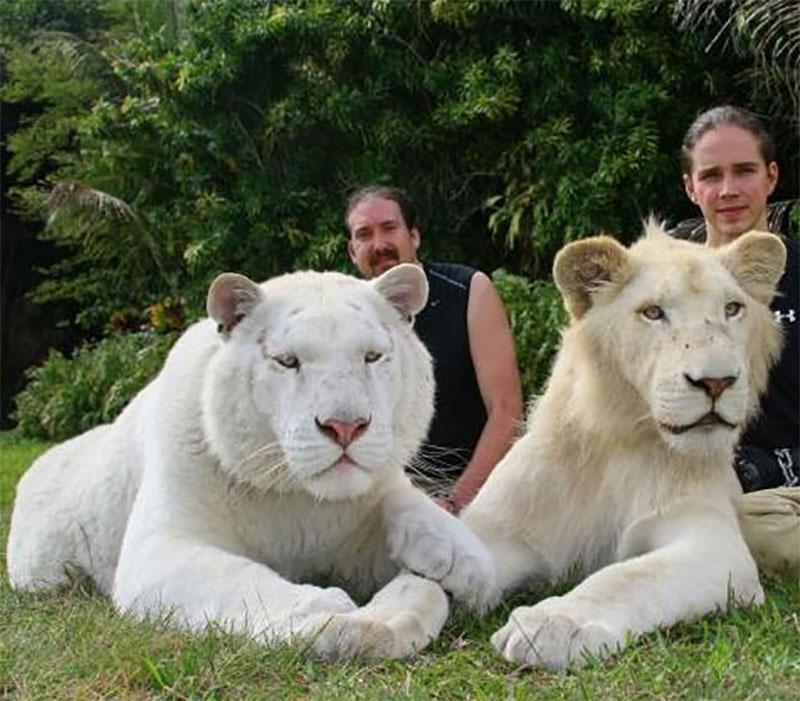
This is a hybrid between a male lion and a female tigress. The result is a beast of impressive size, weighing up to 500 kg and reaching a body length of approximately 4 meters.
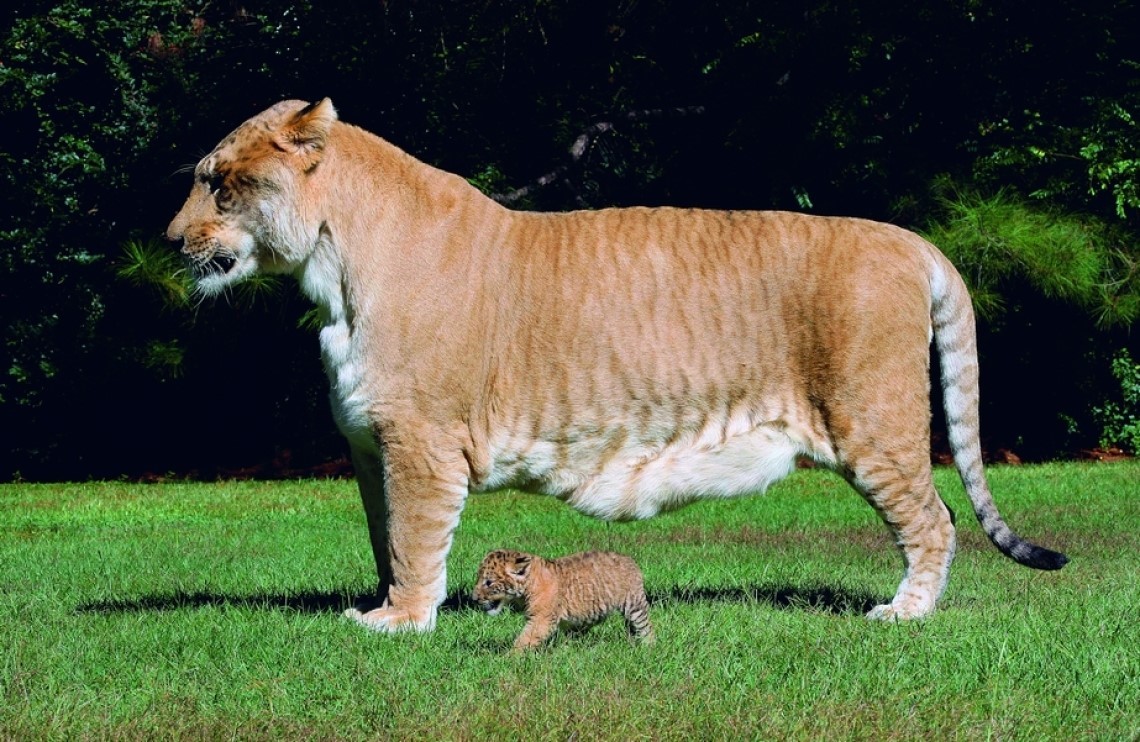
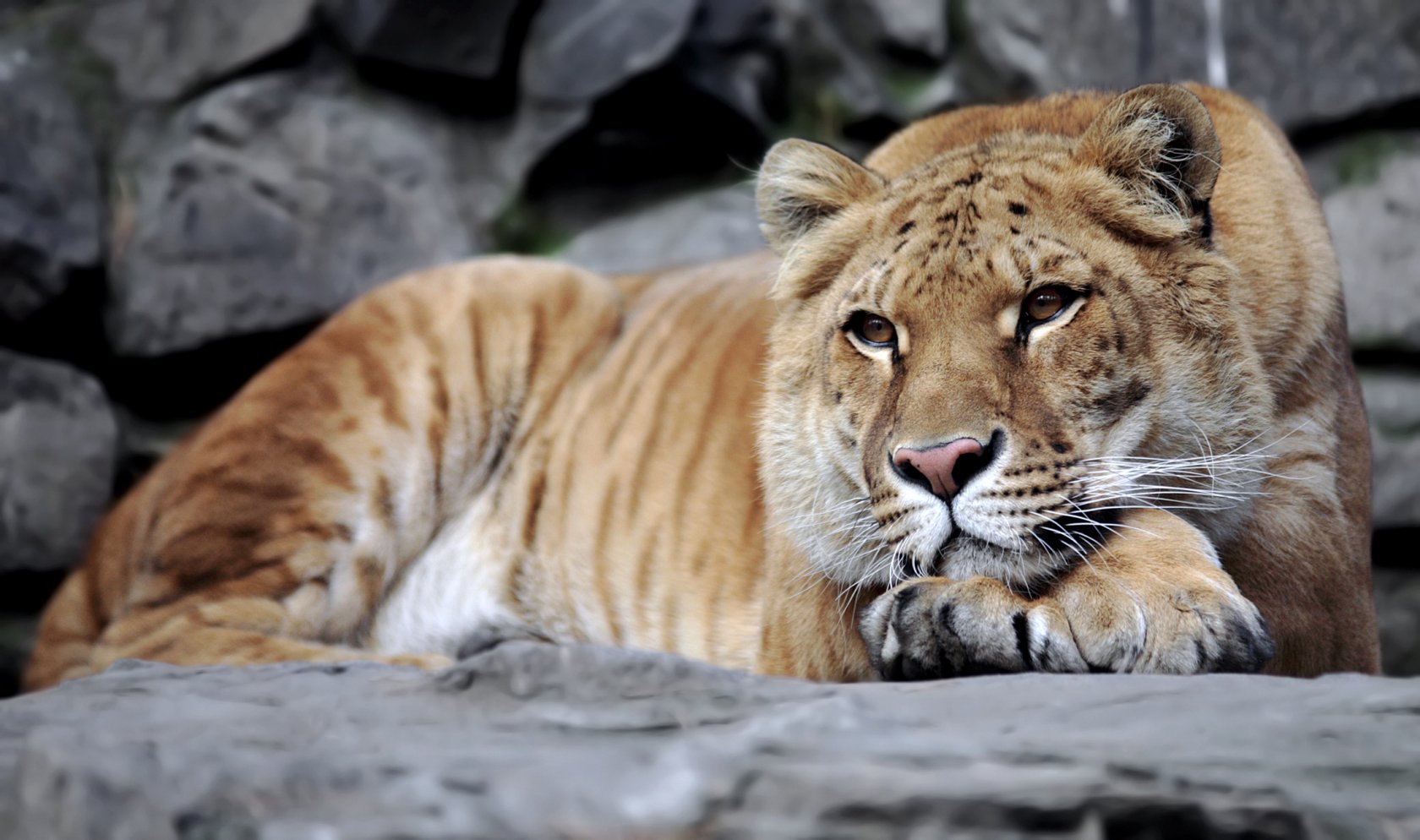
The liger continues to grow throughout its life. In appearance, it resembles a giant lion with blurred stripes on its fur. They live exclusively in captivity, as these species rarely overlap in the wild.
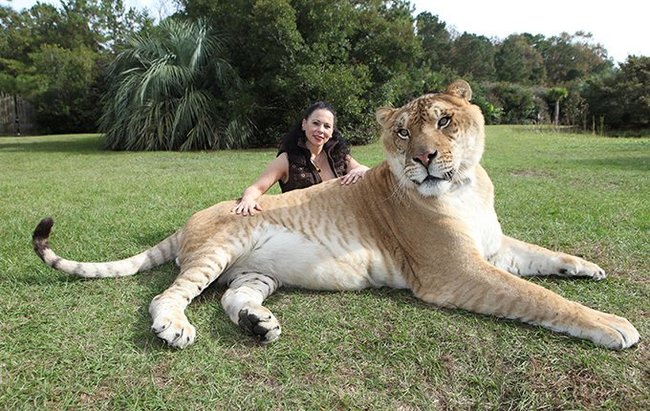
The largest liger is twice the size of the largest lion. There are currently approximately 200 representatives of this subspecies in the world.
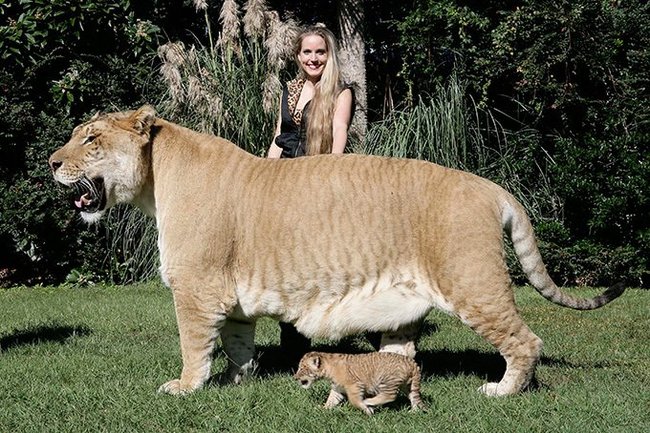
In size, it is similar to a saber-toothed tiger or a cave lion that lived at the end of the Ice Age.
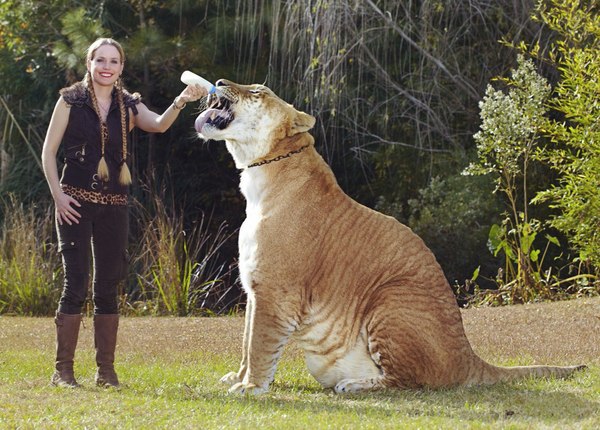
Seeing an albino liger is already quite rare, but it turns out there are currently four white ligers, all living in South Carolina.
Mule
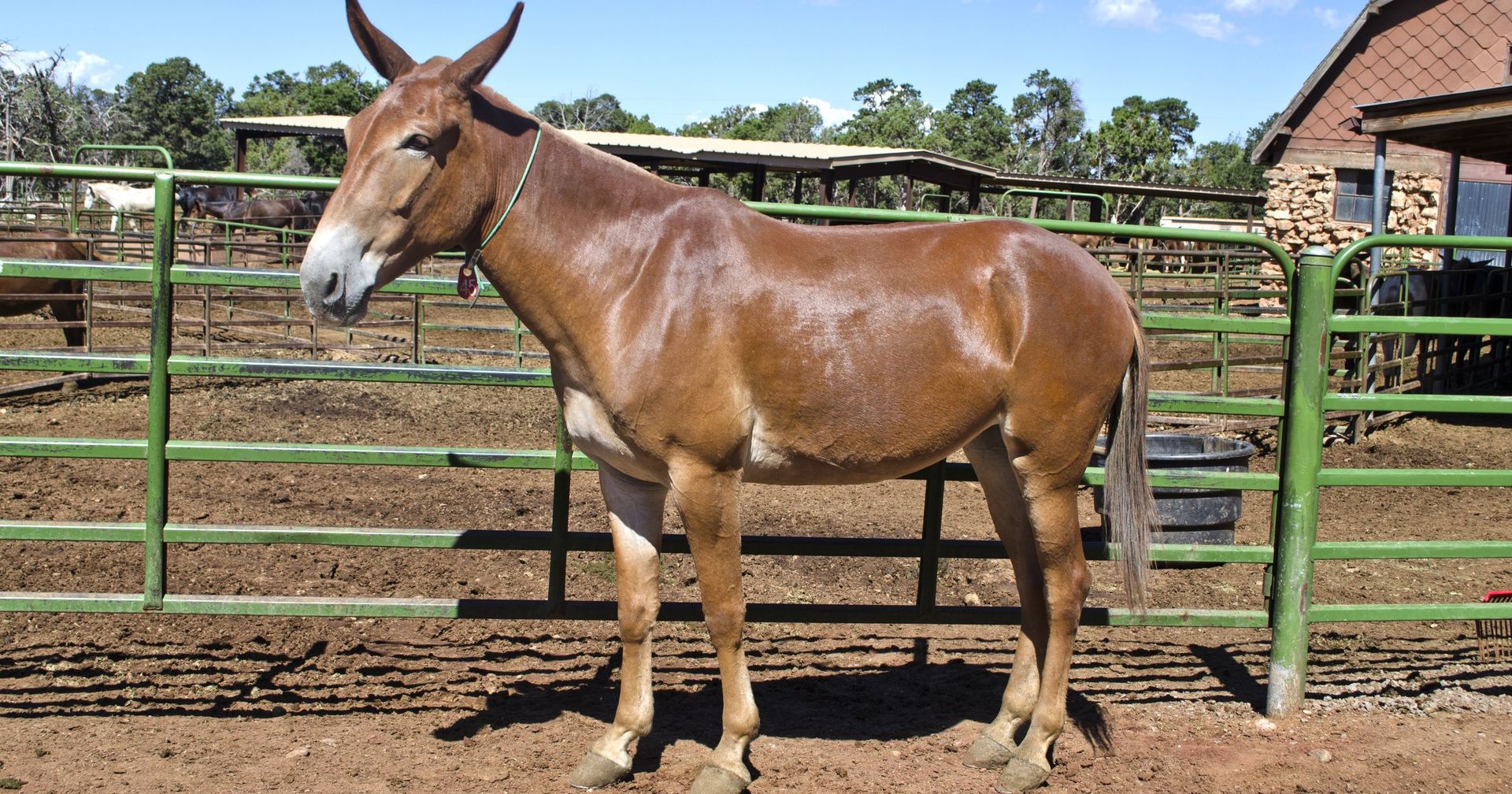
The mule was created by crossing a donkey and a horse. This was done deliberately, as an animal with maximum endurance in all weather conditions had long been sought.
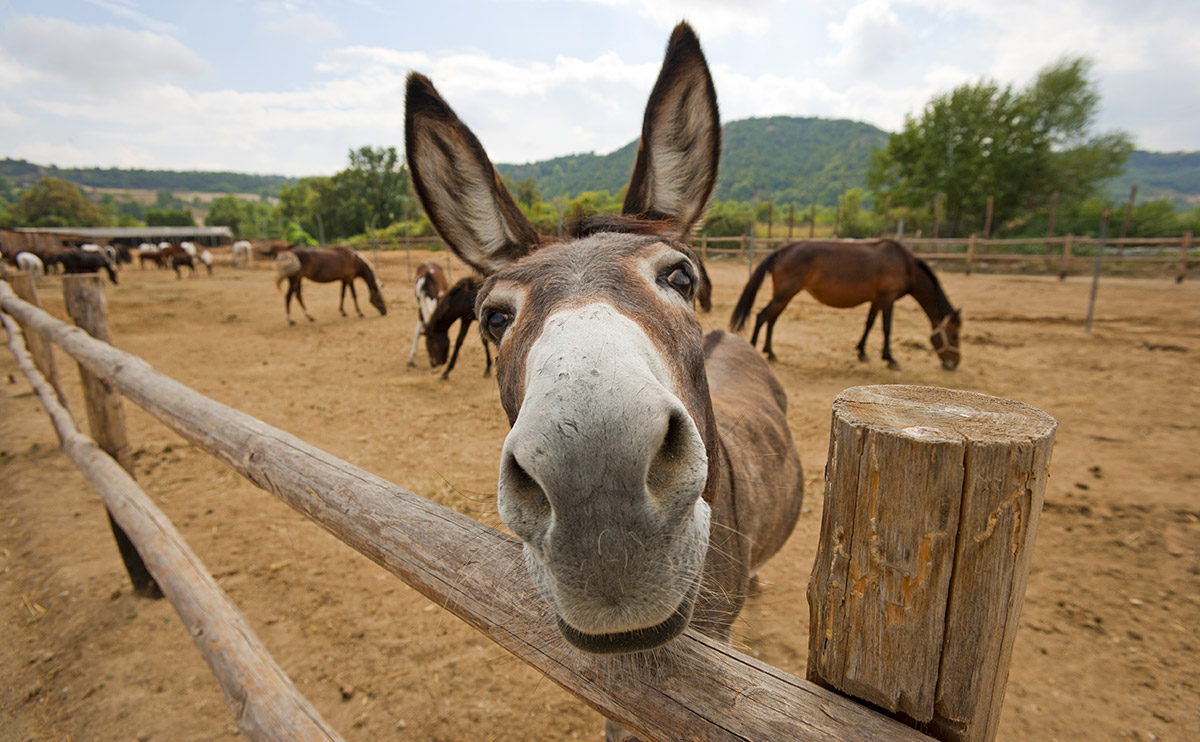
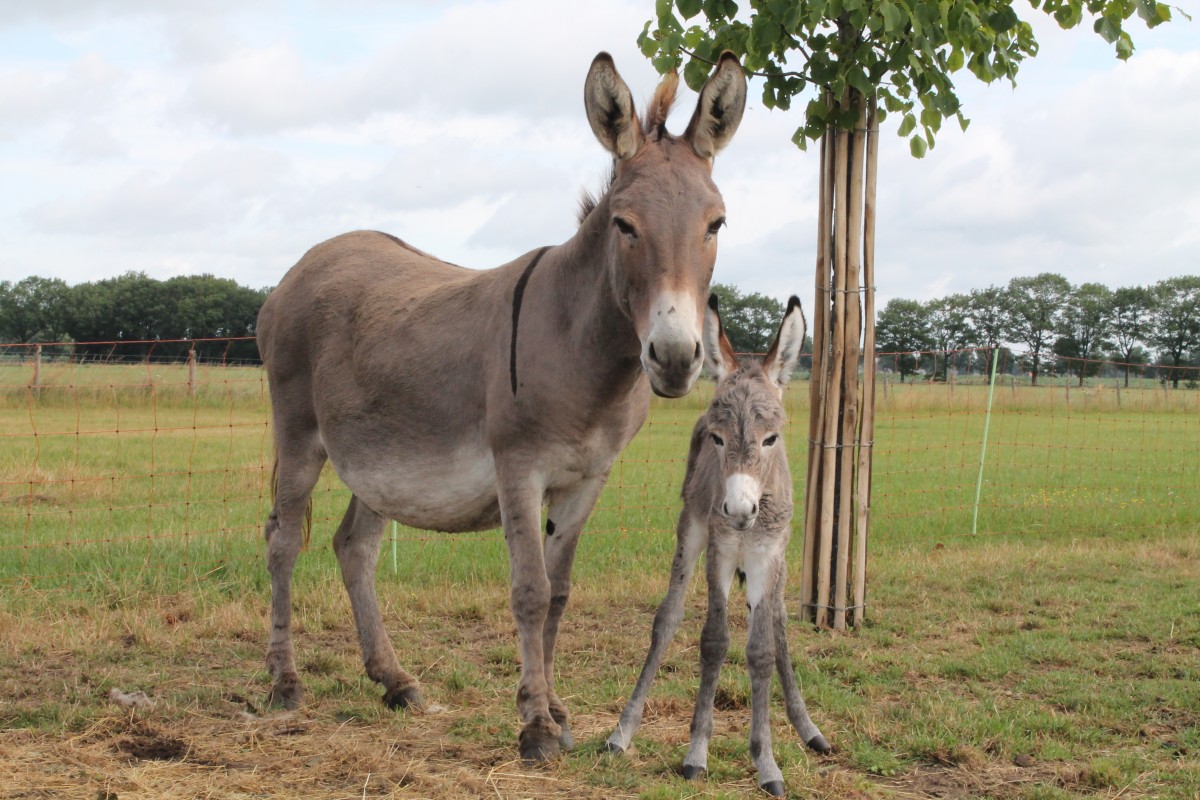
This hybrid is much stronger and more resilient than the mare and is quite large. The mule weighs approximately 500 kg.
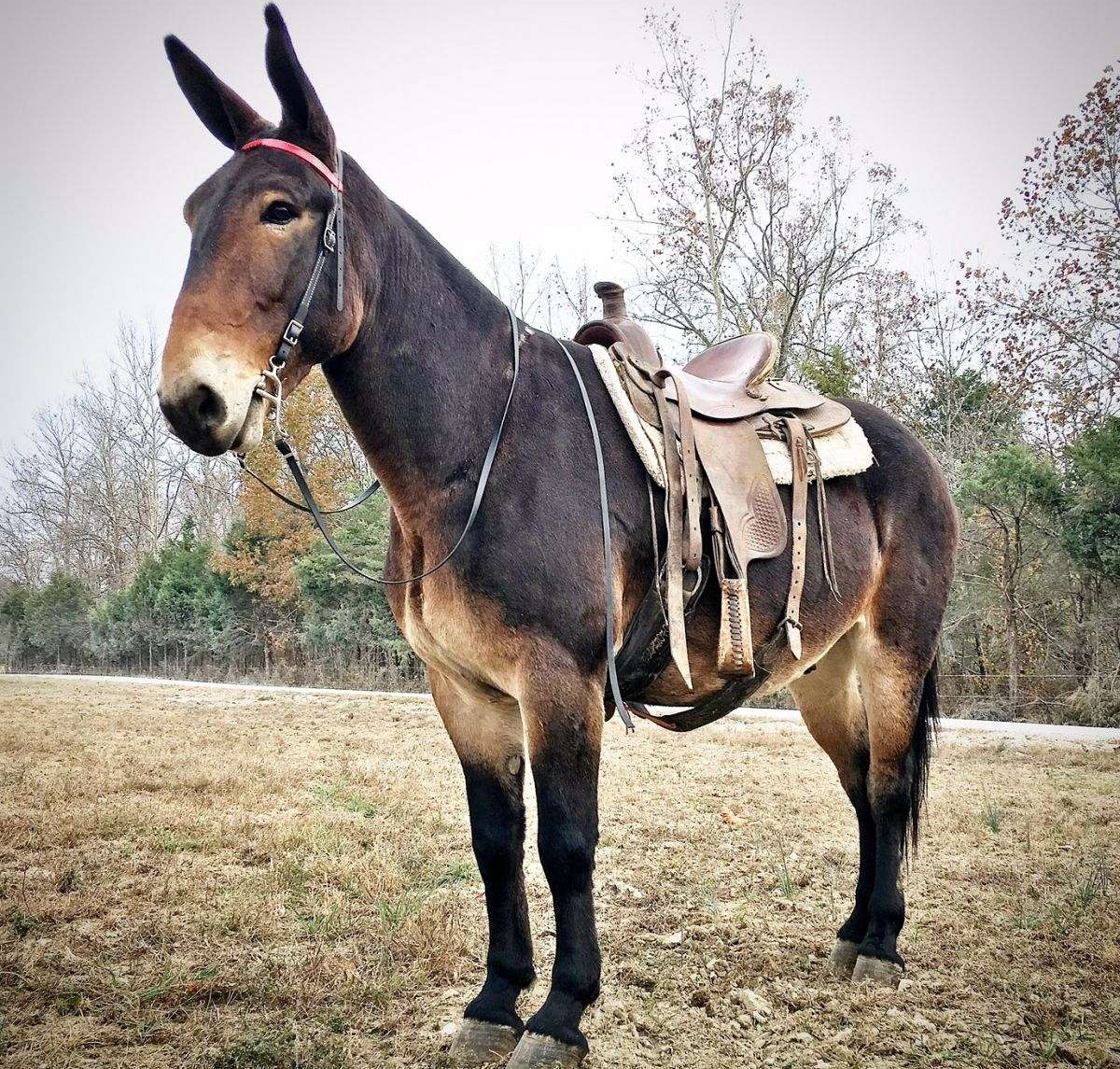
He's similar in size and body to a horse, but differs in the shape of his head, ears, and hooves. From his father, a donkey, he also inherited his voice and a less-than-useful quality: stubbornness.
Grolar
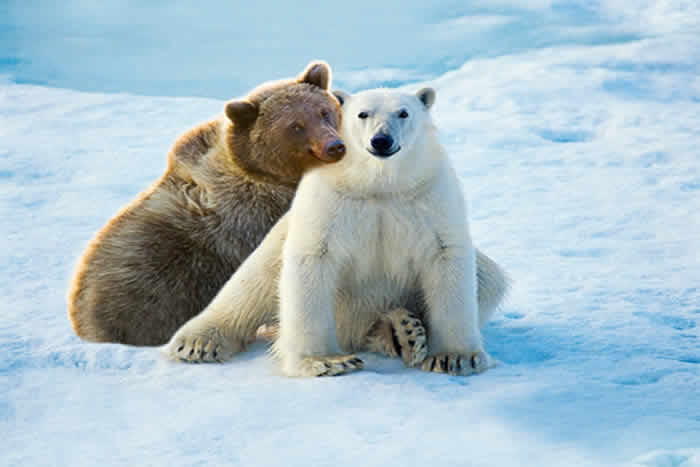
This is a truly unique animal, obtained by crossing a polar bear and a grizzly bear.
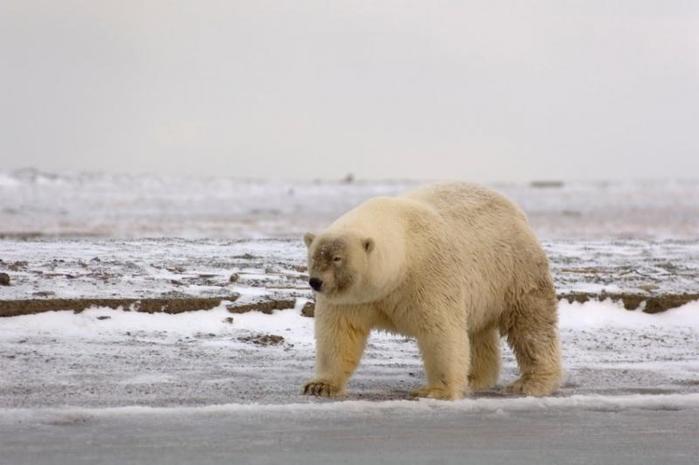
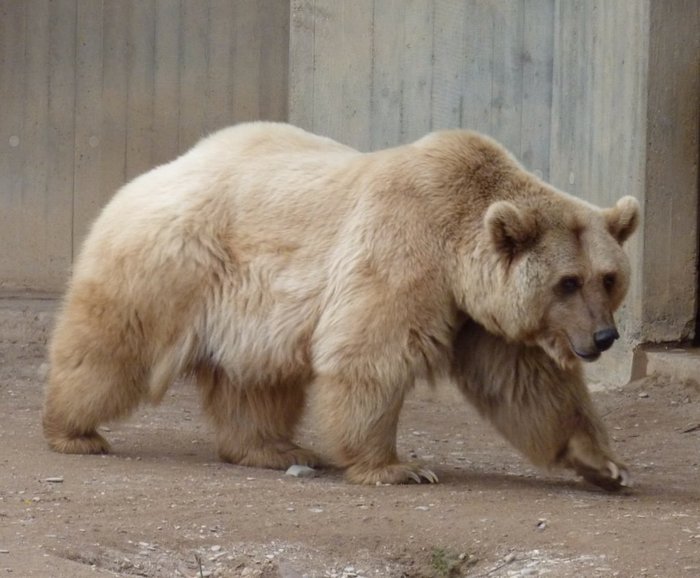
Grolars are also found in the wild. As a result of global warming, the habitats of grizzlies and polar bears are shifting, and such unusual pairings are becoming more common.
They have thick, creamy-white fur, long claws, and a humped back.
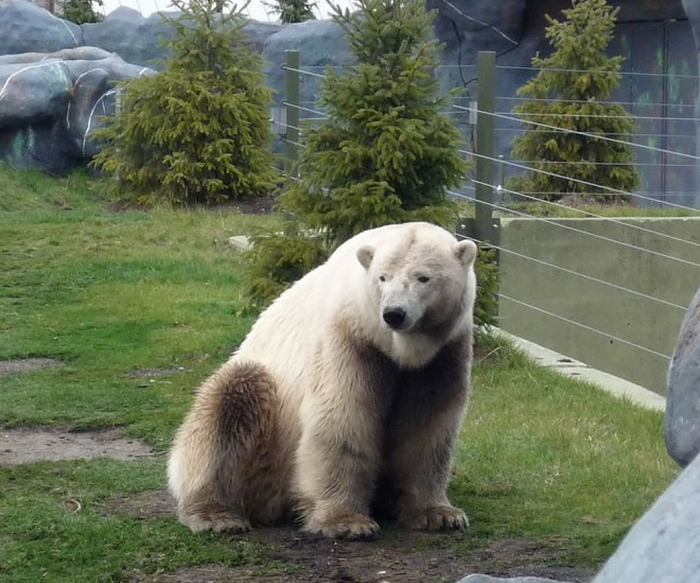
Grolars inherited their behavior from polar bears. Their main diet is meat and fish, while grizzlies prefer berries and other plant foods. Hybrids are known for their aggressiveness.
Wolfdog
This animal appeared as a result of crossing a shepherd and a wolf.
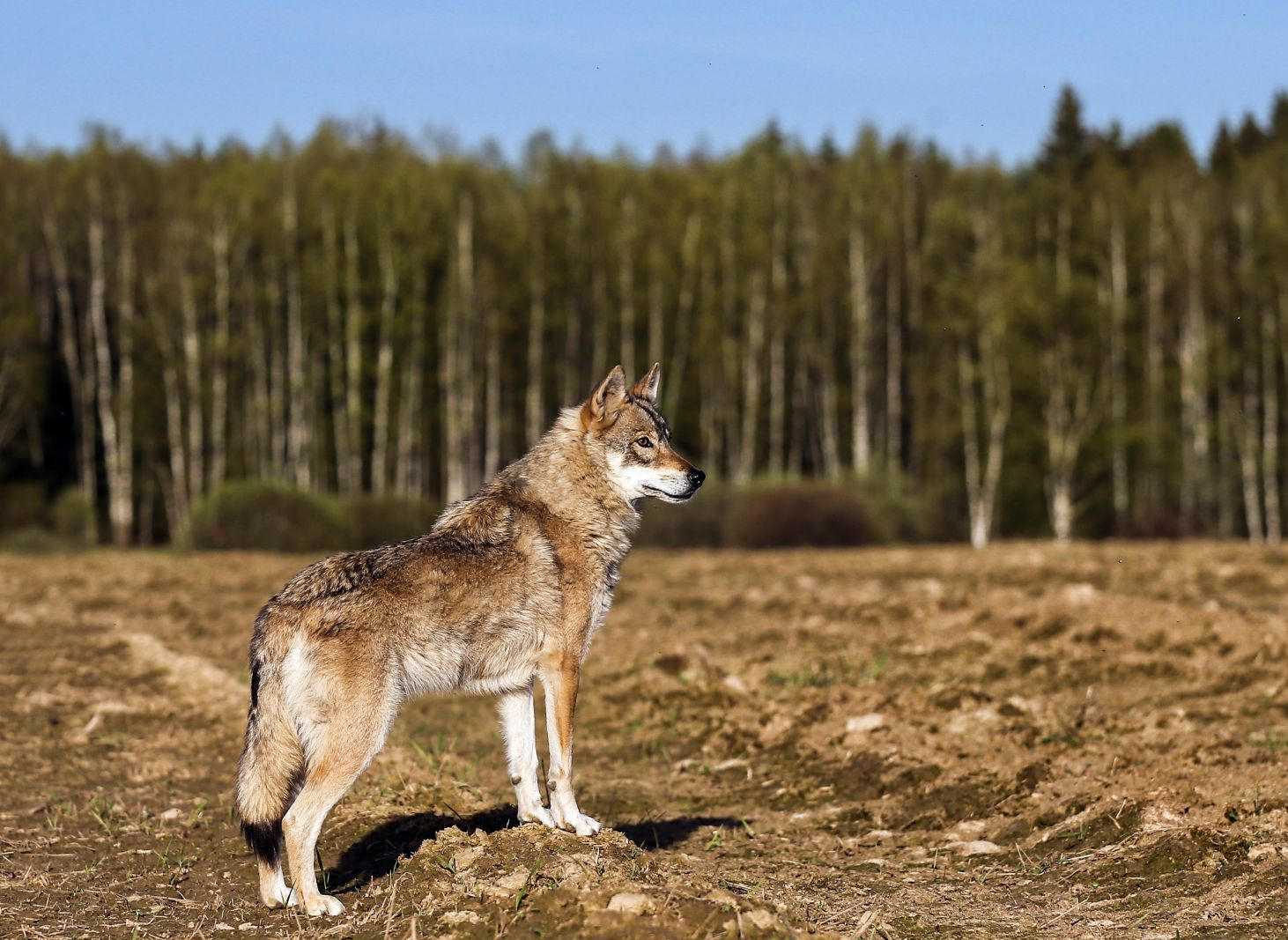
Such crossbreeding had long occurred in nature; depictions of half-wolves even existed in ancient cities. However, a deliberate attempt to crossbreed these animals occurred in 1766. The puppies were named Pomeranians, but they proved untrainable.
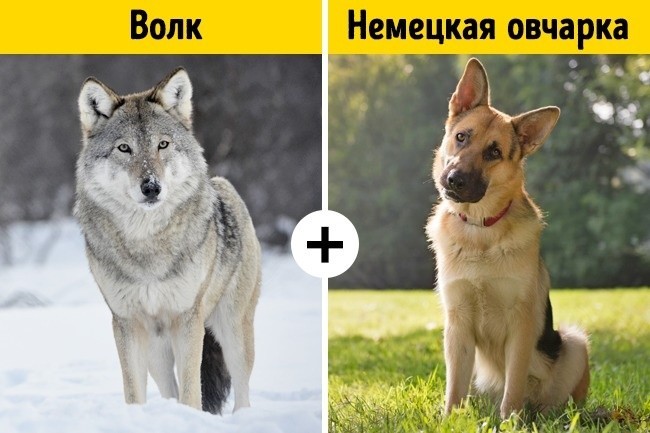
In 1950, Lander Saarloos finally succeeded in producing a hybrid. It was officially registered with the FCI and named the Saarloos wolfdog.
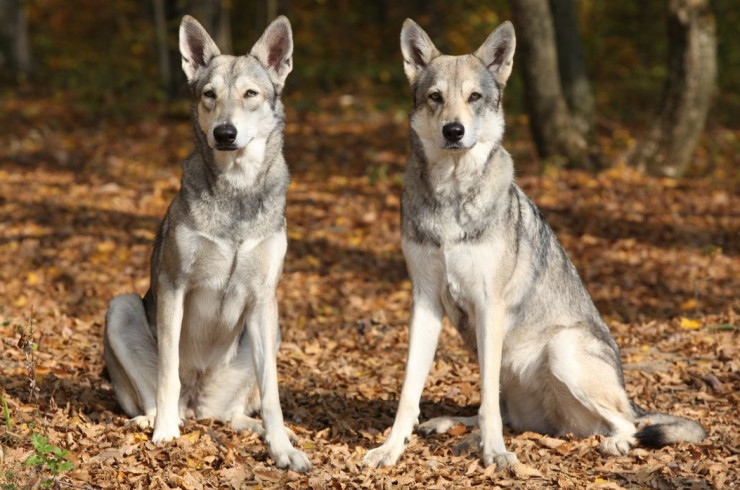
A more successful hybrid was then developed by Karel Hartl in the Czech Republic; these animals were trainable and served as guard dogs. The breed was named the Czechoslovakian Wolfdog.
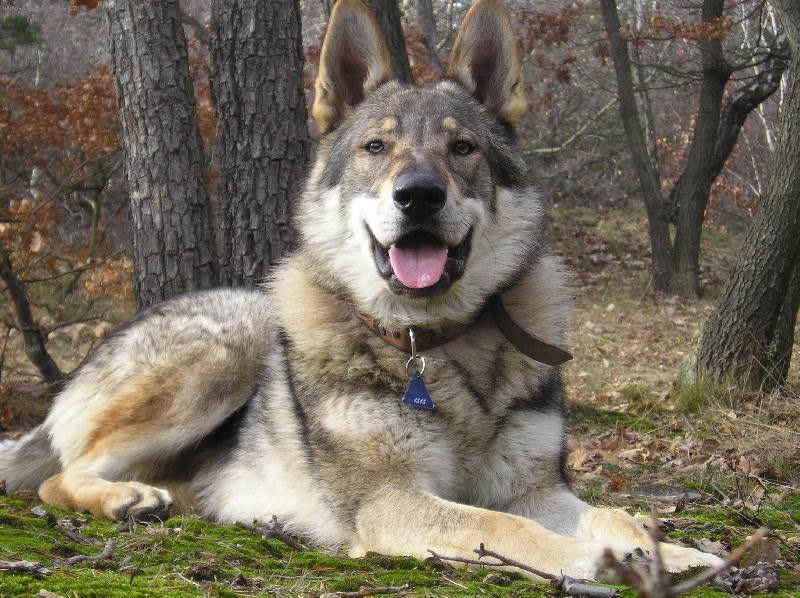
Besides this, two other types of hybrids are currently recognized: the Saarloos Wolfhound and the wolfdog. The second group includes any cross between a wolf and a dog.
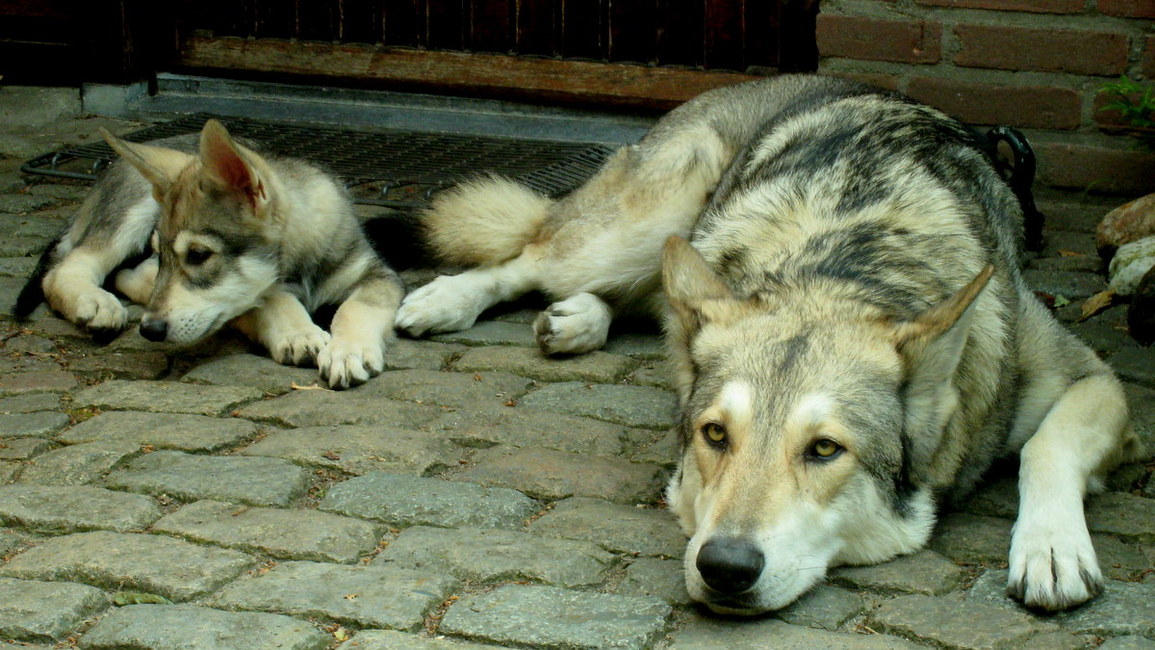
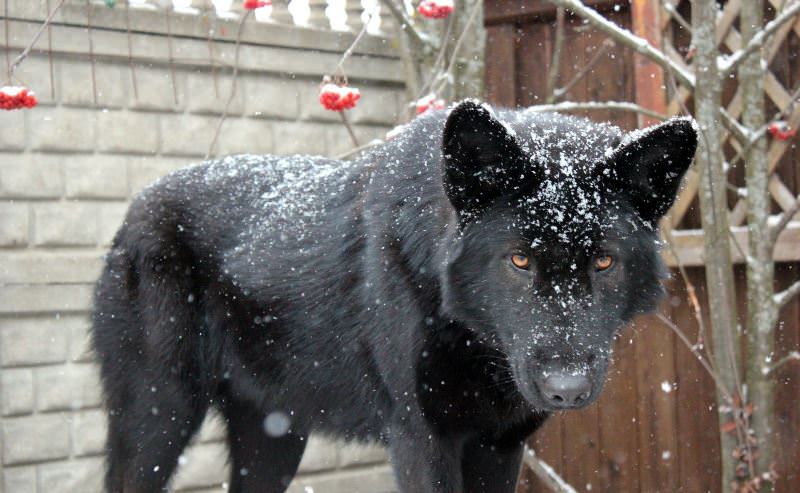
You're unlikely to encounter such hybrids in regular zoos; there are special places where unusual animals are collected. Some animals, such as wolfdogs, can even be purchased and kept. However, it's important to remember that they require specific conditions and appropriate training.