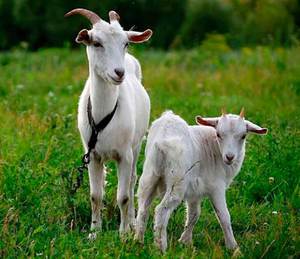
The Shami is a very ancient breed common in the Middle East. Since ancient times, Damascus goats have provided their owners with delicious milk, tender meat, and beautiful wool. However, in the rest of the world, these animals may seem a curiosity to many.
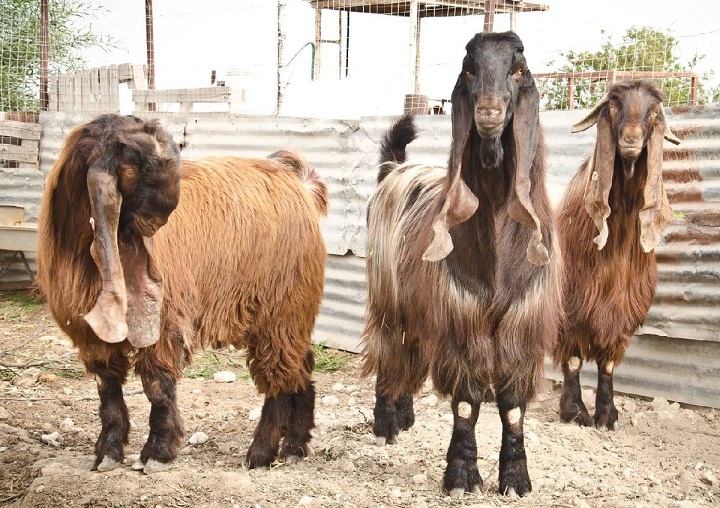
The breed is several thousand years old. It originated in Syria and was popular in the country's second largest city, Damascus. This is where its other name, Damascus goats, comes from.
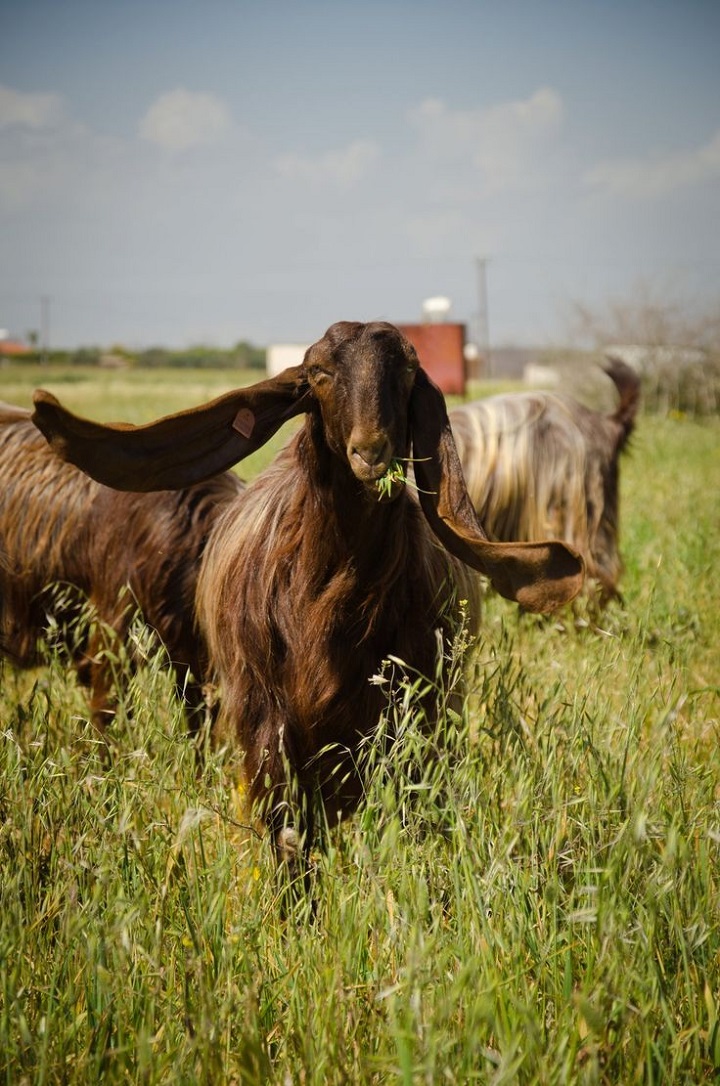
They are among the top ten most unusual animals, and in their homeland they are considered divinely beautiful.
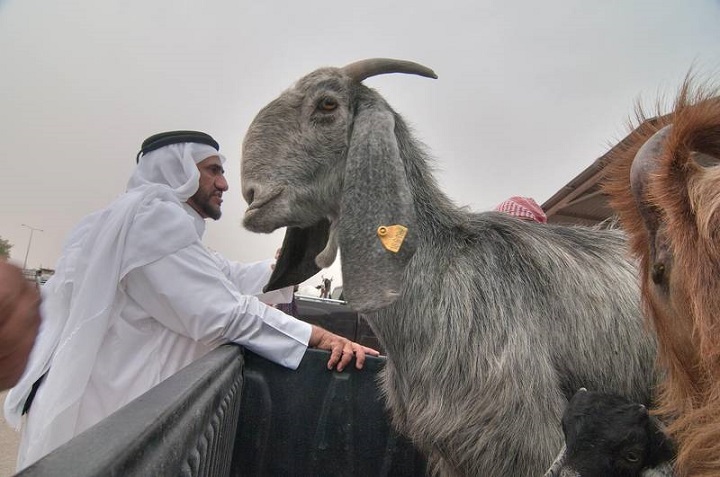
Nowadays, Shami are widespread in countries such as Israel, Syria, Palestine and Cyprus.
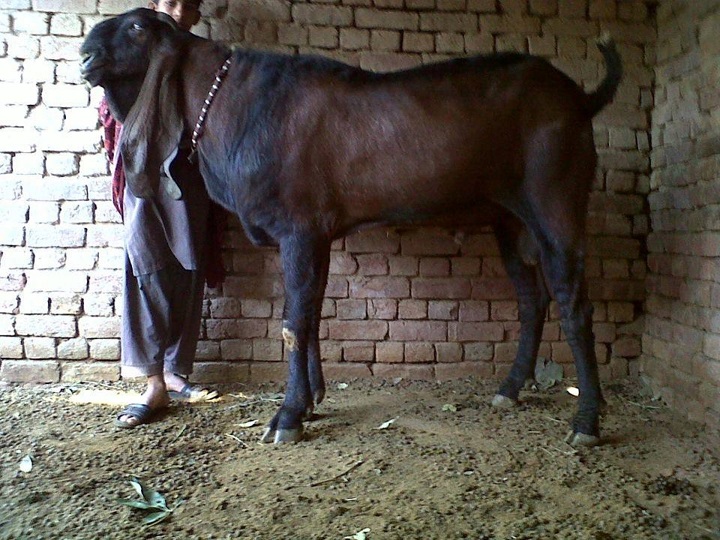
Damascus goats are the most expensive and are valued on par with Arabian horses. A single animal can fetch up to $70,000.
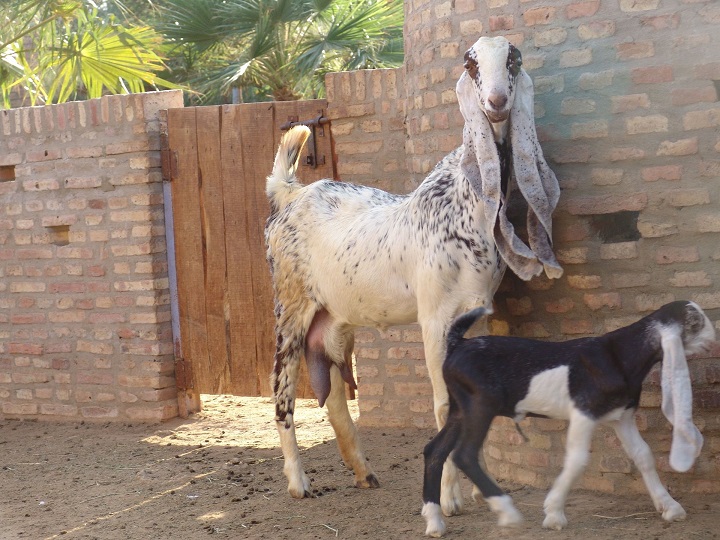
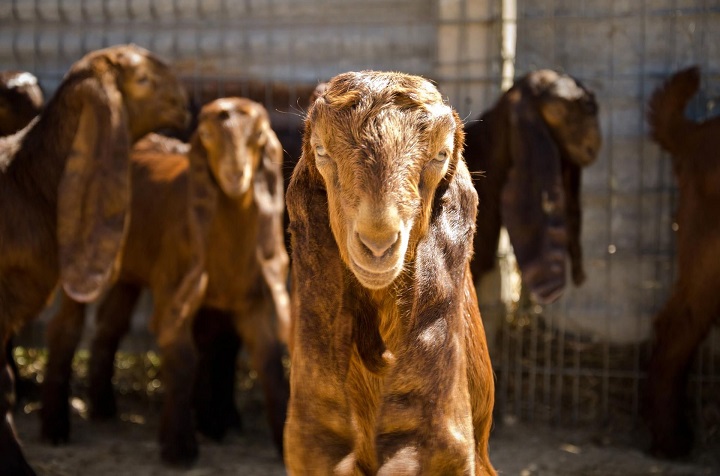
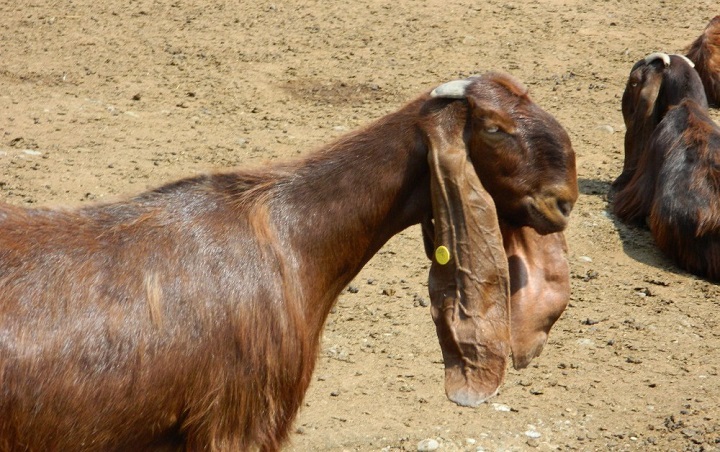
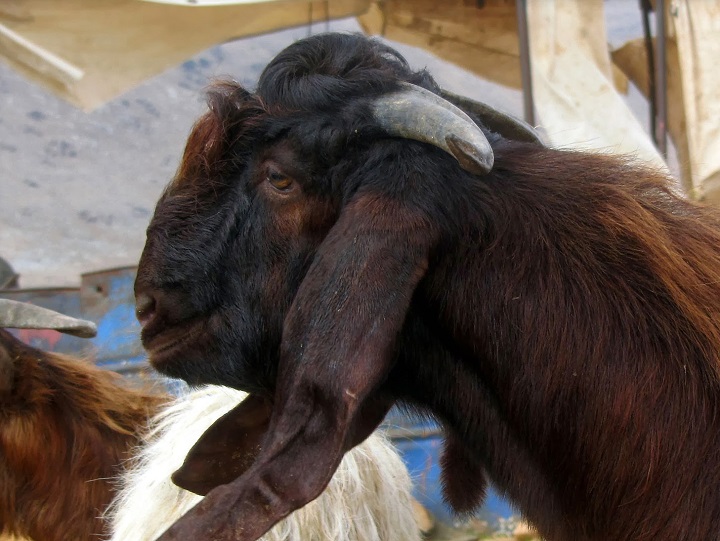
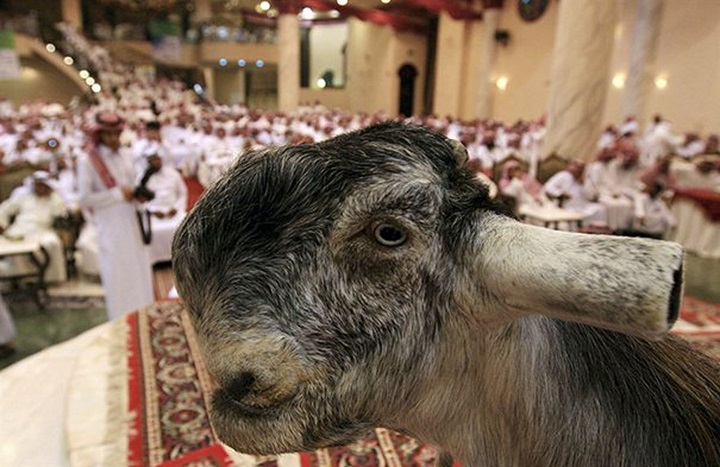
The kids are very cute and beautiful, with a small head, large expressive eyes, and wavy ears. But as they age, the Shami develops the characteristic features of this breed: a hooked nose, a large head, a protruding lower jaw, and very long ears, reaching 30 cm.
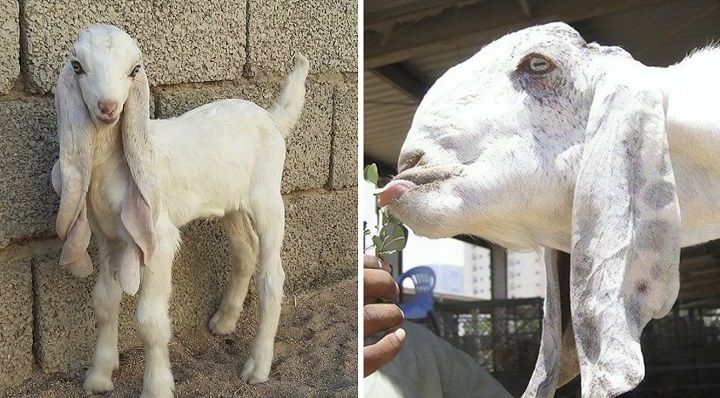
Goats not only produce milk, but also provide people with excellent tasting meat.
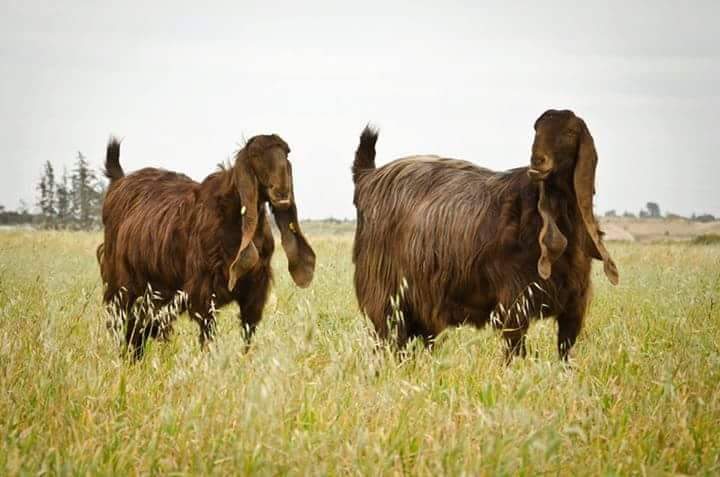
The animals are large, reaching up to 1 meter at the withers, and grow and gain weight rapidly. Young males gain 300 grams per day, and adult males can weigh up to 130 kg.
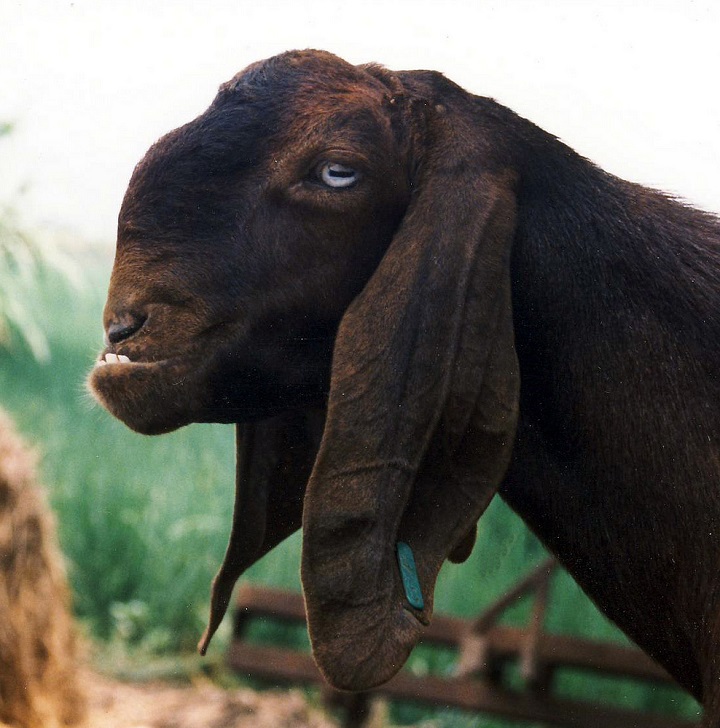
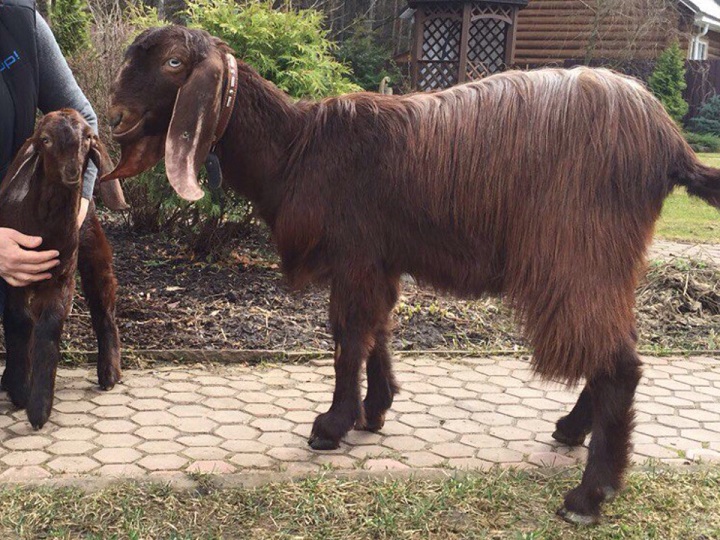
Their thick, long fur protects them from inclement weather. Goats have a remarkably calm and docile nature, and they are not fussy about their living conditions.
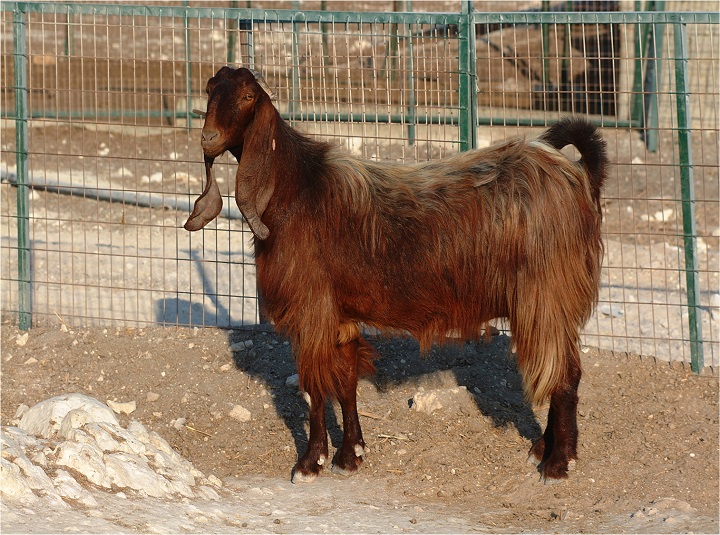
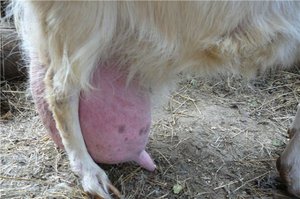
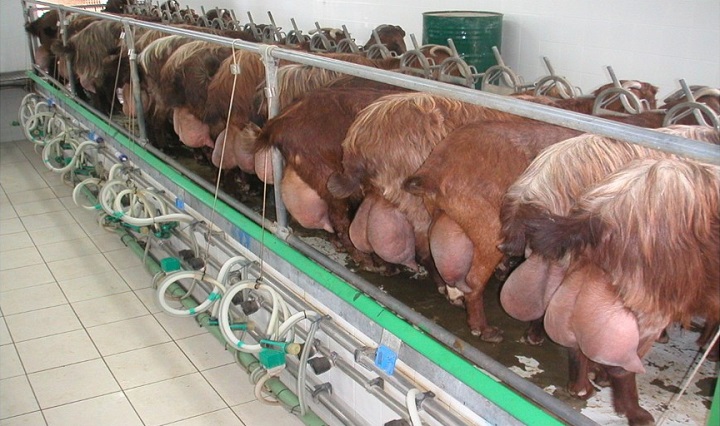
The milk of these goats is superior and tastier than that of other breeds. It has no off-flavors or unpleasant odors, and the udders are ideal for milking machines.
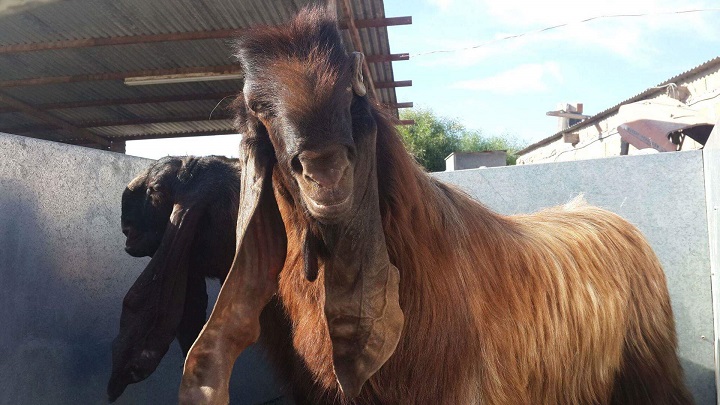
Since ancient times, this milk has been considered healing - it was given to the sick and the elderly, it was given to infants, and medicinal ointments were prepared from it.
The average milk yield of shami is about 5 liters per day, but some goats can produce up to 9 liters.
They are very fertile. A goat usually gives birth to twins, and sometimes even 4 kids.
The offspring are strong and healthy, so the kids are weaned early and raised separately, while the goat is milked. One female can produce approximately 1,000 liters of milk per year. Shami females are ready to mate and give birth to kids by nine months, so the cost of raising these animals quickly pays for itself.
This breed of goat also has its drawbacks, the main one being the difficulty in acquiring purebred stock and the very high cost. Another drawback is the presence of horns. Breeders are currently working on developing polled Shami goats.
Many sellers offer crossbreeds, but the circle of official breeders willing to provide the necessary documents is very small and difficult to enter.
Damascus goats are still rare in Russia; this breed is only just beginning to appear in our country. However, enthusiasts who have decided to keep these animals are already noting the excellent quality of their milk and their calm, friendly nature.