Dogs are natural carnivores. But in the wild, carnivores don't just eat animal food; they also eat plants. Domestic dogs can and should be fed vegetables. However, not all vegetables are beneficial for dogs. Let's explore what can and shouldn't be fed to dogs.
Carrot
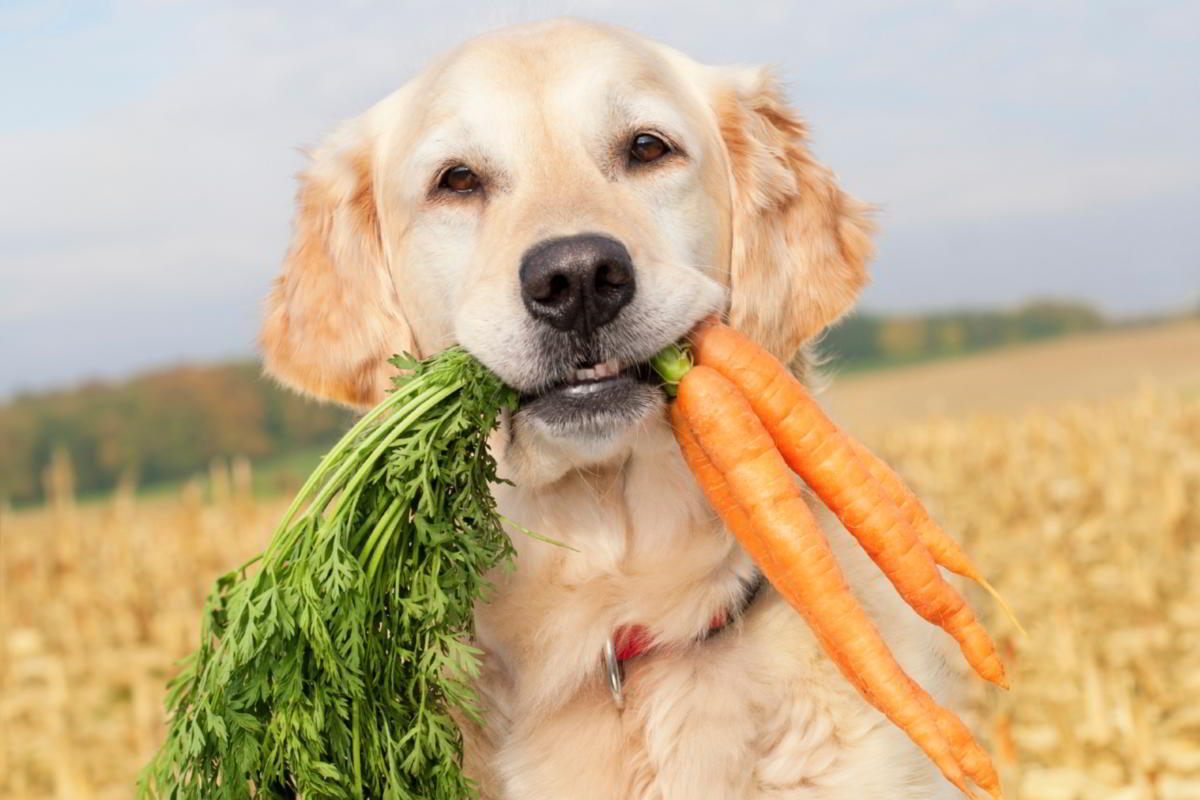
This vegetable is beneficial for both humans and animals. Dogs can eat raw carrots. They are rich in beta-carotene, which helps improve vision. Carrots also contain vitamin A, which improves the condition of a dog's skin and coat.
When a dog chews on raw carrots, their teeth are cleaned, plaque is removed, and the number of bacteria in the oral cavity is reduced, which prevents tartar buildup. The jaw muscles also get a good workout from this activity. It's best to cut the carrots into long slices, or grate them for small dogs.
Pumpkin
Pumpkin is safe for dogs. Its main benefit is that it normalizes digestion and improves bowel movements, making it a good choice for dogs suffering from constipation. Pumpkin reduces gastric acidity and repels worms. It's best to give this vegetable to your pet cooked.
Bell pepper
Bell peppers are rich in vitamins and antioxidants. Like carrots, they contain beta-carotene, which is beneficial for vision. They improve appetite and strengthen the immune system. Give your dog peppers without seeds, raw or baked. Red bell peppers are best—they have more vitamins than yellow and green ones.
Cucumbers
This vegetable is completely safe for dogs. It's rich in B vitamins, potassium, magnesium, and vitamins A, C, and D. Cucumbers improve metabolism and cardiovascular function. They contain a lot of fluid, so their water balance will also be normalized. However, don't give your pet too many cucumbers, as this can cause diarrhea.
Asparagus
Asparagus isn't a common addition to a person's diet, much less a dog's. While it's not harmful, it's not healthy either. Raw, it's difficult to digest, and cooked, it contains very few vitamins. It's best to replace asparagus with a more vitamin-rich vegetable.
Beet
Beets in pets' diets are also controversial. This vegetable contains a lot of antioxidants, potassium, folate, iron, vitamins, and fiber. However, the main drawback of beets is that they can cause an allergic reaction. If your dog doesn't have an allergy, you can feed them raw in small quantities. Feeding them in large quantities can cause diarrhea.
Beetroot affects a dog's coat color. It will brighten the coat color of red and dark-haired dogs, but it can negatively affect the coat color of white, fawn, and cream-colored dogs. This factor is important for show dogs, so it's worth considering before feeding your dog beetroot.
Carrots, cucumbers, pumpkin, and bell peppers are a welcome addition to any dog's diet. Other vegetables should be introduced with caution. It's important to remember that even overfeeding vegetables is not recommended, as they can cause more harm than good.