We can no longer imagine our lives without weather forecasts from meteorologists. But for many centuries, our ancestors predicted changing weather conditions based on the behavior of our smaller brothers and sisters.
Let's look at things that dogs and cats do when frost is coming.
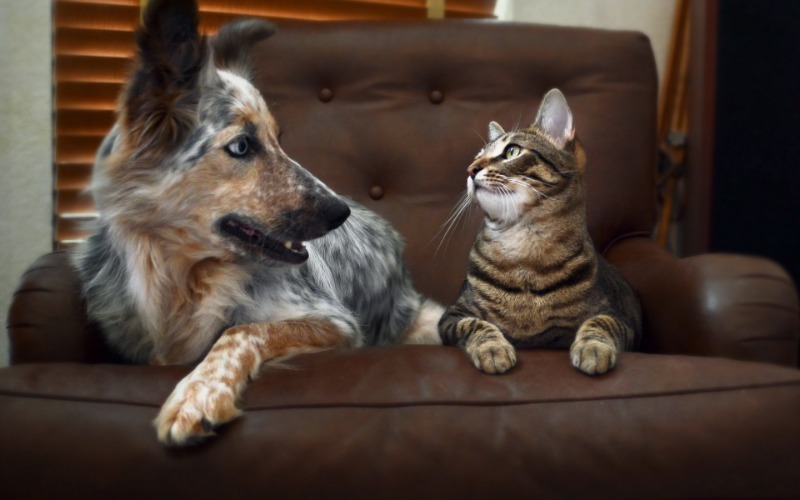
A cat and a dog are sleeping in a ball
Before cold weather sets in, these animals curl up into a ball, wrap their tails around themselves, and tuck their paws close to their bodies. They may also seek out a warmer spot, lie down on soft, fluffy objects, or try to sleep near people.
This position allows you to retain as much heat as possible. If your cat or dog sleeps this way, expect a cold snap.
If a cat licks its tail
A fluffy tail that a cat diligently licks means that there will be a snowstorm.
The animal's behavior at this moment is different from usual; before a snowstorm, cats are clearly nervous, and the fur on their tail stands on end.
The animal eats little and sleeps a lot.
As heavy snowfalls and cold weather approach, cats and dogs may sleep more than usual and their appetites may be reduced.
They eat less than normal, but they shouldn't refuse food completely. In this case, the pet should be taken to the vet.
The cat covers its nose with its paw while sleeping.
Cats are highly sensitive to weather conditions. If they cover their faces with their paws while sleeping, it's a sign of impending frost.
And if the cat sleeps like this for several days in a row, the cold will come quickly and be quite strong.
The animal scratches the walls or windows
You've probably seen your pets persistently scratching your wallpaper or window frame. Don't scold them too quickly; this could be a warning of an approaching strong, cold wind.
Their behavior also changes: pets become restless, stick closer to people, and dogs may howl.
The animal scratches behind its ear
According to popular belief, cats rub their ears with their paws before a snowstorm. There's an interesting scientific explanation for this superstition: cats are very sensitive to changes and fluctuations in atmospheric pressure.
Their eardrums and inner ears are highly sensitive, and before a snowstorm, their blood pressure drops, causing discomfort. Trying to relieve the discomfort, felines frantically scratch their ears.