A sense of awe is overwhelming when observing a huge herd of bison. Many cultures have legends about these ancient animals.
History of the Bison
Centuries ago, the forests of central, western, and southeastern Europe shook with the hooves of wild aurochs, but at the turn of the 16th and 17th centuries, these Atlanteans faced extinction. The animals had a strong immune system and could resist disease, their thick hide and fur protected them from inclement weather, and their menacing appearance and strength protected them from predators. However, the slow and clumsy aurochs were defenseless against humans.
"The last free bison of the Belovezhskaya Pushcha was killed on February 9, 1921, by the former forester of the Pushcha, Bartholomeus Shpakovich: may his name, like that of Herostratus, be preserved for centuries!"
A miracle saved these animals from extinction. Fifty-six individuals, preserved in zoos and private breeding centers, became the progenitors of the modern bison population in the Białowieża Forest in Poland and in Russian nature reserves. By the end of the twentieth century, thanks to the efforts of zoologists, there were approximately 1,000 free-ranging bison; today, their numbers have almost returned to normal.
Lifestyle
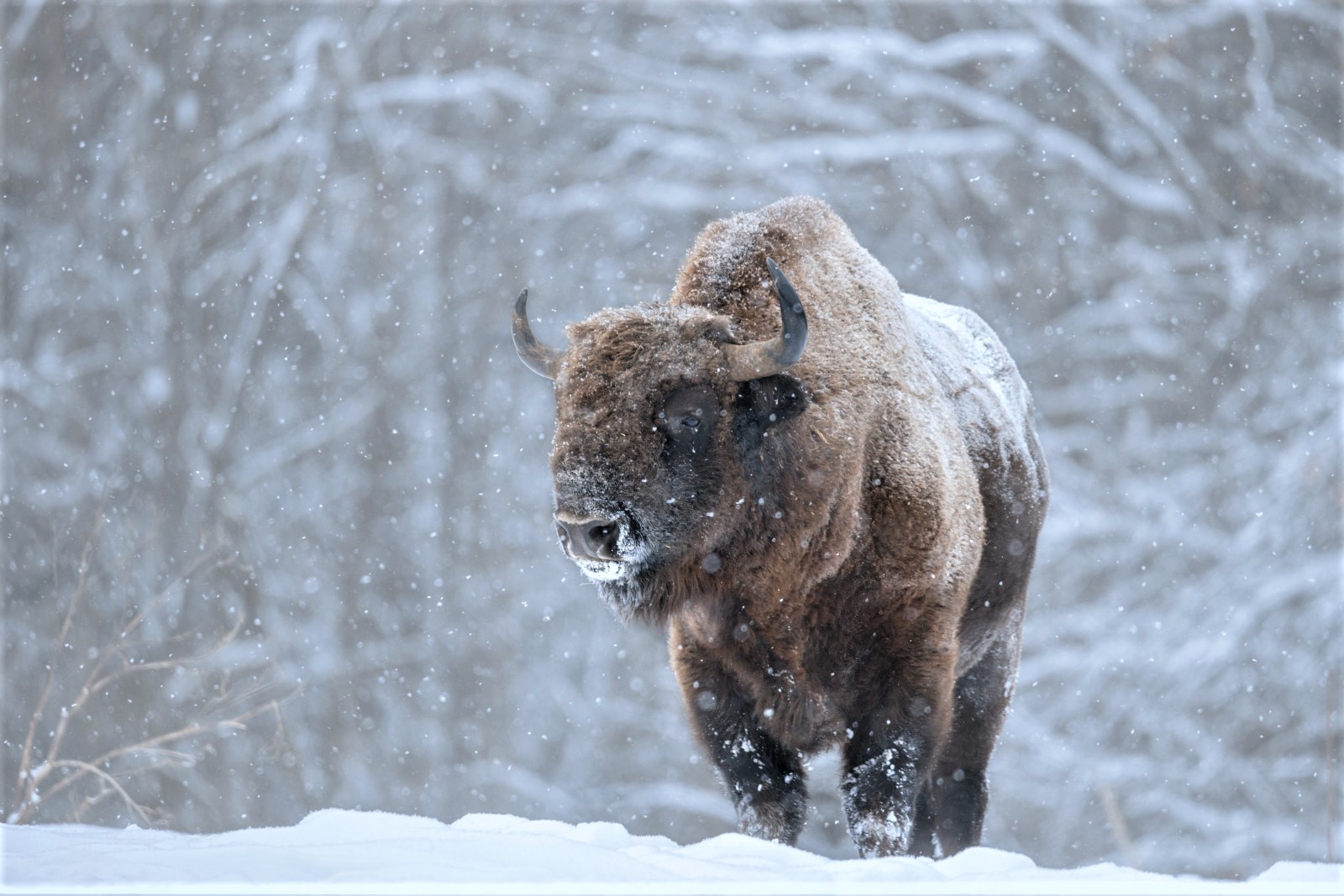
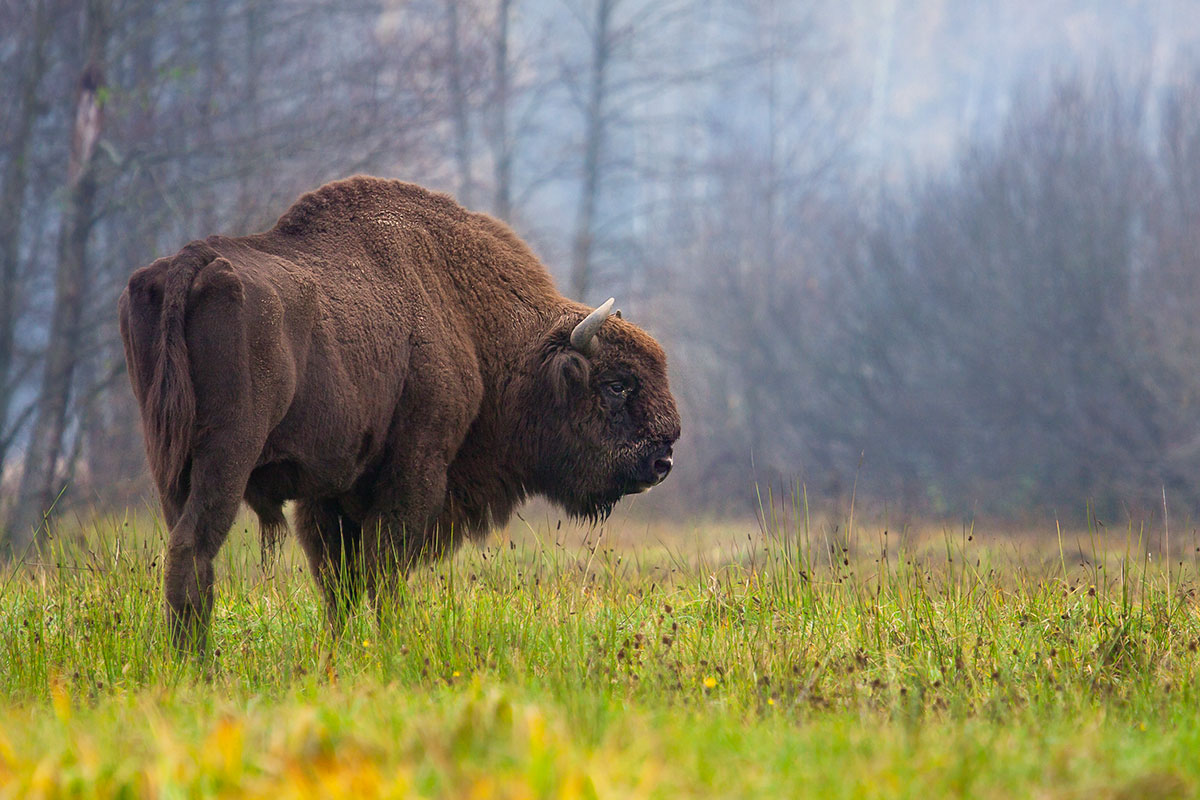
The largest wild even-toed ungulates, native to Europe and Russia, the bison resembles a cow in appearance but is significantly more powerful. Its height at the withers is 1.8–2 meters and its weight is up to 1 ton. Its thick, slightly curly hair forms a beautiful ruff around its neck.
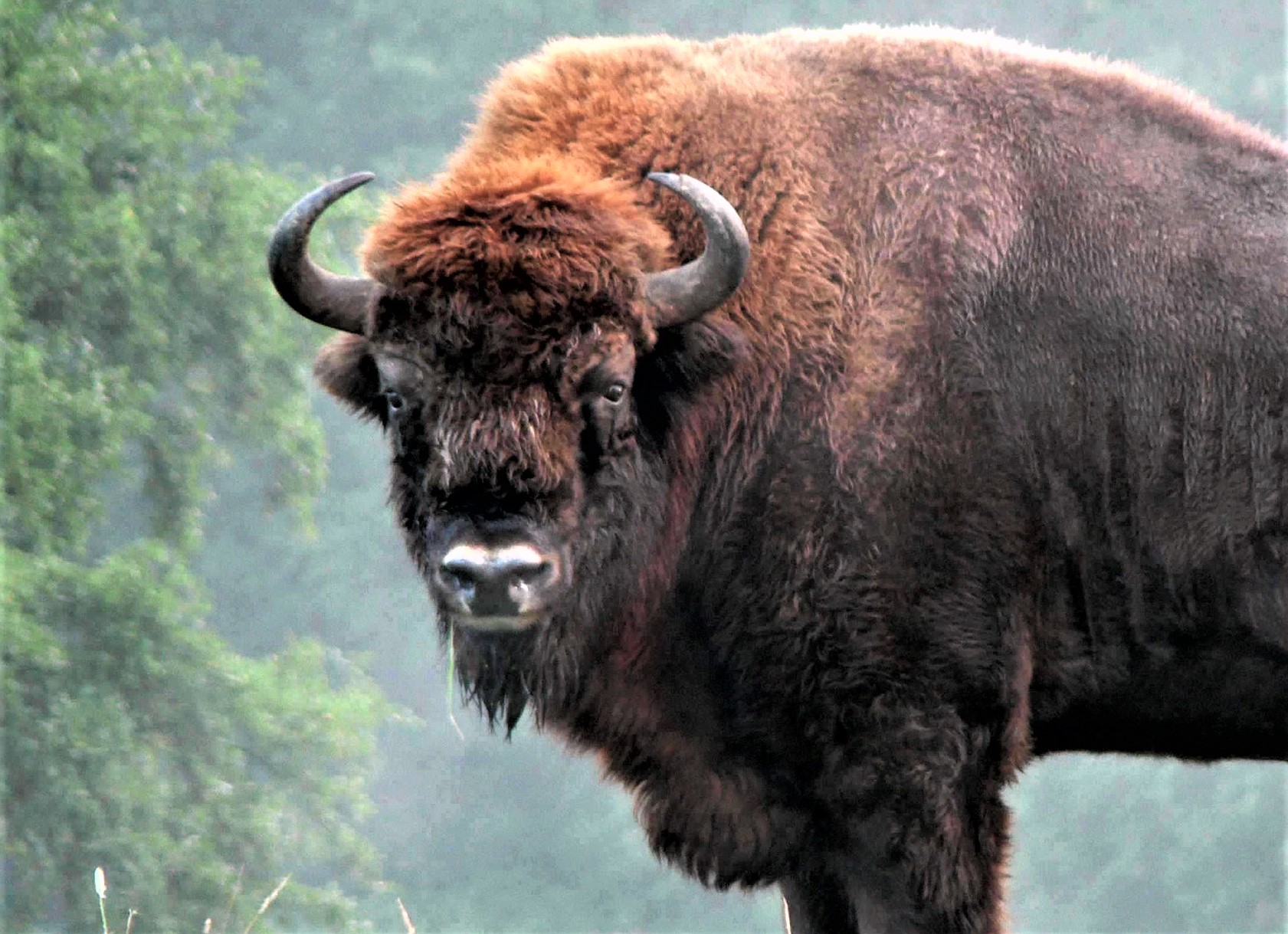
Bisons are considered long-lived animals. Their average lifespan is 25–30 years, but some can live for half a century.
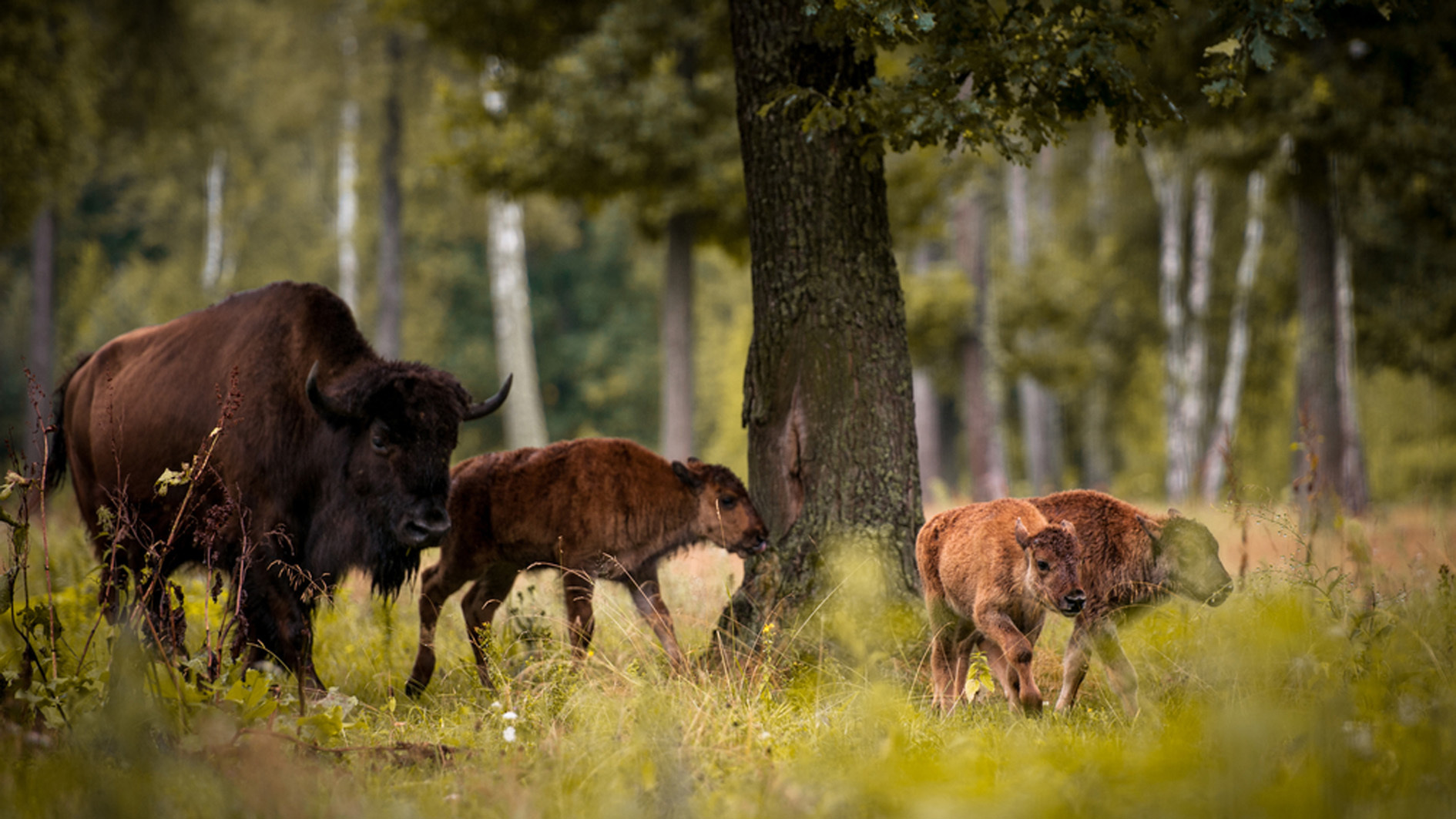
Forest giants can be found in deciduous and mixed protected forests.
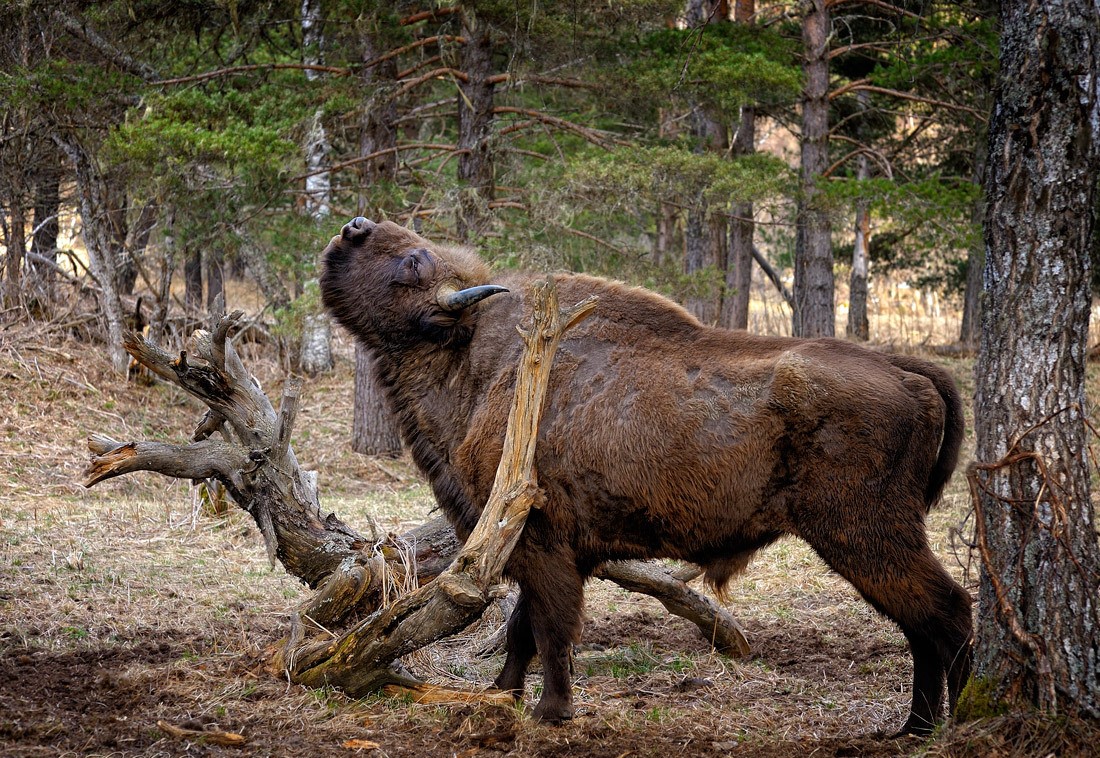
In summer, bison prefer deciduous forests and grassy, flowering meadows. In autumn, the animals migrate to mixed forests with oak groves, where food sources last longer.
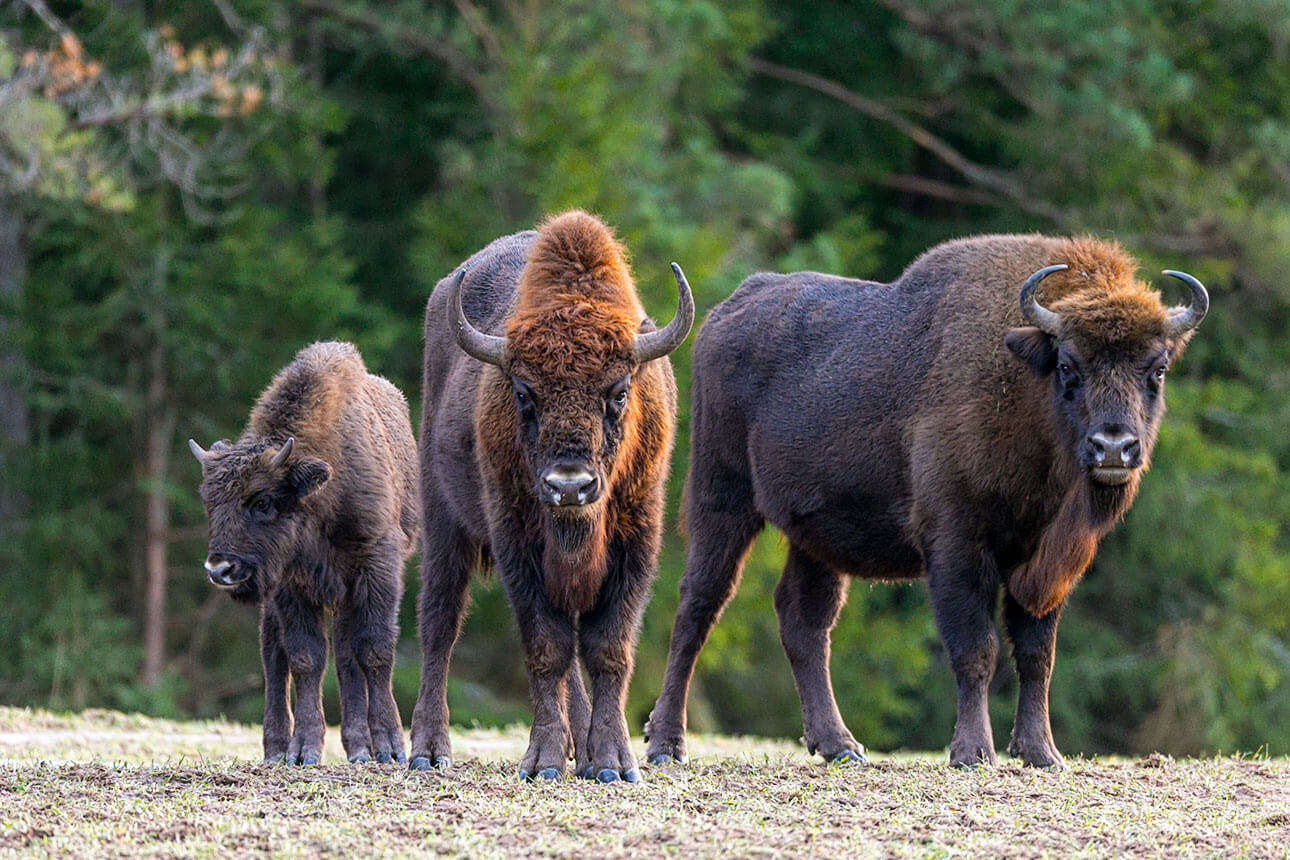
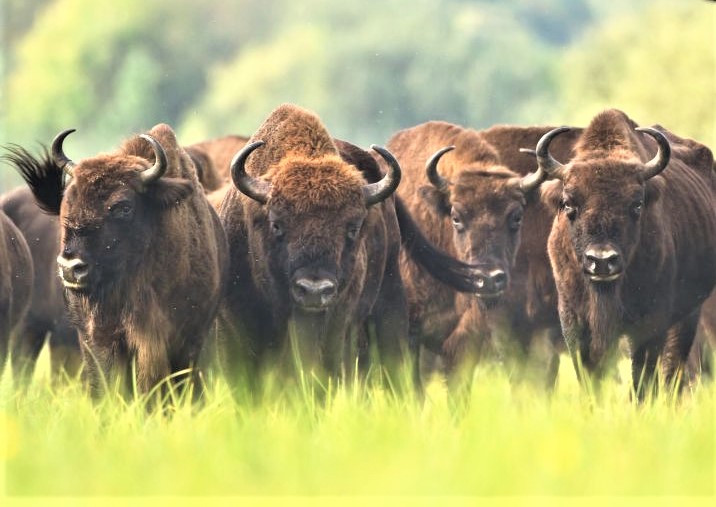
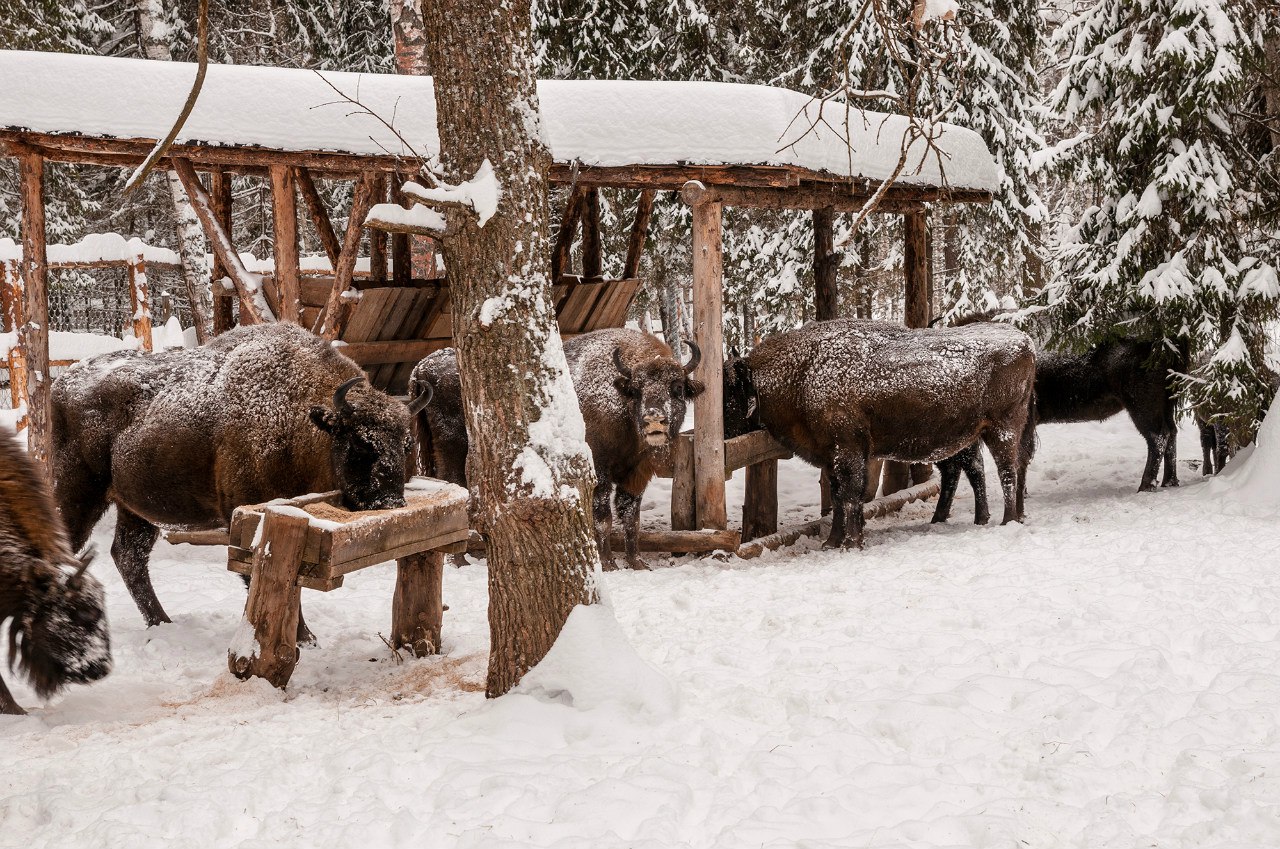
A forest giant can consume up to 50 kg of food per day. With the onset of winter, nature reserve workers set out hay feeders, around which numerous herds of wild ungulates gather. Without human support, bison survive on branches, shoots, and tree bark.
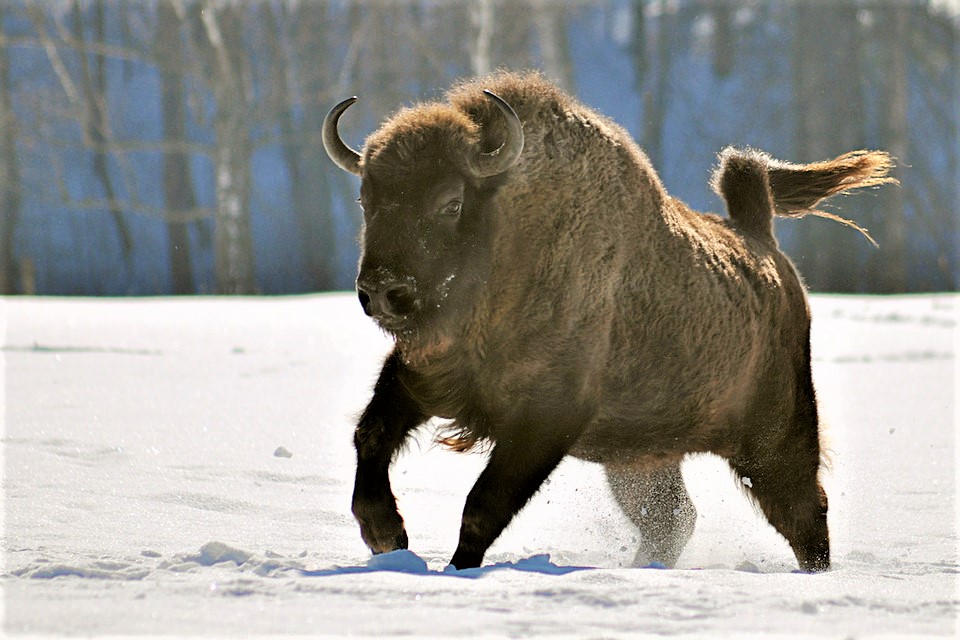
Almost no predator poses a threat to the bison. Only a starving pack of wolves might risk separating a young or weakened animal from the herd. Despite its bulky appearance, the bison can run quickly and overcome obstacles over a meter high.
In the event of an inevitable fight, bison form a circle, with the cubs in the center and the adults on the edges, defending themselves from the enemy with the help of their powerful and sharp horns.
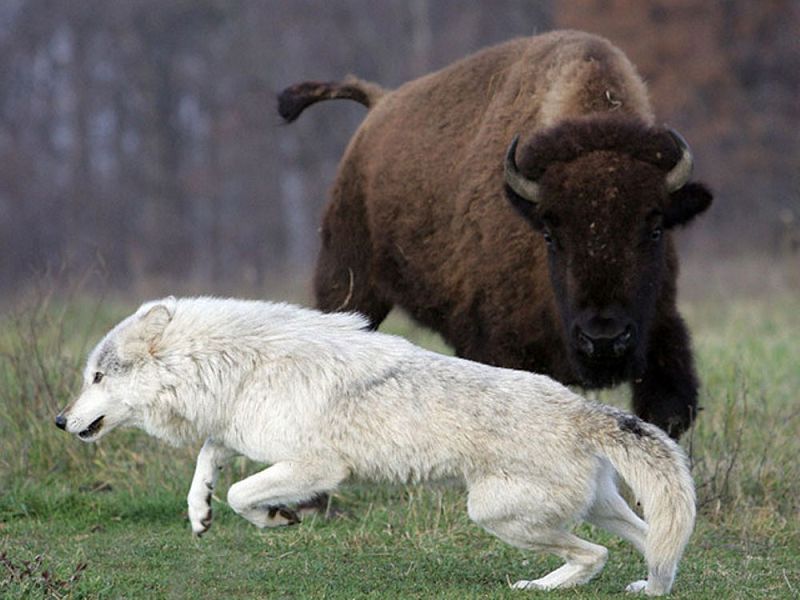
Bison is a close relative!
You might say that the European bison and the European wisent are two different names for the same animal, and you'd be partly right. They are closely related. Zoologists have long debated the differences between these wild animals. Besides their habitat, the American bison and the European wisent differ in appearance. The bison has a longer body, shorter legs, and a less pronounced hump at the withers.
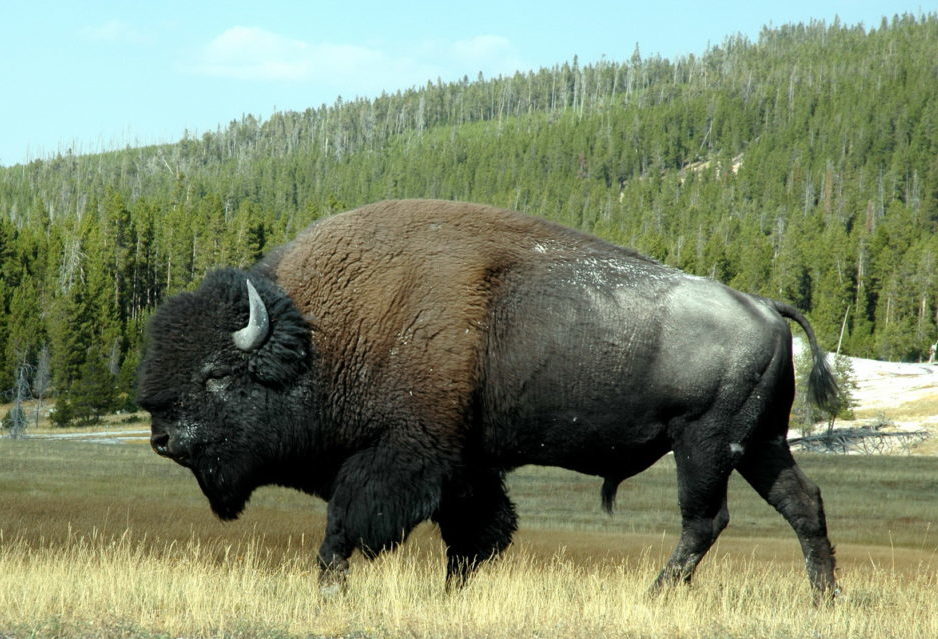
Roughly speaking, a bison can fit into a square, while a bison can only fit into a long rectangle. Modern technology has also helped identify genetic differences between these two species of even-toed ungulates.
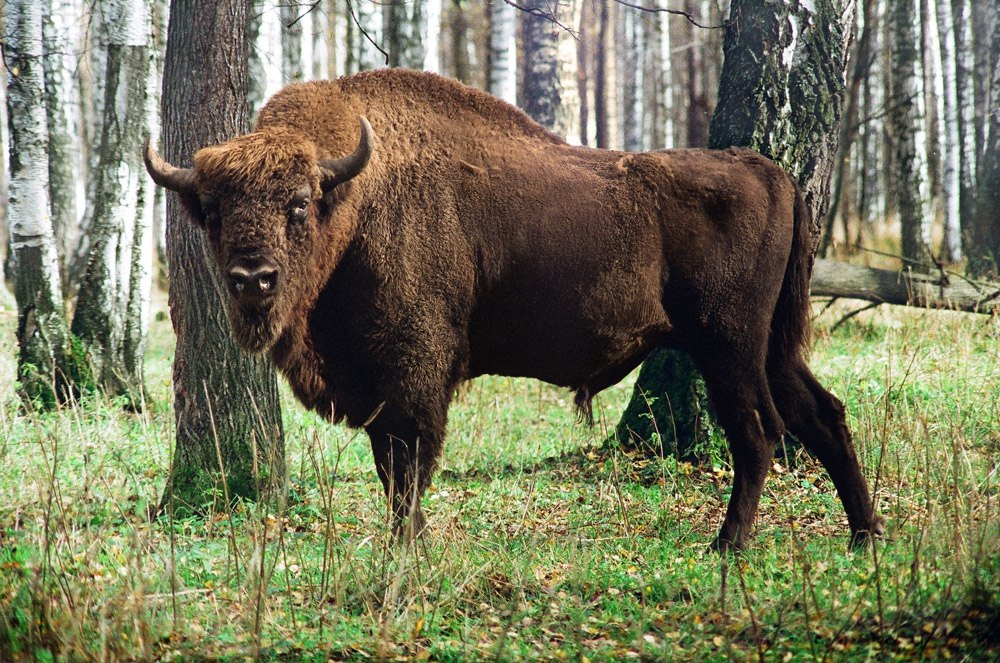
With urban development, fewer and fewer pristine natural areas remain that could serve as a habitat for bison. What future awaits these forest giants? They will likely not return to the wild, but remain in protected areas under human protection.