Some consider the sloth to be the slowest animal in the world. It sleeps a lot, moves little, and its name speaks for itself. But among the inhabitants of our planet, there are many creatures that can rival it in terms of leisurely pace. Let's take a look at the 7 laziest animals.
Koala
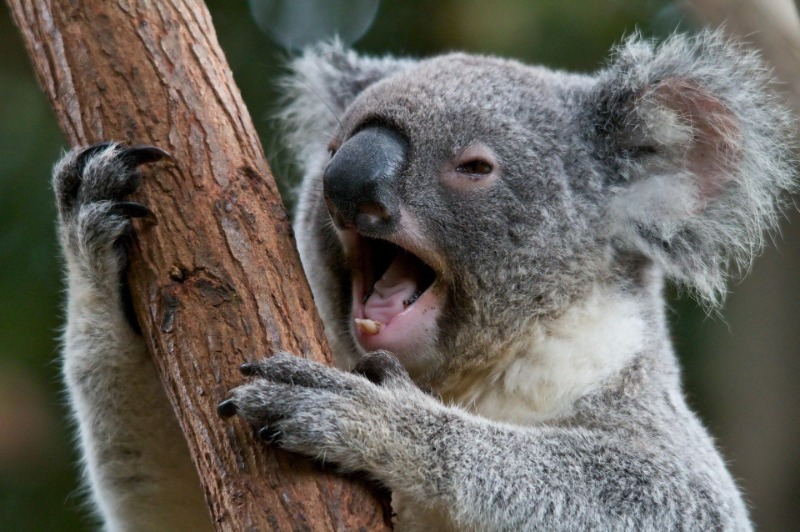
Koalas have a metabolic rate almost half that of most mammals. They are typically sedentary, sometimes remaining motionless for 16-18 hours a day. However, when necessary, these animals are adept at running, jumping from tree to tree, and even swimming. The fastest speed they can reach while climbing a tree is about 447 centimeters per second.
Koalas generally don't waste energy on aggression. However, they are solitary animals, and when a male encounters a rival, especially during mating season, a bloody fight can ensue.
By clinging to a tree trunk, the koala escapes the high ambient temperatures. In hot weather, it tends to climb an acacia—the coolest tree available.
Galapagos giant tortoise
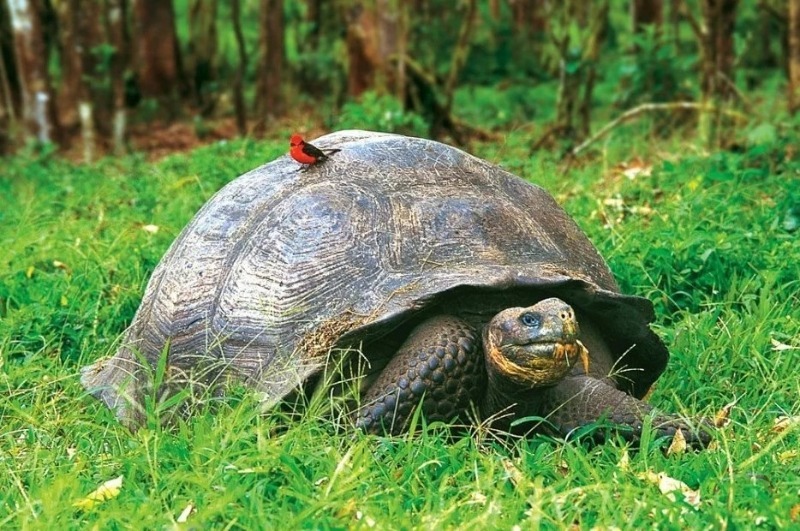
This reptile is the largest living land tortoise on the planet today, also known as the elephant tortoise. It is impressive in size, weighing 300 kg and reaching 1 m in height, with a shell diameter of approximately 1.5 meters.
During daylight hours, the turtles hide in the undergrowth and rarely leave their shelter. Only at nightfall do they venture out, but their heavy shells, great weight, and short, columnar legs hinder their speed. During rainy and dry seasons, these turtles can migrate from one area to another. Then, the solitary animals gather in groups of 20-30 individuals, but even within the group, they interact little with one another and remain solitary.
Garden snail
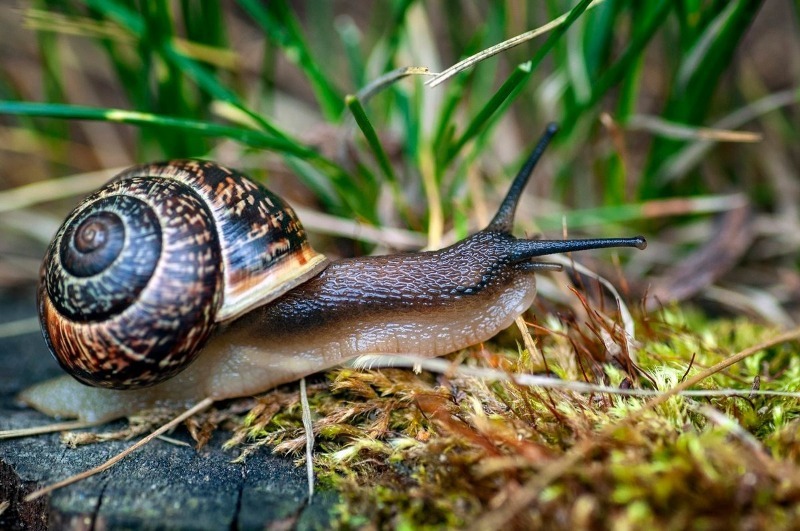
A snail is a unique creature protected by a shell. They can live not only in the wild but also in homes. In gardens, they can be found on horseradish, radish, cabbage, and some other vegetable crops. They primarily feed on rotten parts, but can also damage healthy plants.
Snails appeared on the planet approximately 600 million years ago, making them among the most ancient inhabitants of Earth. They fully live up to their reputation as one of the slowest creatures—on average, they cover 7 centimeters per minute, and their maximum speed is 1.3 centimeters per second.
Sloths
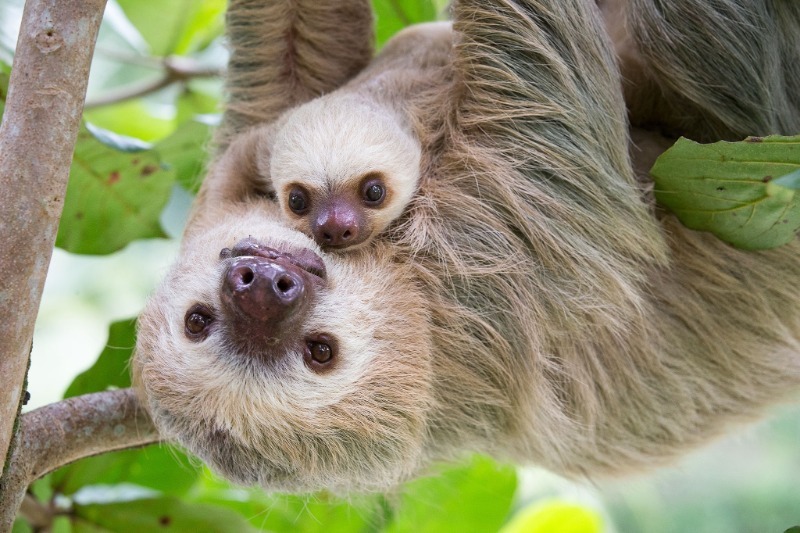
Tree canopies serve as both a home and a rich food source for sloths, but the coarse leaves are poorly nutritious and low in calories. It takes the body about 90 hours to digest them. Due to the poor diet and slow digestion, the animal's metabolism is inhibited, forcing it to live in a constant state of energy conservation.
Sloths sleep for 15 hours a day, but even when awake, they prefer to remain dormant. When they do move, they do so very slowly, at an average speed of 3 cm per second, covering no more than 20 m per day, sometimes "accelerating" to 150 mph.
Manatees
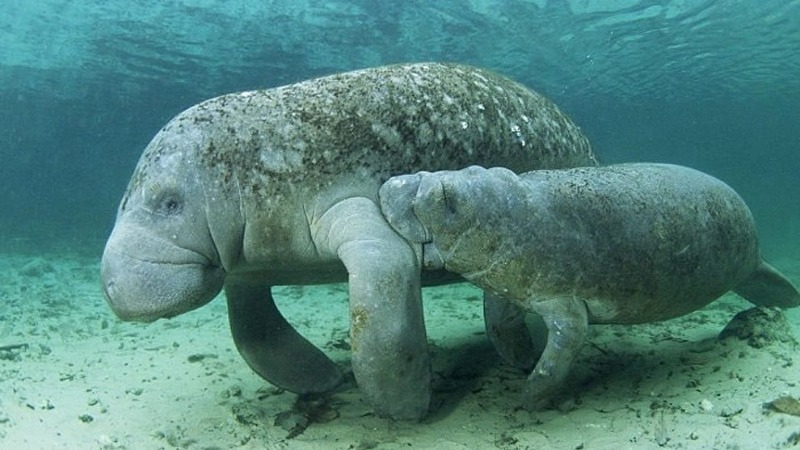
These charming giants captivate with their gentle demeanor and curiosity. These large aquatic animals spend most of their lives either sleeping or feeding. Weighing between 400 and 550 kg, it's no surprise they're clumsy and slow-moving, able to swim at speeds of only 5-8 km/h.
The manatee never ventures onto land; its entire life is spent in the shallow coastal waters of bays, coves, rivers, and lakes, where it rests near the bottom, occasionally poking its head above the surface to breathe. Sometimes, it can extend the front half of its body, including its head, onto the beach and sleep there for many hours at a time.
Arizona Gila monster
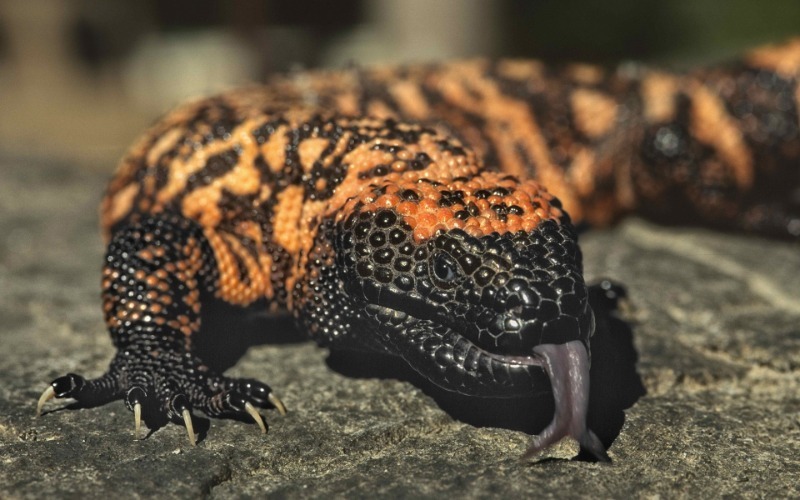
This is a species of venomous lizard, reaching a maximum body length of 60 centimeters, with the tail accounting for 20% of its total length. The Gila monster weighs between 350 and 700 grams. In the wild, it feeds infrequently, approximately 5-10 times a year, so it is not often interested in prey.
The Gila monster has a low metabolism. It is one of the slowest lizards, moving at 667 cm per second. This unique animal spends up to 98% of its life underground, devoting approximately 180 hours a year to foraging and reproduction.
European Proteus
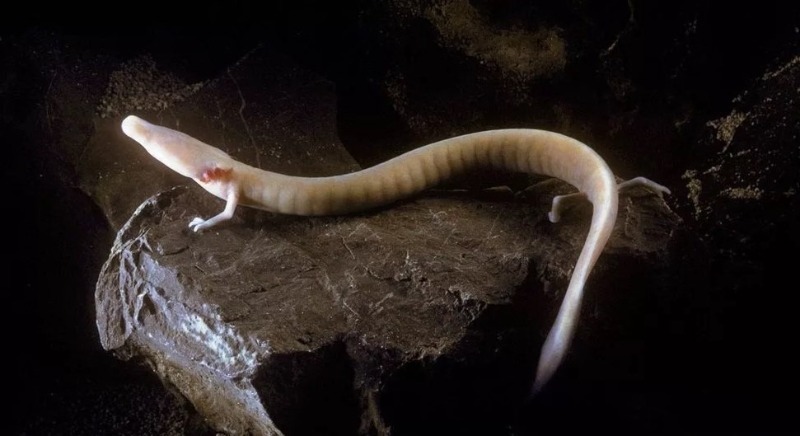
This rare species of tailed amphibian lives in complete darkness in cold cave pools at temperatures around 10ºC. Proteus lacks developed visual organs, but is able to perceive light through its entire body surface. Proteus live an average of 70 years, but centenarians are occasionally encountered.
European scaly-sided amphibians require virtually no food or movement. On average, over a period of nearly seven years of observation, these amphibians moved 10 meters. Their movements are only related to the mating season, which occurs once every 12 years. The rest of the time, they don't need to expend energy: they don't hunt; catching a single worm is enough to satisfy their hunger for a long time.