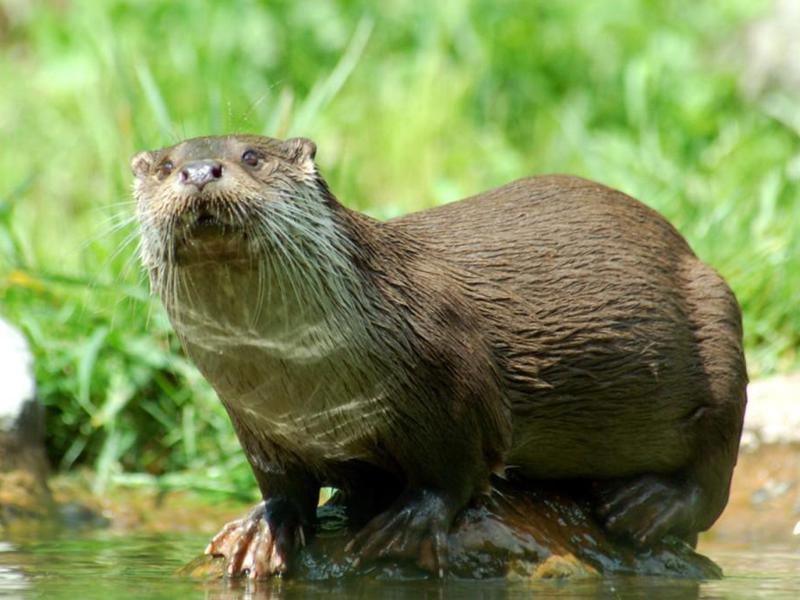
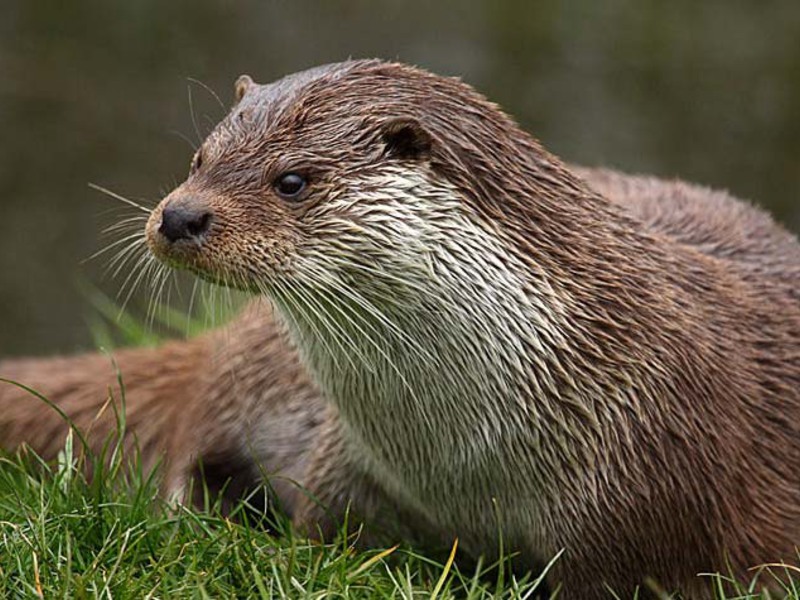
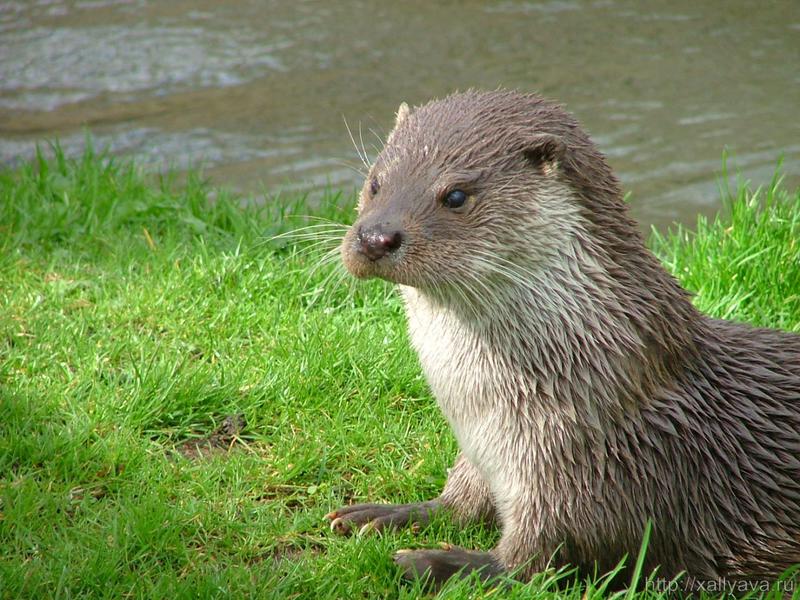
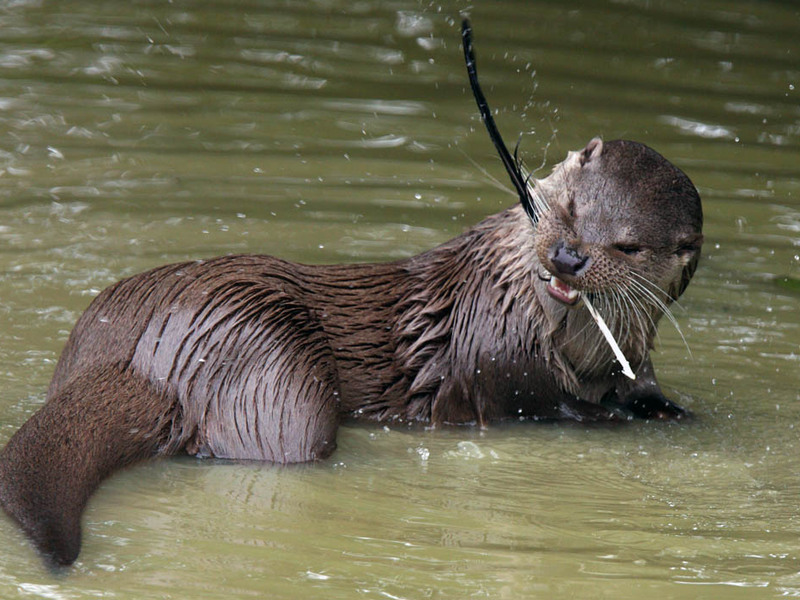
 Humans have known the river otter for quite some time. It was hard not to notice this animal, a natural swimmer. The otter is of interest not only for its practical and durable fur. It is a very friendly creature that can be kept in captivity without any problems. With proper training, the river otter is quite easy to train, as it is a fairly peaceful animal that is not prone to aggression toward humans.
Content
Characteristic
Because the river otter spends most of its life in water, this was reflected in her behavior and habits.
- This animal belongs to the mustelid family, so it demonstrates the cunning hunting skills typical of its representatives.
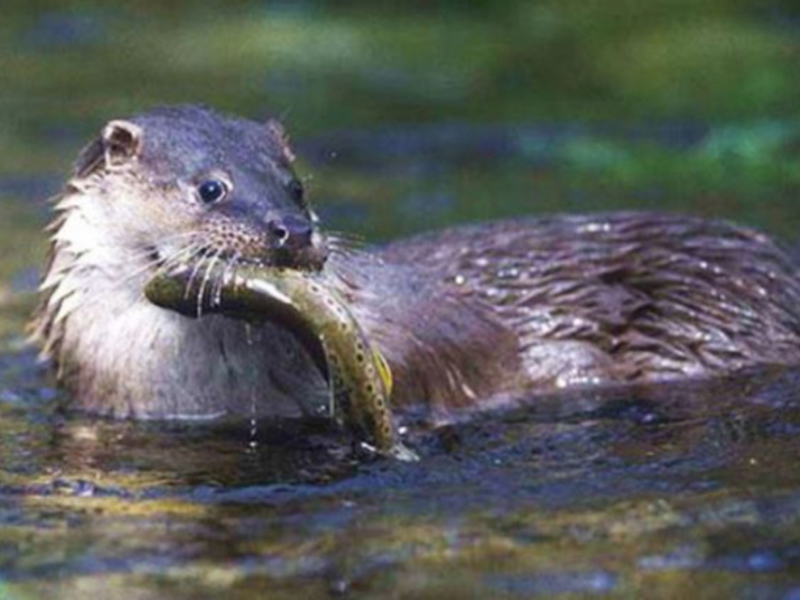
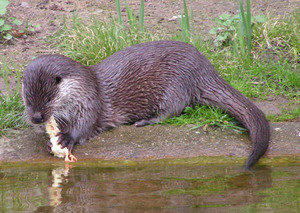
- The food of this animal is fish, which the otter does not have much difficulty catching.
- When moving on land, the animal's body appears slightly hunched, but even this allows it to develop high running speed.
- If a person meets an otter on the ground, it will still be able to escape from him.
- The best place to set up a home is in a remote area rarely visited by humans. Even though food is scarce in the area, the otter is more than happy with this, as it ensures safety not only for itself but also for its offspring.
- This animal usually goes hunting at dusk in the morning and evening. During strong winds and snowfalls, the otter prefers to remain indoors and stays in its shelter for long periods.
- The otter is a very secretive and cautious animal, constantly looking around. It's very rare to encounter an otter in an open area on the shore. It also demonstrates stealth when making its home, camouflaging its exit from the water with spruce branches or creating one in areas overgrown with bushes.
- The river otter is a rather good-natured animal that loves to play. So, if you decide to bring one into your home, you won't be bored.
Appearance
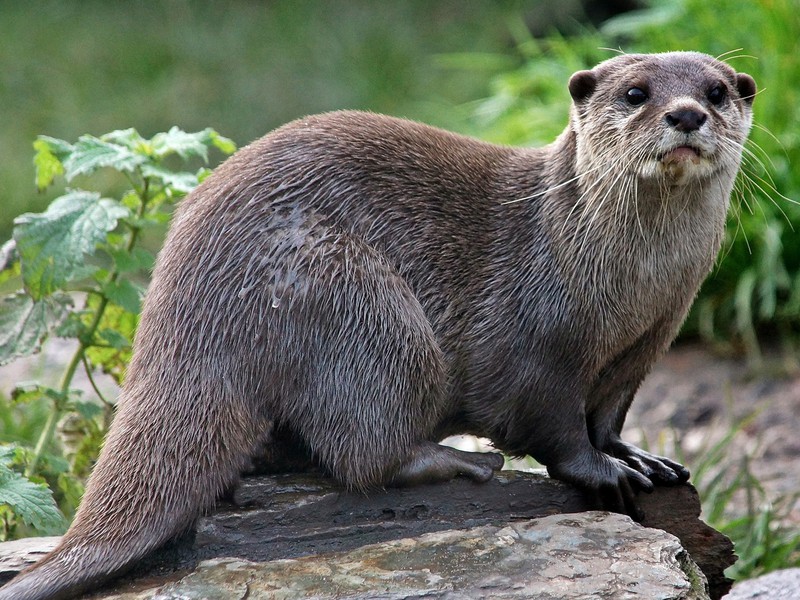
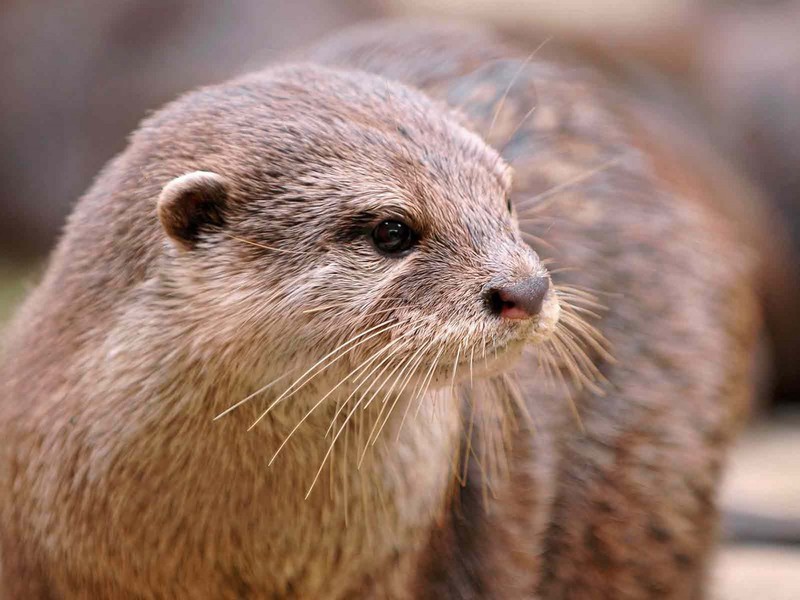
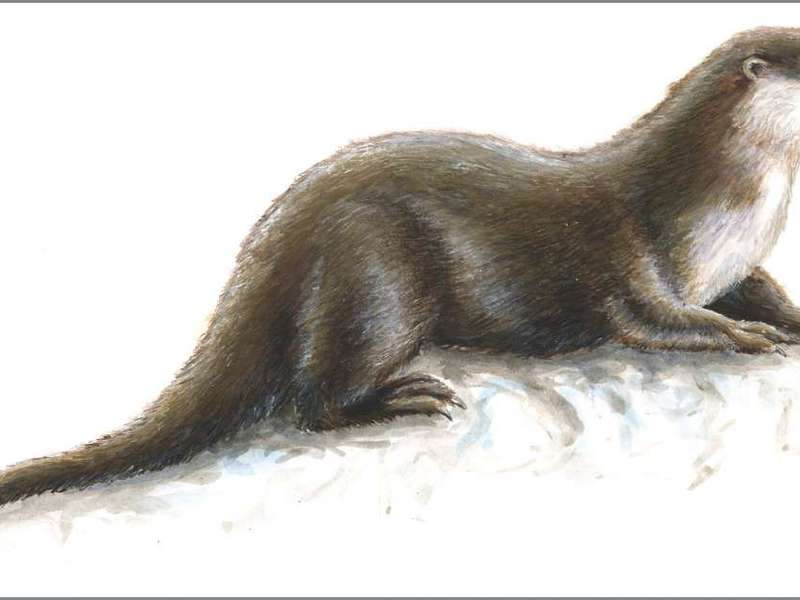
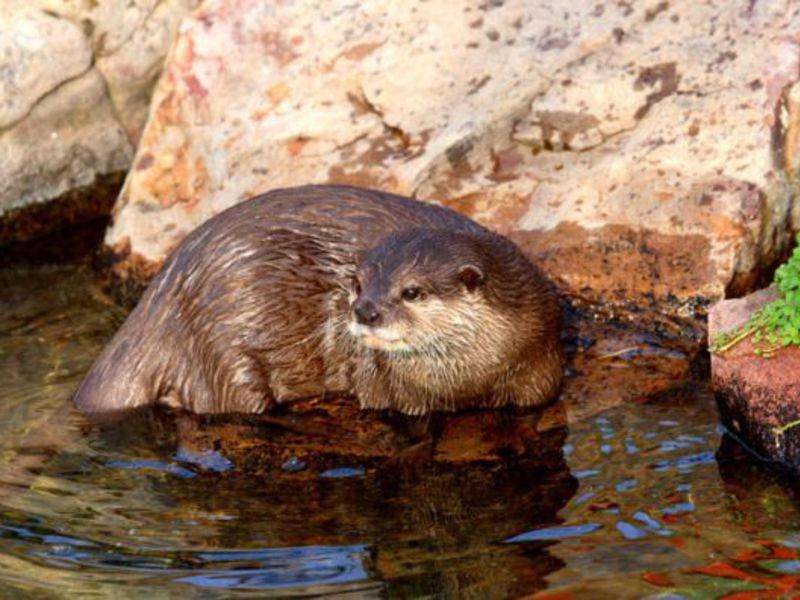
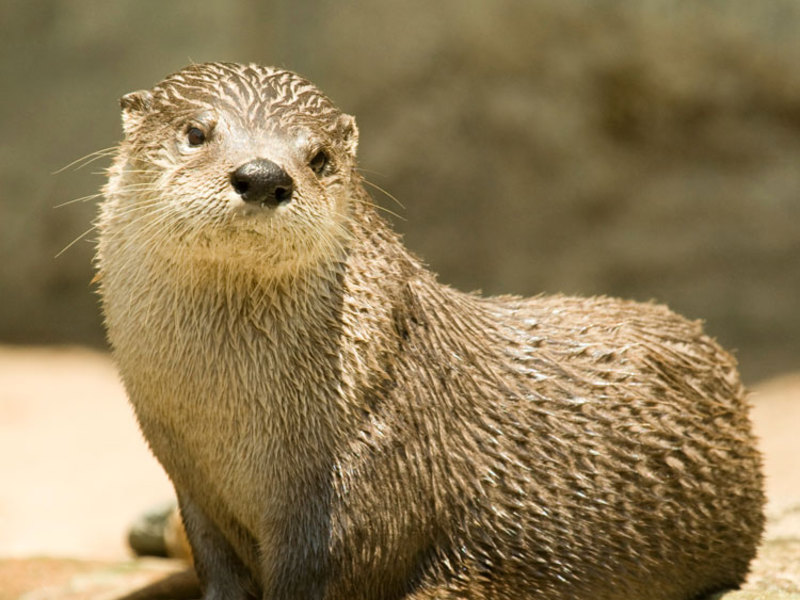
When someone mentions an otter, we usually associate it with something unpleasant. However, this little animal doesn't fit that image. looks quite attractive, having a very funny face, which looks beautiful thanks to long sideburns.
 The top of the head is flat and lacks the rounded ears found in all members of the mustelid family. However, even without these, the otter is quite a beautiful animal.
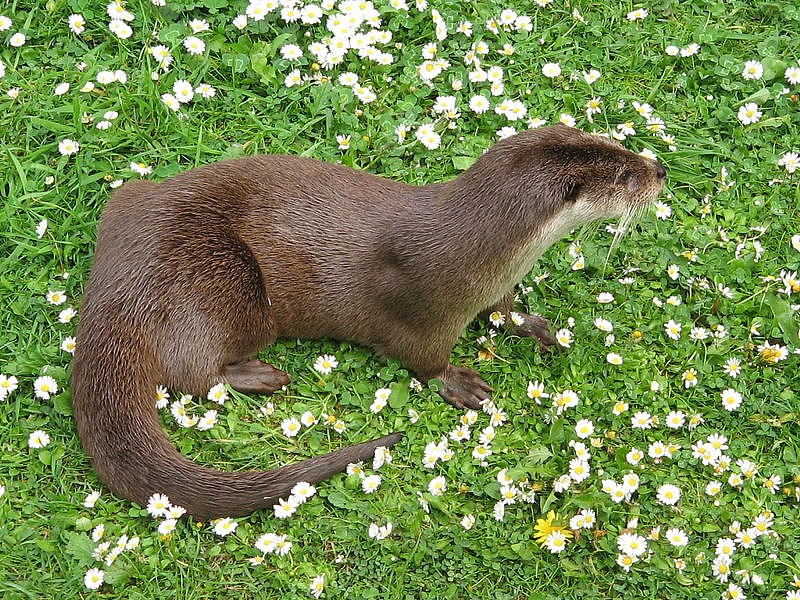
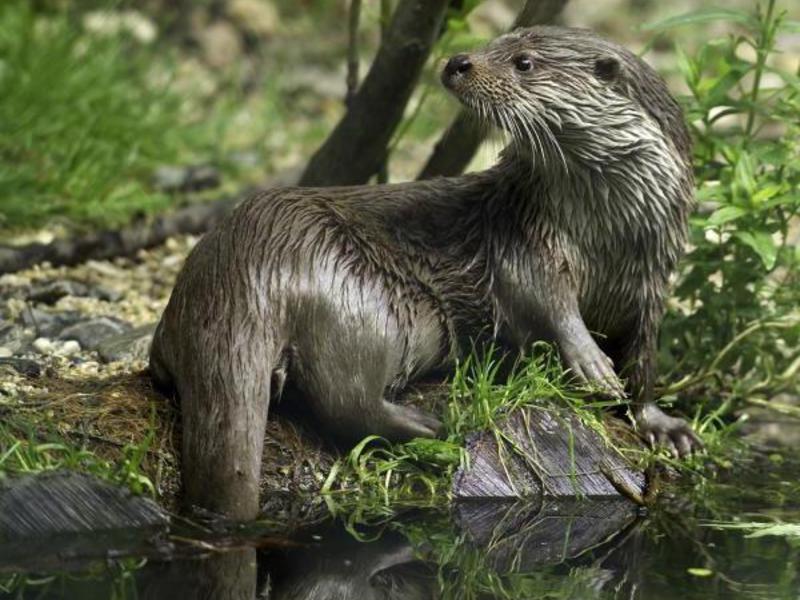
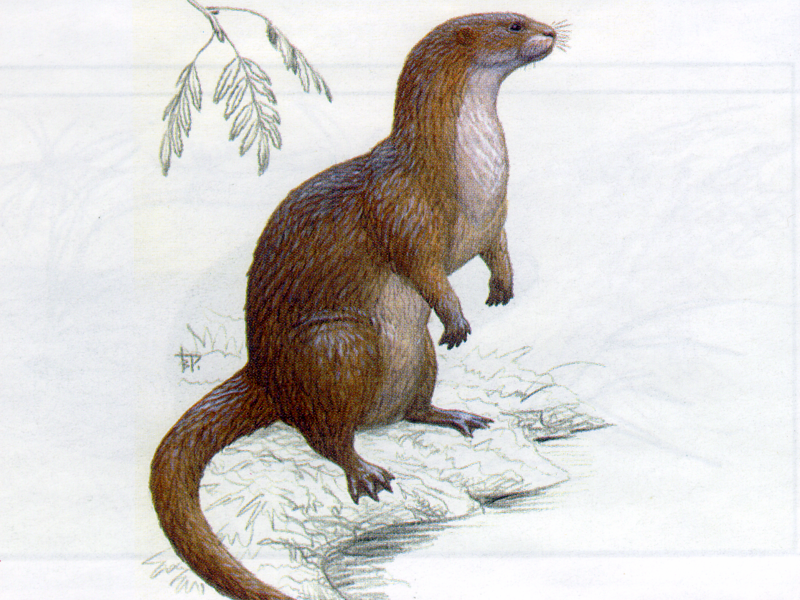
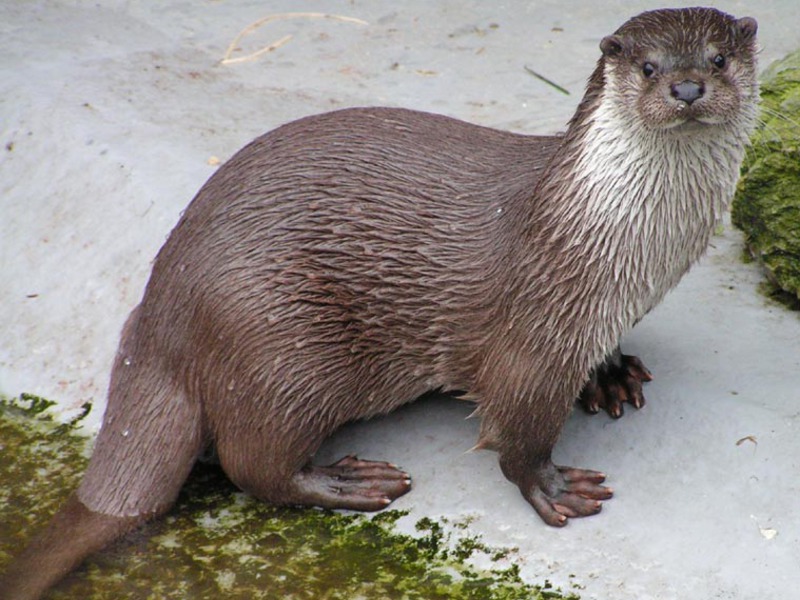
- The otter's body structure makes it ideal for swimming. Its body is streamlined, smooth, elongated, and compact, tapering to a flat tail. Thanks to these characteristics, the otter can reach high speeds in the water.
- The animal has short front legs, which allows it to swim well.
- The animal's fur consists of thick guard hairs that lie close to the body. The surface of the guard hairs is constantly coated with oils from glands in the skin. This keeps the animal's coat from getting wet. The otter's belly has thicker hair than its back and sides.
- It is quite easy to distinguish a male from a female due to their size: males are usually larger than females.
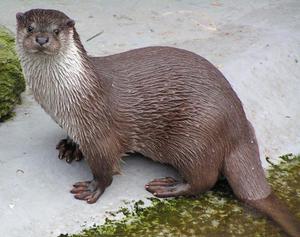 The top of the head is flat and lacks the rounded ears found in all members of the mustelid family. However, even without these, the otter is quite a beautiful animal.
This is an animal highly prized for its durable and waterproof fur, which is an excellent material for making warm and beautiful fur coats.
Habitat
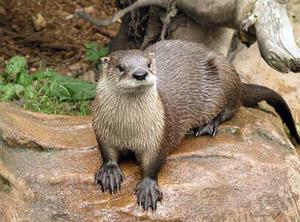 The otter can be found throughout Western Europe and Asia. It is also a common visitor near the southern borders of Hindustan and China. The first specimens of this species were discovered in Greece, Spain, Great Britain, and Switzerland, but their populations quickly disappeared due to intensive hunting. Recognizing the high risk of otter extinction, conservationists are attempting to create suitable habitats for them in lakes and ponds in these countries. However, so far, their efforts have met with limited success, and the otter remains listed as endangered.
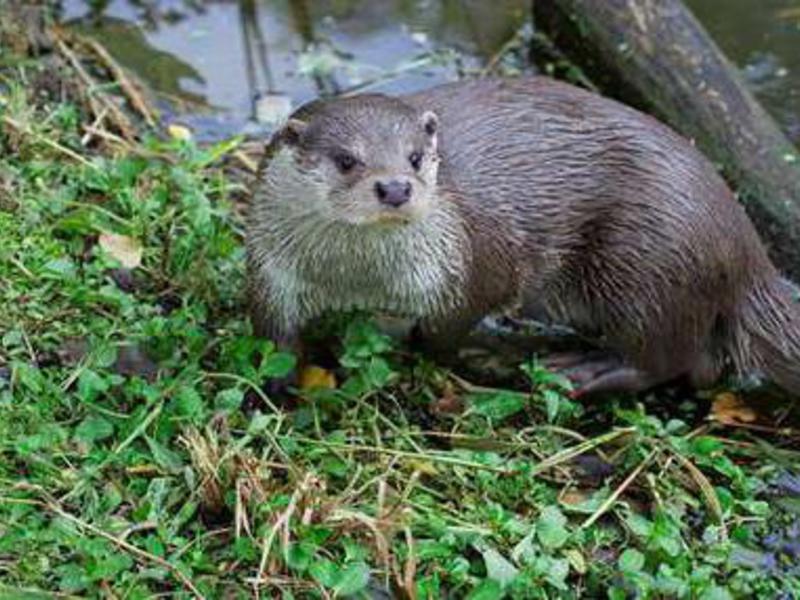
This animal feels most comfortable in rivers with fast currents and rocky bottoms. loves narrow rivers of about 10-15 m.
Today, the river otter population numbers approximately 90,000 individuals, which is very small given the size of our planet.
Key Features
The otter differs from other members of the mustelid family in that it spends most of its time in water. Therefore, it chooses habitats with a body of water. According to experts, an adequate supply of food is essential for this animal, which is why it can travel tens of kilometers on land. It is not inclined to remain in one place for long periods. Only sufficient food can keep it there.
The otter differs from other animals in that it and continues to be awake in winterTherefore, at this time of year, it can be seen near ice-free waters. Thanks to the presence of ice holes, this animal can resume its normal routine, breathe, and walk on dry land after a successful hunt.
Nutrition
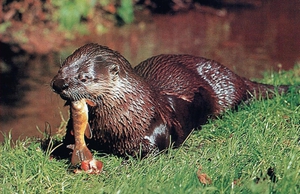 This animal is not picky about food and can feed on various types of fish. The otter's primary food sources are:
- carp;
- trout;
- pike;
- small roach;
- crucian carp.
When the otter is on land, it hunts rodents, marsh birds and frogsShe also won't refuse a large beetle or mollusk.
In search of food, this animal may also visit a fish hole, where a variety of fish species can be found. Slow-moving schools of fish are easy prey for the otter, which it easily overtakes and, once in the thick of the flock, seizes the largest specimens.
Otters can also be attracted to solitary predatory fish: to catch them, the otter sets up an ambush and launches a lightning-fast attack, leaving the prey with no chance to escape. It also uses a similar tactic when hunting small rodents.
Reproduction
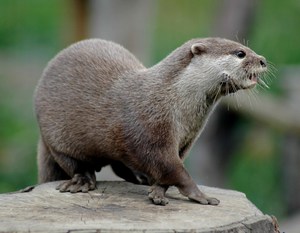 Little animals used to living aloneScientists don't have precise information about the periods when they typically mate. The climate of their habitat must be taken into account. In temperate climates, these animals typically mate in March-April. However, in Britain and other warmer climates, these animals can produce offspring year-round.
Otters typically begin breeding at the age of 2-3 years. Gestation lasts approximately 8 months, which prevents the species from maintaining high populations. A female can give birth to a litter at one time. no more than two to four cubsDuring the first years, the offspring require special attention, as they must be protected not only from enemies but also from the vagaries of the weather.
A mother otter demonstrates remarkable care during pregnancy: she's ready to attack anyone if she suspects harm is being directed at her cubs. Due to their rapid growth, the cubs only stay with their mother for a short time. Once they reach one year of age, they leave their mother and begin their own lives.
Maintenance and breeding
If you're considering getting an otter, we advise against it. However, if you're determined, you can give it a try. Just keep in mind that you must provide the right conditions for this animal: a deep, clean pond is essential. You should also provide ample space for the animal to walk along the shore.
Unlike other domestic animals, otters stools very frequently and with loose stools, which emits an unpleasant odor. This is because it feeds on fish. This is another reason to consider whether it's a good idea to keep an otter as a pet.
These animals are bred on an industrial scale in large breeding facilities, where conditions are virtually indistinguishable from natural ones. But even with proper care, even experienced breeders are unable to provide fur products to everyone. The problem is that these animals rarely produce offspring.
They are prized primarily for their expensive and rare fur. Many experts note that the fur of this animal is unrivaled in terms of wear resistance. Black fur products are the most striking. They have coarse guard hairs, but they also have very soft and fluffy undercoatIf necessary, designers can create true masterpieces from otter fur: to do this, they pluck the guard hairs, resulting in items of extraordinary beauty covered with the softest underfur.
Conclusion
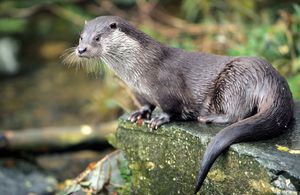 The river otter is a fascinating animal, very difficult to spot, even if you know its habits. It's very secretive and never lives near human habitations. At the first suspicion of being observed, it will immediately retreat to its hiding place. Therefore, it's essential to watch it with extreme caution. Some people may find the river otter a funny little creature, so it might be tempting to keep one as a pet. However, this is not recommended, as it's a very difficult undertaking.
In addition to the fact that you will have to create conditions for it that are as close to natural as possible, this animal can cause trouble with its frequent bowel movements, which will emit an unpleasant odor. Therefore, if you still have the desire to keep a river otter as a pet, be prepared to accept this drawback.