As children, we all read books about dinosaurs and dreamed of seeing a world that existed millions of years ago. Is it really possible to encounter creatures our own age in modern life? It turns out that "living fossils" millions of years old live right alongside us.
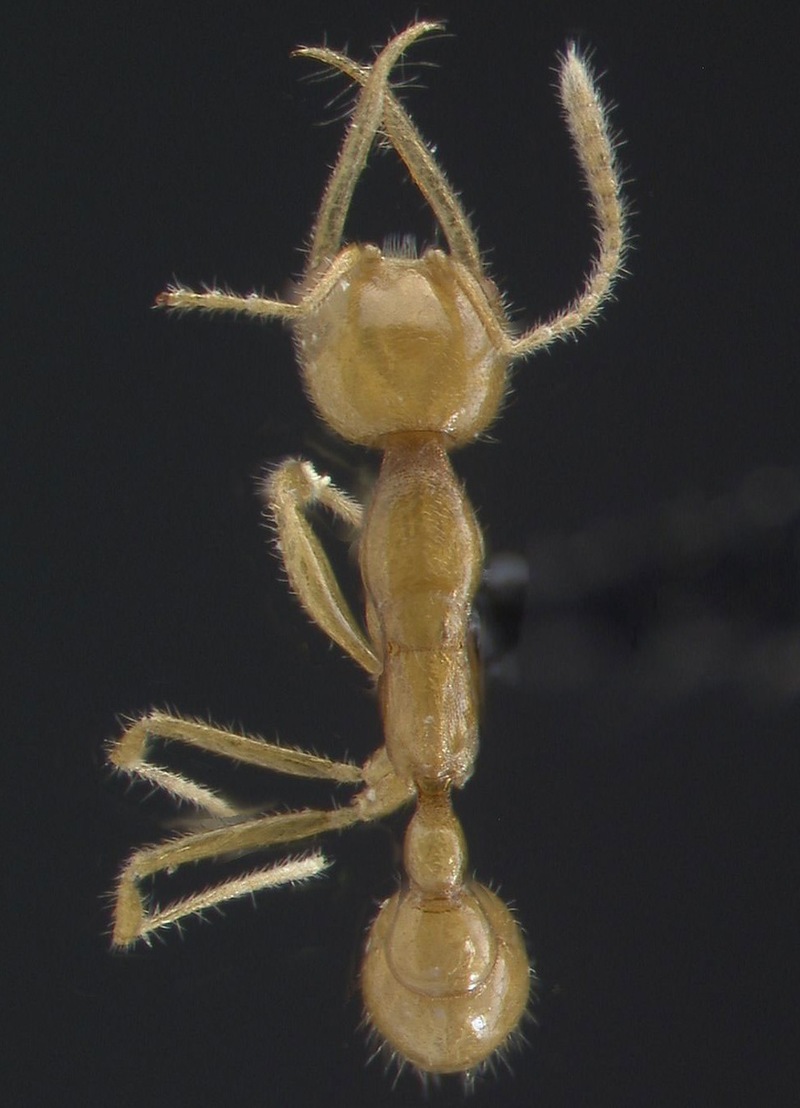
Ant - 120 million years
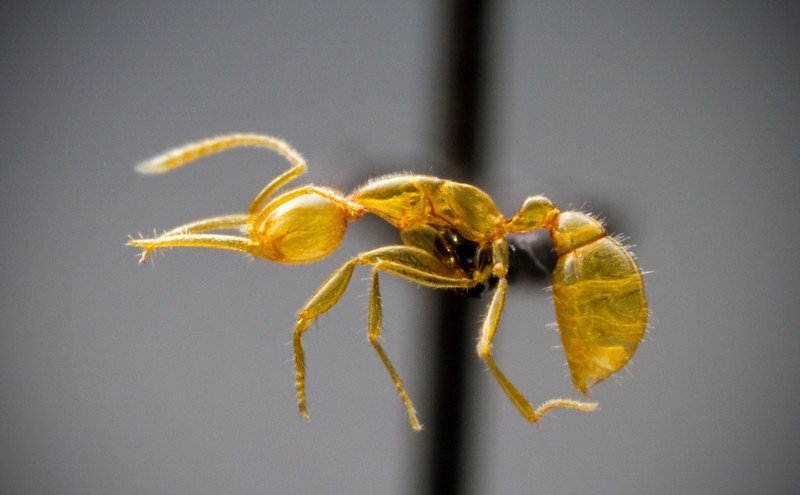
The species' name translates as "Ant from Mars." This hard worker spends its entire life underground. It uses its own geolocation system for orientation, and it has no eyes.
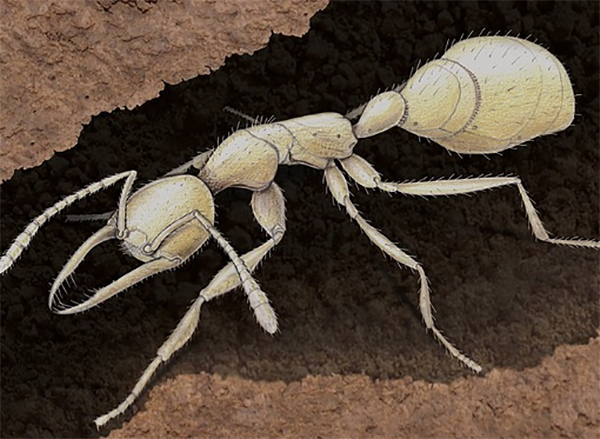
Scientists find the same species of proto-ants in fossilized resin that is 120 million years old.
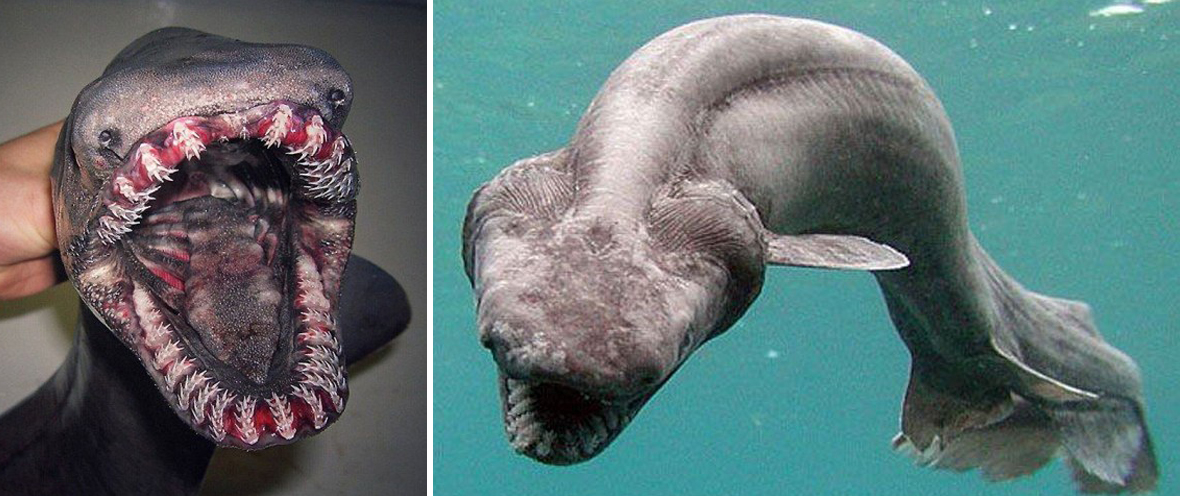
Frilled shark – 150 million years old
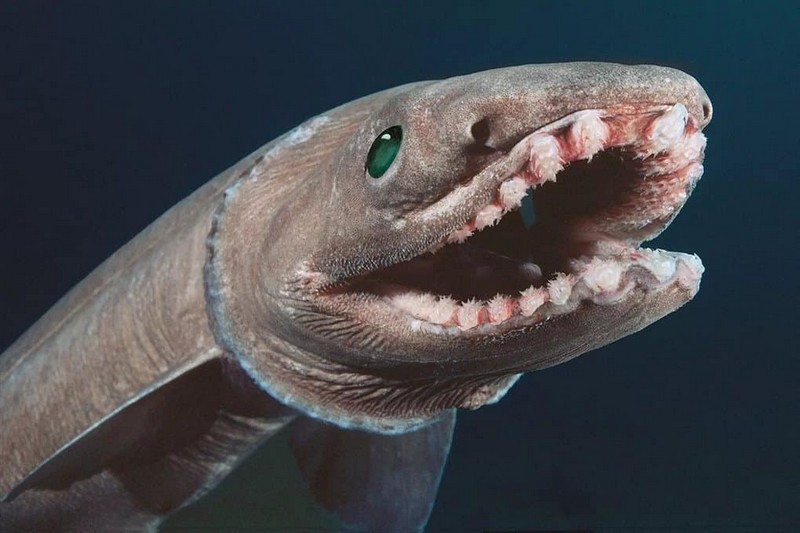
A relict species native to the Cretaceous period, it lives at depths of 1.5 km in cold waters. These sharks have been around for about 150 million years and look more like an eel than the sharks we are familiar with.
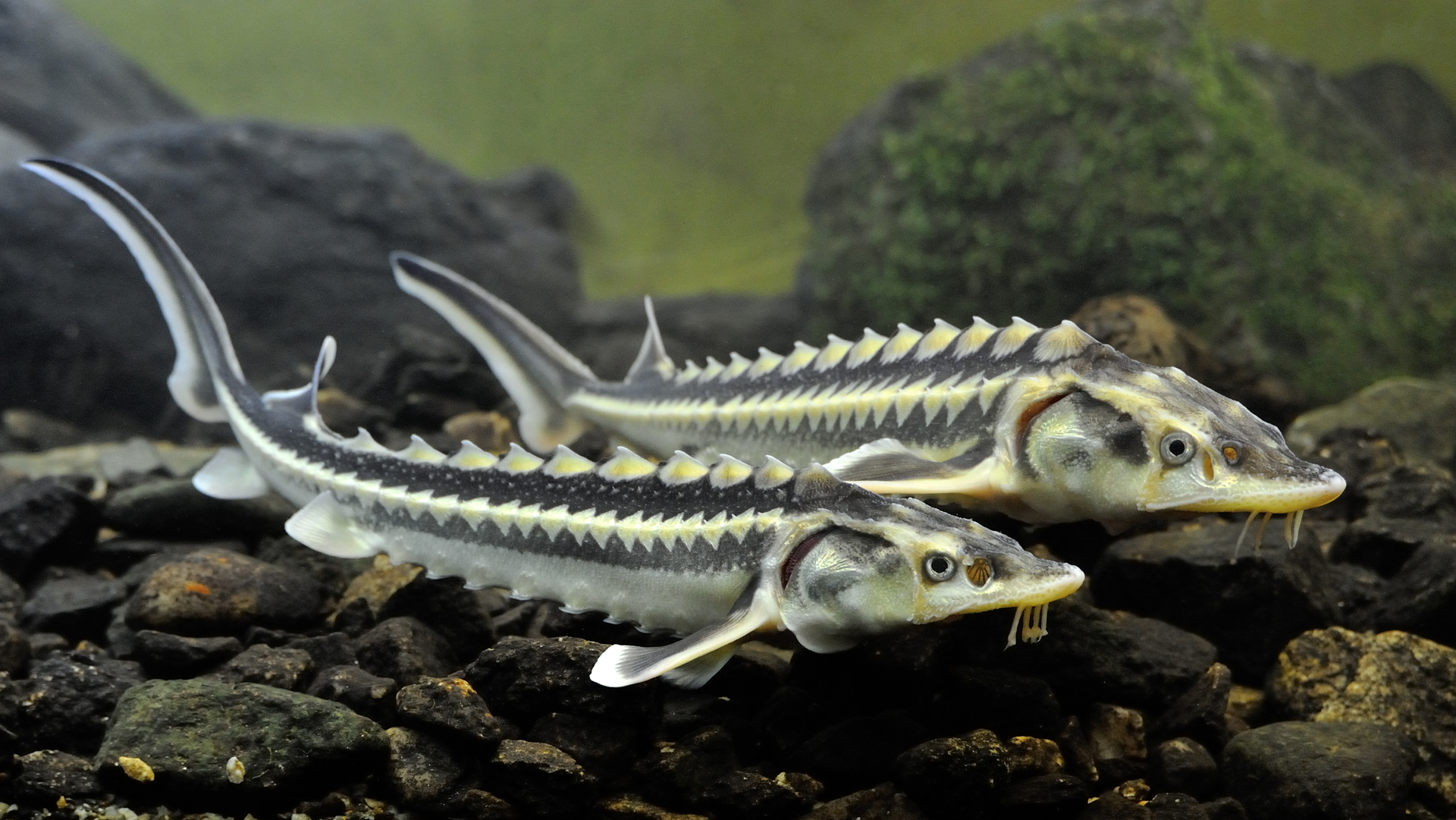
Sturgeon - 200 million years
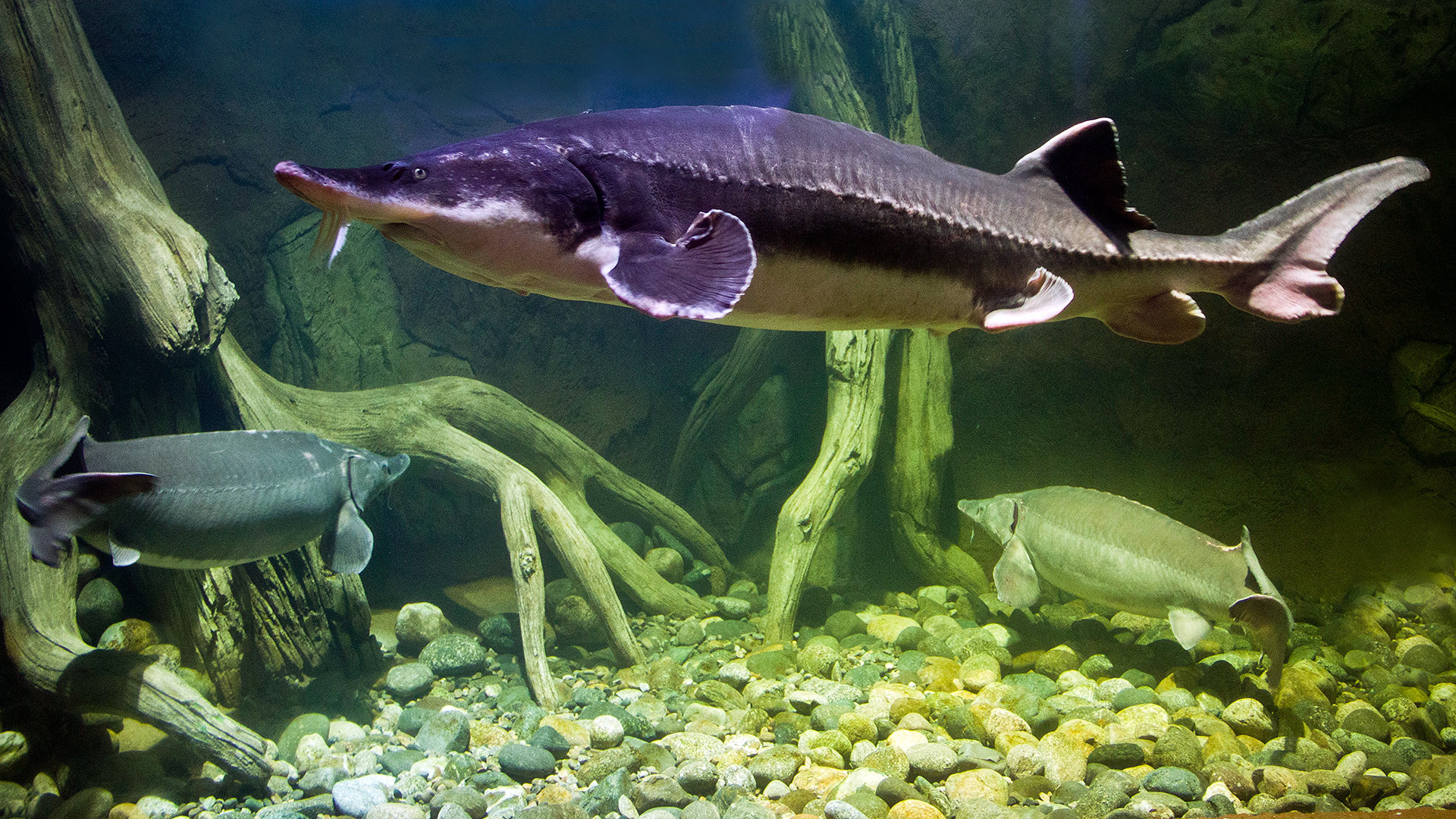
Today, it's a fish whose catch must be strictly limited to prevent extinction. But few people know that this species has existed for 200 million years.
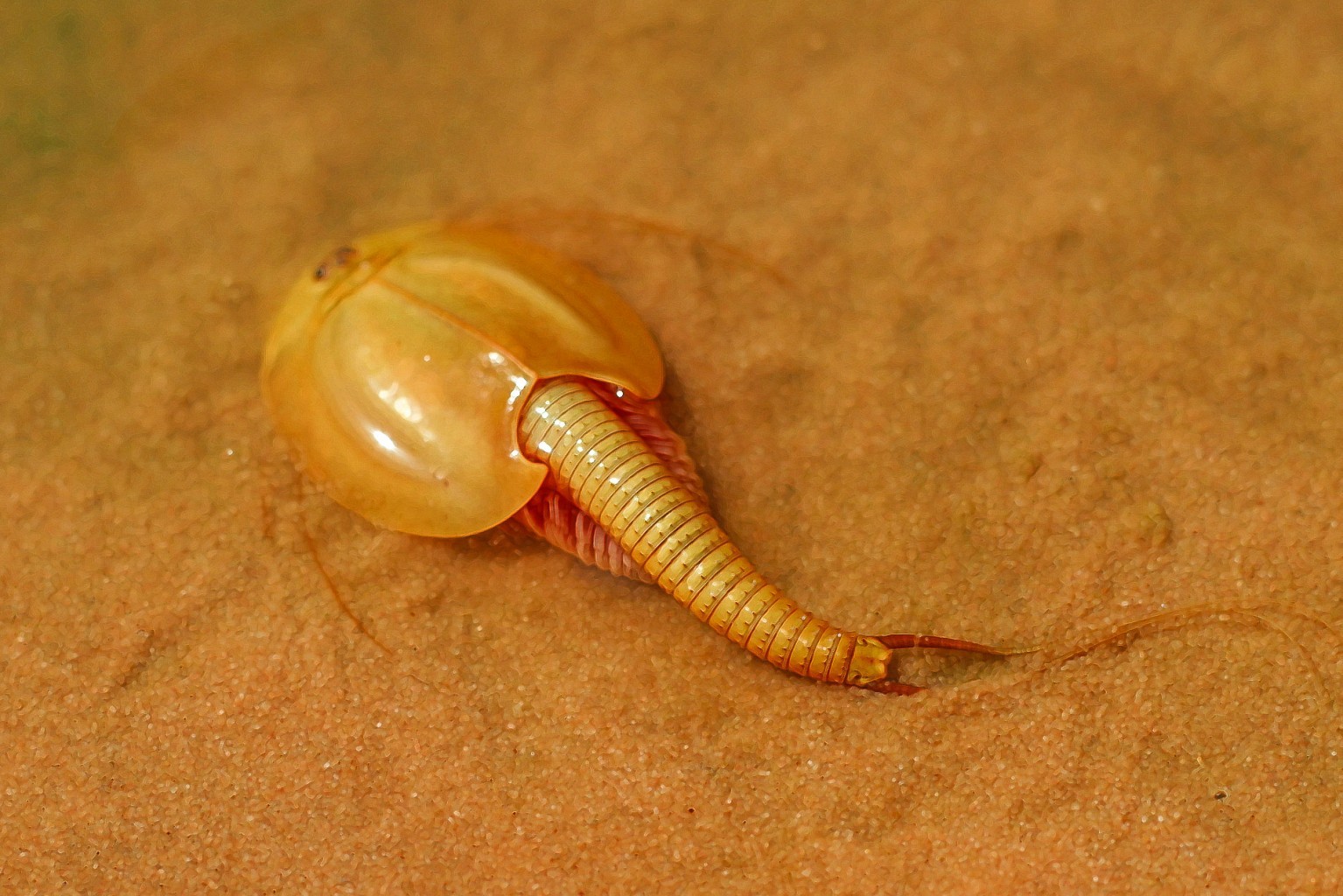
Shchiten - 220 million years old
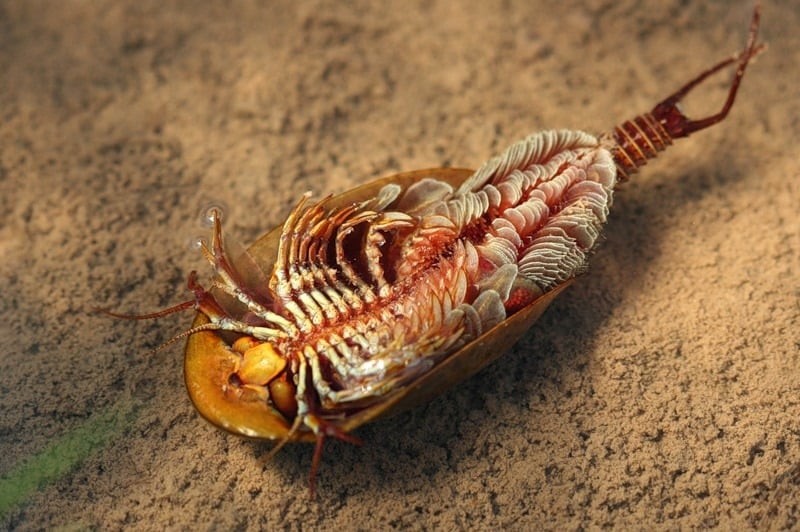
The oldest inhabitant of freshwater bodies is a strange creature with three eyes, the third of which serves as a geolocator for spatial orientation.
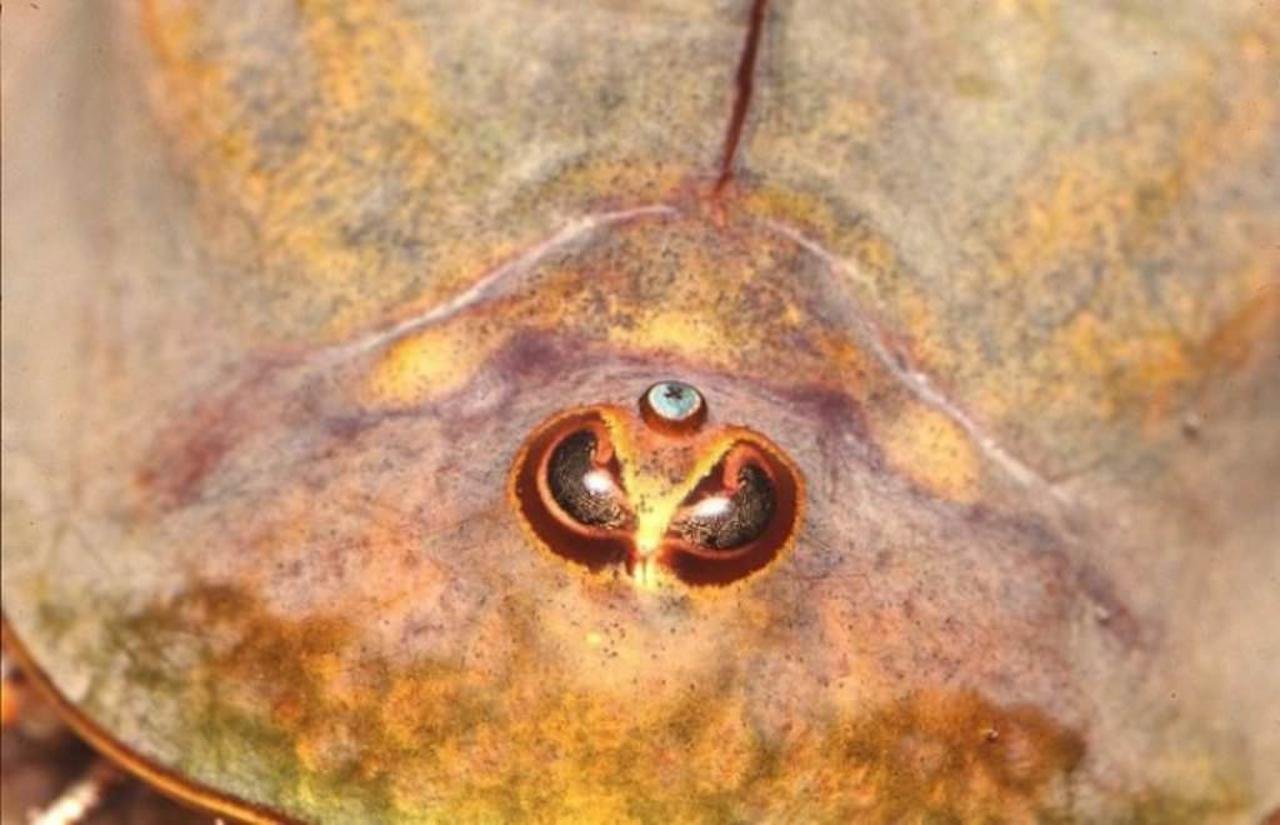
They appeared around 220 million years ago and have remained virtually unchanged since then, only becoming smaller in size. The largest reached 11 cm in length, while the smallest were only 2 cm. They are now on the brink of extinction.
Lamprey - 360 million years
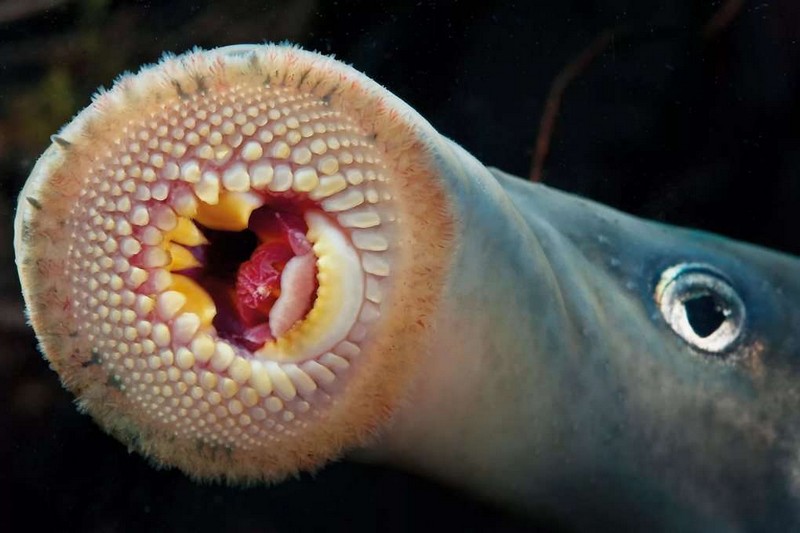
Unusual and frightening, this parasitic, eel-like fish has a mouth literally studded with sharp teeth, including teeth that cover its throat, tongue, and lips.
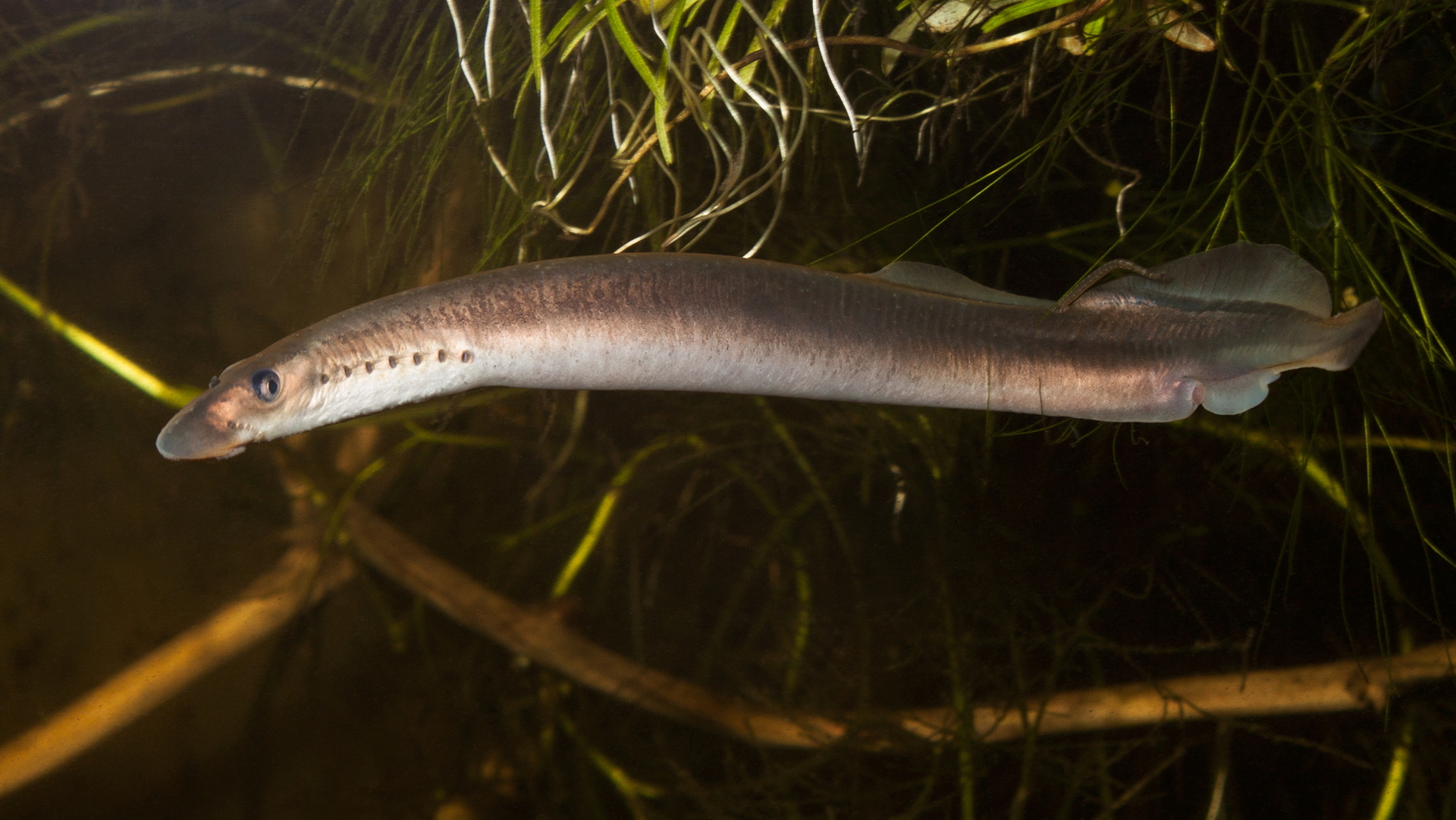
It appeared on Earth in the Paleozoic era and learned to live in both salt and fresh water.
Coelacanth – 400 million years old
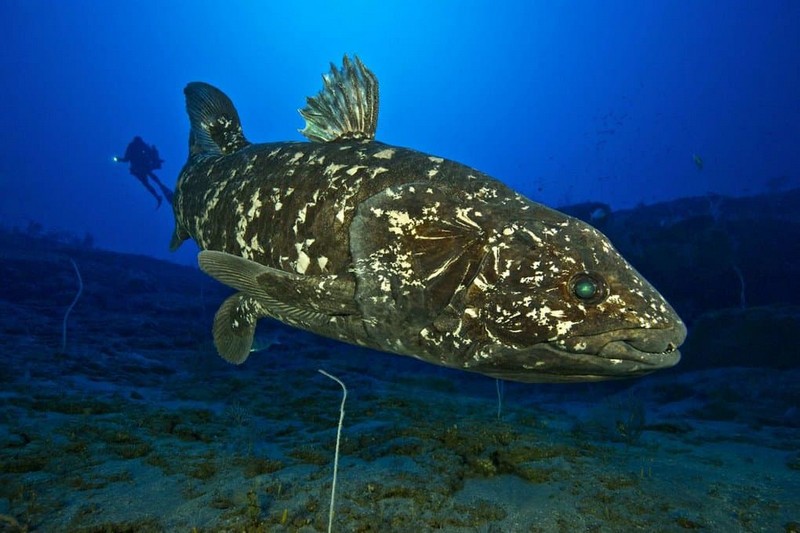
It was long considered extinct until a living specimen was found in 1938, and another one was discovered 60 years later.
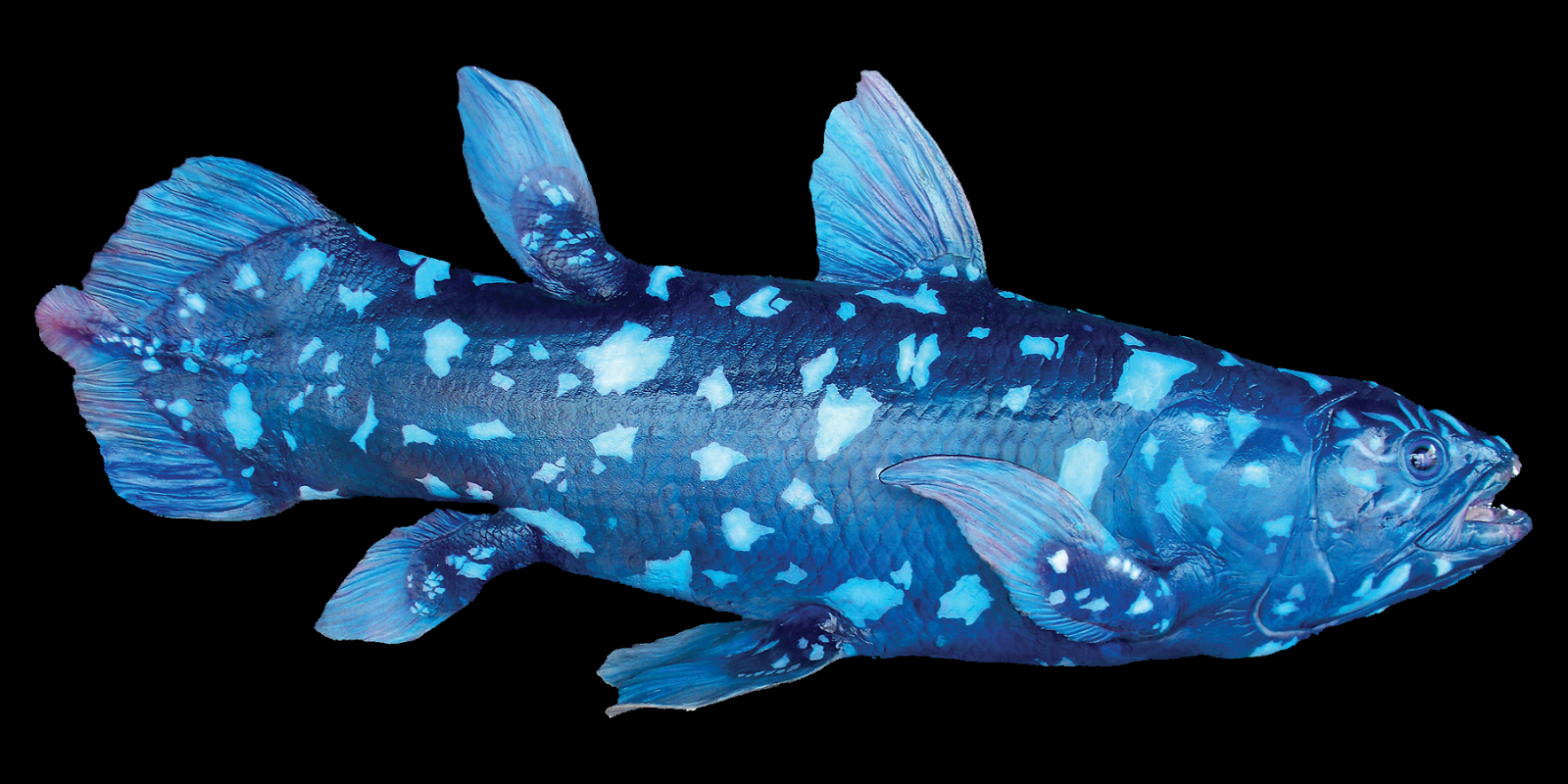
It lives off the coasts of Indonesia and Africa. It is extremely rare and currently on the verge of extinction.
Horseshoe crab – 445 million years old
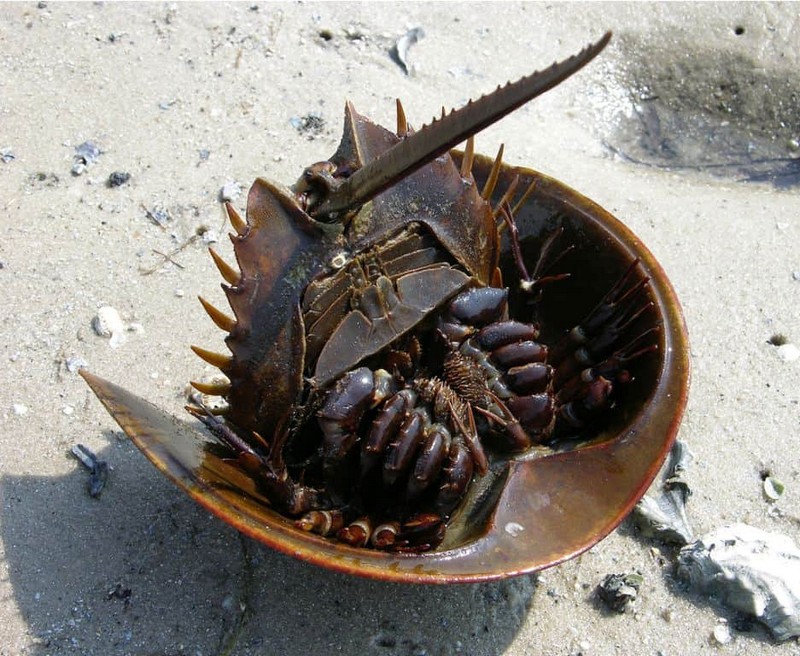
This species has remained virtually unchanged throughout its long existence. The first fossilized horseshoe crab was discovered in Canada in 2008.
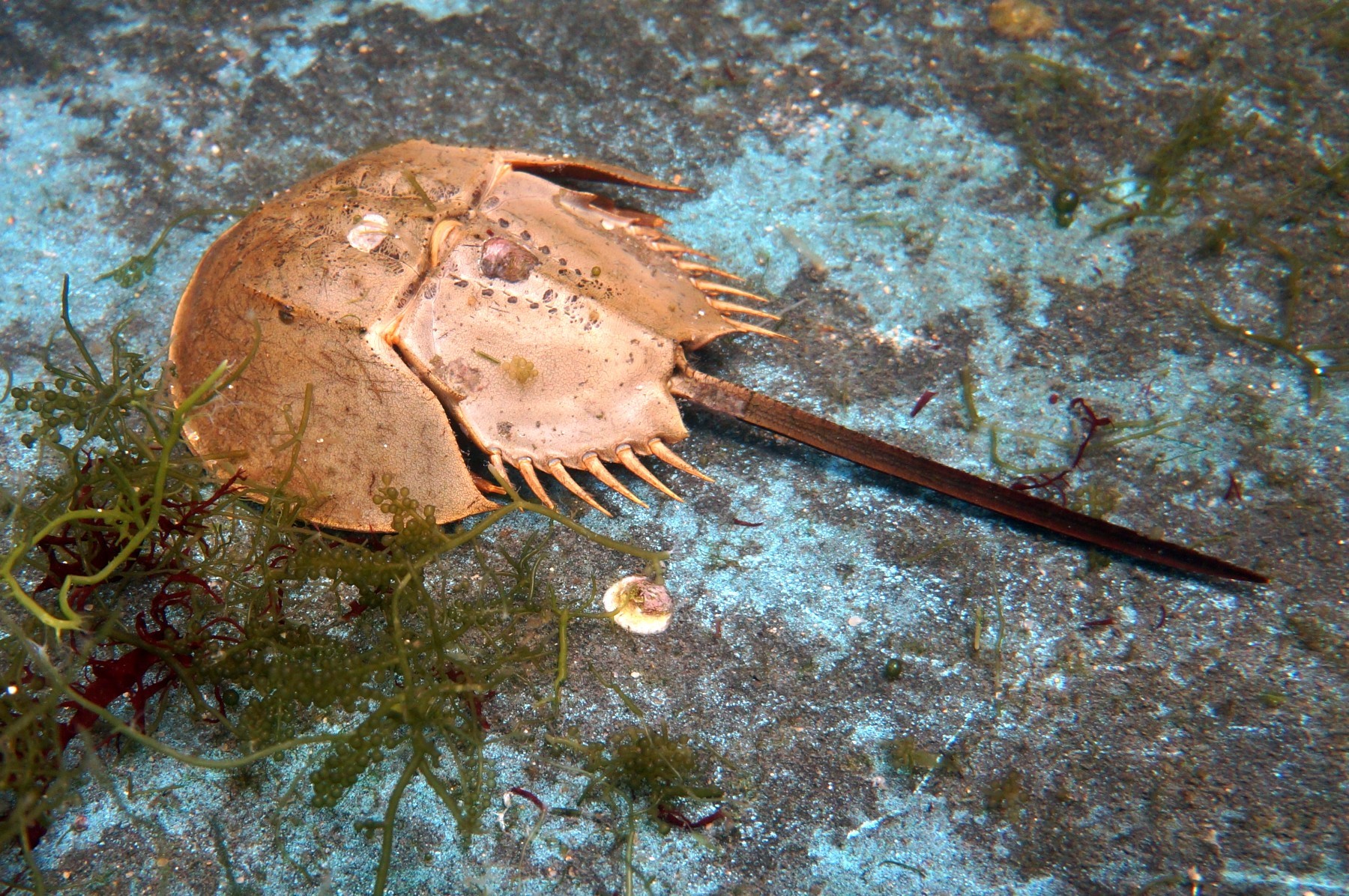
This creature has an amazing feature: its blood has a blue tint due to the very high copper content in its body.
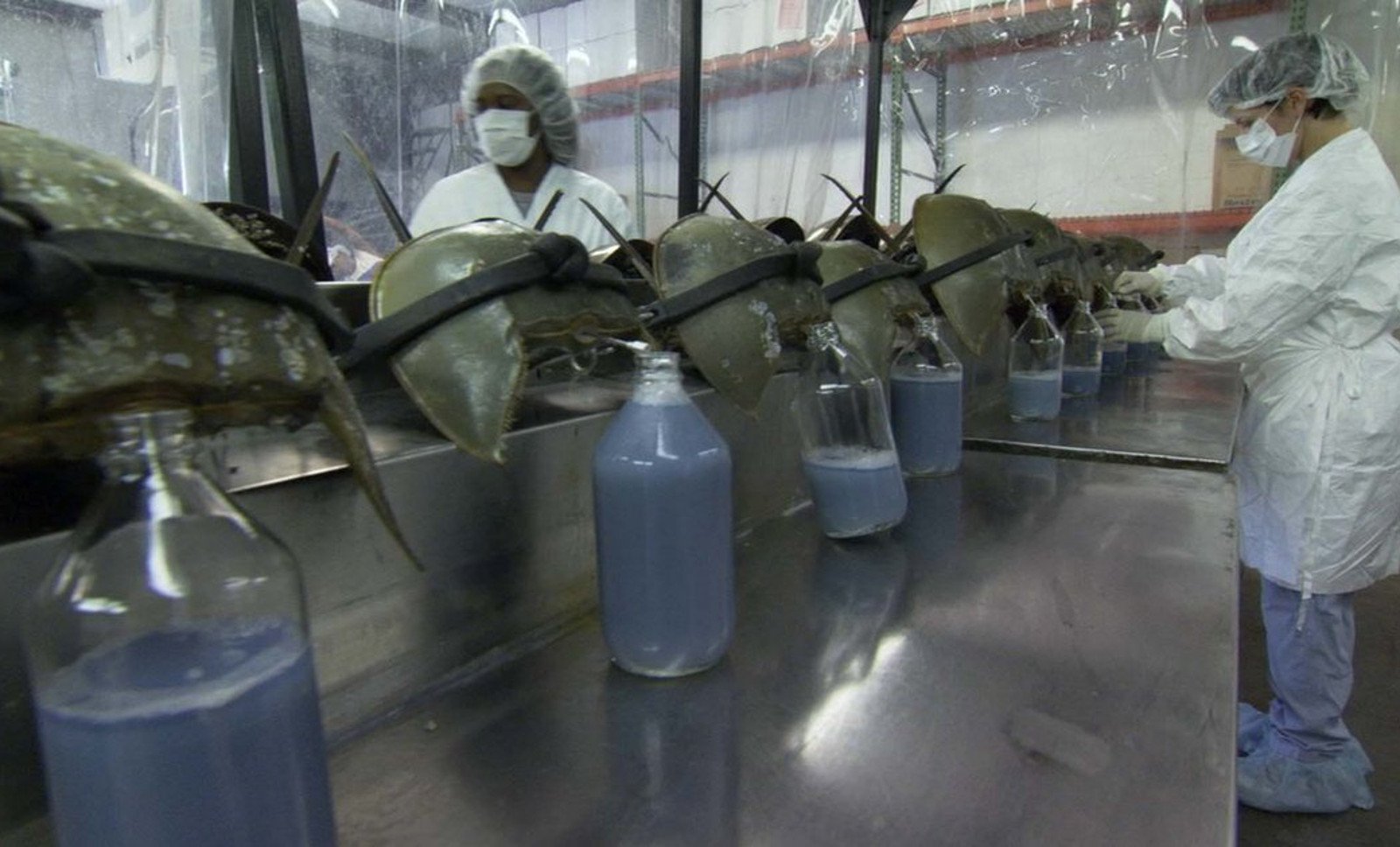
When bacteria enter this blood, it forms protective clots; pharmacists now use it as a reagent for medicines.
Nautilus - 500 million years old
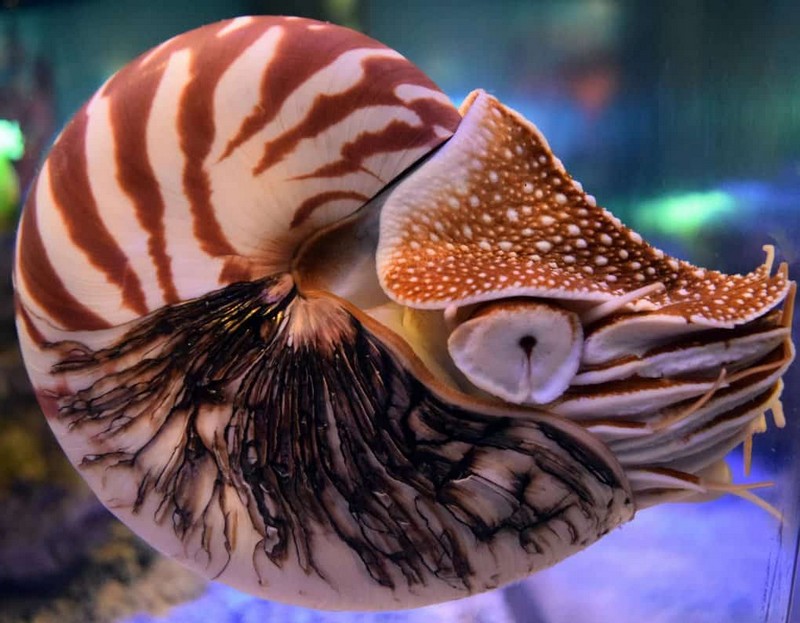
This beautifully carapace cuttlefish has existed for half a billion years and is now on the brink of extinction.
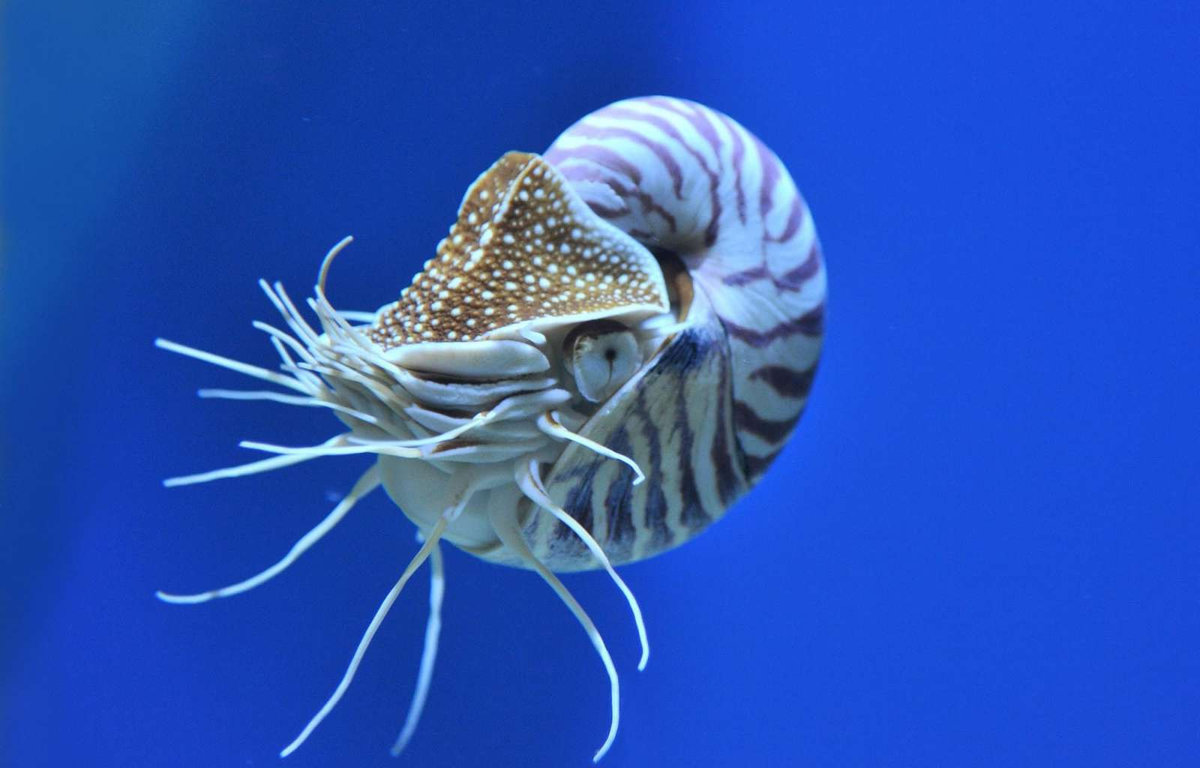
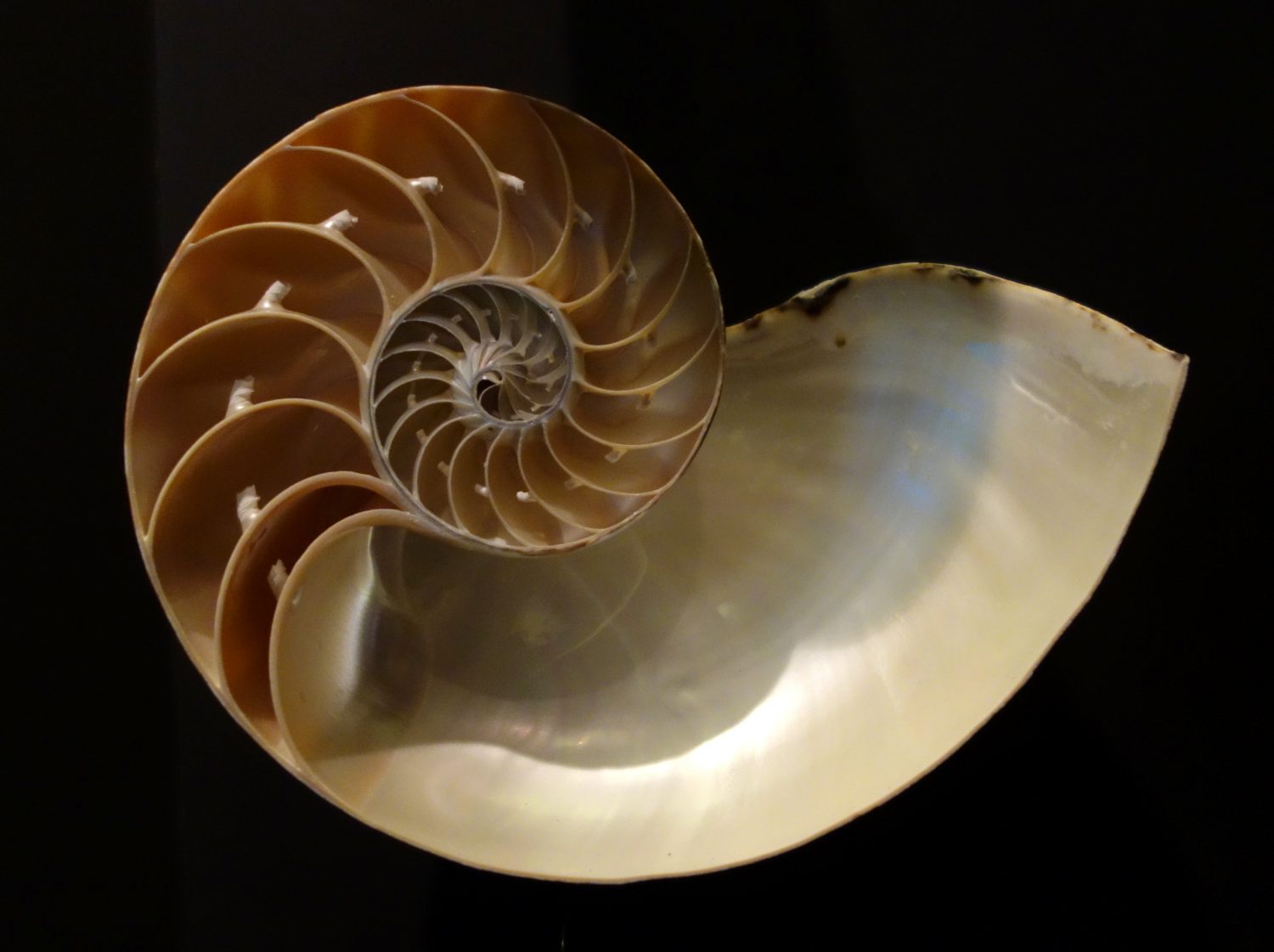
Its shell has an interesting structure: it is divided into several chambers, the main one—the largest of which—is where the cephalopod itself lives, while the others store biogas, which allows it to float like a float in the water column.
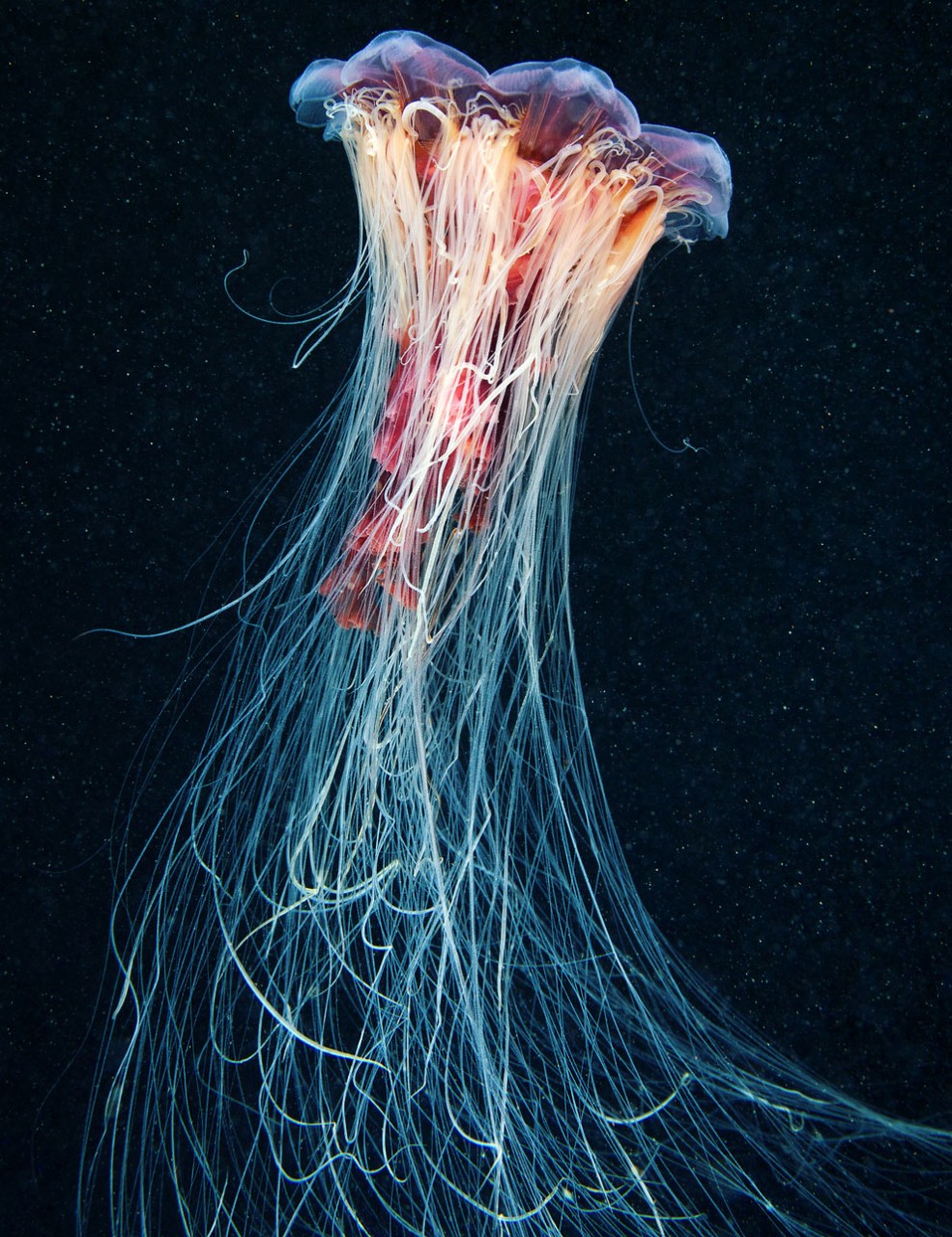
Jellyfish - 505 million years old
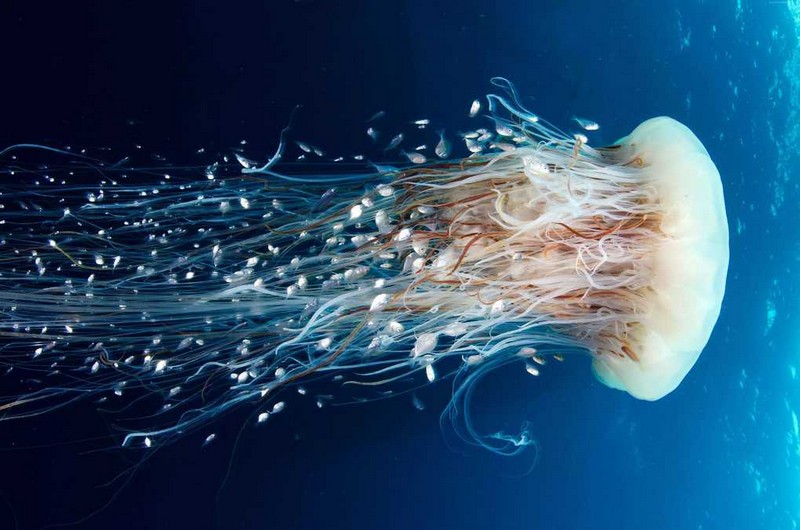
Ancient, thoughtful to the smallest detail, very complex creatures.
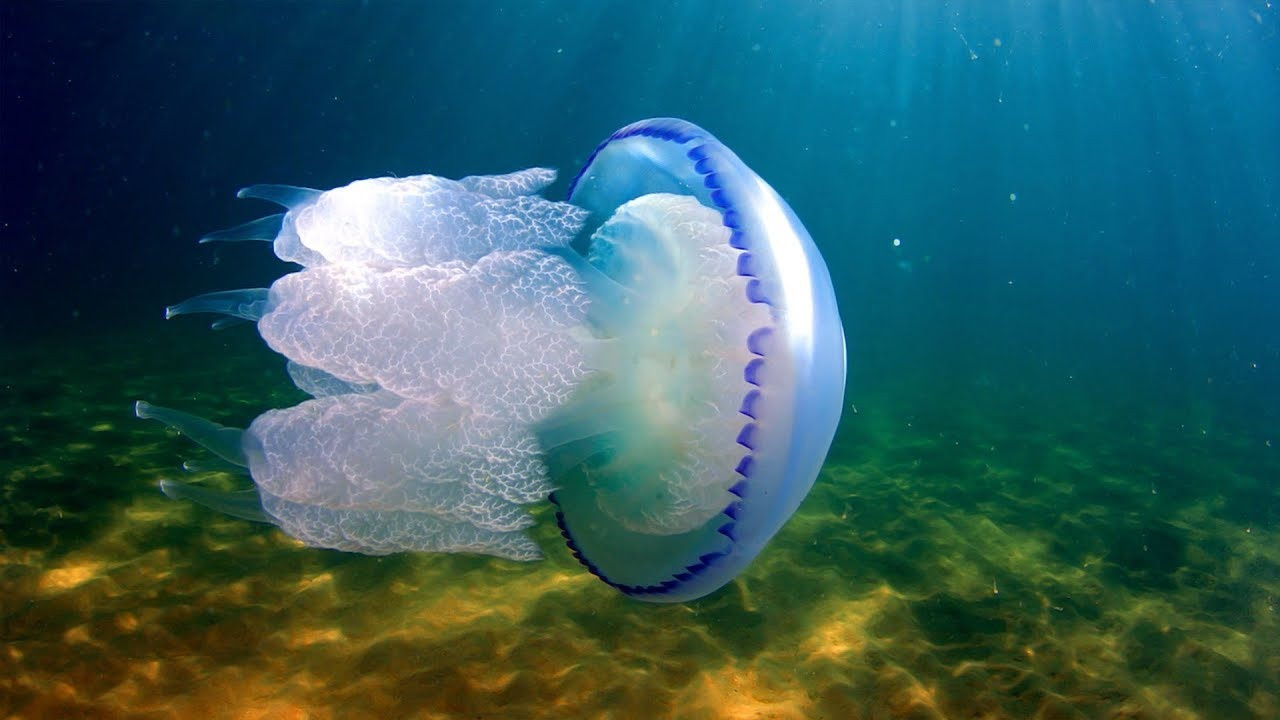
The largest jellyfish ever caught had a dome diameter of 230 cm.
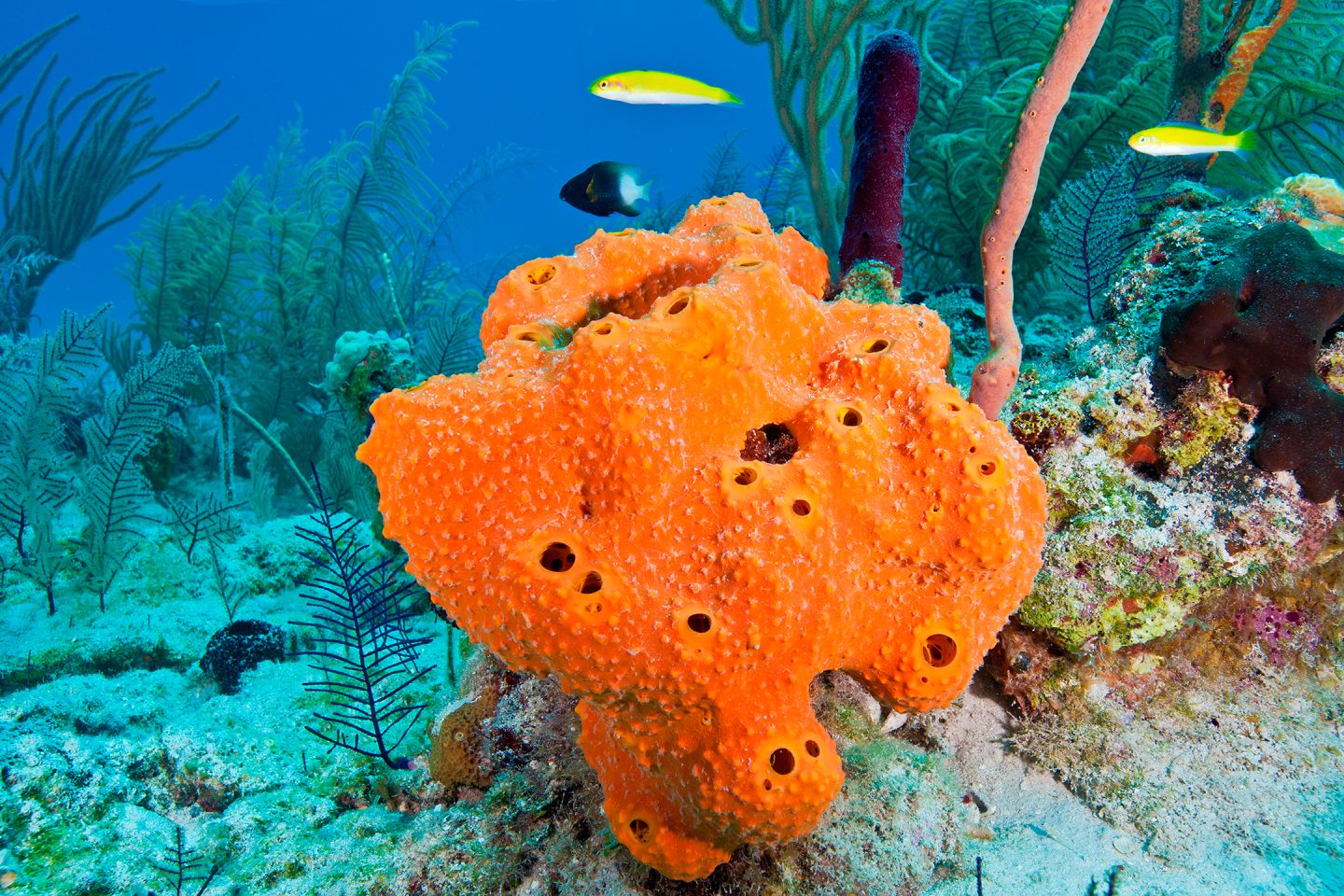
Sponge - 760 million years
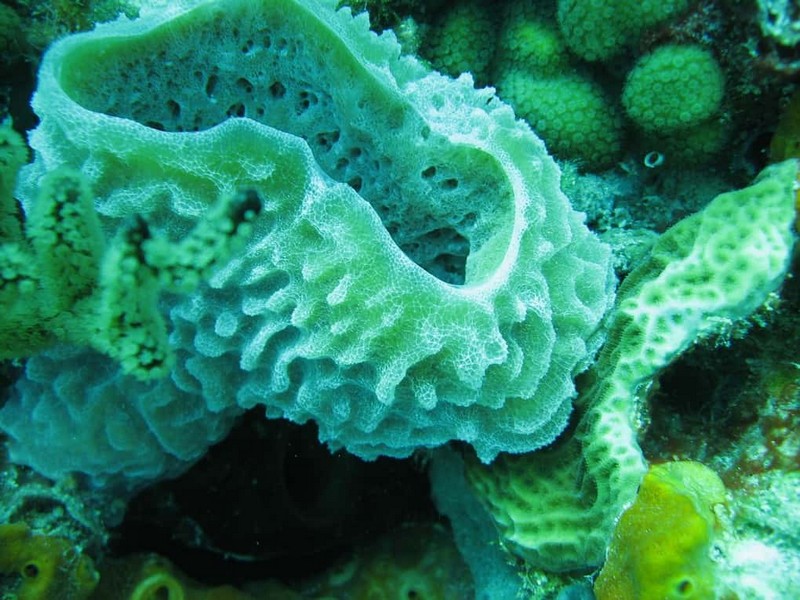
The record holder for the longest existence of a species is the oldest animal on the planet.
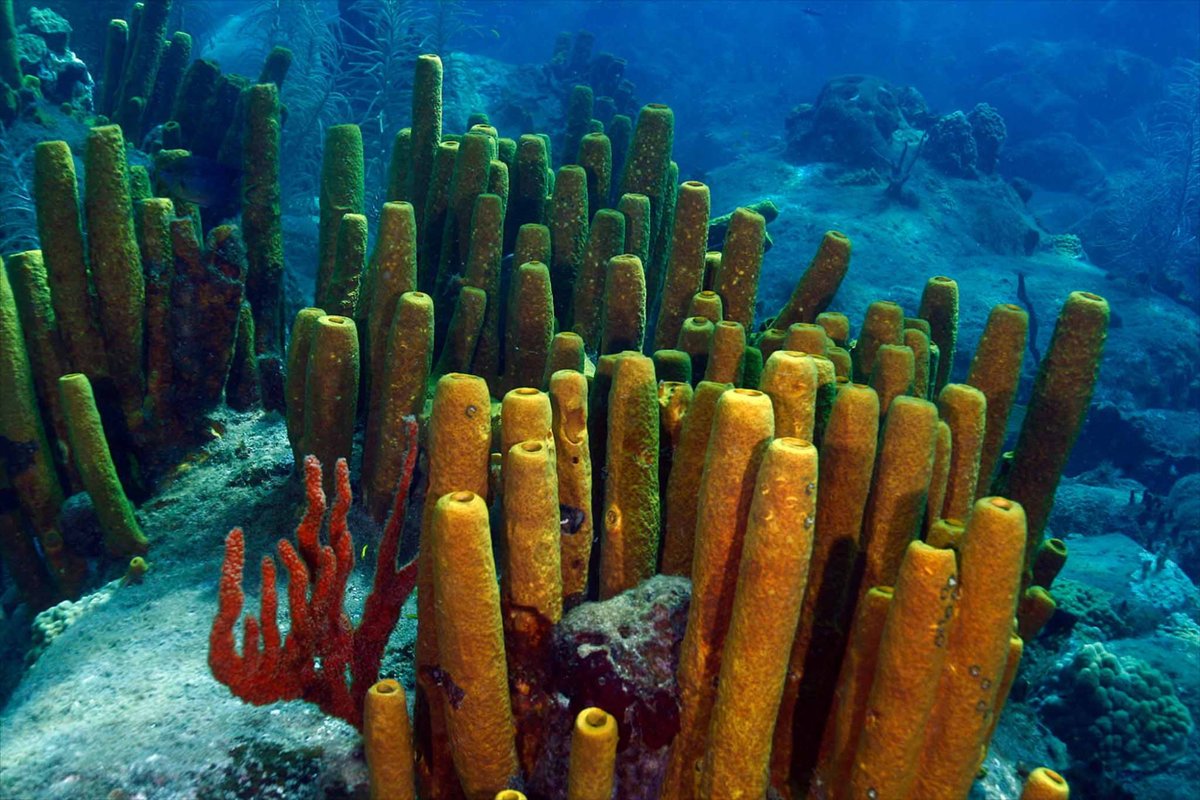
The exact time of sponge appearance on the planet has not been reliably established; the oldest specimens date back 760 million years.
Before dreaming of reviving mammoths from preserved genetic material, perhaps it's worth taking a closer look at the world around us? Many ancient creatures live alongside us on this planet to this day. It would be a great shame if human activity led to the extinction of these ancient representatives.