Everyone has dogs and cats, but aren't you comfortable with the usual pets? Looking for an exotic, unusual companion? Some wild breeds can adapt well to apartment life, but there are certain considerations to keep in mind.
Sable
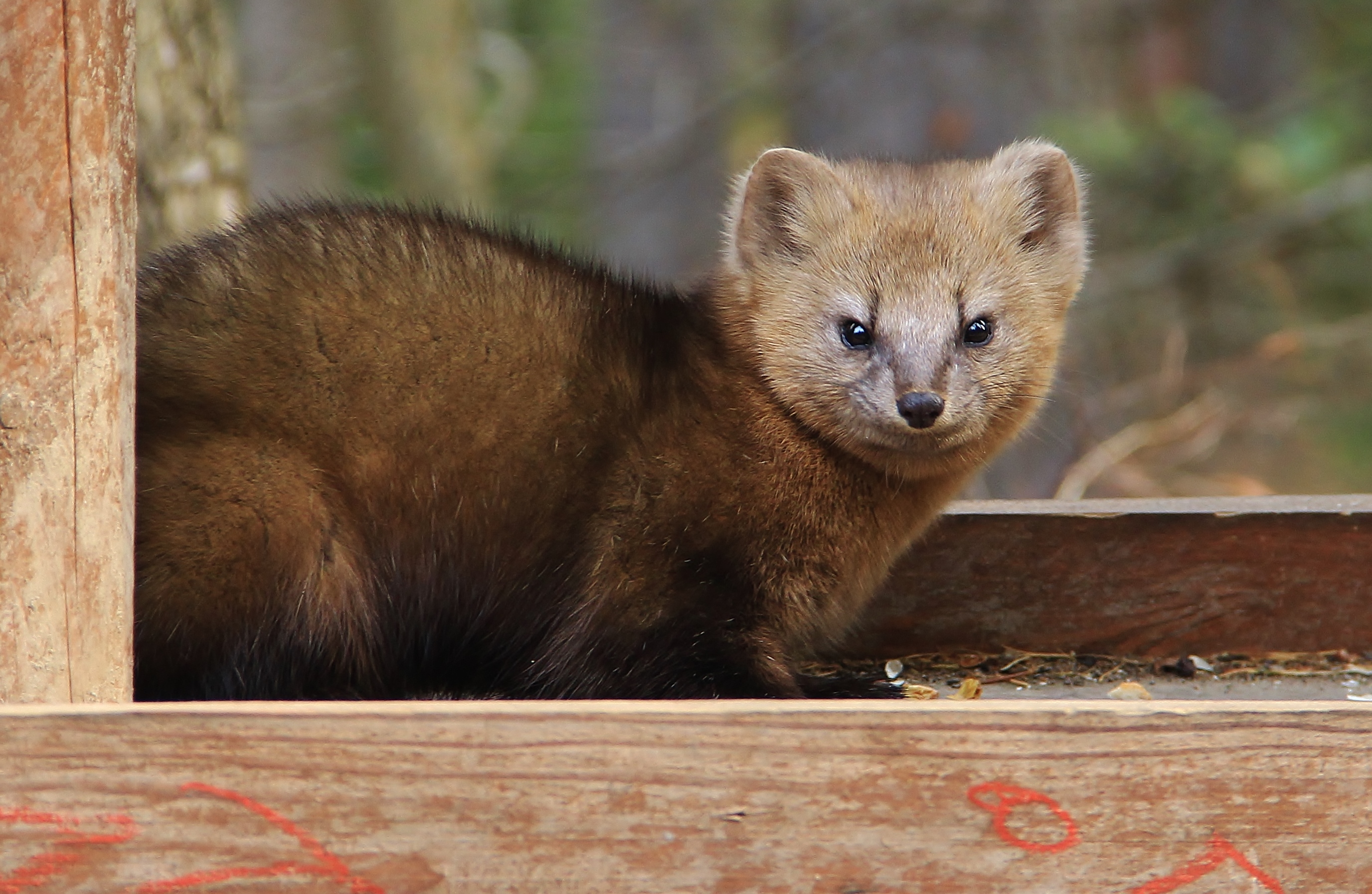
Silky fur, a sweet face, and intelligent beady eyes—these are just the outward attributes that draw people to sables. Furthermore, these small animals are truly loving, adapt quickly to indoor living, and exhibit absolutely adequate behavior.
This active animal vitally needs space. Ideally, a loggia would be ideal for its needs. In any case, the sable's enclosure should be spacious and have a secure lock, otherwise the clever animal will quickly master the art of opening the cage.
It can leap to any height and gracefully glide from there to any corner of the room. Therefore, it's best to securely hide all valuables and breakables. To prevent the sable from snooping on your valuables, provide it with plenty of toys. Balls, rubber dolls, and stuffed bears are all suitable—anything a small child would enjoy.
If you bring a 3-month-old sable into your home, you'll be able to watch with interest its active growth process. It will display extreme curiosity, paying attention to all visiting guests, searching your pockets, and even trying to get under your collar. If you live with a sable, you might occasionally find carefully stashed nuts and even pieces of meat in your pockets.
To keep a sable's diet as close to natural as possible, feed it day-old chicks, feeder rodents, nuts, fruits, vegetables, and berries. Rats and chicks can easily be replaced with chicken livers, hearts, legs, and necks. Sables can also be fed balanced dry cat food.
Owl
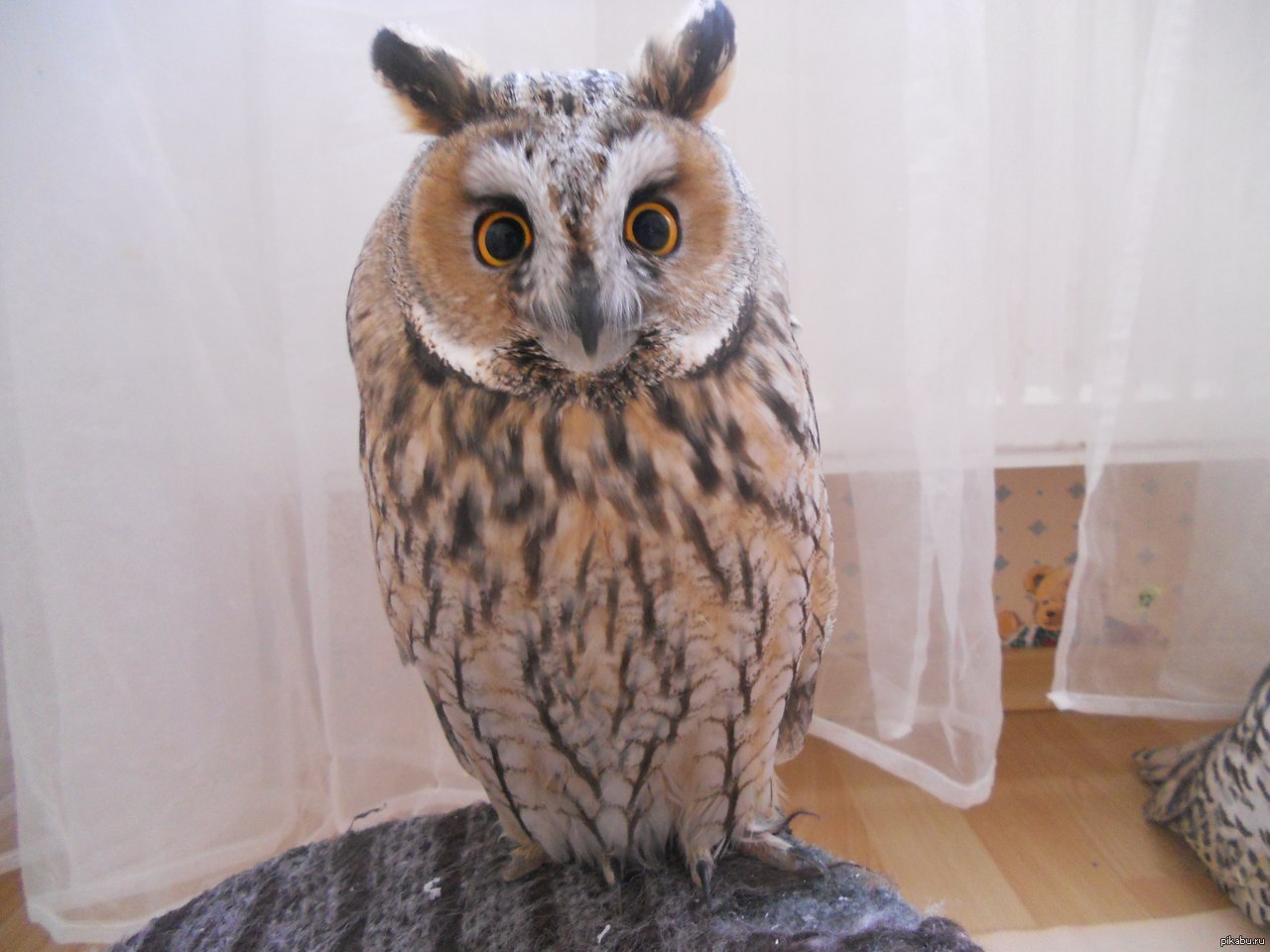
Want to feel like a wizard from the Harry Potter books? Get an owl at home. Just don't be fooled into thinking it will sit peacefully in its cage, listening to all your conversations with a wise expression.
The best species for captivity are the long-eared owl, the short-eared owl, the tawny owl, the scops owl, and the barn owl. Any bird requires ample space, so for its comfort, you may need to dedicate… an entire room! And make sure it's furnished in a way that prevents accidental injury or danger. Scops owls and owls, although small in size, also won't settle for anything less than a spacious aviary. Domestic owls love to bathe, so it's a good idea to provide a large, stable basin for their bathing.
Owls are true predators, and you'll need rodents, chickens, fish, and insects to feed them. Don't expect to tame this bird and earn its affection—it can suddenly become aggressive at any moment. Also, be prepared for every surface in your home to be decorated with fine and deep scratches from your feathered pet's claws.
Hedgehog
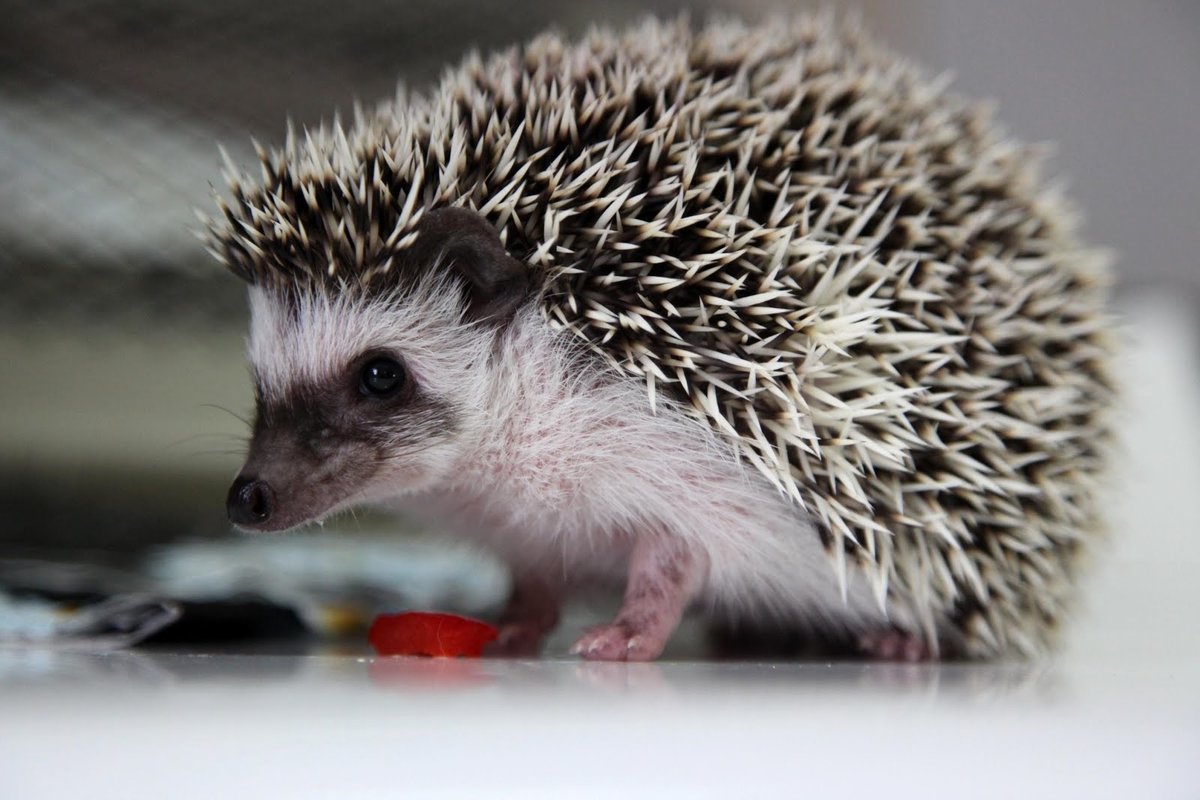
Many people find this spiky ball adorable, which is why they often seek to keep it as a pet. In apartment living, hedgehogs are good-natured and quickly adapt to the rules set by their owner.
Provide your puppy with a spacious cage equipped with a bowl and litter tray. For water, it's best to choose a special hanging water bottle to prevent the floor from getting wet from an overturned bowl.
Hedgehogs love to run, but try not to let them explore the apartment on their own. This prickly little creature can get tangled in wires or otherwise injure itself. It might also hide in a secluded corner during the day and wake you up with loud stomping at night. To prevent damage to your flooring, it's important to trim its sharp claws regularly.
To wean your pet off the nightlife, you need to feed it during the day. This predator's diet should consist primarily of raw meat, but it's also willing to indulge in fermented milk products. Insects are a real delicacy for the hedgehog, and it will also happily eat prepared food for insectivorous birds mixed with a raw egg.
Ferret
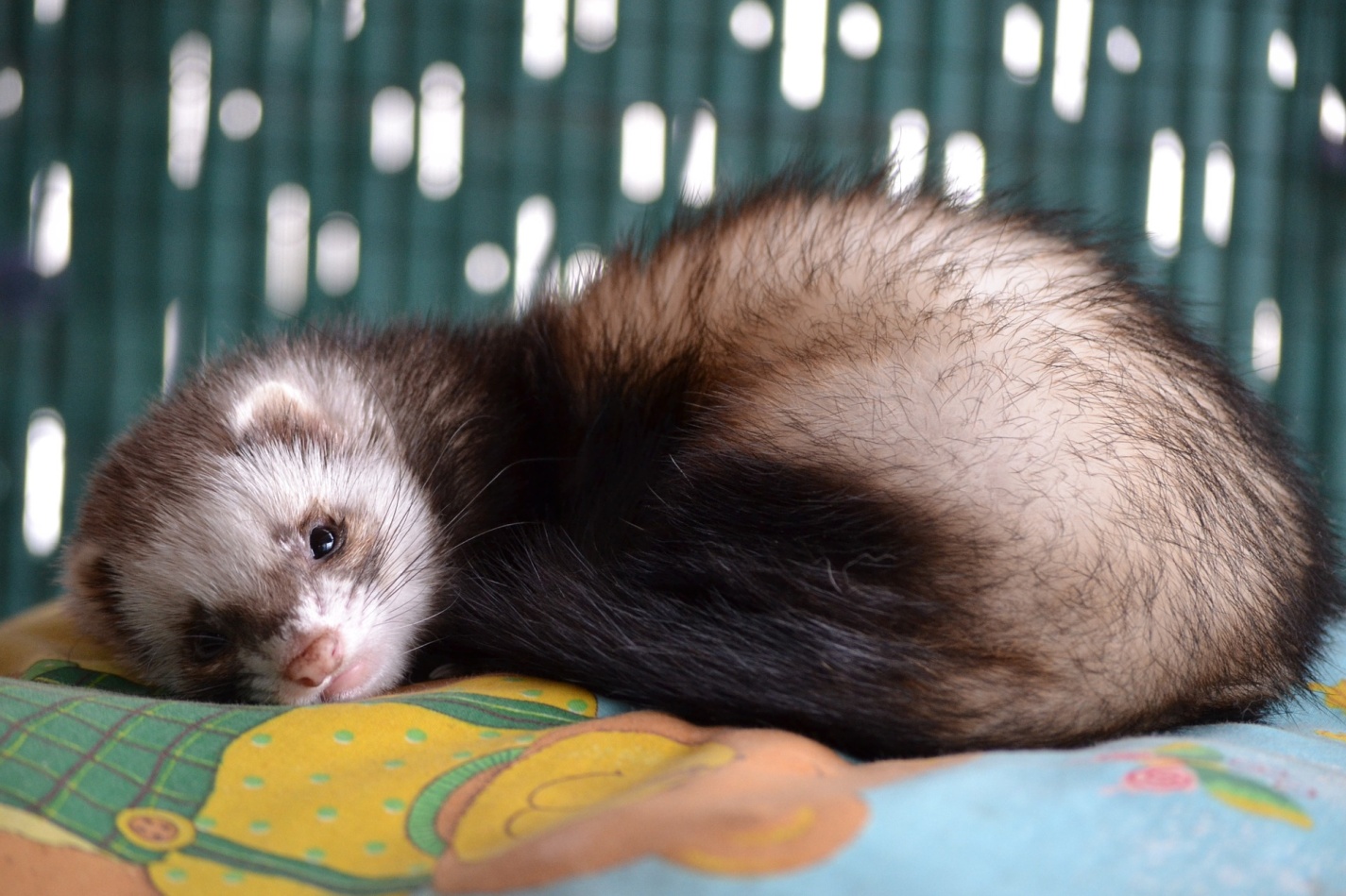
Behind this animal's cute face lies sharp teeth and an unpredictable nature. For domestic use, breeders have developed a special breed—albino ferrets, also known as furos or ferrets.
They are easy to cage and litter train. These animals are quite clean and even trainable: a domestic ferret can recognize its name and distinguish between "good" and "bad." Ferrets can be friendly with a domestic dog or cat. Furthermore, this playful animal is a great favorite with children: during playtime, it can perform whimsical pirouettes and entertain an interested audience.
But it's important to remember that ferrets don't bond with their owners. A poorly trained pet can bite and scratch painfully. It's best not to keep this predator in a home with small pet rabbits, guinea pigs, hamsters, or birds, as the animal will make them its constant prey.
A ferret's diet should consist primarily of protein. Raw meat or high-quality cat food can be used.
Raccoon
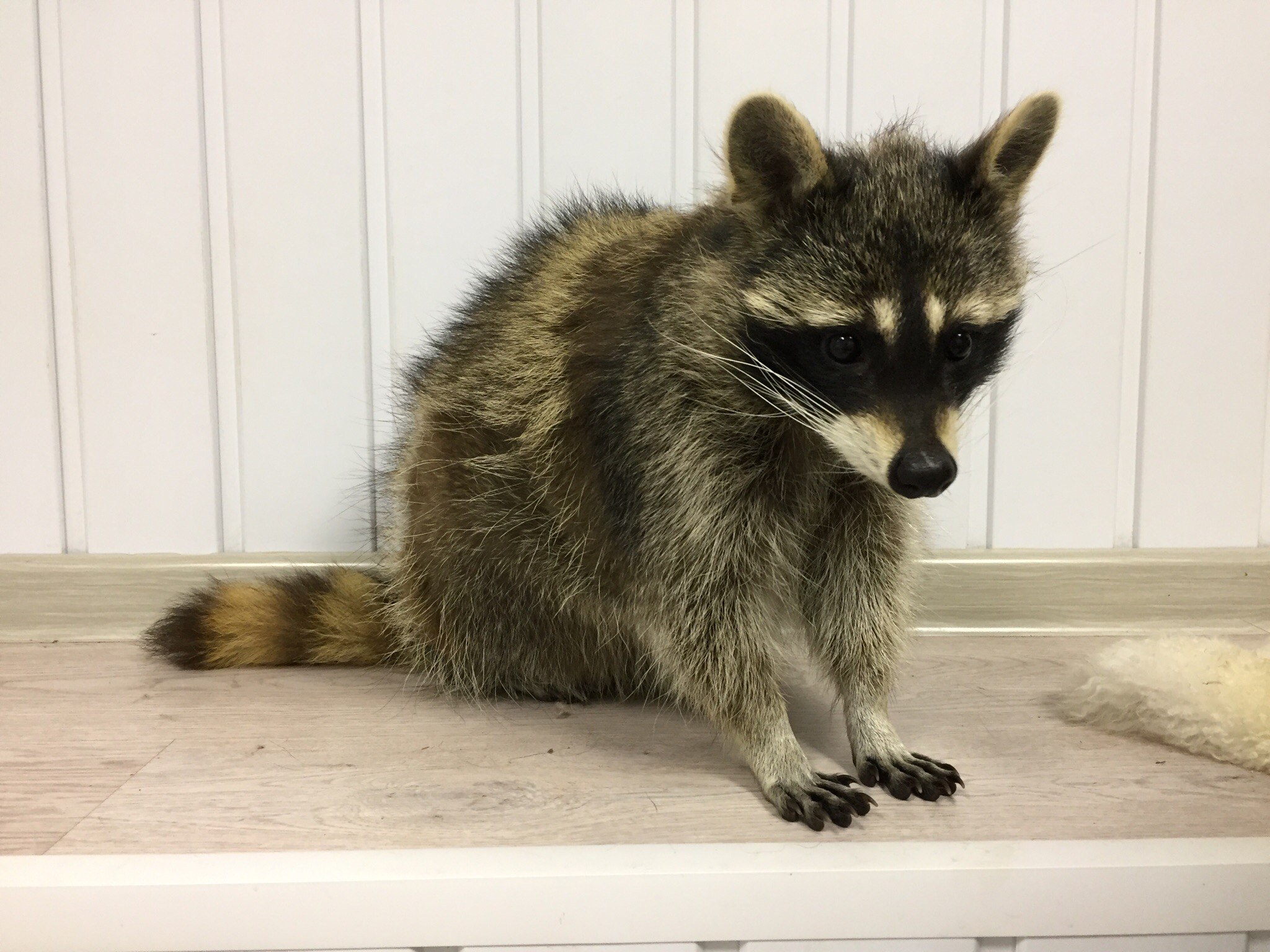
This animal is very interesting to watch, but you need to be prepared for some of the peculiarities of its life activity.
A raccoon dislikes confined spaces and won't tolerate life in a cage. It's best to set up a separate room for its needs, making sure to provide it with a litter box, plenty of rags and cloths, and a makeshift tree for its pet to climb and play on. If you don't give your raccoon its own space, it will want to share all your cabinets and refrigerator, stashing food in the most unexpected places.
By the way, be prepared for the fact that the raccoon is predominantly nocturnal, and its surge of activity may occur around the time you go to bed.
To keep your raccoon's diet close to its natural one, feed it lean meat, fish, grains, eggs, fruits, berries, and nuts. And try to avoid housing your raccoon with small rodents and birds.
Every animal requires special care. By providing your pet with a comfortable environment and learning its personality, you'll gain a true companion who will be fun and engaging to watch.
 Andrey
1 comment