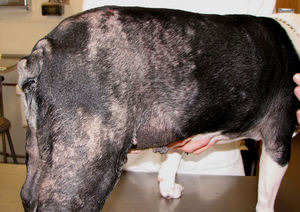
Diabetes mellitus is a disease that affects not only humans but also animals. Unfortunately, it is incurable: the only thing that can be done is to manage the disease and alleviate the symptoms. However, with proper care, a dog can lead a full life and live for over 10 years. We'll tell you how to care for your pet in this article.
Signs of diabetes
- Constant thirst. This is the most characteristic sign of the disease. To remove excess glucose from the blood, the animal needs to drink frequently.
- Increased urination. Excess fluid in the body causes the animal to urinate more often than usual.
- Increased appetite. Diabetes impairs digestion. Dogs eat but still appear lethargic and tired. Overeating can lead to excess weight gain. The opposite can also occur: if the diet is unbalanced, the disease can lead to weight loss, again due to poor absorption of nutrients from food.
- Dull, falling fur. Since diabetes is primarily a metabolic disorder, the effects are evident in the animal's appearance. The dog may develop pyoderma.
- Vision impairment. Dogs with diabetes often experience clouding of the lens.
Causes of diabetes in dogs
Many people think that sugar consumption is the cause of the disease, but this is not true. The main factor is genetic predisposition. If parents had diabetes, the likelihood of their offspring developing the same condition is very high.
Other causes of the disease include:
- Overweight and unbalanced diet.
- Gender. Female dogs are more likely to suffer from diabetes due to hormonal imbalances.
- Age over 7 years.
- Autoimmune diseases, as well as diseases of the pancreas.
It's worth noting that diabetes mellitus is a metabolic disease, and its etiology is still not fully understood. Understanding why your pet is sick can be quite difficult. The key is to respond appropriately and develop a care plan for the sick animal.
Treatment of diabetes in dogs
Since the disease is chronic and incurable, the owner's primary responsibility is to work with their veterinarian to develop supportive therapy. Properly chosen medication dosages, diet, and exercise allow the animal to live a long and healthy life.
Treatment sequence:
- Determination of blood sugar levels.
- Construction of a glycemic curve.
- Determination of sugar in urine.
- Selection of insulin dose and daily injections.
- Daily sugar control.
- A strict diet with a high content of complex carbohydrates.
- Physical activity.
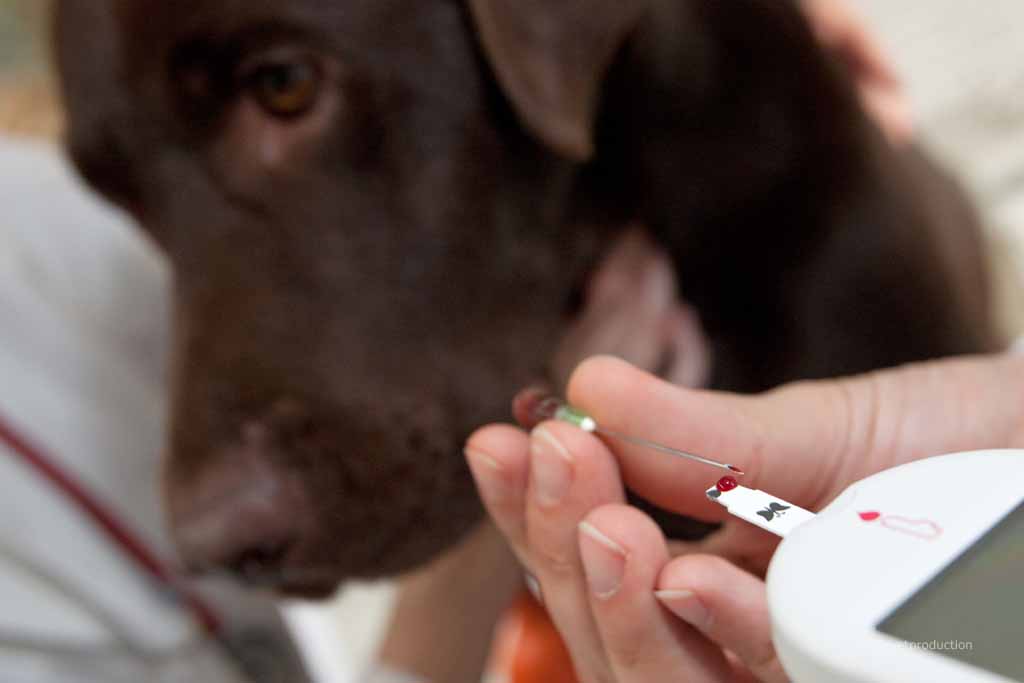
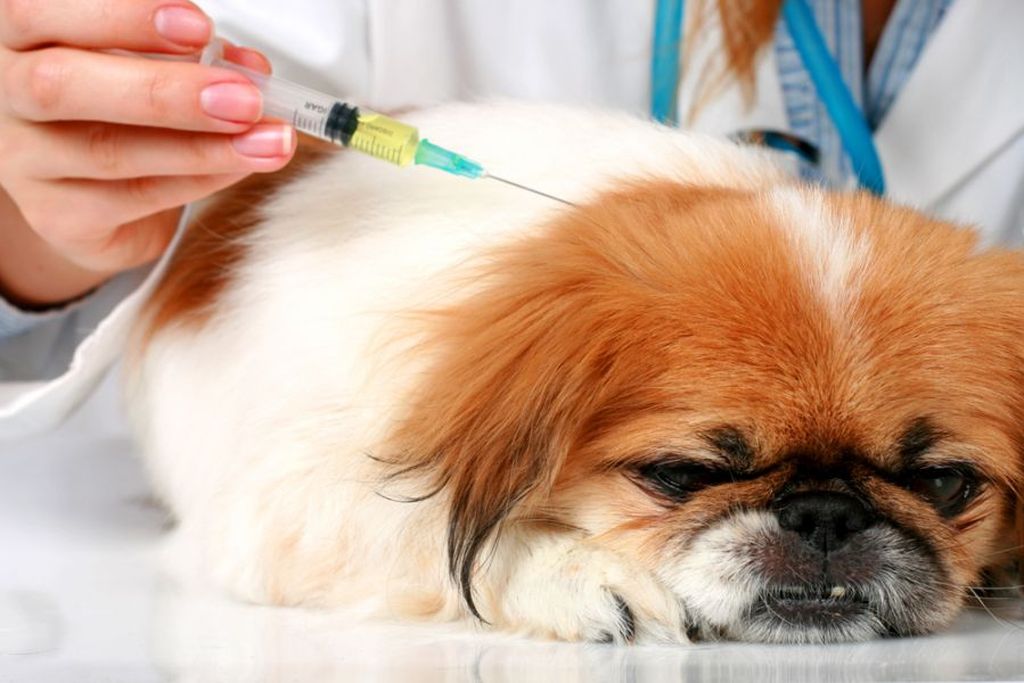
If your dog is diagnosed with the disease, you should consult a veterinarian. Based on the test results, the dog's condition, weight, age, and sex, the appropriate dose of insulin—the hormone that is deficient in the disease—will be calculated. The owner should measure the animal's blood sugar daily and administer injections twice daily during meals.
Both human and veterinary insulin can be used for treatment. Medical glucometers with disposable lancets are suitable for measuring blood glucose. A regular insulin syringe can be used for injections, especially for small and medium-sized dogs.
In advanced cases, the dog may require treatment for underlying conditions. Surgery may also be necessary—for example, neutering the female dog to stabilize her hormonal balance or replacing the lens to restore vision.
Diet for dogs with diabetes
Many owners feed their dogs natural food. This diet is acceptable for diabetics, but the diet should be adjusted depending on the severity of the condition.
The bulk of the menu should consist of lean meats, buckwheat, rolled oats, vegetables, and unsweetened fruits. Any sweets, baked goods, fried, spicy, and salty foods are prohibited.
The optimal solution is to switch your dog to a special diet. Dry food manufacturers have developed a variety of diets for dogs with diabetes, including menus for obese and undernourished dogs.