Dog owners visit veterinary clinics with various problems related to their pets. One of the reasons is concern over cold paws. While this is usually normal, in some cases the concern is justified and a visit to the veterinarian is recommended.
Why does a dog have cold paws?
Some breeds have cold paw pads. Furthermore, the temperature of the paws is always lower than the temperature of the rest of the animal's body.
Dogs, like other warm-blooded animals, adapt to their environment through thermoregulation. When necessary, metabolic processes in the body slow down, lowering the body temperature and the temperature of the extremities. If a dog isn't expending energy or is too hot, its paws become cold.
During extreme heat, the pads should be cool, and when the animal is sleeping, they should be hot.
If cold paws are not a typical symptom for your pet, you should immediately consult a specialist. In some cases, cold paws are a sign of an underlying medical condition, even if symptoms are not yet present.
- Vegetative-vascular dystonia and heart disease – the body is not fully supplied with blood due to decreased cardiac output. This leads to oxygen starvation and low temperature;
- vascular atherosclerosis – blood flow is disrupted due to decreased vascular elasticity;
- venous thrombosis – a blood clot blocks blood flow;
- complete or partial paralysis – occurs as a result of injury, pinched nerve;
When injured, the temperature in the hind limbs is lower than in the front limbs.
- Anemia – due to a decrease in blood volume, blood flows to the periphery of the body in very small quantities. It primarily supplies vital organs;
- poisoning - low temperature accompanied by vomiting.
The final cause of the dog's condition will be determined at a veterinary clinic.
How does a dog's body temperature affect its paws?
The pads house a complete cooling system. Almost all breeds have sweat glands and closely spaced veins and arteries there. Hot blood from the body, passing through the pads, is cooled by the ground and, rising, lowers the overall temperature.
How to warm your pet's paws
In any case, it's worth trying to warm the paws. The method depends on the cause.
If your dog's paws get cold during or after walks, consider buying dog boots. They'll protect them not only from the cold but also from chemicals or salt used on sidewalks.
Is the floor too cold? Socks with non-slip soles will help.
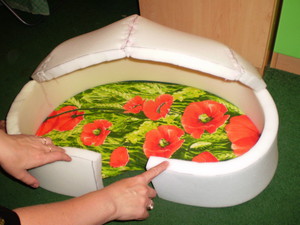
If the floor is the issue, you'll need to insulate the area where your pet sleeps. You can put cardboard or foam under the bed.
It is recommended to cover small dogs while they sleep, as they get cold faster than larger breeds.