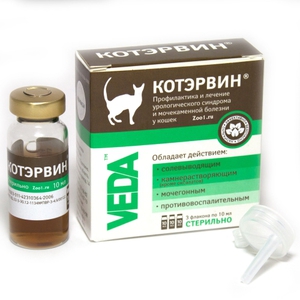
 Urolithiasis, urolithiasis, or urologic syndrome are all names for the same common and insidious affliction affecting domestic cats. This condition affects both humans and animals, but detecting the first signs of stone deposits or sand in a cat's kidneys and ureters is very difficult, if not impossible. At the first sign of urolithiasis, your cat should be taken to the veterinarian immediately.
The disease is associated with a metabolic disorder in the cat's body and is a serious pathology. If the problem is not treated with due attention, then you can lose your beloved petCastrated male kittens are most often affected, but animals without this operation can also become ill.
Content
Urolithiasis
Definition
When a cat is ill, it develops a chronic pathology that leads to the formation of salt deposits in the form of fine sand and stones in the kidneys, bladder, and urinary tract. While no symptoms are observed for some time, the stone eventually increases in size and begins to press on the walls of the organ. Sometimes, the stone is pushed down by weight. moves away from its usual place and moves with urine.
Small stones, when moving, cause pain in cats. Larger stones block the urinary tract and cause fluid retention, leading to urinary incontinence, and the animal simply cannot urinate or only produces a small amount of urine. Death can occur if the owner is inattentive and fails to seek immediate medical attention.
In cats, urinary tract diseases, and in particular, stone formations, are less common than in male pets, which is due to the different urethral lumens, which are naturally three times smaller in males.
The main causes leading to the disease
It should be noted right away that there are many factors that lead to the development of urolithiasis. cause abnormalities in the functioning of organs genitourinary system:
 the animal's genetic inheritance plays a huge role;
- anatomical defects present in the cat's body from birth, for example, a curved, long urethra or its thin lumen;
- using water containing many minerals for drinking and cooking;
- insufficient amount of liquid in the animal's diet;
- disruption of the digestive tract;
- mixed feeding of natural food and dry mixes in some cases causes persistent disruption of metabolic processes;
- high levels of fat in the diet or minerals such as fish phosphorus;
- use of cheap, low-quality dry food in feeding;
- overfeeding the pet, leading to obesity, lack of exercise;
- inflammation of the kidneys, bladder, ureters, benign and malignant formations in them;
- infection with streptococci, staphylococci;
- mechanical injuries to bones and pelvic organs.
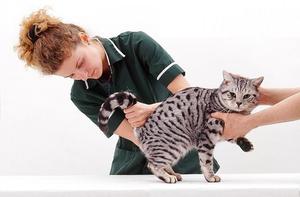 the animal's genetic inheritance plays a huge role;
Symptoms of urolithiasis in cats
The formation of stones takes more than one monthSometimes it goes unnoticed until the animal begins to experience discomfort. The first signs of the disease are:
- the animal stays near the litter box for a long time, cannot empty its bladder, urine flows in an intermittent thin stream, there is an admixture of blood and small stones or sand in it (not always);
- when urinating, the cat arches its back, tenses its body and lowers its head, while meowing plaintively;
- in order to facilitate the passage of urine, the cat licks the opening of the urethra;
- the animal goes to the toilet unusually often, and even a very well-behaved cat does this in completely inappropriate places;
- If, in a very severe case, the stone completely blocks the lumen of the canal, then the cat behaves in an unnatural way for it - it hides in the cracks, gets scared, does not eat anything, in addition, its temperature rises and its tummy swells;
- The rectum may fall out due to excessive straining; sometimes, on the contrary, the cat persistently tries to attract the owner's attention.
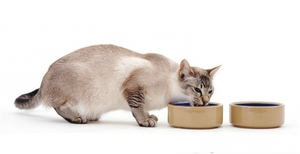 the animal stays near the litter box for a long time, cannot empty its bladder, urine flows in an intermittent thin stream, there is an admixture of blood and small stones or sand in it (not always);
Getting a diagnosis from a doctor
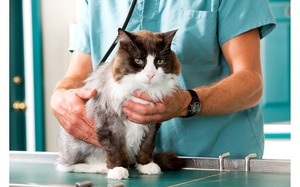
The specialist will definitely interview the cat's owner and compares clinical signs of the diseaseTo determine urolithiasis in cats, a number of research procedures are used:
- veterinarian examination of the cat;
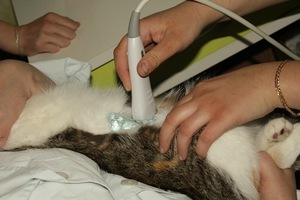
- ultrasound examination;
- radiographic scanning;
- urine and blood tests.
Urine sediment analysis is used to determine the type of ureteral stones in animals. Knowing the composition of the sediment makes it much easier to prescribe treatment, as well as to correctly determine therapeutic procedures and preventative care for the cat. Microscopic examination is insufficient to fully determine the chemical composition of the stone; it only provides an approximate mineral composition. A more comprehensive study is being conducted to answer this question. using polarized microscopy, x-ray diffraction and other qualitative analytical methods.
Treatment of urolithiasis
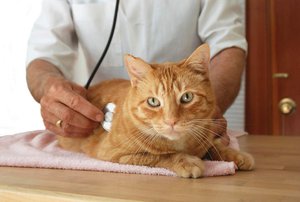 Prompt assistance is crucial. In the first hours after identifying symptoms of the disease, before seeking medical attention, warm the cat's lower abdomen and perineum with a heating pad. Massage and palpation of the bladder area are not recommended to avoid damaging it. The most serious risk in this situation is progressive toxicity and possible bladder rupture. To avoid this, take the cat to the veterinarian promptly; otherwise, the animal may die. An emergency visit to the veterinarian is recommended. only 1-2 days left.
The veterinarian will conduct an examination, order an X-ray and ultrasound to determine the size of the stones, insert a catheter to drain the fluid, and give the animal a pain-relieving injection.
Conservative treatment method
Treatment procedures of this type are used in the early stages of the disease and in its moderate severity. These procedures are aimed at relieving inflammation and reducing pain in cats. Furthermore, drug treatment aims to prevent relapses and subsequent complications of the disease. In the ureters fluid stagnation is eliminated, muscle spasms are relieved, inflammation in the pelvic organs due to intoxication is reduced.
Conservative treatment involves the use of sedatives and antispasmodics (baralgin, atropine, etc.), antibiotics, and homeopathic remedies. For severe pain, a lumbar analgesic block is injected and dry heat is applied to the cat's bladder. Antibiotics and antispasmodics, such as urosulfan, metronidazole, and furadonin, are usually prescribed to reduce inflammation.
To facilitate the destruction and removal of the formations, cyston and uradon are prescribed, and injections of no-shpa and analgin are given to relieve smooth muscle spasms. To dislodge the grains of sand and stones, injections of novocaine solution into the urethra are prescribed, and artificial attempts are made to dislodge the stone. For relief, the bladder is irrigated with a sodium chloride solution in combination with antibiotics.
Method of surgical intervention
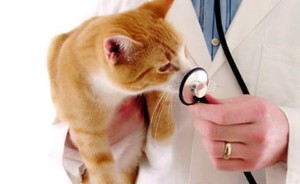 This method is most often used in advanced cases of moderate severity and with almost complete obstruction of the ureteral lumen. Impaired urine flow leads to renal transformation and painful attacks of pyelonephritis, both acute and subacute. In this case, it is difficult to talk about a cure without surgery.
There are two interventional methods: urethrotomy and cystotomy. The first method involves inserting a catheter to create an additional opening to the exit of the formations. The end of the canal is inserted to a depth equal to the beginning of the obstructed area. The animal must be treated under anesthesia. After the sand and stones have been expelled, the urethral lumen is treated with antiseptics.
The second method of cystostomy involves surgical removal of stonesThis is a complex abdominal surgery. It is the only option for the animal if the stones are larger than the diameter of the cat's urethral outlet. After surgery, the cat's fluid drainage is restored, but treatment with antibacterial and anti-inflammatory medications is required.
Further prevention against relapse of the disease
Lifelong preventative measures should be a constant part of a cat's routine. Unfortunately, urolithiasis cannot be completely cured, and even careful surgery or conservative treatment cannot prevent recurrence. The pet's subsequent life is complex. in combination with the following activities:
- The correct diet includes therapeutic dry mixes developed for categories of cats with urolithiasis, or the owner chooses natural products for their pet that are approved for use by specialists at a veterinary clinic;
- The cat's weight is regulated with the help of herbal therapy and diuretic infusions; ideally, the animal should not exceed 4–4.5 kg;
- To quench thirst, the cat receives only settled or filtered fresh drinking water;
- the cat leads an active lifestyle, male cats, especially neutered ones, receive a portion of games and movements to remove congestion in the pelvic area;
- After a treatment course or surgery, the animal must undergo a mandatory ultrasound, X-ray, and urine test once a year;
- If signs of a relapse of the disease appear, the cat must be immediately examined;
- After an illness has been recovered and treated, the cat regularly undergoes consultations and examinations with a veterinarian.
Diet for cats after treatment
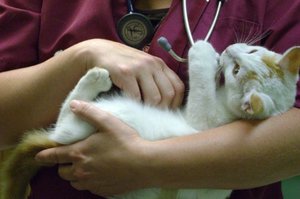 The diet is prescribed a little earlier, when the doctor begins treating the cat. But after the animal returns home should eat properlyWhen examining the stones, the doctor identifies their chemical composition and, based on this, determines the cat's diet. The animal's nutrition is aimed at restoring the body's water-salt balance and maintaining homeostasis:
- If the body has an oxalate disorder, the diet helps maintain acidity in the urine at a level of 6.8–7.2 R-H;
- If the disorder is struvite, then nutrition is aimed at restoring the volume, density, and P-H levels in the urine; the cat's food does not contain a large amount of minerals.
The natural products included in the cat's diet are carefully developed by animal nutritionists. Vitamins A and B are essential. Oxalate urolithiasis requires the inclusion of boiled eggs, white beets, and carrots. Struvite disorders will not occur if the pet eats boiled meat, cheese, rice, and cottage cheese. It is best to cook all meals before serving.
For any kind of disorder in the cat's body exclude fish, sausages, pork, canned food, chicken, and caviar from the dietIt is not recommended to feed your pet large amounts of protein, or to prepare food from low-fat, non-acidic, non-sweet, and non-spicy ingredients.
Only formulas recommended for cats with urolithiasis should be used. These are special foods that provide a balance of minerals and vitamins in the amounts appropriate for this category of animal. Cheap formulas from the "economy" line are prohibited. To increase fluid intake in cats that drink little, dry food is recommended. soak or eat wet canned food.
Together with their pet, the owner strives to overcome this insidious and dangerous disease. It's important to closely monitor the cat's behavior so that at the slightest suspicion of urolithiasis, the animal can immediately receive qualified veterinary care.