 Calicivirus is a very dangerous and severe disease. It most often affects kittens. It negatively affects the respiratory and digestive systems, causing conjunctivitis, inflammation of the oral mucosa, and joint damage. Only animals with strong immune systems recover, although the disease is treatable.
Only a veterinarian can diagnose calicivirus in cats (symptoms and treatment). It is completely harmless to humans. However, the animal must be treated, otherwise it may die. The causative agent of the disease is believed to be a virus from the Caliciviridae familyDomestic cats under one and a half years of age become ill.
Routes of infection of cats with calicivirus
A cat can become infected in the following ways:
- Contact with a sick animal.
- It is possible to become infected without contact with a virus carrier, since the disease is transmitted by airborne droplets.
- A cat can easily become infected by sitting on grass where a sick animal was previously or simply by sniffing its feces.
- After recovery, it can also shed the virus for a long time. A cat that has previously recovered from the disease can infect another pet with calicivirus.
Symptoms of the disease
Viral disease usually occurs with pronounced symptoms:
 There is profuse salivation, so the animal's chin and chest will always be wet.
- During the first three days, the animal will experience a high fever. Its body temperature will rise to 40 degrees Celsius. After this period, the cat's body temperature returns to normal.
- Calicivirus affects the respiratory system, causing sneezing, shortness of breath, bronchitis, and pulmonary edema.
- A characteristic symptom is a strong discharge of serous fluid with an unpleasant odor from the nose and eyes.
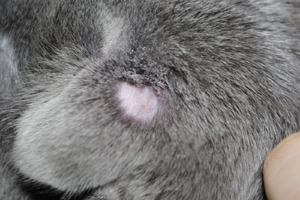
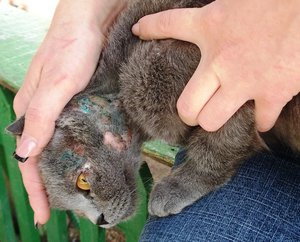
- Moist ulcers may develop on the nose and in the mouth. The gums begin to swell, eventually turning red or pale.
- Mouth ulcers burst, cause intense pain, and take a long time to heal. A foul odor may be present.
- Calicivirus can be suspected based on a cat's behavior. The ulcers prevent it from eating. It will chew its food for a long time and cough frequently. It feels as if something is stuck in its throat.
- A sick cat often becomes apathetic and loses appetite. Loose stools may appear, but this will turn into constipation within two days.
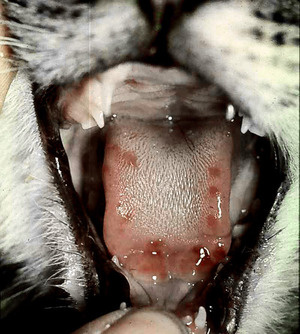 There is profuse salivation, so the animal's chin and chest will always be wet.
Treatment of calicivirus
Treatment should be comprehensive. The treatment regimen is prescribed by a veterinarian:
- Antibiotics are prescribed to prevent the development of pneumonia. They also eliminate the risk of chlamydia. Specialists typically prescribe Tylosin.
- To eliminate nasal discharge, experts recommend using Naphthyzinum drops 3-4 times a day.
- Excessive salivation and eye discharge lead to dehydration in cats. Therefore, the vet often administers intravenous glucose or saline solution.
- Ulcerative stomatitis is treated by regularly cleaning the mouth with disinfectants and astringents. The best treatment is Miramistin.
- Feeding a sick animal requires special attention. Food should be in liquid form. If the animal refuses to eat due to pain, force-feeding should be done very carefully.
Consequences of the disease
Animals are a must vaccinate against calicivirusWithout vaccination, infected animals die in 90% of cases. With prompt treatment, adult cats die in only 30% of cases. It is very difficult to cure an elderly cat.
Caring for a sick animal
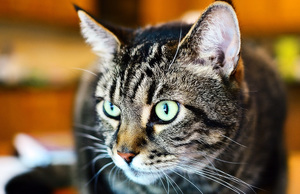 This disease is species-specific; the virus can only affect cats. Therefore, it's important to care for them without fear of infection. After all, the recovery of a sick animal depends on the quality of care provided.
Calicivirus is very debilitating for a cat, so the animal needs to be treated feed easily digestible foodsThe diet will be suggested by a veterinarian.
The pet must be kept clean, for this purpose it is necessary to clean its bedding daily and thoroughly ventilate the home where the cat lives.
Mucus discharge from the nose and eyes should be cleared promptly, and the fur should be combed regularly. Mouth ulcers require medication.
During illness, avoid leaving your pet's side for long periods of time, as they will experience severe pain. Their condition should be constantly monitored and emotional support provided.
Prevention
An animal that has recovered from calviciosis may become infected with the disease againThis disease must be prevented from developing. Prevention involves keeping the animal away from sick cats and maintaining hygiene. However, even under ideal conditions, it is impossible to protect the animal from infection.
The primary preventative measure is vaccination. This is administered annually. Combination medications are considered the most effective. A doctor will select the appropriate medication. Kittens should be vaccinated before 3 months of age.
In addition, the kitten needs to be given immune-boosting agents, and its diet needs to be balanced.
The dishes from which the sick animal ate must be disinfected to prevent re-infection.
Helpful tips
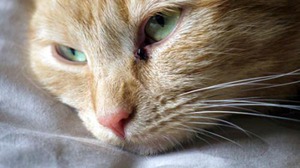 Animal care should be as gentle as possible.
If the cat refuses to take the pill, then it must be grind into powder, pour it into tubes, and, with the jaws slightly open, insert the tube into the cat's mouth. Exhale forcefully from the other end. The cat will reflexively swallow the powder.
Give her some sweet water. Cats don't like sweets, but they absolutely cannot stand bitters. You can also add sand to another bitter medicine (Lozeval).
A pet's first aid kit should contain only veterinary medications. Animals are intolerant to many common antiseptics, antipyretics, and painkillers. Such owner errors can lead to the death of a pet.
Avoid giving cats aspirin and analgin. Nurofen can cause kidney damage, and No-Spa can cause paralysis. Hormonal and sedative medications are dangerous. Levomycetin drops can be given in emergency situations.
From painkillers Meloxicam is acceptableBut it is better to use veterinary Nalbuphine and Butorphanol.
Don't use brilliant green or iodine either. They can cause burns. It's better to treat wounds with Levomekol ointment.
It's a good idea to keep some saline solution on hand. It will be needed if your pet becomes dehydrated.
With proper care of the animal, compliance with all conditions and timely vaccinations, your beloved pet will never get calviciosis.