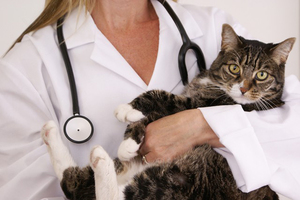
Pyometra is a form of purulent endometritis—an inflammatory and infectious process in the uterus—that occurs in cats of all ages, including those who have never given birth. This is a dangerous condition that requires immediate veterinary intervention, otherwise it can have serious consequences for the animal's health and life. Pyometra is impossible in spayed cats, as removal of the uterus and both ovaries reduces the risk of developing the condition to zero.
Content
Causes of pyometra in cats
The pathology is characterized by the accumulation of purulent-mucous exudate in the uterine cavity, which leads to serious disruptions in the functioning of the body.
Causes of pyometra include:
- hormonal imbalances;
- entry of pathogenic microorganisms into the genital tract;
- constant use of medications to control estrus;
- untreated endometritis, cystitis and other inflammatory diseases of the genitourinary system;
- failure to comply with sanitary conditions during childbirth, lack of qualified assistance during childbirth, infection of the birth canal and reproductive organs;
- atony of the uterus after childbirth, as a result of which fluid and tissue debris accumulate in it;
- sexual intercourse with unexamined cats, too frequent mating;
- severe helminthic infestations that have a negative impact on the reproductive organs;
- reduced immunity, vitamin deficiency, weakening of the body, unbalanced diet.

As practice shows, when pyometra begins, the cat tries to find a secluded place and hide there from prying eyes.
Previously, it was believed that the risk group for developing pyometra included mature individuals (over 5 years old) with at least one previous pregnancy, but modern veterinarians are of the opinion that the disease can develop in any cat, regardless of age and lifestyle.
The uncontrolled use of hormonal drugs for medical sterilization of animals especially often leads to the development of pathology. They contain progesterone, which promotes increased production of uterine secretions, which accumulate in the organ cavity, and when pathogenic bacteria enter it, putrefactive processes develop.
Sometimes pyometra occurs in pregnant cats; saving the offspring in such cases is impossible, so all measures are aimed at preserving the life and health of adult cats.
Symptoms
Signs of pyometra can be noticed approximately 2-4 weeks after estrus, and most often the disease begins acutely, with pronounced symptoms.
The main manifestations of the pathology are as follows:
- discharge from the loop of a brownish or cloudy white color with a thick consistency and an unpleasant odor (occurs only when the cervix is open);
- lack of appetite, accompanied by severe thirst, vomiting, diarrhea;
- frequent urination;
- enlargement of the abdomen, uterus and genitals, which can be noticed during visual examination and palpation;
- deterioration of general health, fever, apathy or increased aggression.
Sometimes the disease progresses so rapidly that the animal can die in a matter of days—the volume of purulent exudate can reach a liter in just 24 hours, causing the uterine walls to rupture due to increased pressure, and fluid to fill the abdominal cavity.
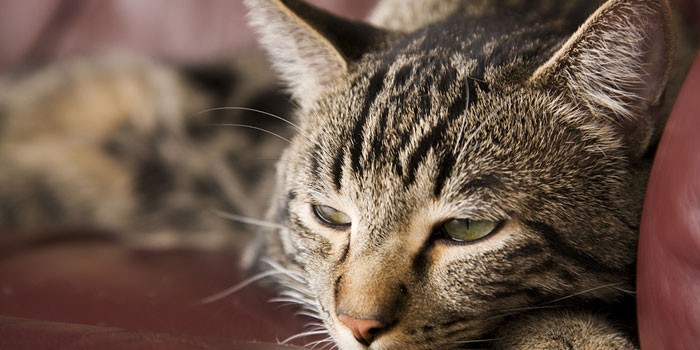
The pet owner may not pay attention to the symptoms and this may lead to the cat dying.
If the cervix is closed, the disease may progress insidiously. The cat may appear lethargic and apathetic, avoid active play, and lose its appetite, with its fur becoming dull and ruffled. It may lick its abdomen frequently and for long periods of time, and become very restless when palpated or even touched. If any of the above symptoms develop, the animal should be taken to a veterinary clinic immediately, otherwise it may die.
Diagnostics
To diagnose pyometra, the doctor performs a visual examination and palpation of the abdomen, after which he prescribes an ultrasound examination and blood tests. An ultrasound allows us to assess the size and extent of uterine damage. As the pathological process progresses, the organ greatly enlarges, its walls thicken, pus accumulates in the cavity, and cysts and neoplasms appear on the surface. Blood tests reveal elevated levels of white blood cells, urea, and protein, as well as a leftward shift in the white blood cell count.
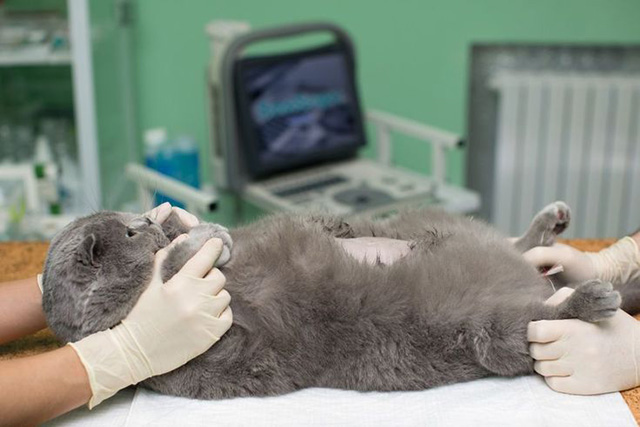
The prognosis is generally favorable if the pet's condition is not severe and the owner consults a doctor in time.
Treatment
Treatment for pyometra in cats depends on the clinical course of the disease and the extent of organ damage. Most often, doctors recommend spaying (complete removal of the uterus and ovaries), but if the pathological process is detected in the early stages, drug therapy may be an option.
Conservative treatment
The goal of conservative treatment of pyometra is to clear the uterine cavity of pus and pathogenic bacteria, restore the functioning of the reproductive system, and relieve general intoxication of the body. The mainstay of treatment for this condition is antibiotics—ceftriaxone, amoxicillin, brulamycin, etc.—which are most often administered intramuscularly and subcutaneously. Hormonal medications that block the effects of progesterone on the uterus are used in combination with antibacterial therapy, thereby slowing the progression of inflammation and the accumulation of pus in the uterine cavity.
To remove purulent exudate, special medications that induce uterine contractions (oxytocin, prostaglandin) are used, but the dosage must be carefully selected, otherwise rupture of the uterine walls and rapid death are possible. To improve immune function, the cat is prescribed immunostimulants and vitamin therapy.
Conservative treatment achieves the desired result in only 15% of animals, but half of these experience relapses. About 7% lose the ability to bear offspring or become pregnant.
Relapses may occur during the next heat cycle, so even with effective drug therapy, owners are advised to consider spaying their pet.
Folk therapy for the development of pyometra in cats is ineffective and can lead to serious health consequences. Anti-inflammatory, antibacterial, and regenerative medications (infusions and decoctions of chamomile, calendula, and nettle) can only be used in combination with medications prescribed by a doctor, after the acute symptoms of the disease have been relieved.
Surgery and postoperative period
Surgery is the most effective treatment for pyometra in cats. The operation allows for the complete suppression of the pathological process, eliminating the threat to the animal’s life and the possibility of relapse of the disease. The cat is given general anesthesia, after which the surgeon carefully removes the reproductive organs—the uterus and ovaries. The main drawback of this surgery is that after this treatment, the cat will no longer be able to reproduce.
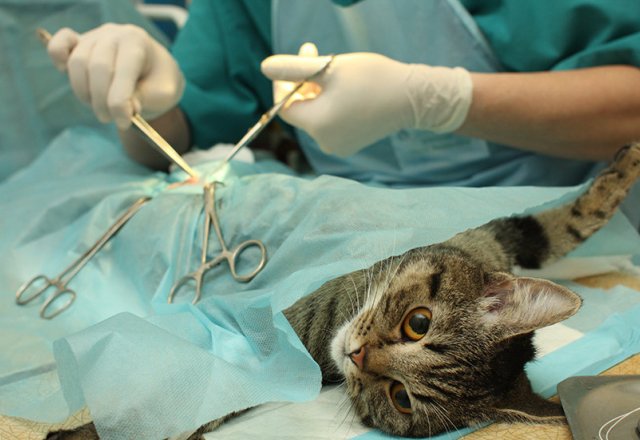
Planned sterilization and emergency sterilization for medical reasons are two very different things; in the latter case, the risk of complications is much higher.
To prevent post-operative complications and speed up the regeneration process, a cat that has undergone hysterectomy requires careful care:
- Immediately after the operation, the cat is put in a special blanket, which cannot be removed, otherwise the animal may damage the stitches.
- The surgical site is regularly treated with hydrogen peroxide or other antiseptics. To prevent complications, the animal is prescribed antibiotics, which should be administered according to the doctor's recommendations.
- During the first 24 hours after treatment, the cat should not be fed, but it should receive sufficient water.
- In the postoperative period, the animal is fed pureed or semi-liquid food - special pates, porridges or broths with meat puree.
It is important to regularly inspect the surgical site and monitor the general condition of your pet, and immediately report any pathological changes to your veterinarian.
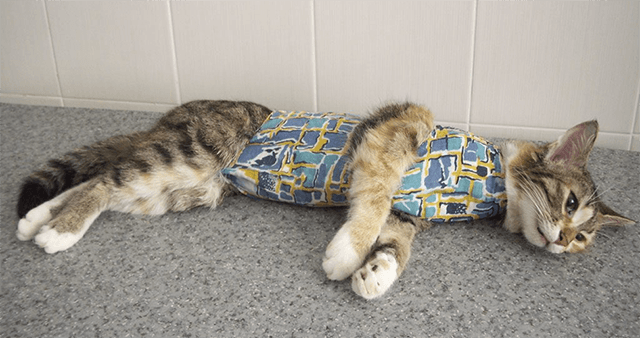
After the operation, the cat needs complete rest.
Typically, a cat's recovery after removal of the uterus and ovaries takes 10-14 days; she gradually returns to an active lifestyle, and a small stitch remains as a reminder of the surgery.
Possible complications
Complications are associated with the wrong choice of treatment tactics and errors during surgical intervention. The most dangerous condition is the recurrence of infection, which can occur due to unprofessional actions by the doctor, such as incomplete removal of the uterus or ovaries or poor hygiene during procedures. Improper or substandard postoperative care can lead to suppuration and inflammation of the incisions, which also requires immediate medical attention.
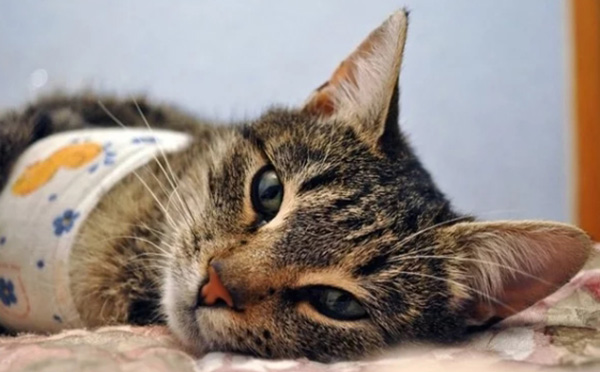
If for any reason a cat is prescribed a hormonal drug, after the pet has recovered, the advisability of sterilization should be discussed with a veterinarian.
If purulent exudate accumulated in the uterus enters the abdominal cavity, it can lead to the development of abscesses and other dangerous pathologies that can lead to the death of the animal. Furthermore, conservative treatment of pyometra increases the risk of developing tumors in the reproductive organs.
Disease prevention
The most effective way to prevent pyometra is scheduled sterilization of the animal, which is recommended after 7-8 months of age. If a cat has breeding value, the owner must adhere to the following rules:
- do not overuse medications to suppress estrus (such medications can only be used as prescribed by a doctor);
- Unsterilized individuals should undergo regular preventive examinations by a veterinarian, especially if they have a history of genitourinary diseases;
- It is not recommended to attend exhibitions and other events during periods of estrus;
- Animals can only be mated with proven males who have the appropriate certificates from a veterinarian.
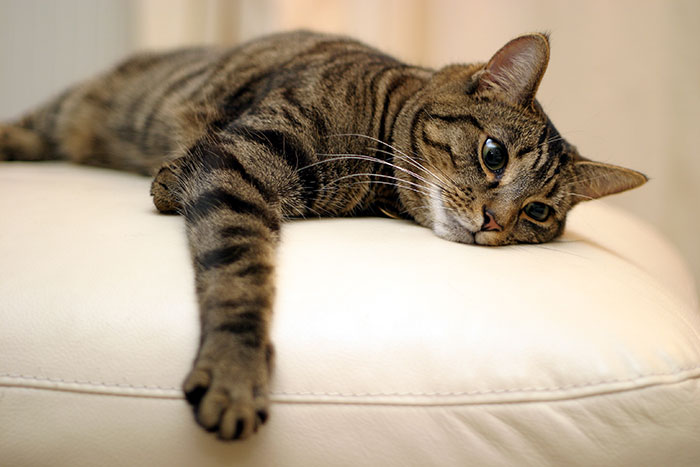
Any change in the animal's behavior or condition, especially an enlarged abdomen and discharge from the genital tract, requires immediate veterinary attention.
Pyometra in cats on video
Reviews of pyometra treatment
I've had to deal with pyometra in a cat twice. Both times, it was an open pyometra, with pus oozing out. The first time, it was a young, two-year-old cat. We treated it with medication, antibiotics, and oxytocin. It was cured. The cat gave birth many times after that, nursing her kittens. All pregnancies were uneventful. The second time, it was a 13-year-old cat. We gave her a week of antibiotics before the surgery, then the operation, and then another week of antibiotics. The cat recovered very quickly. There was only one complication: she was getting fat right before our eyes! Yes, it was the same cat. I used to be sure that pyometra could be cured, but now I think it's better to operate. The disease will return anyway. My cat even changed her personality; she became affectionate and calm. She used to be a real feisty creature. Apparently, she was sick, that's why she got angry. Although everything seemed fine. She ate well, and her litter box was normal.
Pyometra can't be treated with medication, only under the knife... although you can delay the operation, like to treat it, but there's a 99% chance that she won't have kittens after pyometra, and 100% that pyometra will develop later, if it's not too early, then it's too late... and it might end in a uterine rupture, and you have to think about the consequences yourself.
My cat was 15 years old when she was diagnosed with pyometra. The vet scolded me for not spaying her on time if I wasn't planning on having kittens; surgery was the only option now. I was most worried about the anesthesia, but both the vet and the nurse reassured me, and I trusted them. Everything went well, and she lived for over three years before dying in my arms from cancer.
If your cat is valuable for breeding, you should always treat her! But if she's a pet, don't torture yourself or your cat. The chances are 50/50, and a relapse is possible after her first heat... We also treated her; we also had a false pregnancy and pyometra. We cured her, and she gave birth to three litters, all is well! We treated her with ceftriaxone and gentamicin (both antibiotics were injected at once), No-shpa, Ovariovit, and Gamavit. We did an ultrasound a month later (there's no point in doing it that often, as the swelling can persist even without pus). You can repeat the procedure in two weeks.
Unfortunately, pyometra always returns! This can happen before or immediately after the next mating, or she might even have time to give birth several more times. It's a matter of luck. It makes sense to treat a recurring pyometra and then let the litter continue until the next one. And then, that's it, the sufferer is put to bed. From my experience, I've come to the conclusion that certain bloodlines—a genetic predisposition—carry a predisposition to pyometra, and it's not a good idea to breed puppies from mothers who have had the condition.
Pyometra is a dangerous condition that can lead to serious health complications or even rapid death. The best way to protect your cat from uterine purulent disease is to have her spayed routinely by an experienced veterinarian. This procedure has far fewer complications than pyometra treatment and gives your pet every chance of a long, active life.