Deafness in animals can be caused by illnesses (such as otitis or ear mites), injuries (such as a ruptured eardrum), central nervous system disorders, and genetic disorders. Breeders need to know how to tell if a cat is deaf. Congenital deafness is easier to detect than progressive deafness.
Signs of deafness in a cat

Congenital deafness in cats is most often hereditary.
A cat's gradually developing hearing loss is compensated for by its heightened sense of smell and touch, which complicates the diagnosis process. Symptoms of complete hearing loss in an animal include:
- the pet makes unnaturally loud sounds when meowing;
- does not respond to voices;
- behaves fearfully and insecurely, constantly looking around;
- may scratch their ears, shake their head, and show other signs of discomfort;
- peeling of the skin in the ear area is observed;
- When infected, the ears release exudate that has an extremely foul odor.
To test an animal's hearing, you need to position yourself within its line of sight and strike any hard surface. It's important to alternate sounds correctly—from a dull thud to a sharp one, and from a soft one to a loud one. A healthy pet should respond to a barely audible sound by turning its ears, and to a loud one, by turning its head or torso.
In what cases can hearing be restored?
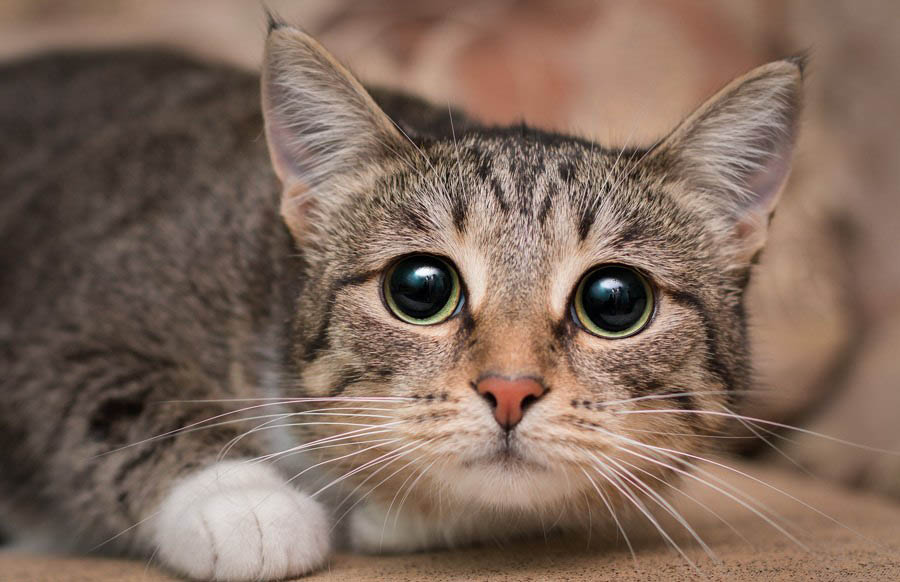
A deaf cat is usually overly timid and often flinches without good reason.
If deafness is caused by a disease, properly selected therapy makes it possible to restore hearing functions 100%. Based on the examination, the veterinarian prescribes antibiotics for infections, insecticides if parasites are detected, or chemical therapy (in combination with radiation) if a tumor is detected.
If hearing loss occurs as a result of severe intoxication, is hereditary, or is associated with the animal's old age, it cannot be cured.
How to help an animal learn to live in silence
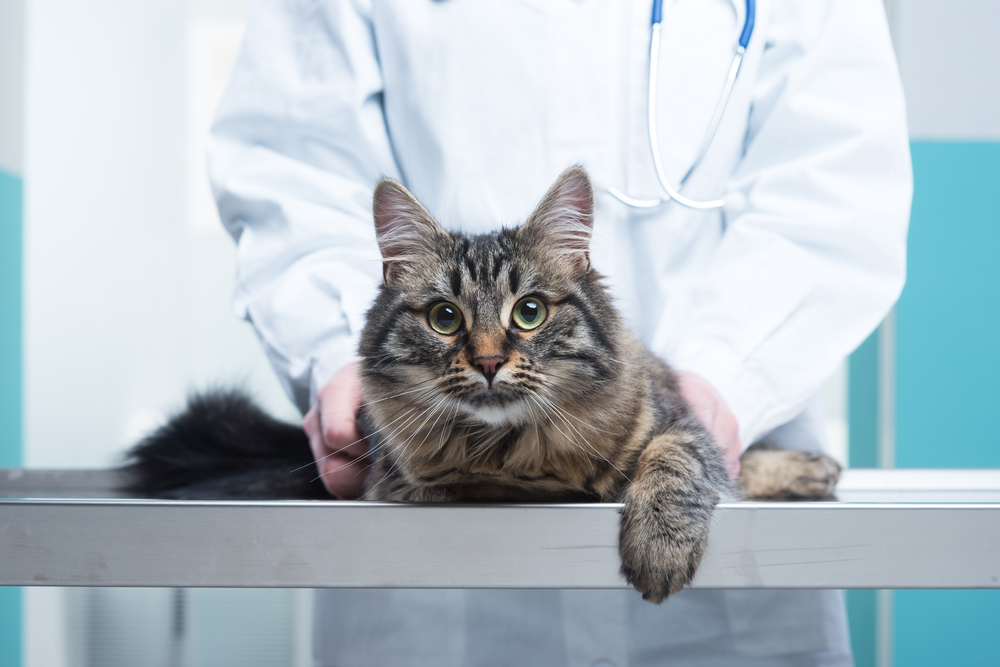
If you suspect your cat is deaf, it's best to take it to the vet instead of guessing.
To ensure a comfortable existence, the animal must be provided with the safest possible living conditions:
- isolate from the street;
- add tactile contact when you greet, say goodbye, or reward your pet;
- use a special collar with a bell to avoid losing your pet;
- To prevent the animal from being frightened, create additional vibration when you appear.
A pet can adapt to hearing loss and learn to understand gestures and even lip-reading. This requires patience, attention, and support from the owner.