Cat diseases
How to Collect Urine from a Cat: A Review of All Methods 

Sometimes a cat may exhibit symptoms that may indicate problems with the urinary tract/bladder. These may include: color change, darkening, or the presence of foreign matter in the urine; a strong odor; painful urination (accompanied by loud meowing); incontinence (the cat begins to urinate outside the litter box); and lack of urination. These symptoms may indicate kidney failure, urinary tract obstruction, infections, bacteria, stones, kidney or urethral inflammation, and other issues that require veterinary attention. Different symptoms may indicate different diseases, but a visit to the vet is necessary in any case. The vet will likely order a urinalysis. In this article, we'll discuss how to collect urine from your cat. How to collect urine from a cat - the main methods. What is cystocentesis? At home, urine is most often collected in a litter box or urine bag. In a clinical setting, cystocentesis and catheterization may be used.Read more
How to clean a cat's nose at home
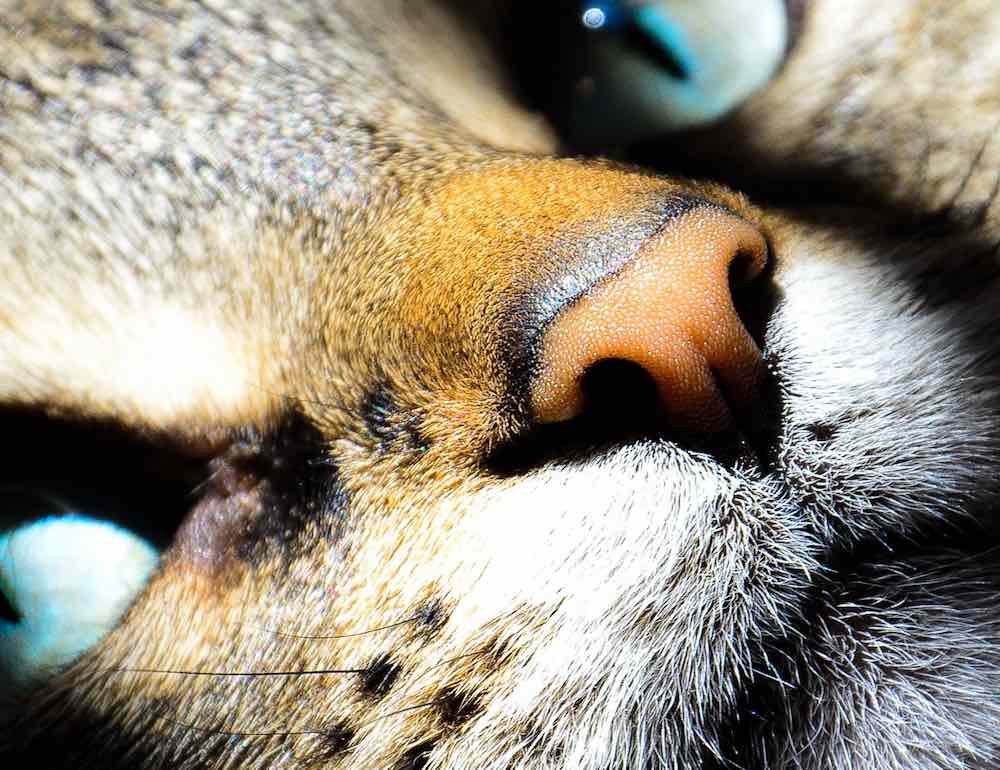
Cats are rightly considered one of the cleanest pets, so owners are only required to follow basic hygiene standards. However, in some situations, it may be necessary to clean their pet's nose. Many felines readily accept this procedure, but others will resist. In such cases, this short procedure can prove difficult and tedious. In this article, we'll provide effective tips to help you clean your cat's nose. When does a cat need to have its nose cleaned? There are only a few reasons to clean a cat's nose—most often, pets groom themselves well and are quite good at this. The exception is Persian cats or other brachycephalic breeds. These animals have unique characteristics, such as a flat nose and folds in the facial area. They require regular inspection and care, including cleaning and drying the nose to prevent moisture accumulation.Read more
How to brush your cat's teeth at home
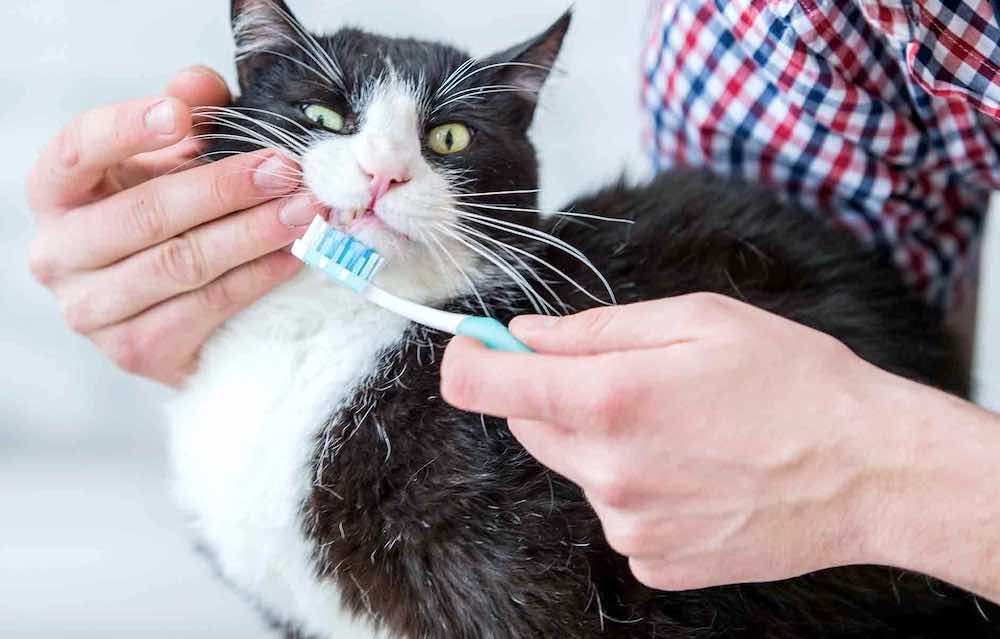
Cat owners often wonder about their pet's oral hygiene. In the wild, animals take care of their own teeth and don't suffer from dental problems, but this isn't the case for domestic cats. Experts say brushing cats' teeth is both possible and necessary. After all, our furry friends suffer just as much from tartar buildup and gum inflammation. This is due to their diet and lifestyle, which is fundamentally different from that of wild cats. The needs of domestic and wild animals also differ. Today, we'll explore the importance of dental hygiene for cats, learn how to brush your beloved cat's teeth at home, and also learn how to train your whiskered friend to accept these procedures. Do I need to brush my cat's teeth? Cats don't really need bathing or claw trimming, but their ears and teeth are vulnerable areas. When should you be concerned? If the enamel on your pet's teeth has turned yellow, partially darkened, and inflammation has appeared in the gums - they swell, turn red, and there is an unpleasant odor from the mouth.Read more
Do cats get coronavirus?
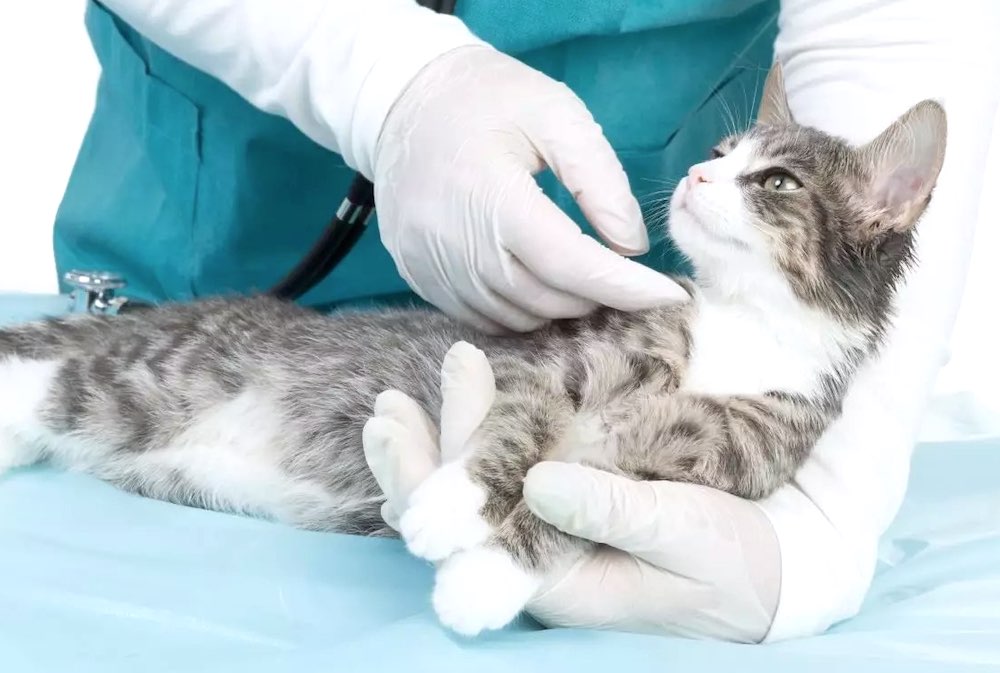
The epidemic of recent years has captivated the entire planet. Humanity is concerned not only with how to prevent the spread of this terrifying virus, but also with its danger to humans and animals. Can cats contract coronavirus, and are they still contagious? Back in 2020, Chinese scientists proposed that animals could also carry this terrifying virus and, like humans, suffer severely from the disease. It was suggested that infection could easily be fatal. To understand the many nuances of epidemiological processes, let's revisit the history of coronavirus. We'll also examine the symptoms that can identify this insidious disease, whether the virus is transmitted between animals, and, if so, how to treat it. Can cats contract coronavirus? Coronavirus infection is a family of viruses that have both overt and latent clinical forms, with an incubation period of 3 to 21 days. The disease is also widespread among animals, causing serious pathologies in them, including death. Concerns about whether cats can contract COVID-19 arose because the infection most often causes acute community-acquired pneumonia.Read more