By extracting minerals, dumping tons of waste, and polluting water bodies, humanity causes serious harm to the planet. However, there are also species within the animal kingdom that negatively impact the environment.
Beavers
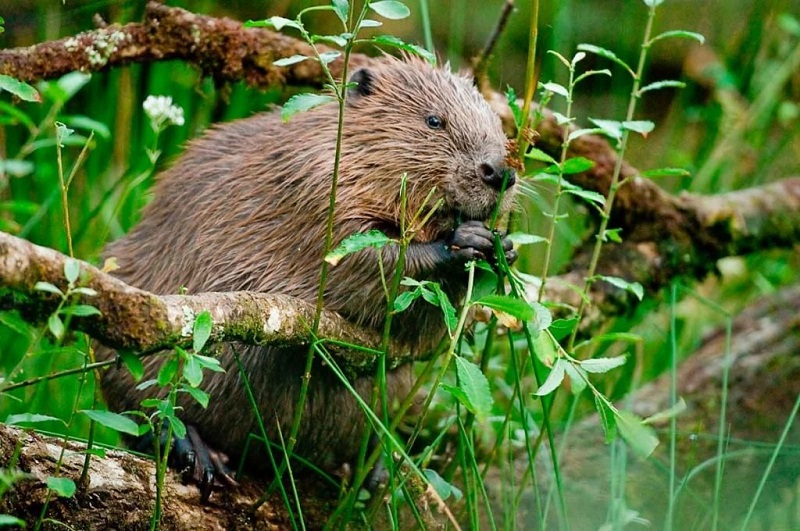
The main damage that beavers cause to nature is the destruction of healthy trees, which the animals subsequently do not use for construction purposes.
In addition, the construction of dams by beavers causes damage to the ecosystem of areas located near the construction site.
The river dams created by beavers trigger the process of plant decay. This, in turn, leads to the release of carbon dioxide and methane, the main greenhouse gases, into the atmosphere.
A typical wetland emits ten times less methane than a beaver pond of similar size.
Cows
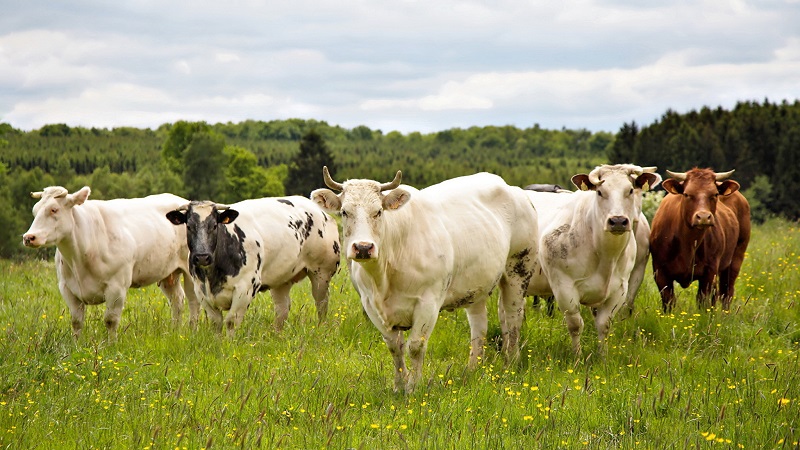
Scientists have concluded that the one and a half billion cows living in the world are damaging the environment, emitting 18% of all greenhouse gases on the planet.
Reasons why cattle can cause harm to the environment:
- To produce fertilizer for feed, build pastures, and transport meat, fuel is burned, which accounts for 9% of carbon dioxide emissions.
- Manure and cow gases are responsible for the release of methane into the environment (more than a third of the total amount).
- Cow excrement produces a large number of harmful substances, including cyanide, nitrates, hydrogen sulfide, heavy metals, and bacteria. It also contains ammonia, which is the cause of acid rain.
- Cow care generates harmful waste that has a negative impact on the environment. For example, when it ends up in the marine environment, it damages coral reefs.
- Preparing land for pastures leads to the destruction of forests.
Squirrels
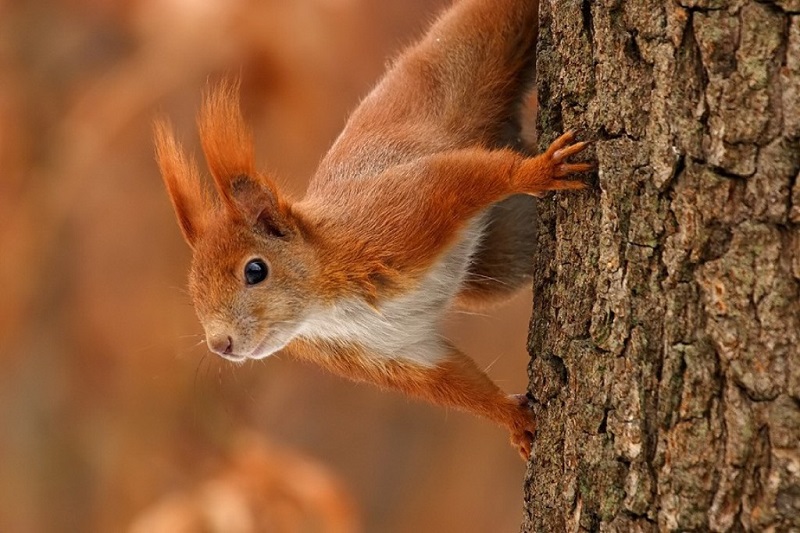
Despite their small size, these red-haired animals pose a serious threat to the growth and development of trees.
When collecting seeds, squirrels nibble on the succulent tops of young trees, thereby inhibiting their growth. Furthermore, rodents accumulate vast reserves of seeds and grains, which may remain untouched.
Squirrels store them under stones or in old tree hollows, which is why the seeds do not germinate and, over time, even spoil.
A similar situation occurs in tropical forests, where squirrels eat the buds and buds of plants, preventing them from developing normally.
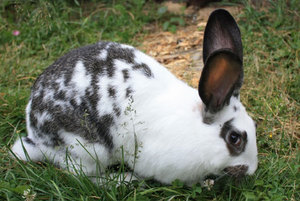
Rabbits
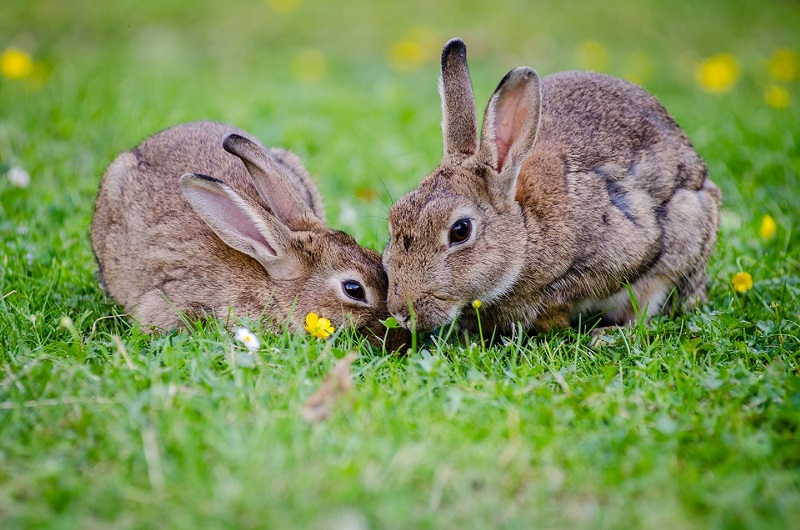
According to American scientists, in ancient times, sailors brought rabbits to the Pacific islands as food for subsequent travelers.
With no predators to control the population in these areas, rapidly multiplying rabbits have destroyed the rare plants.
As a result, soil erosion began on some islands, followed by the destruction of the coastal zone.
In addition to eating relict plants, rabbits displaced native animal species, which were unable to compete with the growing rodent population.
Just over twenty individuals, brought to the islands in the mid-19th century, produced twenty million offspring after forty years.
 Alexander
  Nikita Aksenov
2 comments