The tail of most animals, fish, and birds serves physiological, communicative, and mechanical functions. Depending on the species, it may perform specific functions.
For swimming and flying
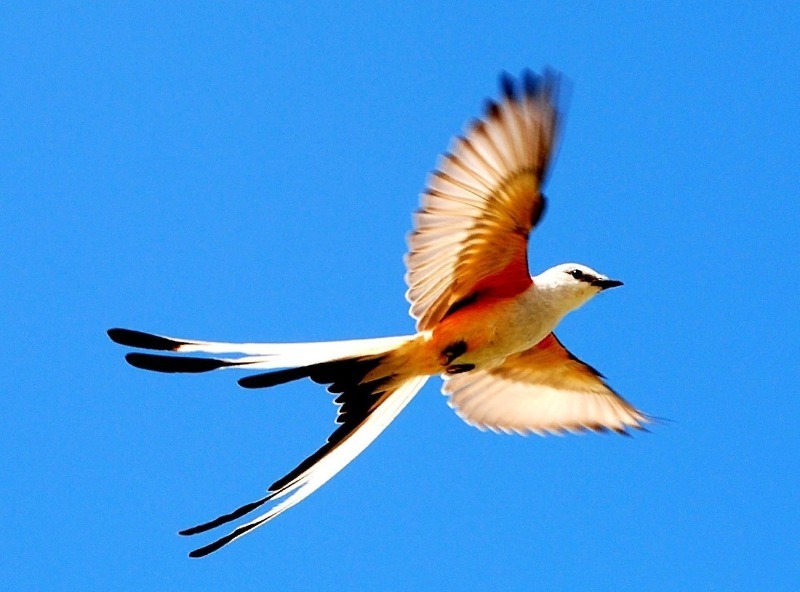
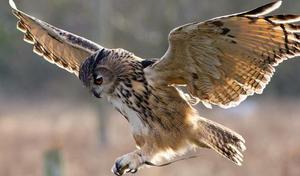
The tail of birds is an adaptation used for directional control, maneuvering, and stabilizing flight. Birds and fish use it as a rudder. The tail's structure allows them to streamline their bodies, which reduces air resistance. Birds can use their tail as a balance beam and brake during landing. In some cases, it can act as a parachute. Chicks use their tail as an additional surface when hovering.
Fishes propel themselves primarily through undulating movements of their bodies. Frequent lateral oscillations of the tail enable rapid forward movement. This organ also changes the direction or depth of dive.
For mating games
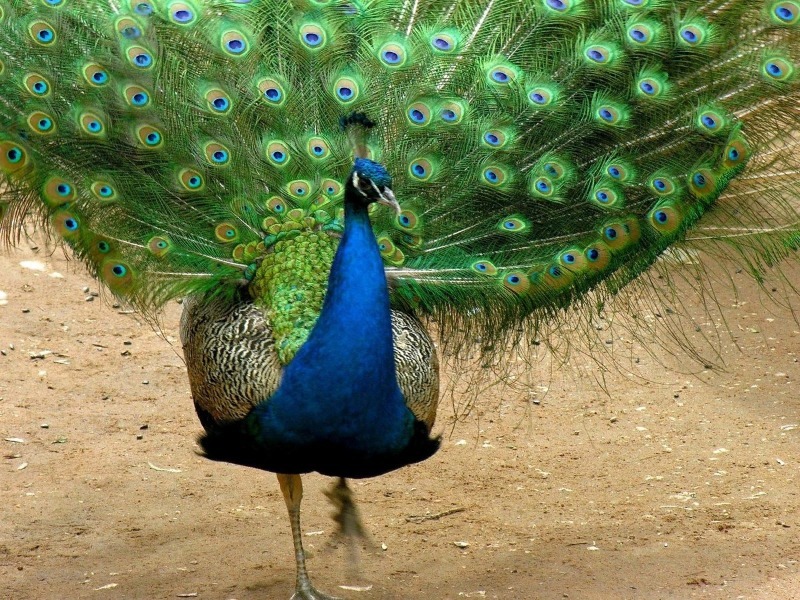
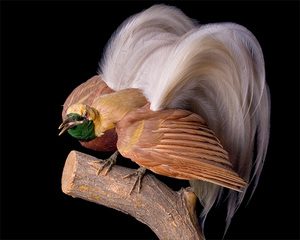
The strange rituals of animals and birds during the mating season are striking in their originality and intricacy. To get what he wants, the male must compete with his rivals for the right to be near his partner. Romance is also a factor. For example, a peacock, to impress his chosen one, often spreads his magnificent tail. The iridescent circles on his feathers remain almost motionless, akin to a piercing gaze. To attract attention, the bird not only spreads its plumage but also makes various sounds and begins to dance. Thanks to the flexible feather joints at the tips of its tail, the "peacock eyes" remain motionless and intently study its chosen one. Birds with dull colors or sparse tail feathers rarely expect reciprocation from a female.
For a fight
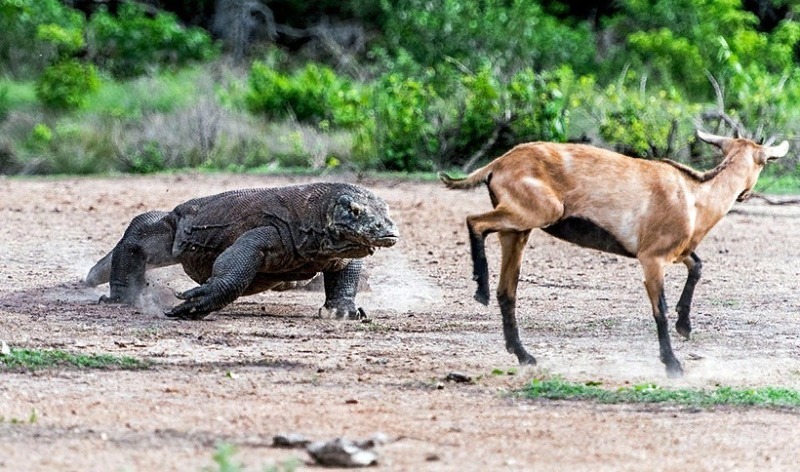
Many predatory animals use their tails to gain the upper hand in fierce battles. The tail accounts for almost half of a monitor lizard's length. Deer are hunted from ambush. The animal knocks down its prey with its tail, often breaking the legs of its "future meal." Crocodiles bring down large prey with a powerful blow of their tail. When attacking, they use it for support and to push off the ground when jumping. Snakes also use this technique. Australian geckos (Diplodactylus) have glands at the tip of their tails filled with a viscous, poisonous fluid. This fluid is used to repel enemies and defeat them in mortal combat.
To deceive rivals
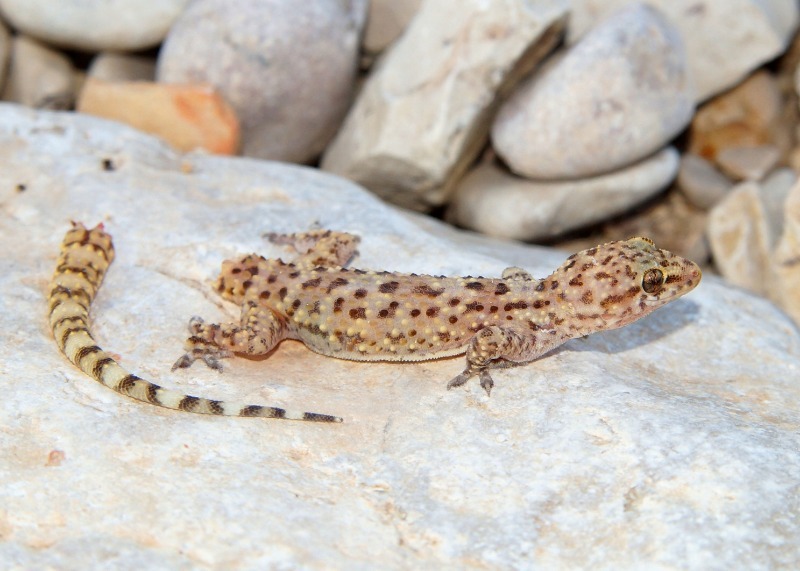
Many snake species use their tails as lures for prey. They are brightly colored, reminiscent of worms. The snake itself blends into its surroundings. Only a small portion of its tail remains visible, attracting birds and other predators eager to sample the worms. A careless approach to the trap can lead to a lightning-fast strike. A fox covers its tracks with its lush, luxurious tail, throwing off pursuing dogs. Lizards can shed their tails when threatened. This limb is broken off by a sudden contraction of the tail muscles.
For non-verbal communication

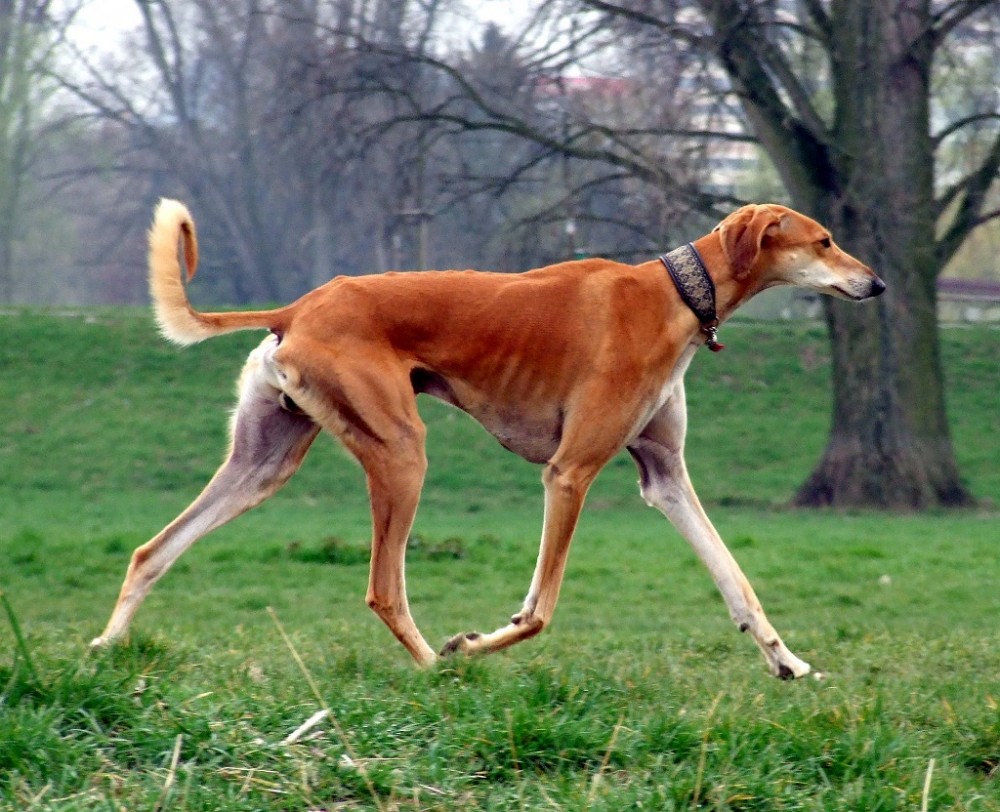
Dogs and cats communicate with each other and with humans using tail movements. This signal can easily indicate the animal's emotions. When confronting an adversary, the tail will assume a "fighting stance," indicating a readiness to defend its rights to property, territory, or life. If a pet is happy to see its owner, it will greet them with a wagging tail.
To wave away
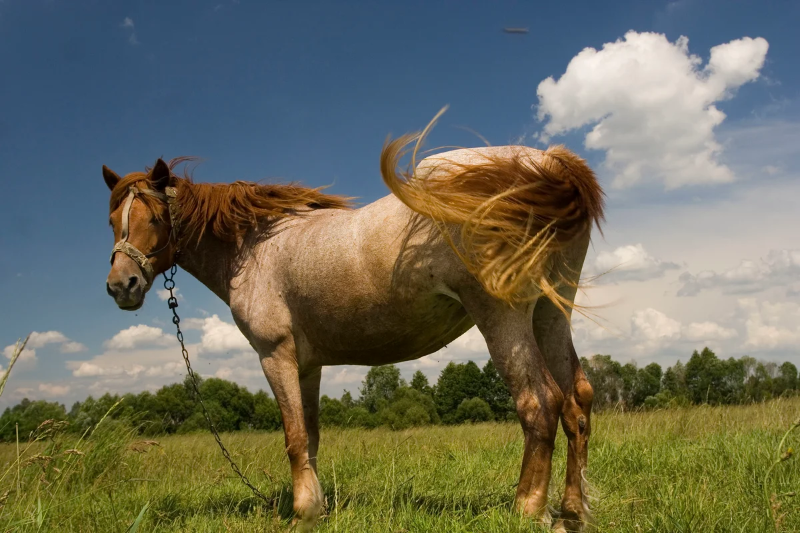
Cows and some other animals rely on their tails to protect themselves from hornets, mosquitoes, and flies. They can shake off these pesky parasites from their bodies.
For movement
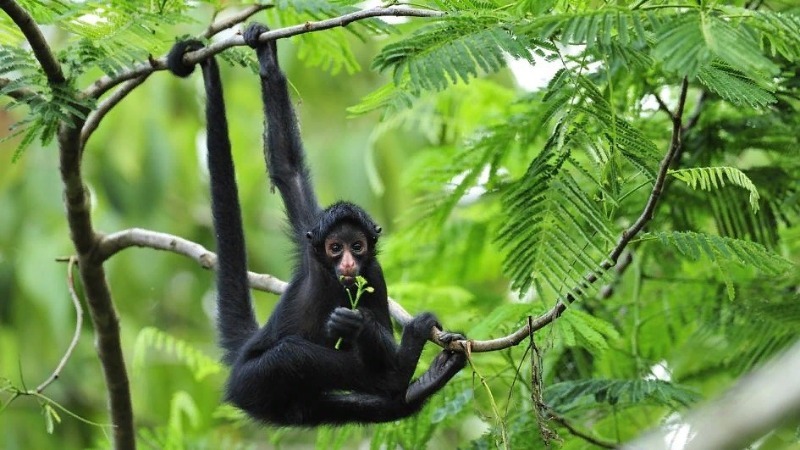
Using their tails as a fifth paw is common among animals that frequently navigate tree branches. Monkeys, marsupials, and some species of mice would be uncomfortable without this versatile adaptation. They hang from the branch, using their other limbs to gather food. Foxes use their tails when moving to provide maneuverability and increase running speed. Cheetahs can reach speeds of up to 114 kilometers per hour and are considered the fastest animals on the planet. Their long tail provides additional balance when making sharp turns at full speed. Thanks to the skillful use of their tails, these predators move quickly and swiftly across the landscape.
To preserve fat reserves
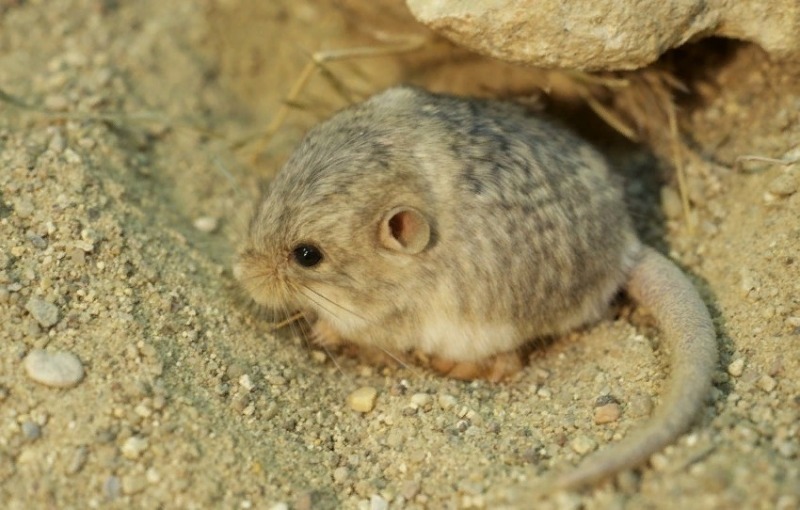
The tail plays an indispensable role in the lives of many animals. In lizards, this end serves to store nutrients. The plumpness of a reptile's tail can be used to judge its health. Pygmy jerboas, marsupial mice, and fat-tailed gerbils store fat reserves for the winter directly in this part of the body.