 The Astronotus is an aquarium fish belonging to the cichlid family. It differs from other species in its relatively large size and, as a predator, requires special care. This fish is native to the Amazon River basin.
What does it look like?
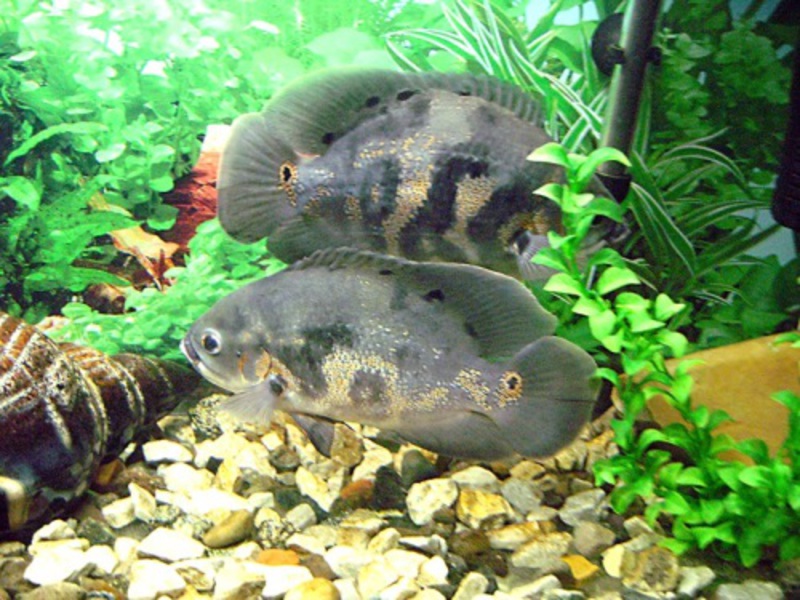
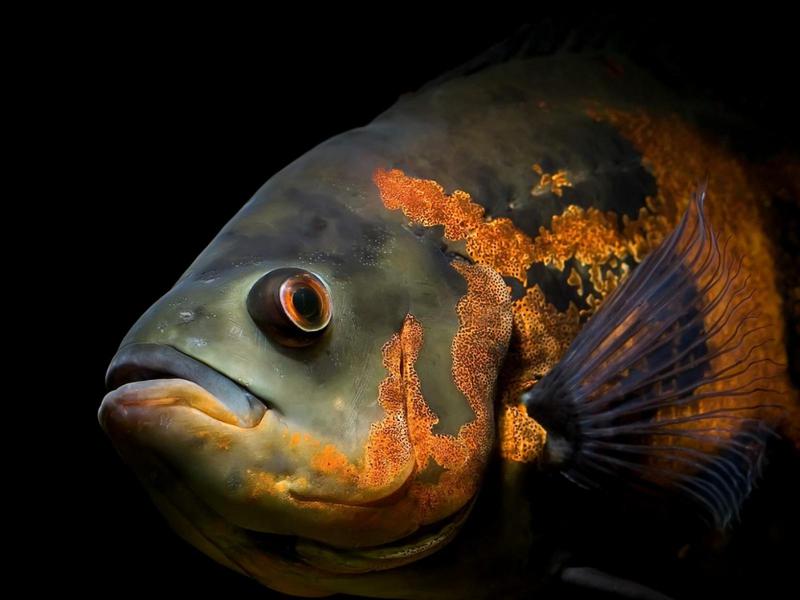
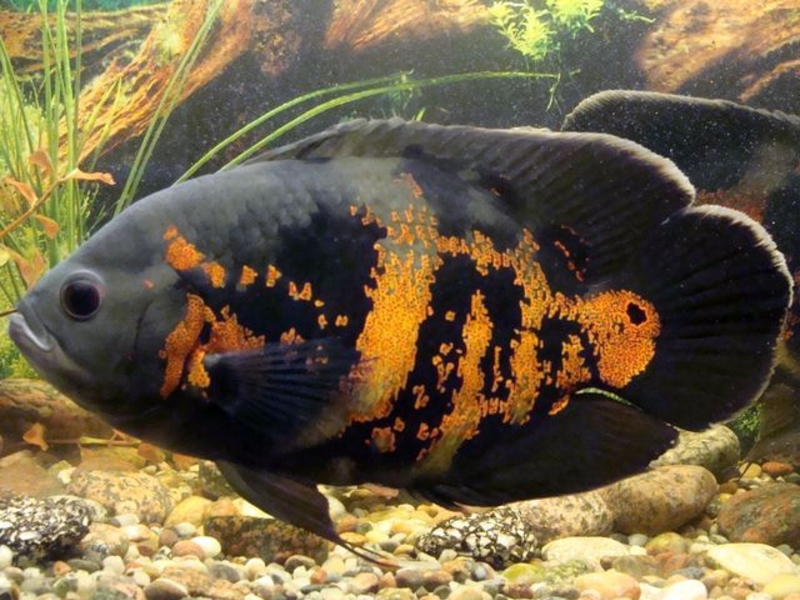
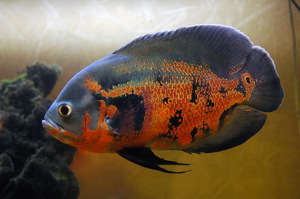
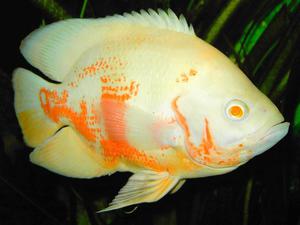
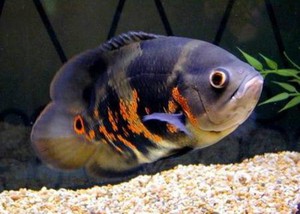
The Astronotus is a very beautiful and distinctive fish. It has a large head and eyes, while its body is oval and laterally flattened. One distinctive feature of this species is its pronounced convex foreheadThe astronotus has large fins, with a blurred spot resembling an eye located above the upper fin. This is where this aquarium beauty gets its other name: the ocellated astronotus.
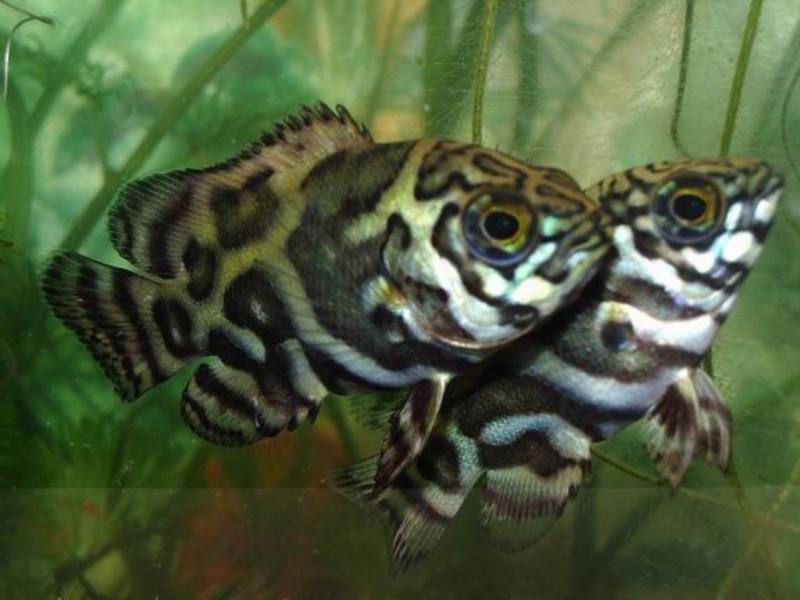
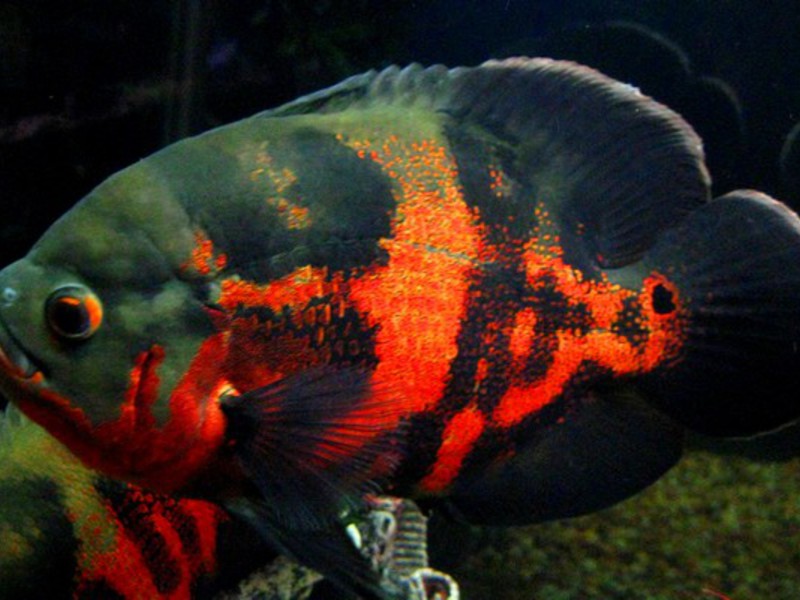
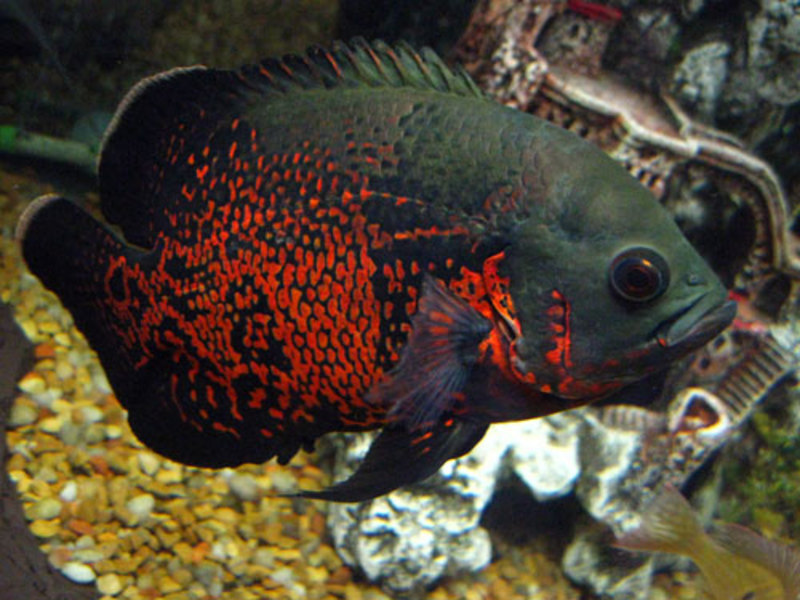
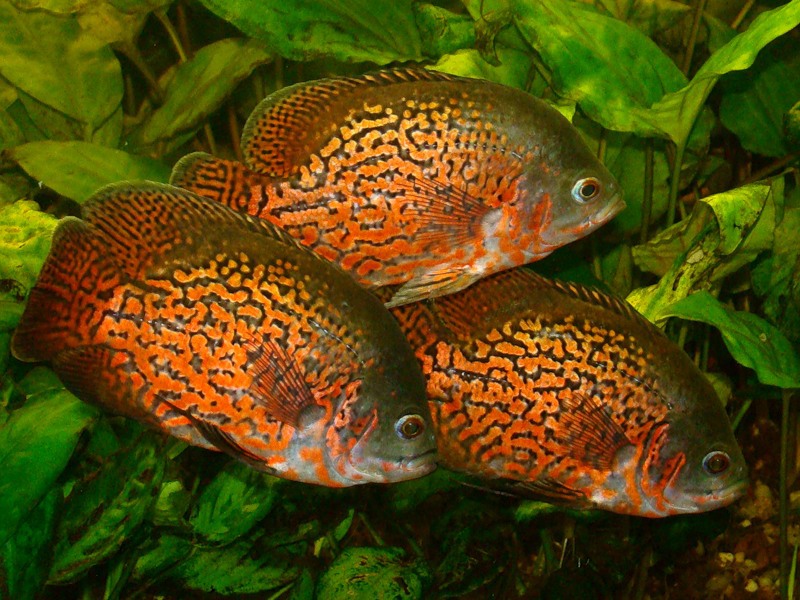
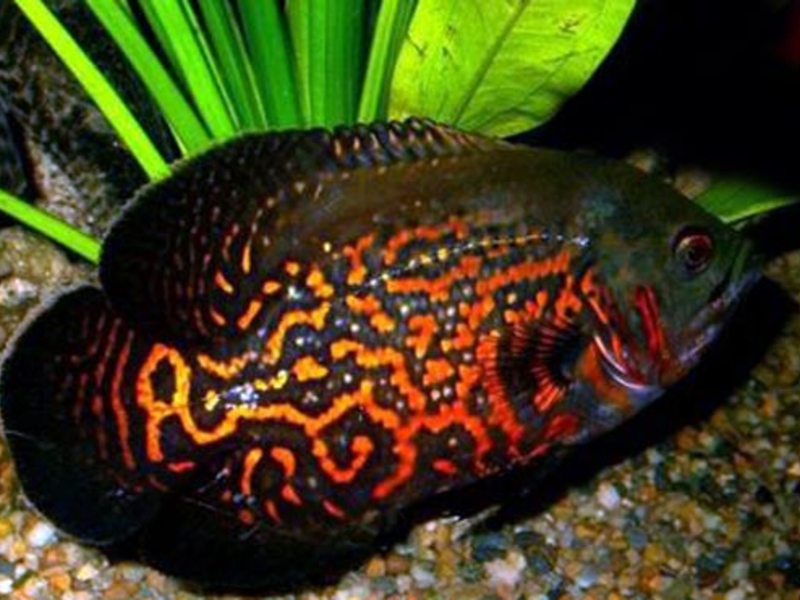
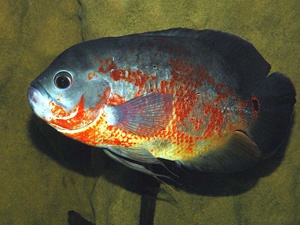
The spotted astronotus can come in a variety of colors. You can admire them in various photos. The body itself is usually dark gray or charcoal, with diffuse spots of various colors. The most popular fish are those with red and yellow markings, often with a border of richer hues around the spot or stripe. The astronotus changes color with age. Young specimens have a less pronounced color, but with age, the color becomes richer and more intense.
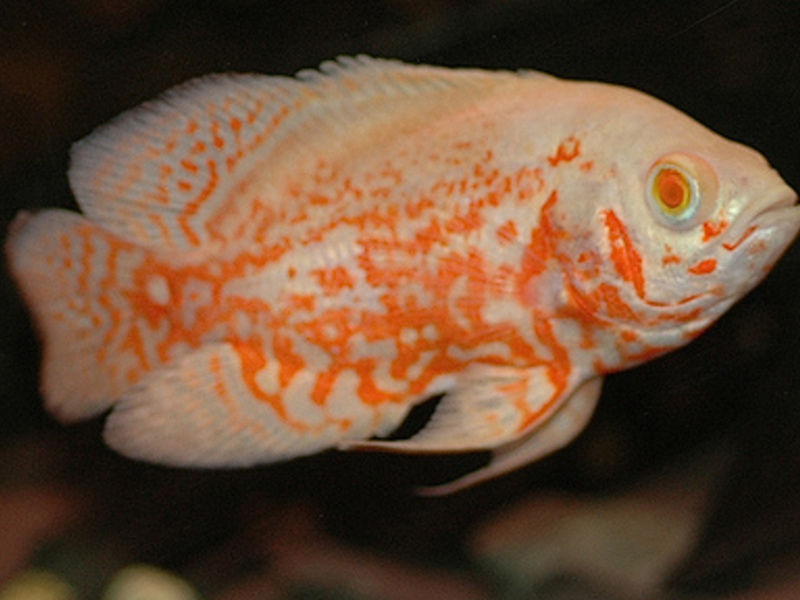
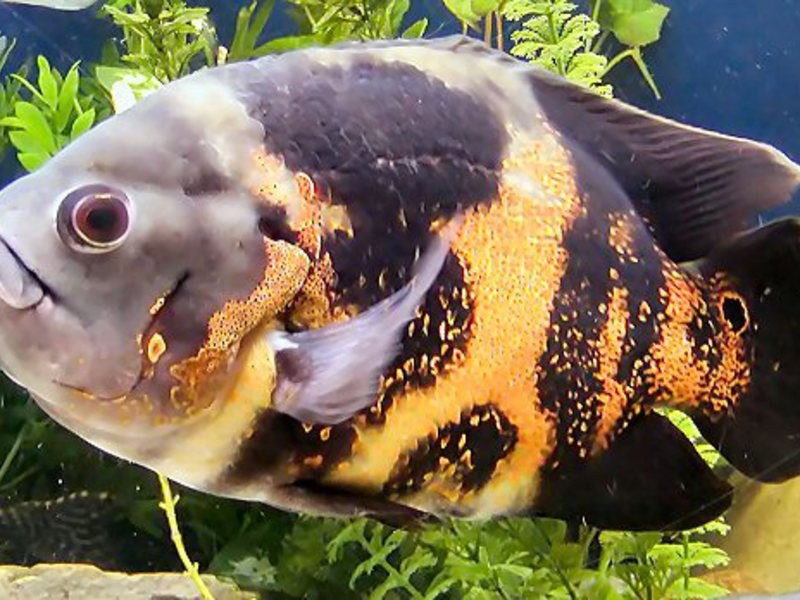
Breeders have succeeded in creating the most unusual and interesting colors in aquarium inhabitants. For example, you can find the Astronotus albino, whose body is white. It is very popular among aquarium fish collectors. Tiger astronotusIt gets its name from the beautiful, vibrant red stripes across its body. The tiger cichlid can also have a brown body dotted with crimson and orange spots. Recently, breeders have succeeded in creating some rather exotic cichlid colors, including golden, blue, and marbled varieties. Astronotus photos show the most unusual and interesting color variations.
Astronotus are very intelligent fish, with their own distinct personality and intelligence. Over time, they can recognize their owner and allow themselves to be fed from their hand. However, they are very cautious and shy, seeking refuge in a safe place at the slightest loud sound. Interestingly, Astronotus can watch their owner closely while doing chores. Some individuals even allow themselves to be petted. However, extreme caution should be exercised with these fish, as they are predators and may bite.
Astronotus are quite large. They reach 30-35 cm in length, growing to this size within 3-4 years. Therefore, a large, spacious aquarium is essential. Furthermore, as they mature, they crowd out other aquarium inhabitants, simply eating them.
Conditions of detention
 Creating the necessary conditions for astronotus is quite difficult, since they are quite large. The minimum volume of water in which these representatives should be kept should be not less than 100 lThis applies if a person plans to have two representatives. A larger number requires a larger volume.
Astronotus are not picky about water composition, so the following liquid is ideal:
- with acidity pH from 6 to 8 units;
- hardness up to 23 degrees;
- The optimal temperature for keeping is 22-25 degrees, astronotus can withstand a temperature drop to 16 degrees.
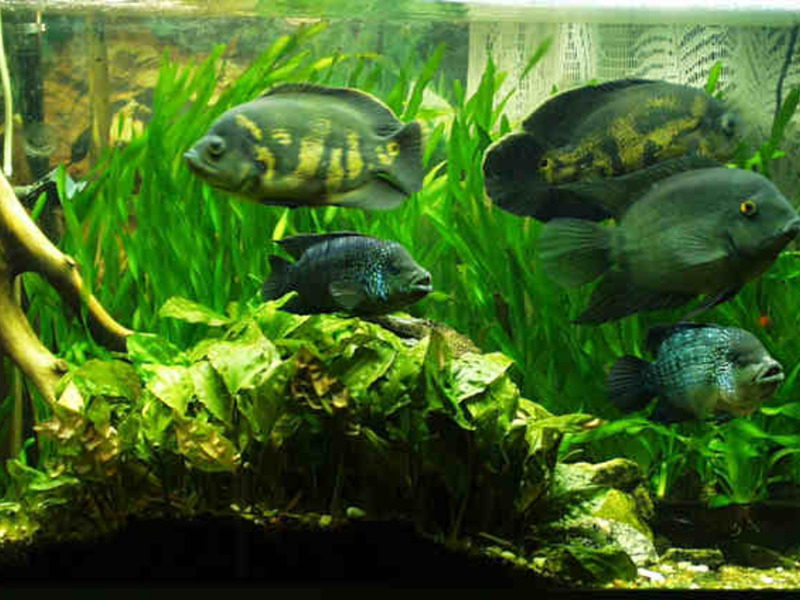
Since Astronotus are predators, they will prey on any other fish in the aquarium. This makes it impossible to keep them with other fish. Consequently, it's impossible to create a natural biosphere in the aquarium. Astronotus can only tolerate certain types of live plants, including ferns, Bolbitis and Echinodorus, while other species are simply torn off or plucked. Therefore, artificial plants, attached with special weights, are often used in aquariums.
Due to the large size of Astronotus scaly-sided fish, up to 30% of the aquarium's water needs to be changed weekly. This is also due to the lack of a normal biosphere, making favorable living conditions quite difficult to maintain. The aquarium should also be equipped with strong biofilters, as Astronotus scaly-sided fish produce a large amount of biological waste, and if this waste is not removed, ammonia will form, which is harmful to the aquarium's inhabitants.
Keeping astronotus in an aquarium involves using it as a substrate large pebbles or coarse sandFish of this species rummage through their contents to avoid injury, using these materials. Unusual driftwood or twigs can be used to decorate the aquarium, but be careful to ensure they don't have sharp edges, otherwise the fish may injure themselves.
Feeding
 Astronotus fish should be fed twice a day. However, larger specimens should be fed once a day, but the food should be generous. Avoid feeding these fish small aquarium food, as they won't notice it, and it will rot on the bottom of the tank.
Astronotus are being fed sea fish fillet, squid, pieces of raw meat, beef liver, and heart. Bloodworms can also be used as food, but it's best to feed them to young fish, as larger specimens require too much. Earthworms can be fed, but they must be soaked in water for 3-4 days and then cleaned of any soil.
Astronotus can also be fed with special granulated food, but it is important to ensure that the granules are large and suitable for cichlids.
In some cases, astronotus are fed with fish specially bred for this purpose, which include guppies, urine bearers, and goldfishHowever, you shouldn't buy them in stores, as these species can carry various diseases.
Astronotus also thrive on hard-leaved and floating plants. They can also be fed lettuce leaves, but it's best to scald them with boiling water first, as well as green peas and spinach.
When keeping astronotus, you should not overfeed them, as they will later beg for food from their owner.
Compatibility with other fish
 While Astronotus are small in size, they get along with any representatives of the aquarium world. As soon as reach 10-12 cm in length, then they begin to show aggression towards other species, try to displace all the fish, eat and swallow them.
Astronotus are best kept alone; they can only tolerate larger or very spiny fish. They will get along well with:
- cichlasomas;
- synodontis;
- pterygoplichthys.
All other species will be eaten. Those who decide to keep astronotus should understand that there will be no aquarium exotics, since these smart fish will simply dig up or eat even many plants.