Lactobifadol for dogs is a product that normalizes intestinal microflora. Its comprehensive action eliminates digestive problems, improves the condition of the animal's skin and coat, and helps strengthen the immune system and increase the body's resistance to infections and various forms of negative environmental influences.
The bacteria in the composition are resistant to antibiotics, so it can be included in the treatment regimen for infectious diseases.
Composition and release form
In its composition, this product is a probiotic preparation containing the following components:
- lactobacilli;
- bifidobacteria;
- vitamins;
- mineral components.
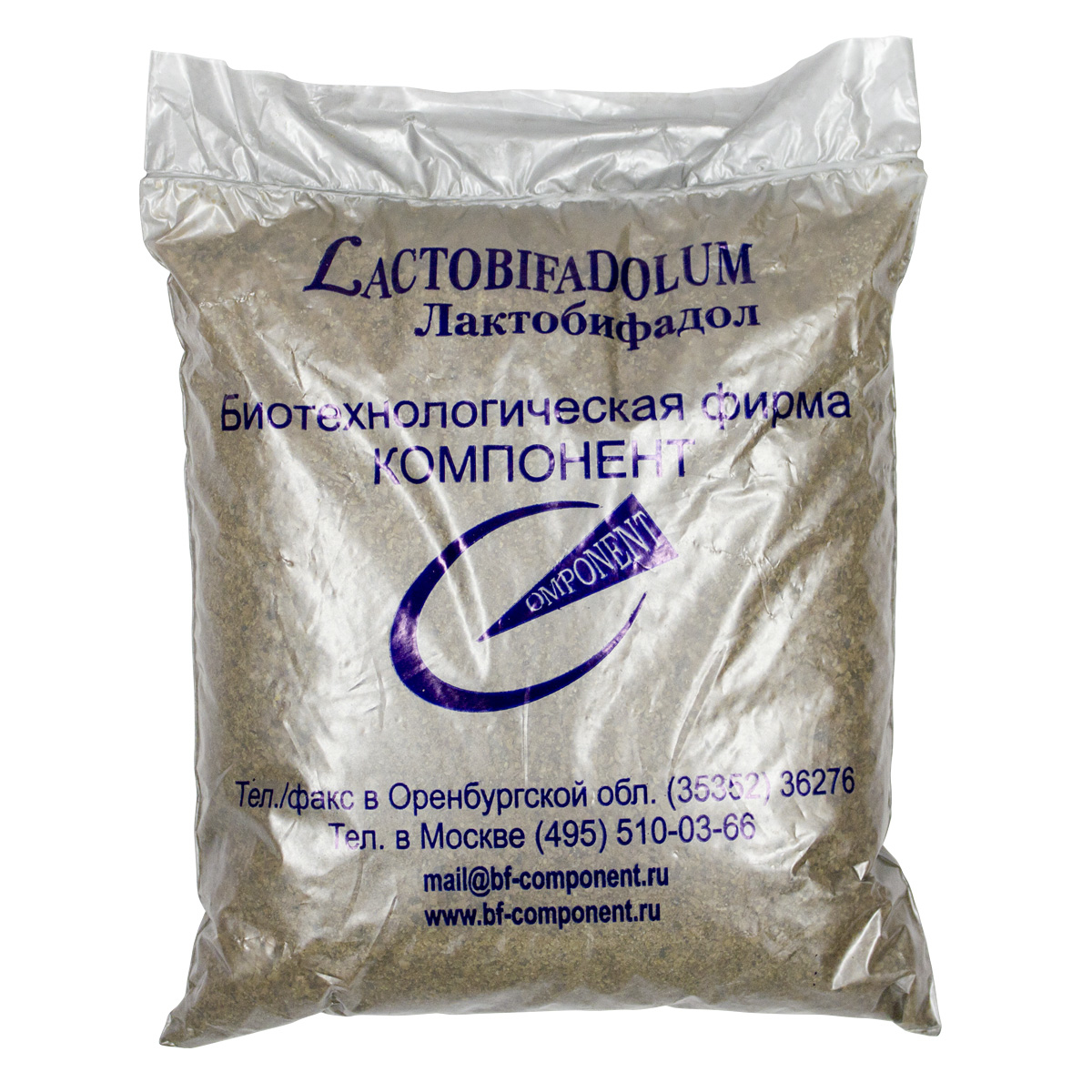
The factory packaging consists of polyethylene bags in which the powder is packaged in 50g quantities.
Bifidobacteria are characterized by their activity against pathogenic microflora found in dogs' intestines and their ability to adapt to the animal's body. During the drying process, the microorganisms retain their ability to reproduce and, when administered in a course, colonize the large intestine, displacing pathogenic microflora. Furthermore, the microorganisms included in the preparation are resistant to antibacterial drugs:
- gentamicin;
- nystatin;
- ampicillin;
- kanamycin;
- penicillin.
This property makes it possible to use lactobifadol in combination with antibacterial therapy and minimizes adverse reactions to antibiotics.
The medication is available as a powder for oral administration. The dosage form is a uniform beige powder, although yellowish or white tints are also acceptable.
Prescription of the drug
The medication is intended for the treatment of dysbacteriosis in dogs, including effective treatment of diarrhea caused by this condition. There is also evidence that the drug can prevent obesity in animals.
The use of Lactobifadol promotes normal growth and proper physical development.
In addition, a positive effect from the use of the drug is observed in the following conditions:
- indigestion;
- metabolic disorder;
- decreased immunity;
- dermatitis and other ailments accompanied by deterioration of the skin and hair;
- preventive therapy of intestinal diseases;
- pregnancy and the postpartum period (in these cases, the drug is used both to strengthen the immune system and to increase lactation).
Lactobifadol is also successfully used as a component of a complex treatment regimen in combination with agents from the following groups:
- antibiotics;
- antihistamines (antiallergic) drugs;
- antitumor drugs.
In dogs over seven years of age, lactobifadol is used to prevent the development of age-related dysbacteriosis.
The results of using the drug are:
- increasing the dog's appetite;
- reduction of gas formation in the animal’s intestines;
- normalization of metabolism;
- improving the condition of the skin and coat.
In dogs prone to digestive disorders, regular courses of lactobifadol significantly reduce the incidence of these disorders. In many cases, with continued treatment, gastrointestinal function is completely restored.
Lactic acid, secreted by lacto- and bifidobacteria that proliferate in the large intestine, contributes to improved function. This substance acts in two ways:
- inhibits the growth of pathogenic bacteria;
- activates peristalsis of the large intestine, which helps eliminate congestion.
Contraindications
The drug lactobifadol is contraindicated for dogs that have previously shown hypersensitivity to any of the components of the drug.
There are no other conditions that are contraindications to the use of this drug.
Directions for use
The dosage regimen of the drug depends on the weight of the animal. Per kilogram of weight, the dog should be given 0.2 g of lactobifadol.
The recommended frequency of use is once or twice a day.
The product should be given to the animal by mixing it with a small amount of water or its usual food.
Lactobifadol should not be added to hot food.
It is recommended to continue taking the medication while treating certain conditions until a stable effect is achieved. For prophylactic use, the recommended course duration is 10 days. For certain conditions, specialists recommend continuous use.
Possible side effects
To avoid side effects, do not use the drug after the expiration date or if the packaging integrity is compromised.
When using lactobifadol, changes in the dog's stool pattern are sometimes observed during the first few days of treatment. Subsequently, the condition returns to normal without any additional measures.
In the vast majority of cases, the drug is well tolerated. This is because it contains natural, not modified, microorganisms.
It has been established that exceeding the required dosage is not capable of leading to any significant disturbances in the functioning of the dog's body.
In rare cases, individual intolerance reactions to the drug's components, such as gastrointestinal disturbances, have been observed. These symptoms resolve spontaneously after discontinuing lactobifadol.
When treating your dog with lactobifadol, follow the instructions for use and dosage. If adverse reactions occur, discontinue use and consult a veterinarian if symptoms persist.