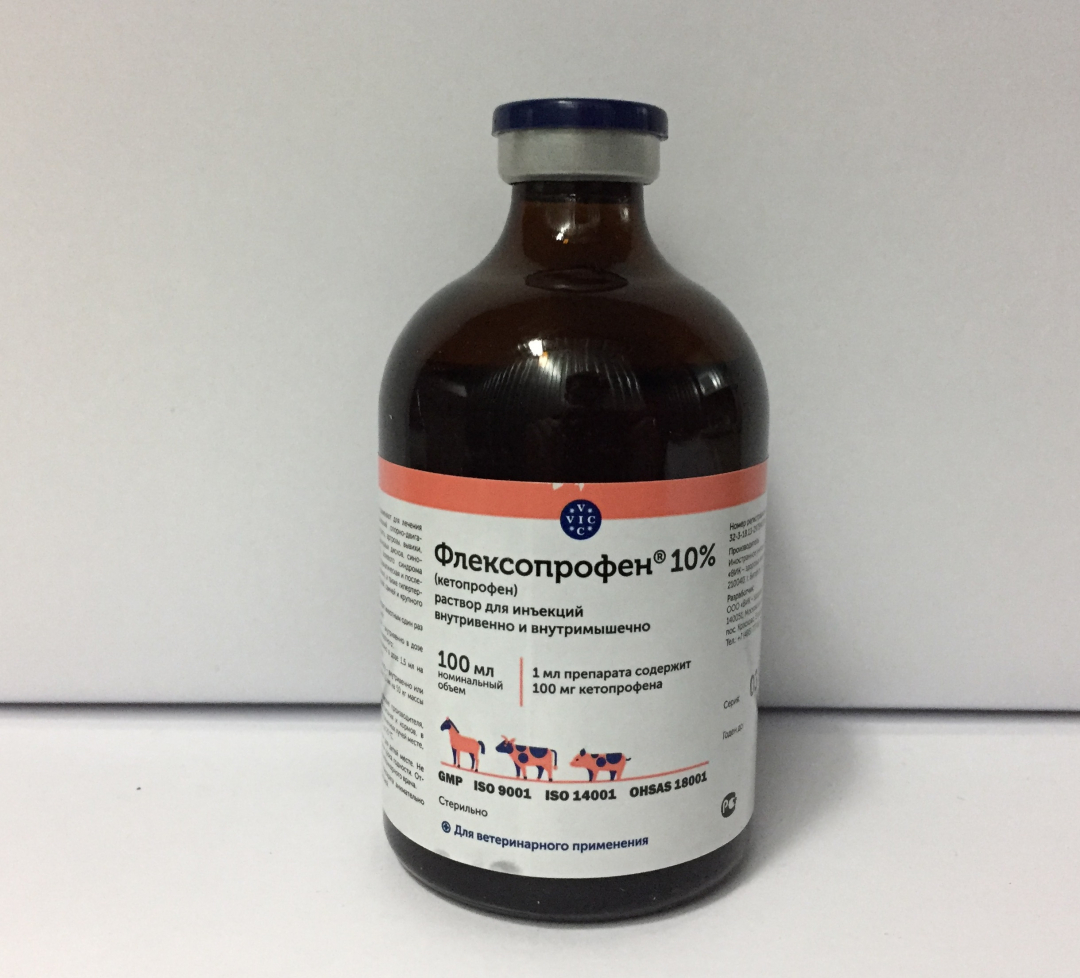
Treating inflammation of the musculoskeletal system in animals requires the use of veterinary medications. One such medication is Flexoprofen for dogs. It is also effective for pain and fever. It is available as an injectable solution. The dosage and duration of treatment should be discussed with a veterinarian. The medication has contraindications.
Release form and composition
Flexoprofen is a non-steroidal anti-inflammatory drug. The generic name is ketoprofen. It is available as an injection solution. Dosages are 25, 50, and 100 mg.
Auxiliary components:
- citric acid;
- L-arginine;
- water;
- alcohol.
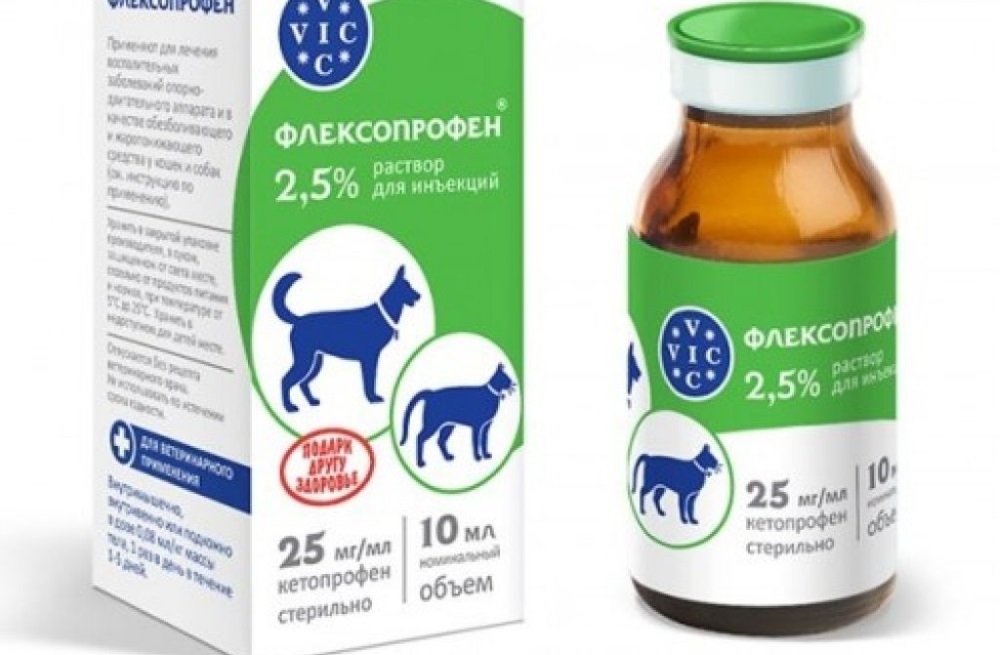
A clear, colorless or yellowish liquid. The active ingredient is ketoprofen. It is available in dark brown vials packaged in small cardboard boxes. Store in the original packaging in a dry, dark place. Temperature: 5–25°C. The shelf life is 3 years. After the expiration date, the vial should be discarded. Keep out of the reach of children, away from food and feed.
Ketoprofen crystals may precipitate. This does not affect the quality of the product; the precipitate disappears when the temperature rises.
Properties
The therapeutic effect of Flexoprofen is due to the action of the active substance - ketoprofen, which is a derivative of propionic acid.
Main pharmacological properties:
- anti-inflammatory;
- antipyretic;
- pain reliever.
Flexoprofen for dogs is effective in treating painful inflammation. When administered intramuscularly, peak ketoprofen concentrations are reached within half an hour. The medication is eliminated via the kidneys.
The drug works by blocking the production of substances that cause inflammation. Depending on the dog's breed, weight, and size, the body can absorb 85-100% of the drug. Flexoprofen does not accumulate in the dog's body and is not addictive.
Indications
The medicine is given to dogs in the following cases:
- treatment of inflammatory phenomena of the musculoskeletal system (arthrosis, arthritis, herniated discs, edema, dislocations, tendosynovitis, synovitis);
- pain relief for postoperative and traumatic symptoms, colic;
- reduction of fever.
Contraindications
According to the instructions for the drug, Flexoprofen is contraindicated:
- pregnant women;
- in case of intolerance to ketoprofen and auxiliary components of the drug;
- dogs with hemorrhagic syndrome;
- for gastric ulcer and duodenal ulcer;
- in case of renal and hepatic insufficiency.
The drug is incompatible with other anti-inflammatory drugs, as well as with diuretics, anticoagulants and glucocorticoids.
When handling injection solutions, safety precautions prescribed for veterinary medicinal products must be observed. Personal hygiene rules must be observed. In case of accidental contact with skin, eyes, or mucous membranes, rinse immediately with water.
Flexoprofen solution must not be mixed with other veterinary drugs in the same syringe.
Instructions for use
According to the manufacturer's official instructions, Flexoprofen injections for dogs are administered intramuscularly, intravenously, or subcutaneously. The dosage is a single dose of 2 mg/kg of the pet's body weight, once daily. The course of treatment is 1 to 5 days.
Empty bottles must not be used for other purposes and should be disposed of.
Side effects
No complications or adverse effects have been observed with the medication. If intolerance or allergic reactions occur, discontinue use.
Analogues
If Flexoprofen for dogs is unavailable, alternatives are available. These medications contain the same active ingredient, ketoprofen, and serve the same indications: treatment of inflammatory conditions of the musculoskeletal system associated with pain.
Ketoquin
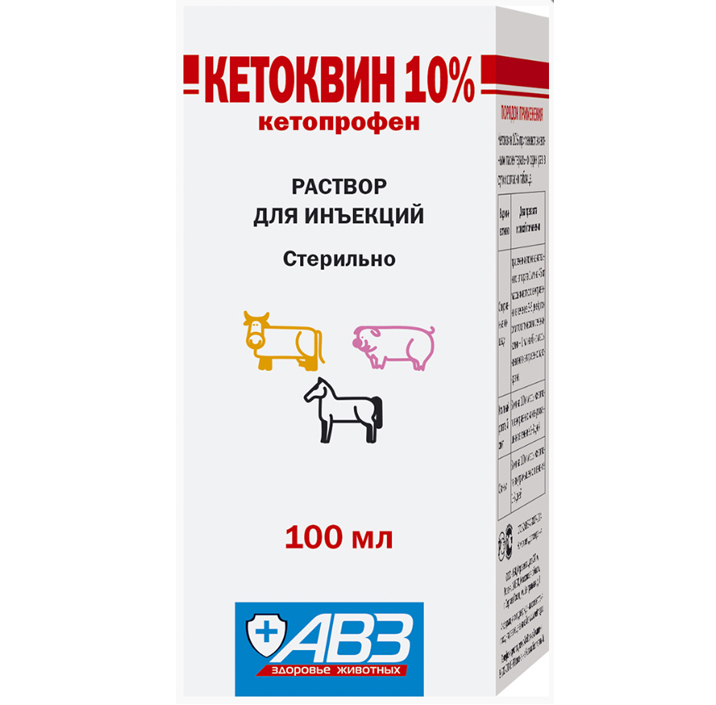
The dosage form is an injection solution. There are no age or breed restrictions for this medication. The composition, indications, and contraindications are the same as those of Flexoprofen. The injection dosage is 0.2 ml/kg of animal weight. The course of treatment is 1–3 days.
Possible side effects from drug overdose:
- depressed breathing;
- irritation of the walls of the gastric mucosa;
- black feces;
- vomit;
- convulsions.
If allergic reactions occur, stop taking Ketoquin.
Ketofen
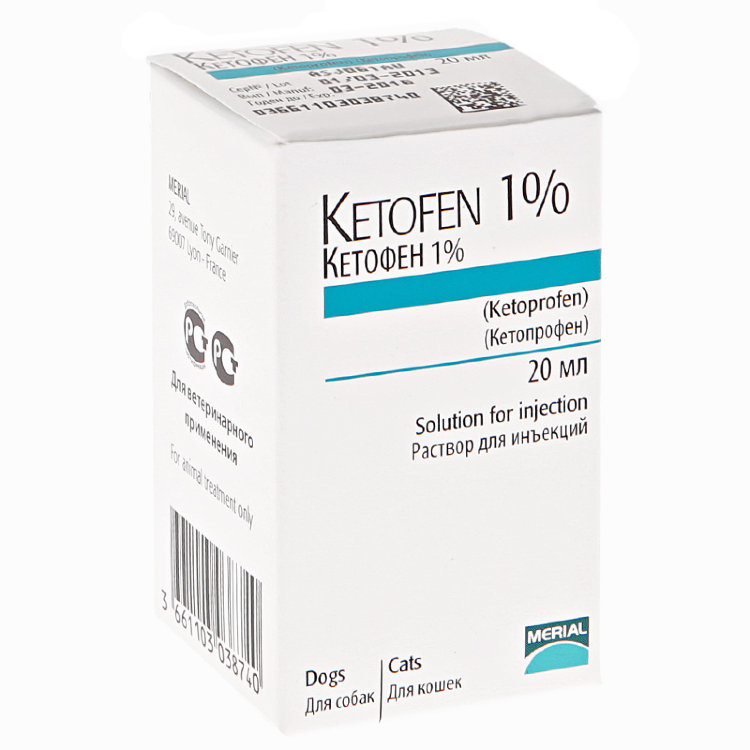
It is available as an injection solution. The active ingredient is ketoprofen, and the excipients are water and alcohol. Injections for dogs are prescribed in the same cases and in the same dosage as with Flexoprofen.
Ketofen has only one contraindication: intolerance to the medication's components. Side effects include vomiting and irritation of the stomach lining.
Ainil
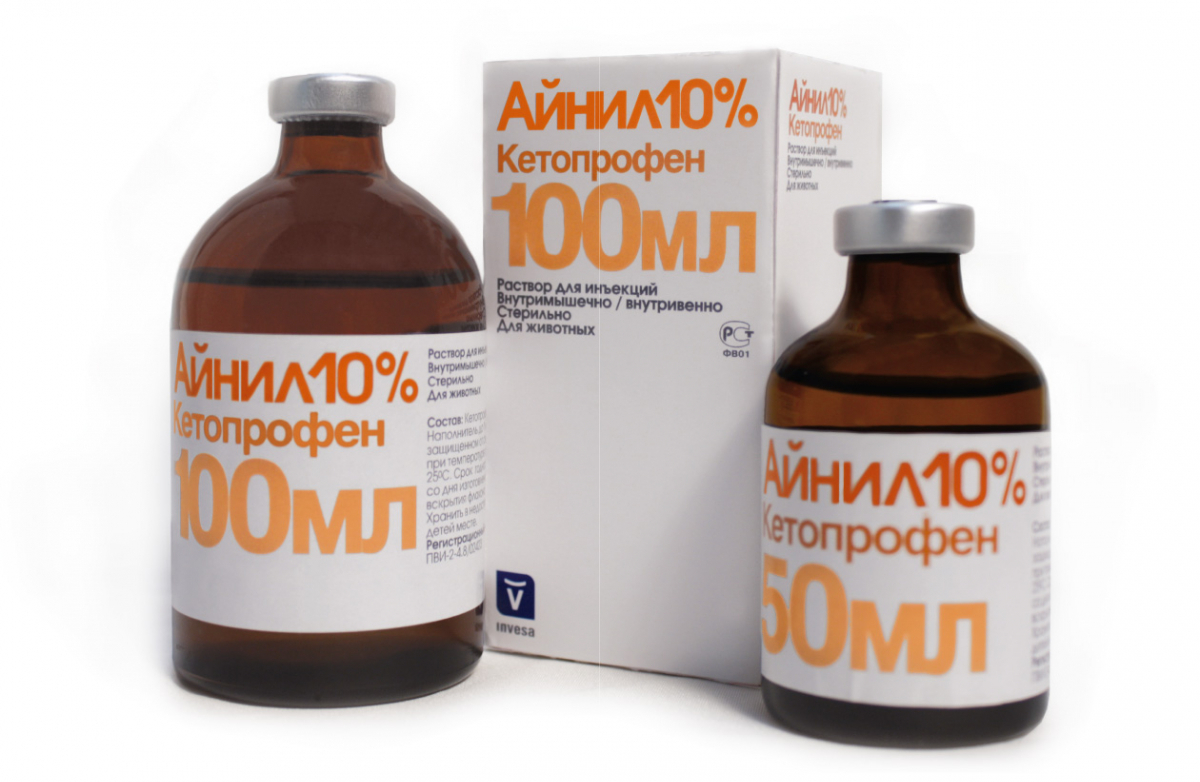
The drug is a colorless, transparent injection solution. The active ingredient is ketoprofen, and the other ingredients are citric acid, alcohol, water, and arginine. Indications and dosage are similar to Flexoprofen.
Ainil is contraindicated in cases of individual sensitivity to the components of the drug, ulcerative lesions of the gastrointestinal tract, renal failure and hemorrhagic syndrome.
When used as directed, Flexoprofen has anti-inflammatory, analgesic, and antipyretic effects. The individual dosage and duration of treatment are determined by a specialist. If you follow the instructions for use, there will be no side effects.