As dogs age, especially purebreds, they are predisposed to developing musculoskeletal disorders. This manifests itself through limited mobility. Initially, when climbing stairs, and later even when walking normally, pets may begin to lick their joints constantly, whine, and avoid being touched. The appearance of such symptoms is a reason to consult a veterinarian, who, after an examination, will prescribe the necessary treatment. Arthroglycan for dogs is an effective treatment.
Content
Composition and release form
The composition includes active substances that are the main components of bone and cartilage tissue
Arthroglycan belongs to the group of chondroprotectors (from “chondro” – cartilage and “protector” – protection), the main task of which is the formation, restoration and slowing of the destruction of cartilage tissue in the joints. They also normalize metabolic processes in the affected area and have an anti-inflammatory effect.
Arthroglycan also replenishes the deficiency of vitamin E, selenium and calcium.
Table 1. The main active components of Arthroglycan and their action
| No. | Component name | Content in 1 tablet, mg | Main functions |
| 1 | Chondroitin sulfate | 200 |
|
| 2 | Glucosamine hydrochloride | 100 |
|
| 3 | Selenium-Methionine | 50 |
|
| 4 | Calcium gluconate | 100 |
|
| 5 | Vitamin E | 20 |
|
Release forms and price
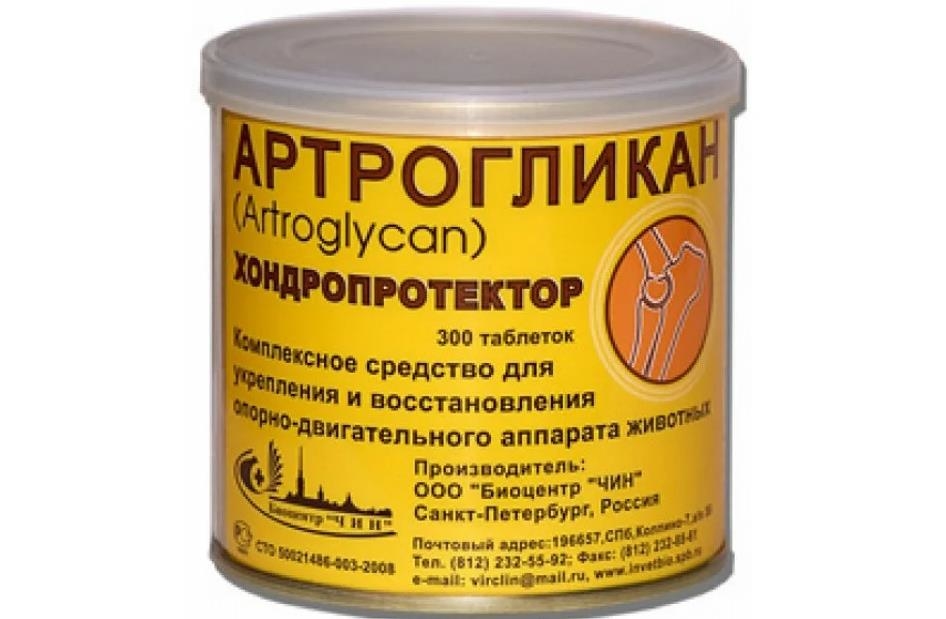
Opened packaging should not be stored for more than 2 years.
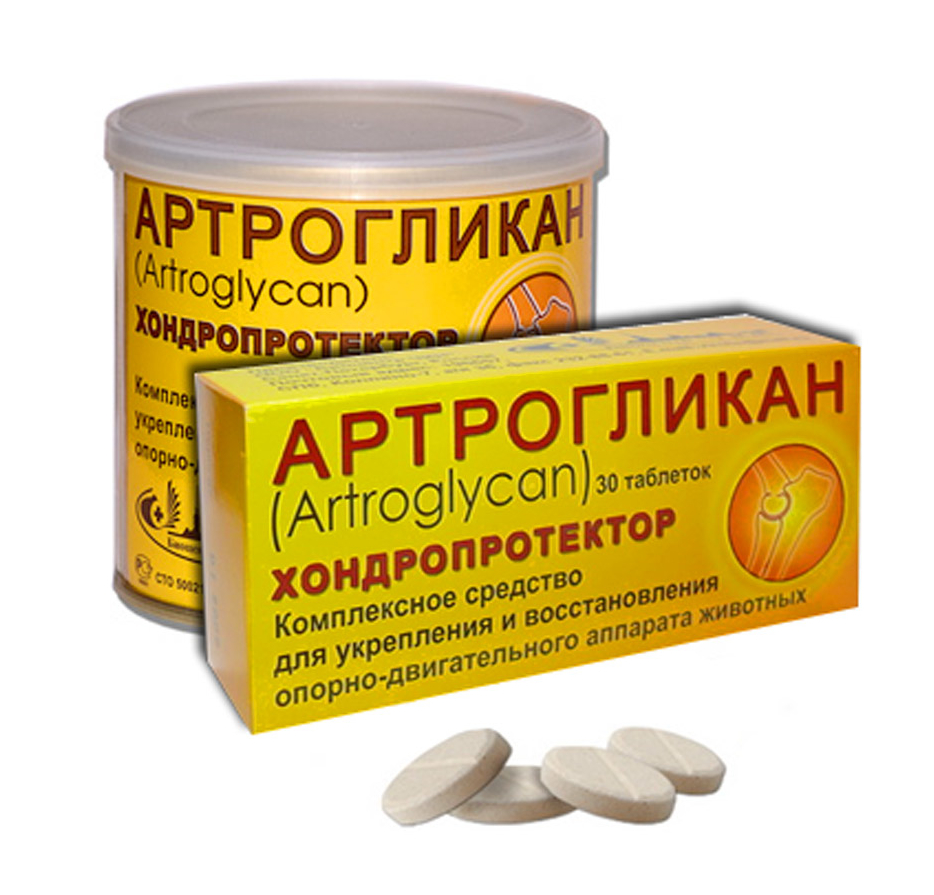
Arthroglycan is produced in the form of flat, round tablets of light grey or beige colour with a dividing groove in the centre.
The drug is available in two types of packaging:
- a cardboard package containing 3 blisters of 10 tablets of the drug;
- a plastic jar containing 300 dragees.
The product must be stored in a dry, dark place, out of the reach of children and animals, with a temperature of no lower than 0ºС and no higher than 25ºС.
Average cost of Arthroglycan in Russia:
- a pack of 30 tablets — 250–300 rubles;
- container of 300 tablets - 1900-2300 rubles.
This drug has no complete analogues in terms of active ingredients; there are only drugs with similar effects.
The manufacturer of Arthroglycan is the Russian company Biocenter CHIN.
Prescription of the drug
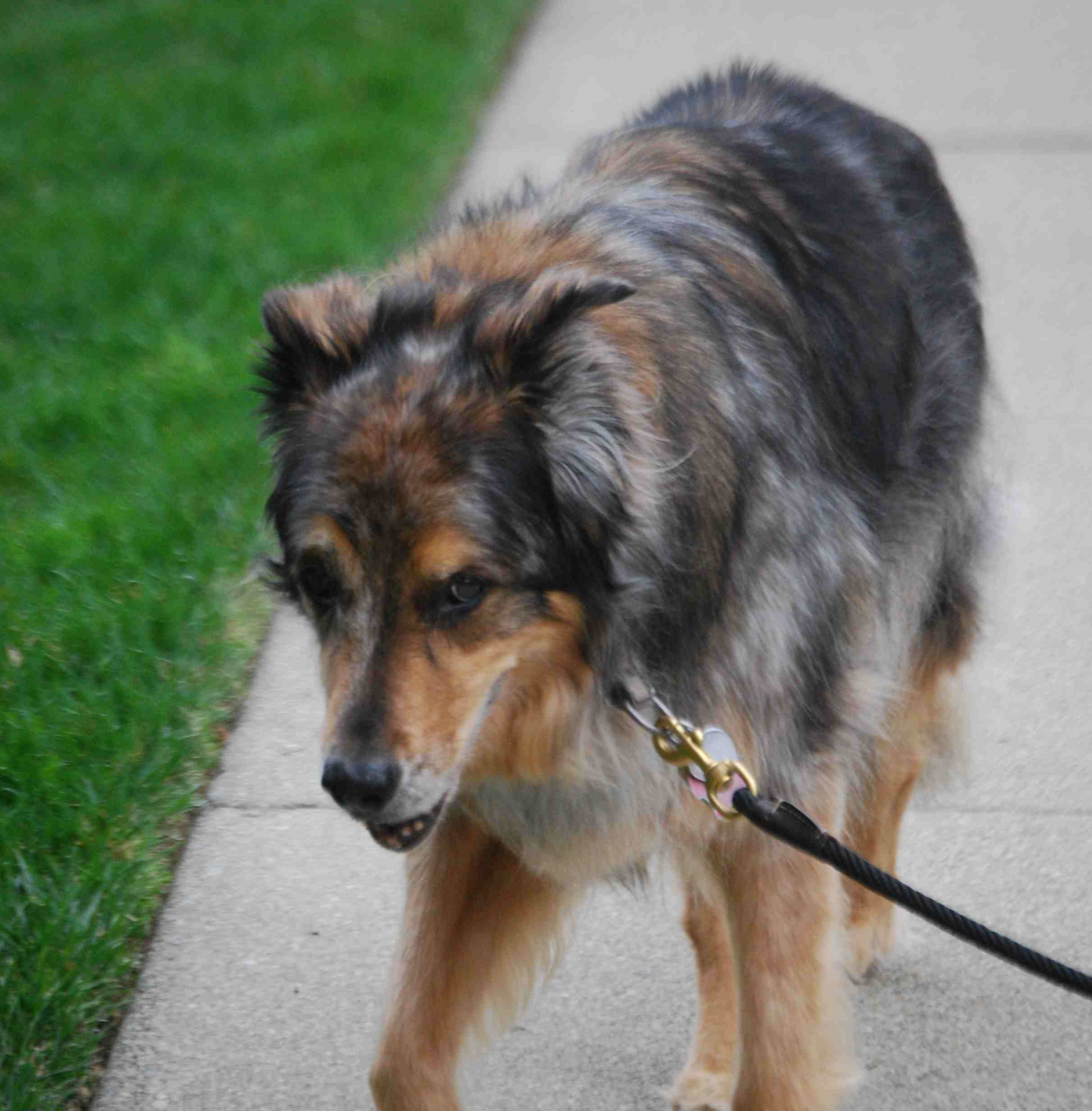
The main indication for the use of Arthroglycan is the pathology of the musculoskeletal system of dogs.
The product is intended for older dogs, and is also used to treat young and mature dogs. Puppies can be prescribed the drug only after reaching 2 months of age.
Indications for the use of Arthroglycan are the following pathological conditions of the musculoskeletal system:
- intervertebral osteochondrosis;
- spondylosis;
- arthritis;
- arthrosis;
- osteoporosis;
- joint dysplasia;
- deforming osteoarthritis;
- tendovaginitis;
- synovitis;
- postoperative period, in case of injuries, fractures.
For prophylactic purposes, the use of Arthroglycan is recommended in the following cases:
- supportive therapy for older and overweight dogs;
- to replenish calcium deficiency in bitches 3 weeks before mating, during pregnancy and after it;
- to prevent rickets in puppies during teething;
- representatives of breeds predisposed to developing joint and spinal diseases: Rottweilers, Molossoid breeds, Great Danes, Labradors, Mastiffs, Collies, Pekingese, Dachshunds, German Shepherds.
Contraindications
The use of Arthroglycan is strictly prohibited in the following conditions:
- Infectious nature (viruses, bacteria or fungi) of diseases of the musculoskeletal system.
- Hypersensitivity or allergic reactions to one or more components of the drug.
It is also not recommended to take the drug simultaneously with other drugs from the chondroprotector group.
In all other cases, no contraindications were found.
Instructions for use
To prevent age-related changes in cartilage tissue, Arthroglycan is prescribed from 6-7 years of age, and for breeds at risk from 3-4 years of age.
Arthroglycan is intended for oral administration only, taken with meals twice daily. Most dogs eat it whole and don't require special feeding methods. Crushed tablets can be given with food or water.
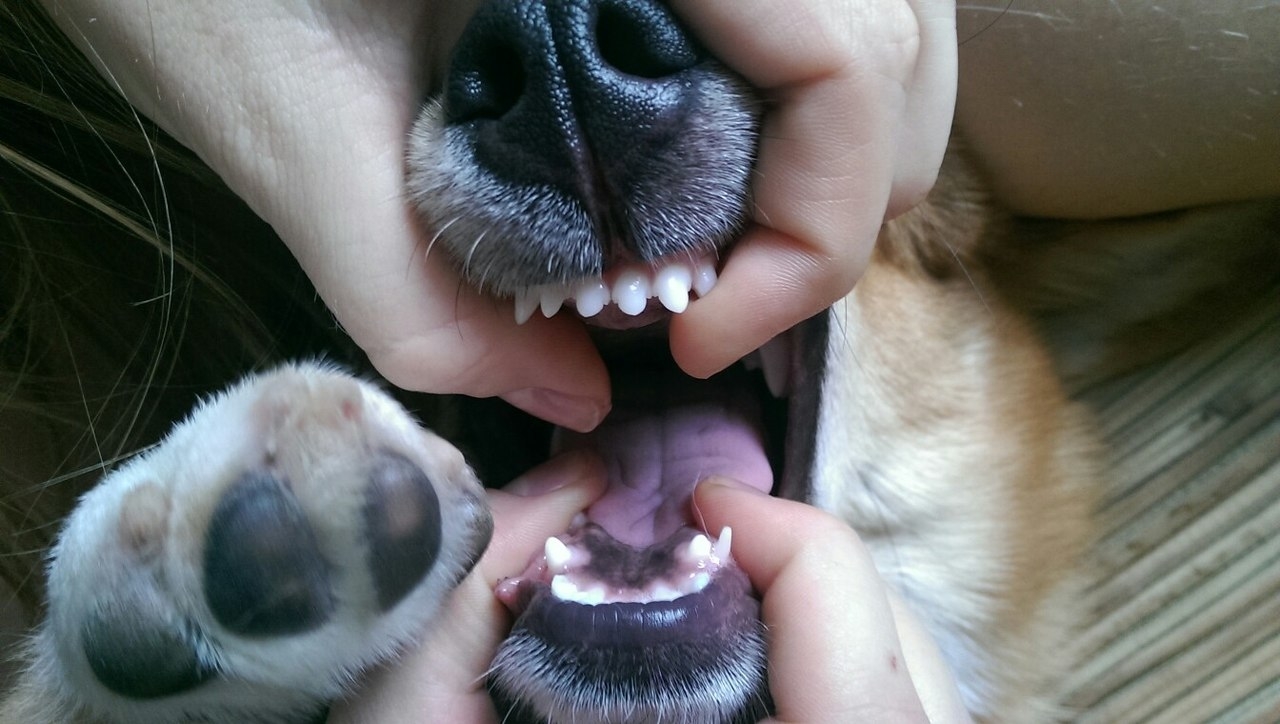
The medication can be administered using the following method: grasp the upper part of the mouth with your thumb and index finger and press on both sides of the jaw. This position encourages the pet to open its mouth. Place the tablet on the back of the tongue and immediately pour water or simply lift the dog's head upward to encourage swallowing.
The dosage and duration of drug administration always depend on the type of disease and the purpose of the prescription.
For therapeutic purposes, Arthroglycan is prescribed for a period of 3 weeks to 3 months. After this period, a break of 2–3 weeks is required.
Therapeutic dose:
- for dogs weighing up to 40 kg, 1 tablet per 10 kg of weight 2 times a day;
- dogs weighing over 40 kg are prescribed 4 tablets twice a day;
- puppies over 2 months old are prescribed 1/2 tablet 2 times a day.
Preventive dose:
- for dogs weighing up to 40 kg is 1/2 tablet for every 10 kg of weight 2 times a day;
- Pets weighing over 40 kg are prescribed 2 tablets twice a day.
Depending on the symptoms of the disease, your veterinarian may change the recommended dosage. For preventive purposes, the drug is prescribed in late autumn and winter.
According to studies, improvement in the pet's condition is noted within 6–8 weeks of starting therapy. The exact duration of treatment is determined by the veterinarian based on symptoms and progress.
It is also important to note that none of the existing chondroprotectors are capable of restoring damaged cartilage. Therefore, dogs diagnosed with arthrosis are recommended to take Arthroglycan for life. Otherwise, degenerative processes and disease symptoms will return within 5–6 months after stopping treatment.
Possible side effects
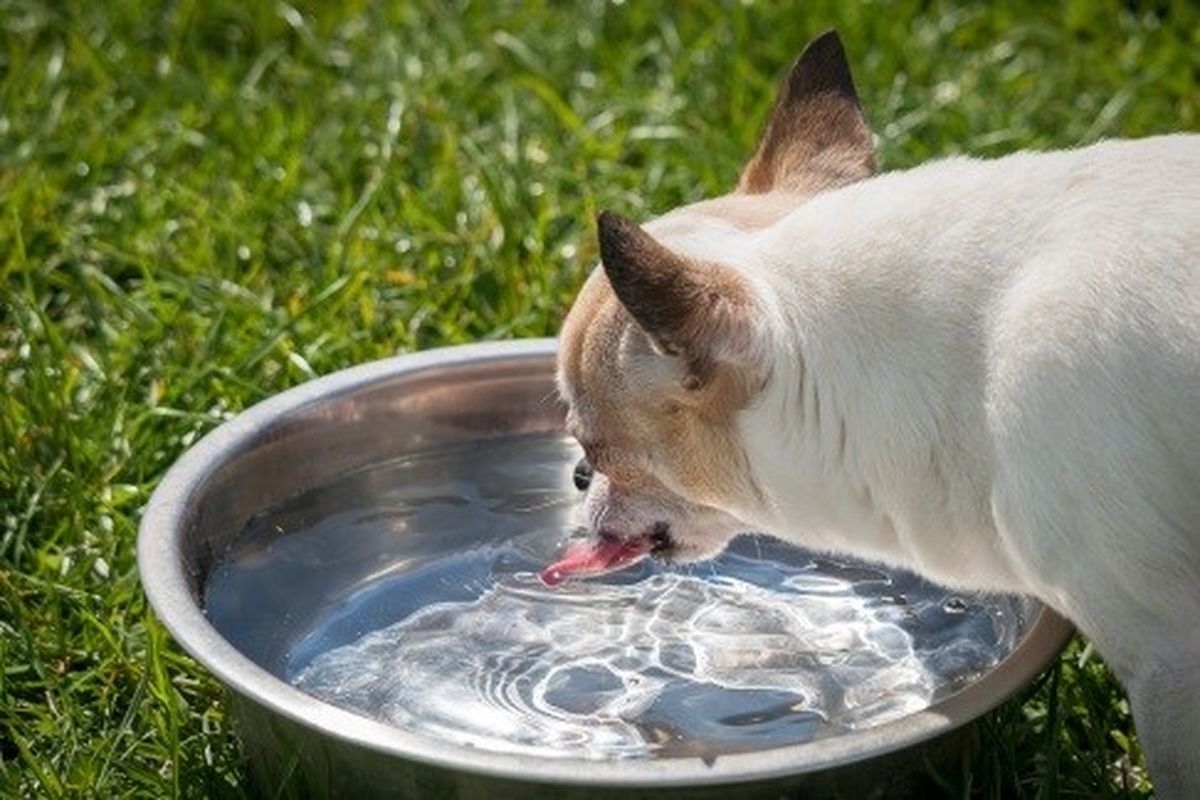
The dog should always have free access to fresh, clean water.
If the dosage and duration of use recommended by the veterinarian are followed, the risk of developing side effects is minimal.
The following side effects have been observed in some pets:
- digestive system disorders: diarrhea, vomiting;
- allergic reactions: itching, irritation, general anxiety, rash, redness of the skin;
- insomnia;
- thirst;
- constant fatigue and increased tiredness;
- frequent urination.
Arthroglycan may be poorly tolerated by dogs with diabetes.
If any unwanted side effects occur, a veterinarian consultation is required to replace the drug with an analogue.
Arthroglycan can effectively address and prevent musculoskeletal issues in dogs. By following the veterinarian's recommended dosage and timing, owners can ensure their pet enjoys a long and active life free from pain and discomfort.