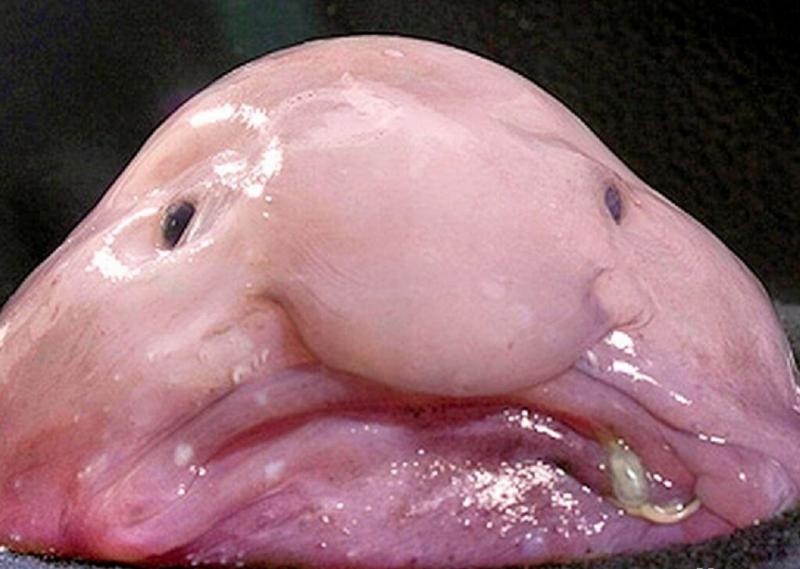
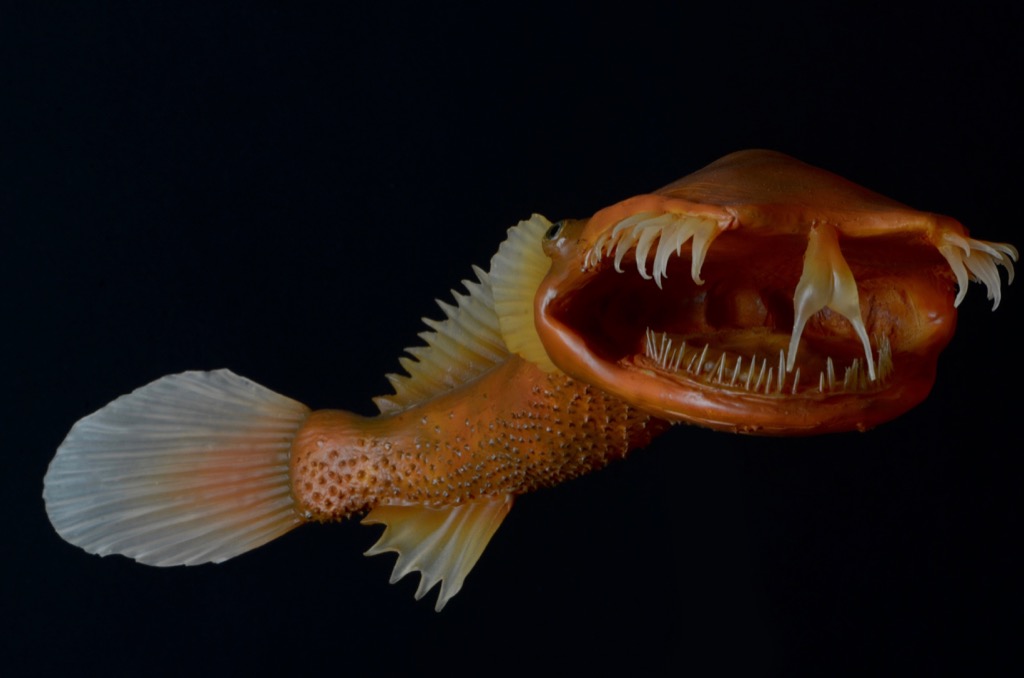
The first biologist to see this fish described it as a strange and inexplicable creature. More than half a century has passed since then, and science has learned much about marine life and deep-sea anglerfish, but the thaumaticht still amazes with its unusualness.

Thaumaticht belongs to the genus of deep-sea anglerfish (sea devils).
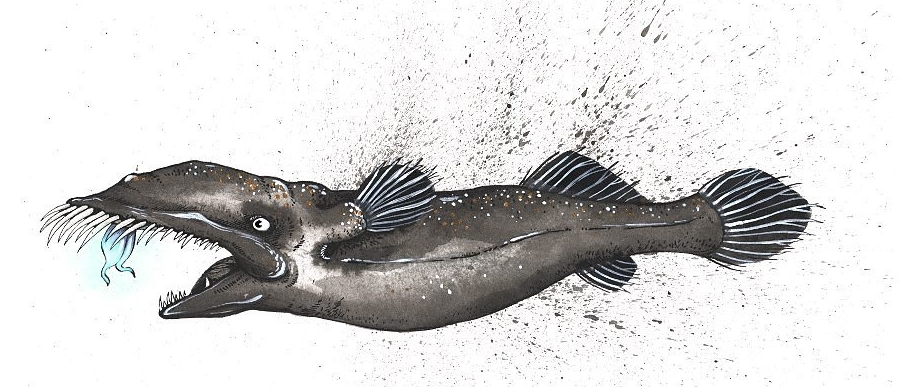
Its length reaches 50 cm. This is quite large for inhabitants of the ocean depths.
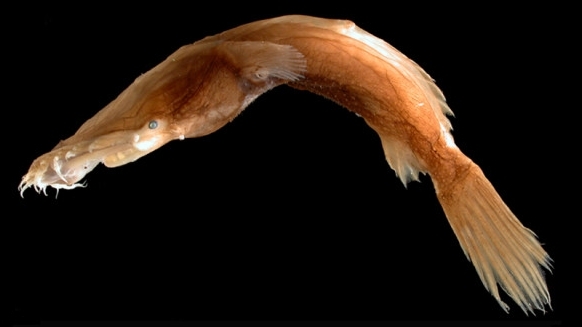
In this species, the female is several times larger than the male, and the male differs greatly in appearance.
He received his name in honor of the Danish and Icelandic prince Axel Christian George.
The thaumatiht was first encountered during an expedition on the ship Galatea in 1959.
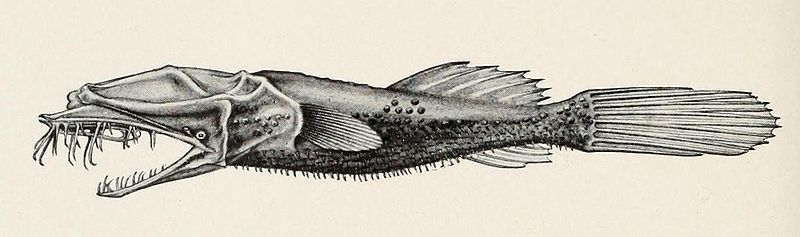
Biologist Artur Bruun described the discovery as follows: "An inexplicably strange creature, the most unusual among the endless variety of fish."
It lives relatively close to the coasts of the Atlantic, Indian and Pacific Oceans at a depth of 3.6 km.
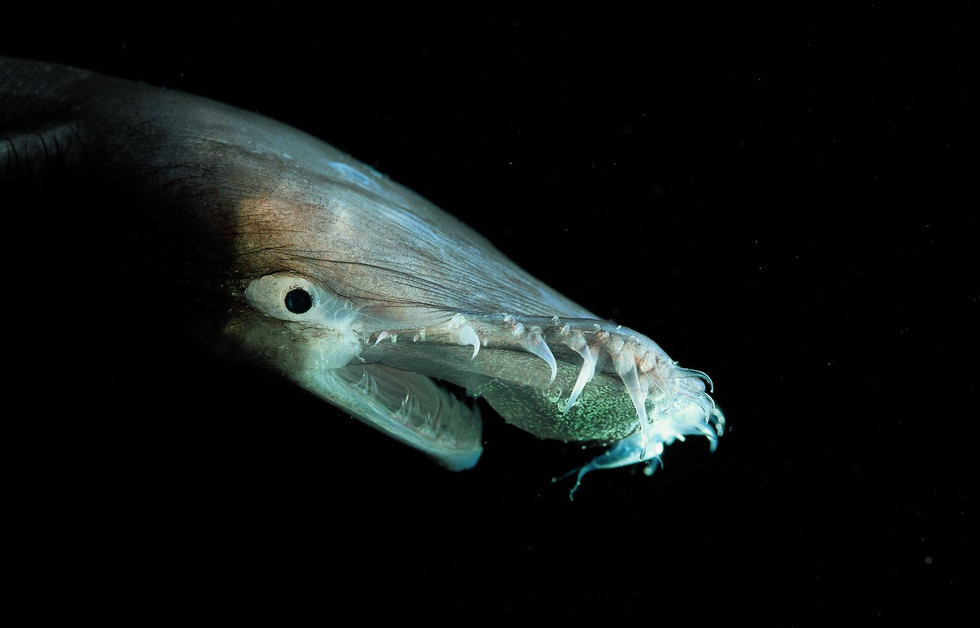
People have only managed to see this fish twenty times.
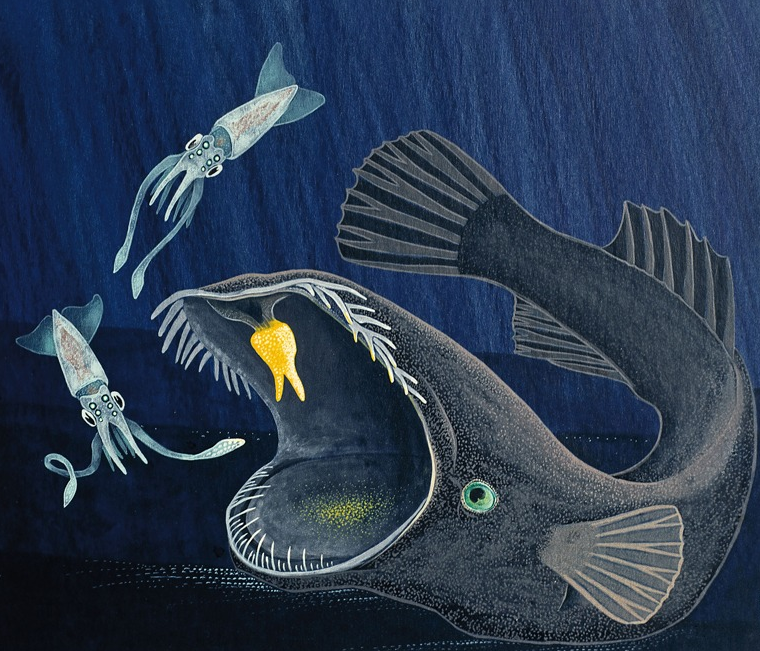
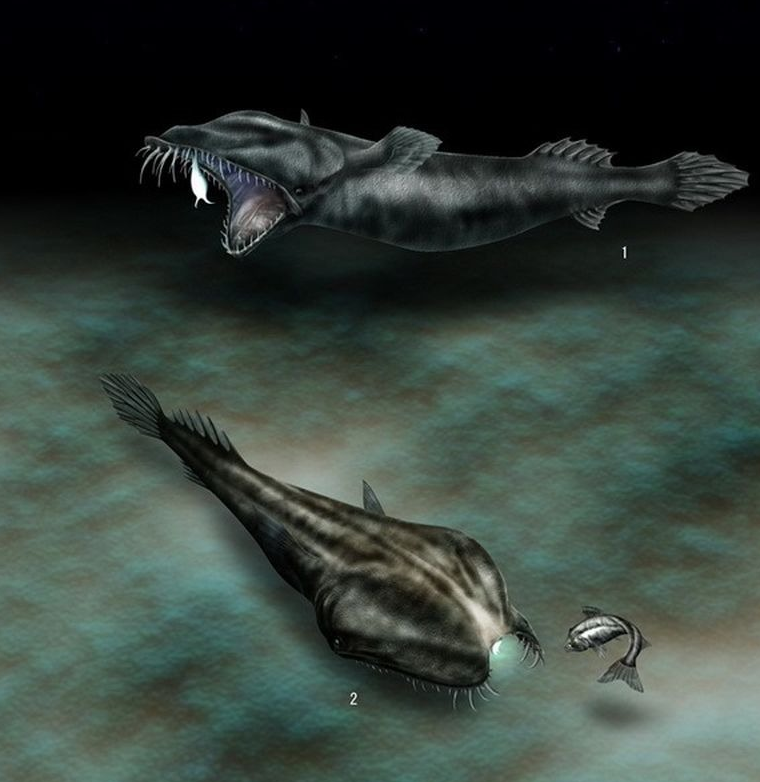
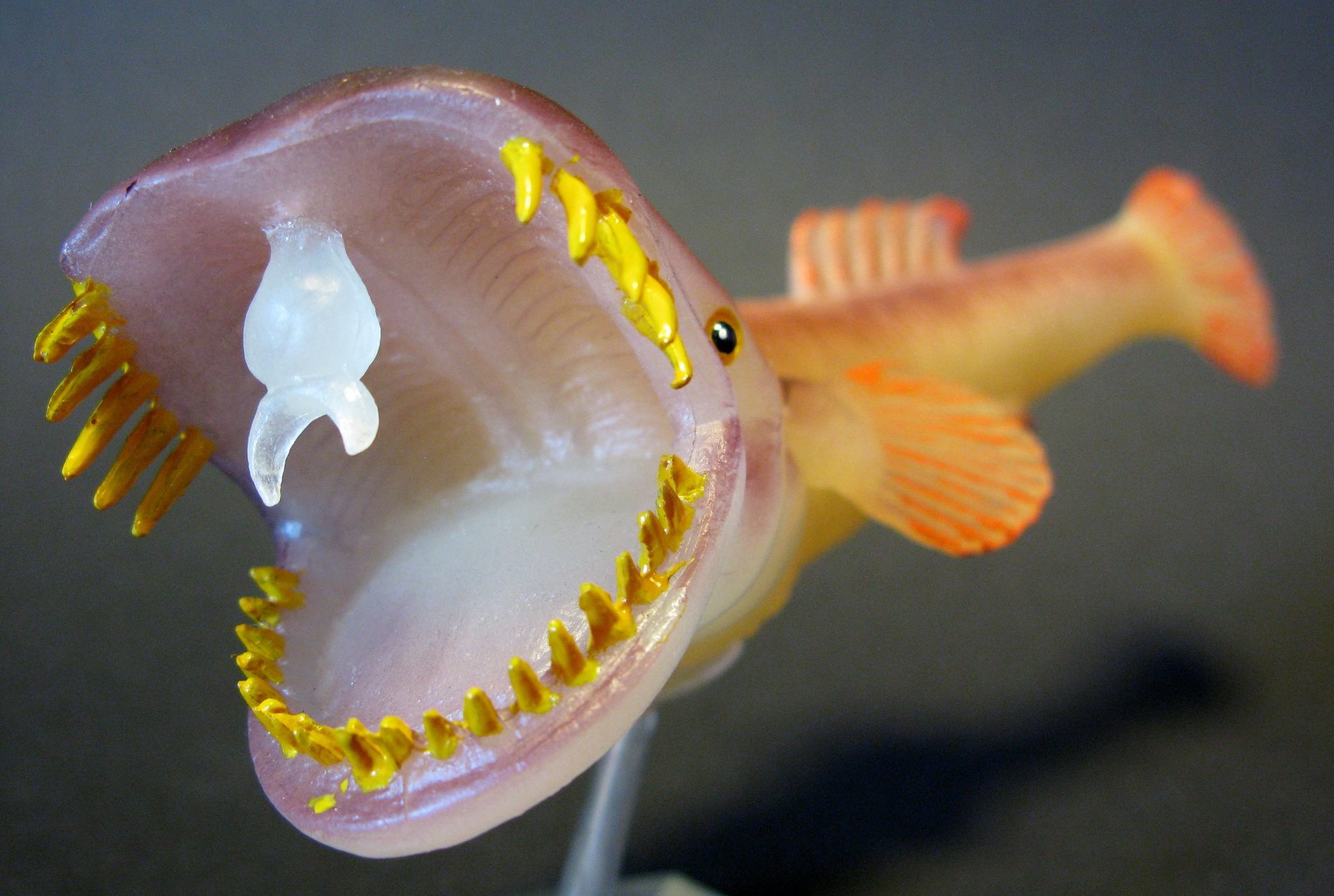
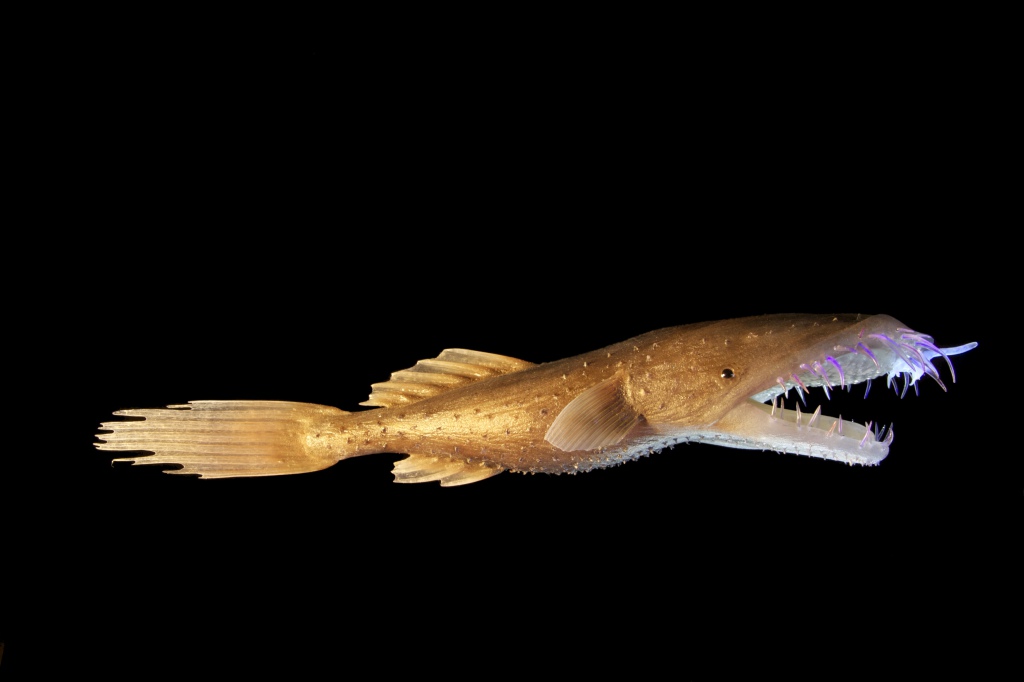
It hunts with the help of a bright bioluminescent bait, which attracts the prey to its mouth, and all that remains is to quickly close its mouth.
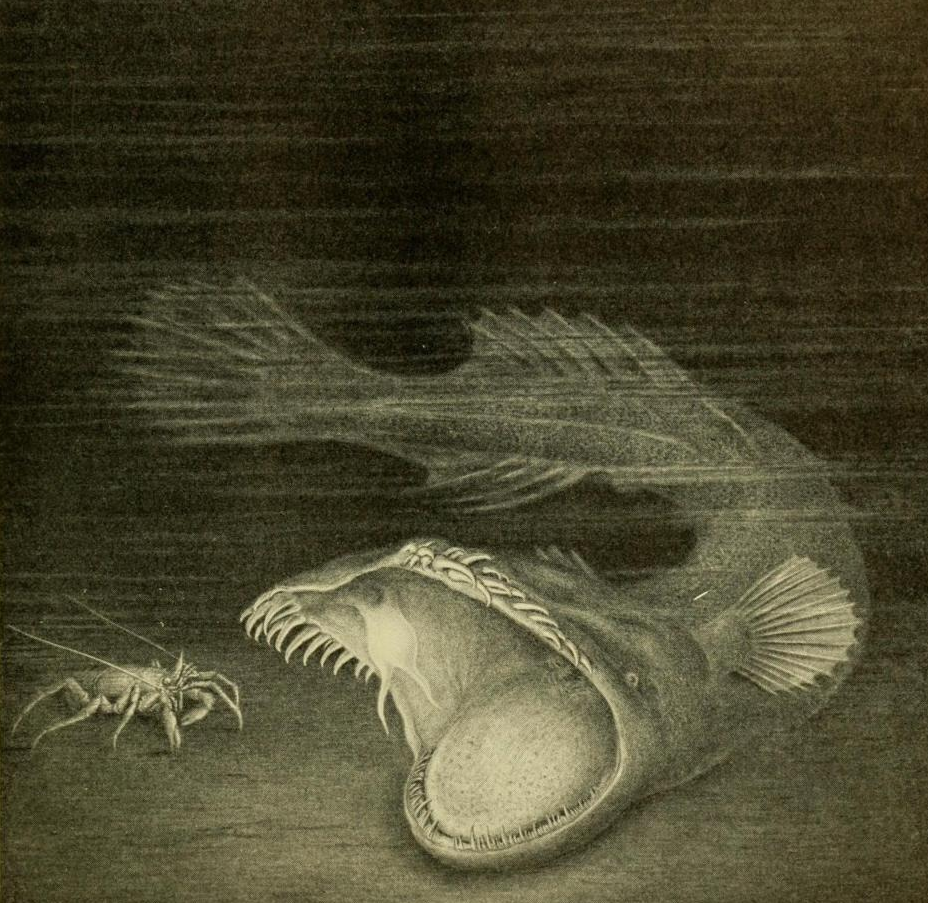
But there are also misses, when his bait attracts a large fish that the thaumatiht fails to swallow.
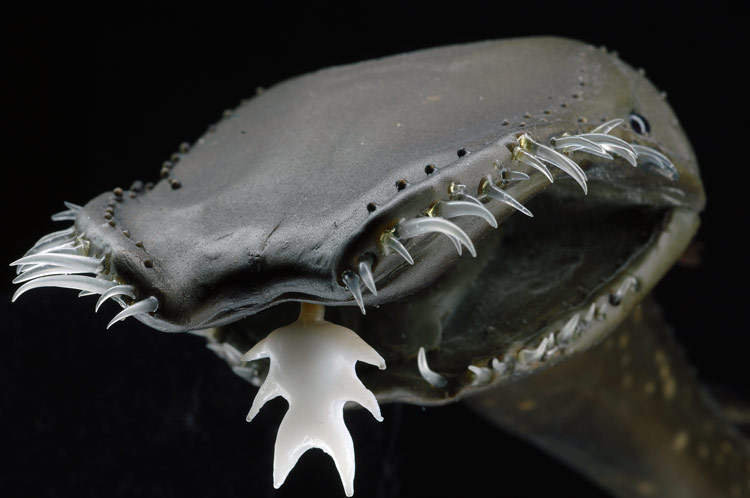
When he realizes that the prey is beyond his teeth, it is already too late - the hook-shaped teeth do not allow him to release the victim and both die.
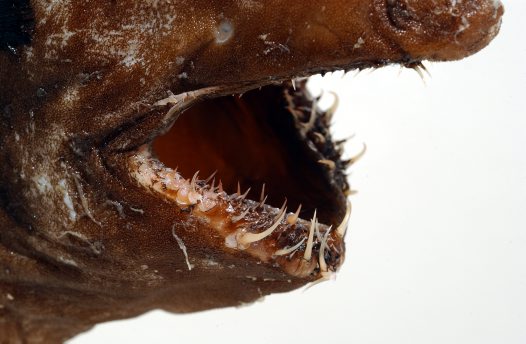
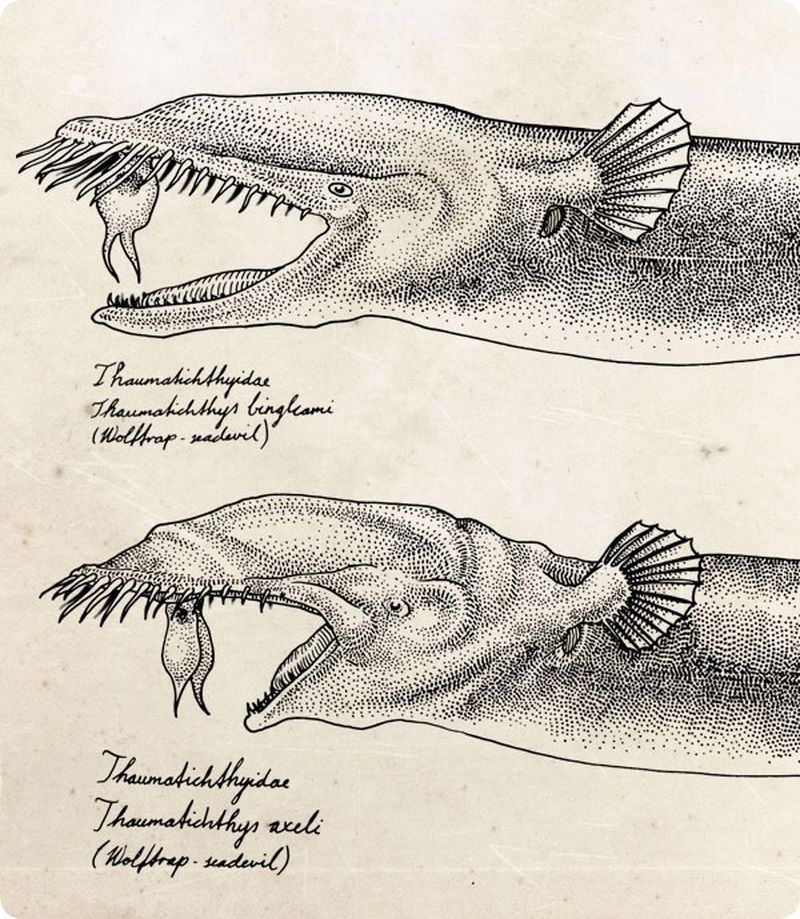
In "ordinary" anglerfish, the esca (a glowing growth-bait) hangs on the "fishing rod" in front, but in the tauhmaticht, the esca dangles right in the mouth, behind the teeth.
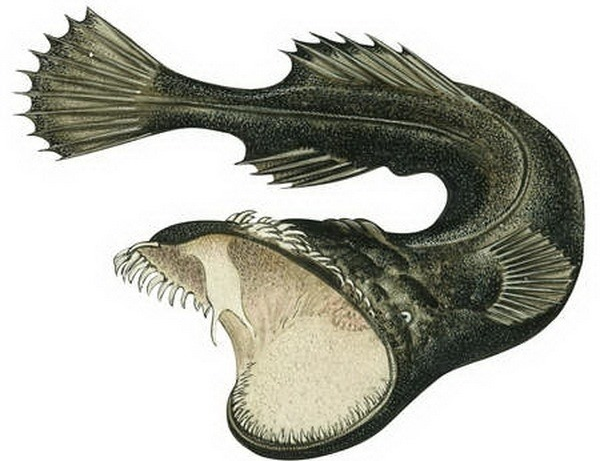
For a long time, there was debate about the species classification of this fish. In 1952, this marine creature was classified in the family Thaumatichtidae, which was then divided into three species:
- Thaumatichthys axeli (Thaumatichthys axeli);

- Thaumatichthys binghami;
- Thaumatichthys pagidostomus.
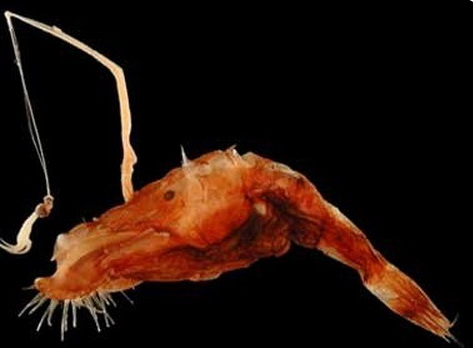
There may be deep-sea species that have not yet been studied.
How many more amazing deep-sea creatures, as yet unknown to science, lurk beneath the ocean's surface? Perhaps many more exciting discoveries await us in the future.